Indonesian search and rescue teams have located the wreckage of an ATR 42-500 turboprop aircraft with 11 people on board that disappeared on 17 January 2026 while approaching Sultan Hasanuddin International Airport (UPG), Makassar, Aljazeera reported. The flight, chartered for a maritime surveillance mission, was en route from Adisutjipto Airport (JOG), Yogyakarta when it lost radar and radio contact, and led to emergency operations.
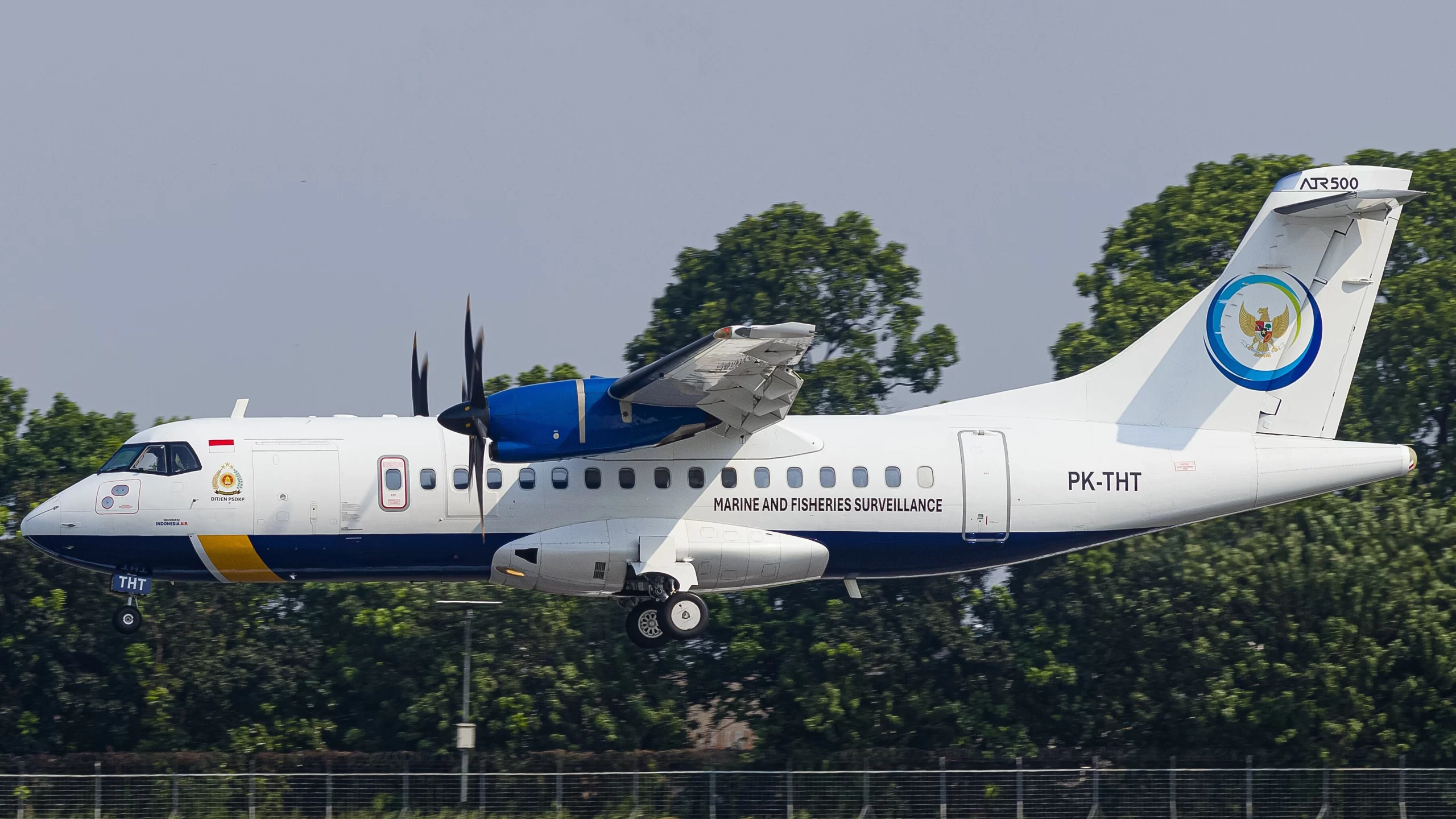
The discovery on a steep slope of Mount Bulusaraung in South Sulawesi province has yielded fuselage sections, engine components and at least one recovered body amid ongoing search efforts, despite the fact that adverse terrain and weather continue to hamper operations.
Indonesia Air Transport: Flight & Crash timeline
The ATR 42-500, chartered for the Indonesian Marine Affairs and Fisheries Ministry, departed Adisutjipto Airport (JOG) destined for Sultan Hasanuddin International Airport (UPG), Makassar. On board were seven crew members and three ministry officials — a total of ten, though initial reports on January 17, while the aircraft was still missing, had put the number at eleven before the count was revised following the wreckage discovery.
The last radar and communication contact occurred shortly after 13:15–13:30 local time near the Maros region of South Sulawesi. Air traffic control had issued a course correction as the aircraft approached Makassar’s approach path; soon after, the aircraft vanished from radar.

But the wreckage was found later
On 18 January, joint rescue teams located significant debris — fuselage segments, seats and what is believed to be the engine — on a rugged slope of Mount Bulusaraung. At least one body has been recovered within a ravine, additional remains have been visually identified but remain inaccessible due to steep terrain and heavy fog.
Muhammad Arif Anwar, who heads Makassar’s search and rescue office, was quoted in Aljazeera to have said:
“The discovery of the aircraft’s main sections significantly narrows the search zone and offers a crucial clue for tightening the search area…..Our joint search and rescue teams are now focusing on searching for the victims, especially those who might still be alive.”
It has been reported that “rescuers on the ground then retrieved larger debris consistent with the main fuselage and tail scattered on a steep northern slope“.
However, search and rescue efforts have been slowed by poor visibility, strong winds and mountainous terrain, forcing intermittent pauses at nightfall.
Here’s a timeline of the event:
| Time (Local) | Event |
|---|---|
| ~13:17, 17 Jan 2026 | Last radar and radio contact with the ATR 42-500 near Maros District, South Sulawesi |
| 17:33, 17 Jan 2026 | Indonesian authorities formally launch search and rescue operations |
| ~04:00, 18 Jan 2026 | Joint SAR teams resume operations before dawn with expanded personnel and assets |
| 07:17, 18 Jan 2026 | Aerial patrols report first visual indications of aircraft debris |
| 07:46, 18 Jan 2026 | SAR units locate initial fragments of wreckage on a mountain slope |
| 07:49, 18 Jan 2026 | A large section of the aircraft fuselage is identified |
| 08:02, 18 Jan 2026 | Additional debris spotted by helicopter, confirming a wide debris field |
| ~14:20, 18 Jan 2026 | The body of one victim is found approximately 200 metres down a ravine |
Source: Antara News
Details of the (Possible) Victims
The aircraft impacted the slopes of Mount Bulusaraung within Bantimurung–Bulusaraung National Park, an area adjacent to the city of Makassar. On board the aircraft were three officials from the Ministry of Marine Affairs and Fisheries, along with seven crew members.
Arif was quoted in NBCRightNow:
“One male victim was found… at a depth of roughly 200 meters (656 feet) in the ravine and near aircraft debris,”
according to Basarnas (SAR), Indonesia’s national search-and-rescue agency’s Instagram Post, the victim “was found on the slope of the top of Bulusaraung mountain, the joint SAR is still evacuating,”, with the victim not yet been publicly identified.
The same source reported that Andi Sultan, another local search official, separately confirmed the recovery, adding that adverse weather conditions would delay the evacuation of the remains until Monday.
Sultan also told the Australian Broadcasting Corporation (ABC):
“Our helicopter crews have seen the debris of the plane’s window at 7:46 a.m….And around 7:49 a.m., we discovered large parts of the aircraft, suspected to be the fuselage of the plane.”
Arif said aerial search units had also been deployed to support ground teams searching for the remaining occupants. More than 1,000 personnel from the military, police and volunteer groups have been involved in the search, which has continued across both land and air.
Minister Sakti Wahyu Trenggono said the employees had been carrying out aerial monitoring of local resources when the incident occurred. Local military chief Bangun Nawoko said difficult terrain and heavy fog were complicating the search and limiting visibility for rescue teams.
According to AP, weather conditions at the time of the disappearance showed 8-kilometer (nearly 5-mile) visibility with cloud cover, based on information from air traffic control official Sari. Separately, Gen. Bangun Nawoko told reporters that steep terrain at Bulusaraung National Park had complicated search efforts.
The same source also said that the nation where the accident took place “relies heavily on air transport and ferries to connect its more than 17,000 islands”, and that the nation has been “plagued by transportation accidents in recent years, from plane and bus crashes to ferry sinkings.”
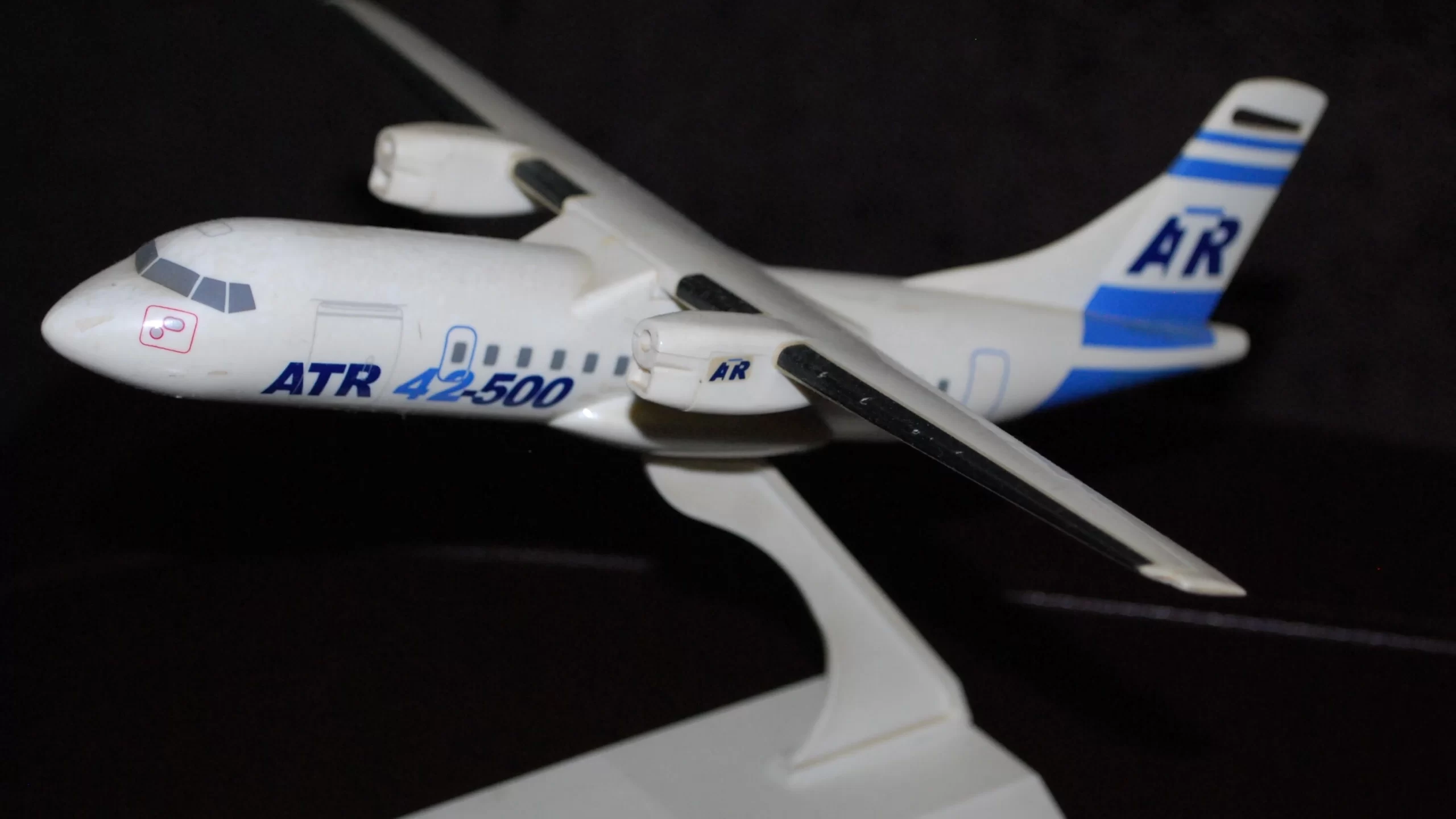
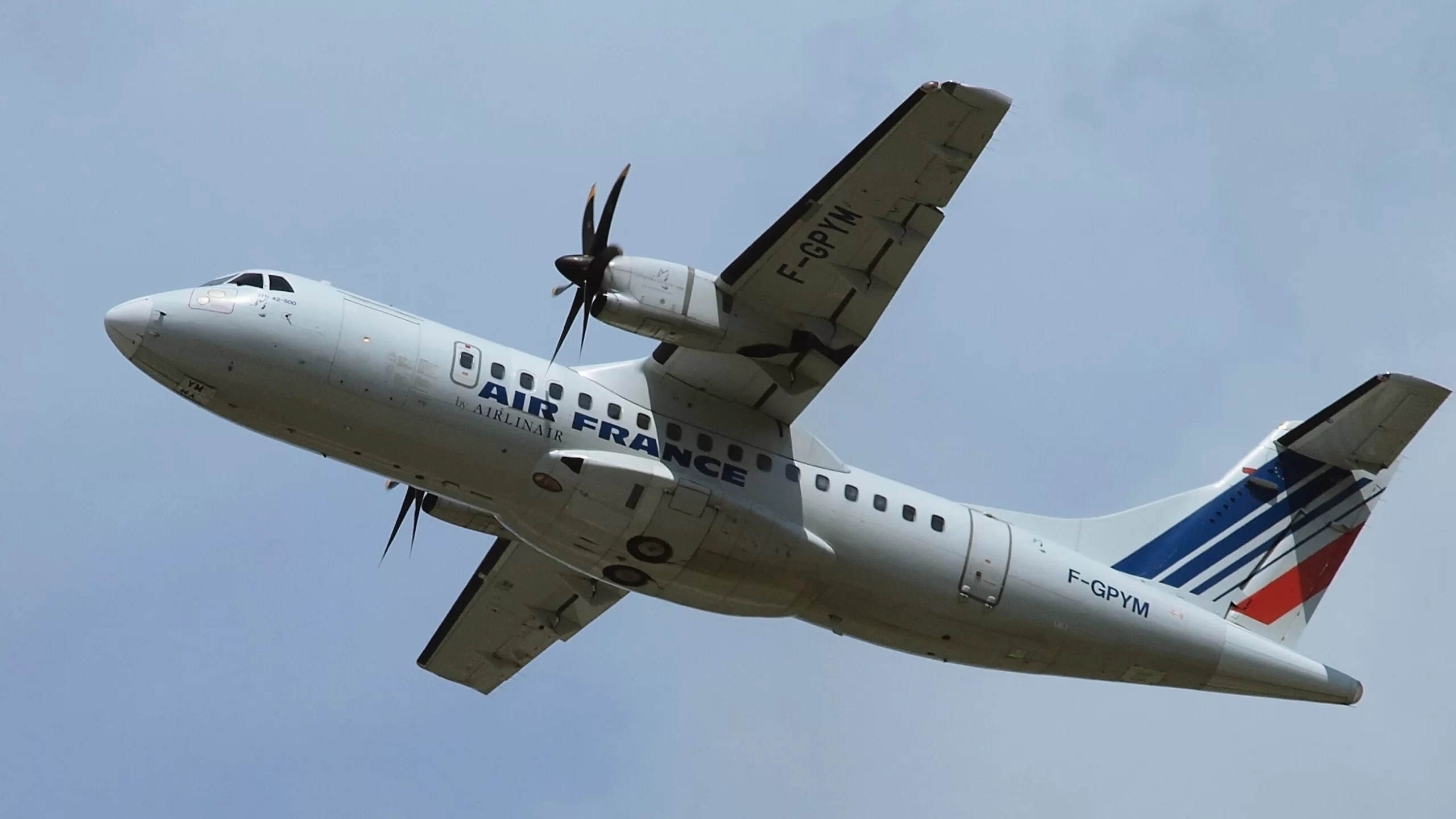
The aircraft involved in the accident was an ATR 42-512, a variant of the ATR 42-500 series, bearing the registration PK-THT and manufacturer serial number 611. It was originally delivered in 2000 to Air Dolomiti, before later changing ownership and entering service with Indonesia Air Transport. At the time of the accident, the turboprop was 25 years old.
Other Details of the Crash
The discovery of a crashed ATR 42-500 wreckage near Mount Bulusaraung marks a somber development in an ongoing search for 11 aboard a flight chartered by Indonesia’s Marine Affairs and Fisheries Ministry, and according to Indonesia’s National Transportation Safety Committee head Soerjanto Tjahjono, the case might have been a “controlled flight into terrain (CFIT)…. The pilot was able to control the plane and the crash was not intentional..“


.jpg)

.jpg)

