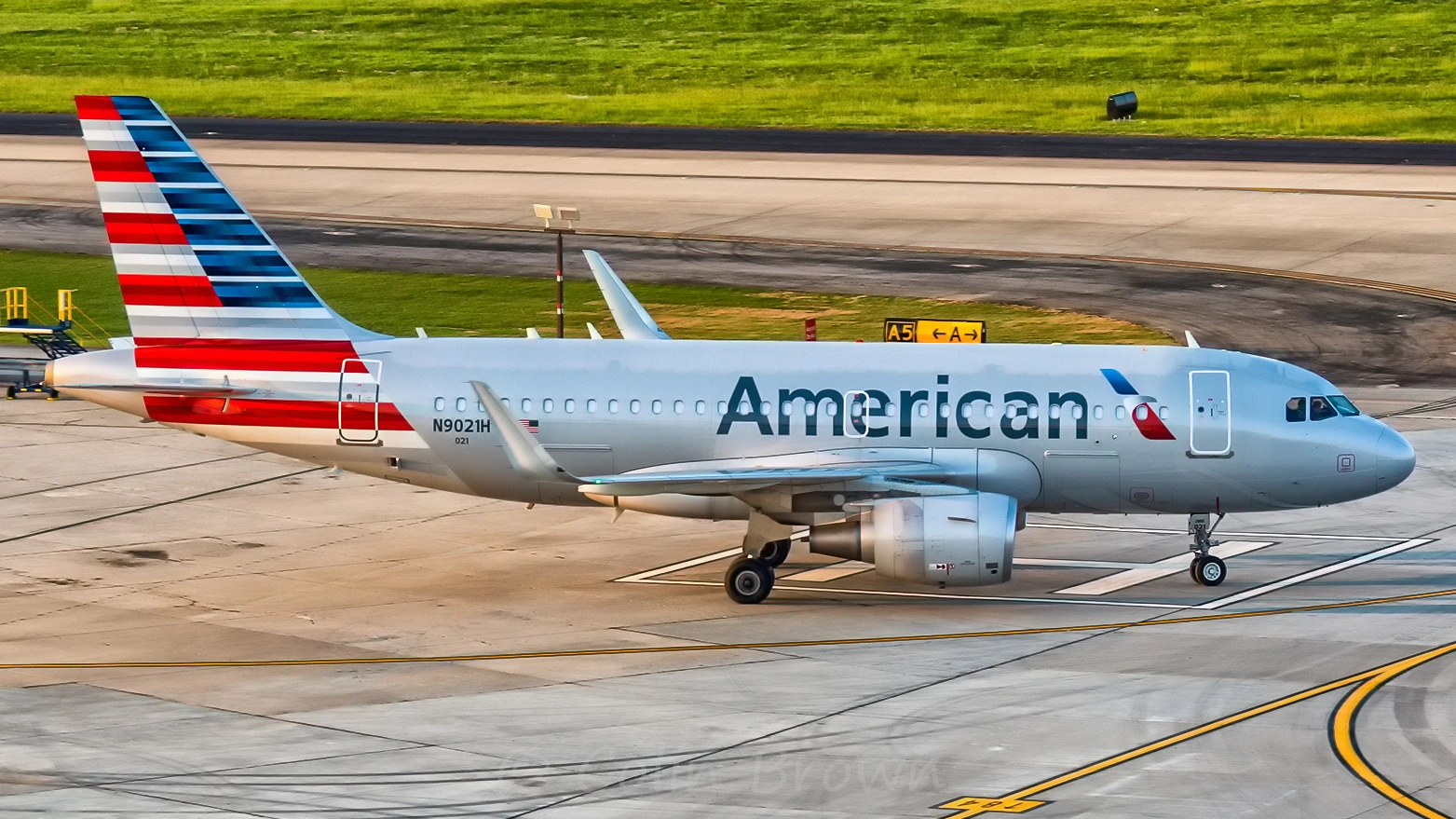
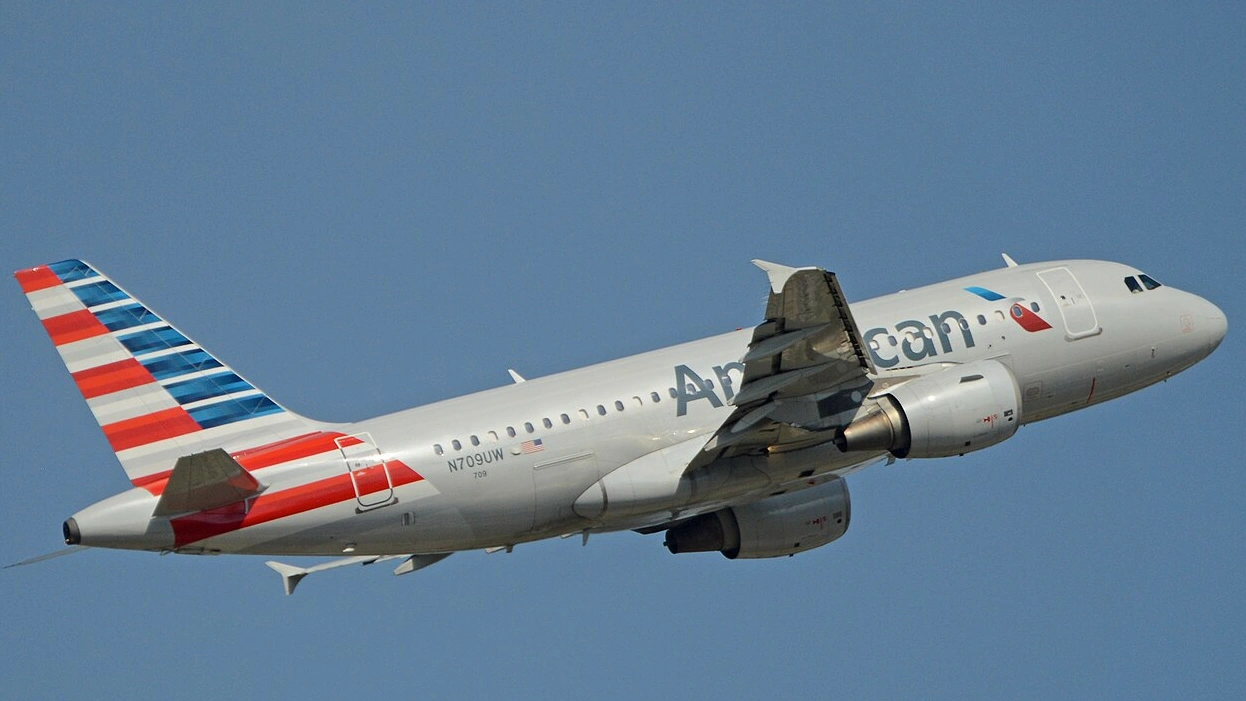
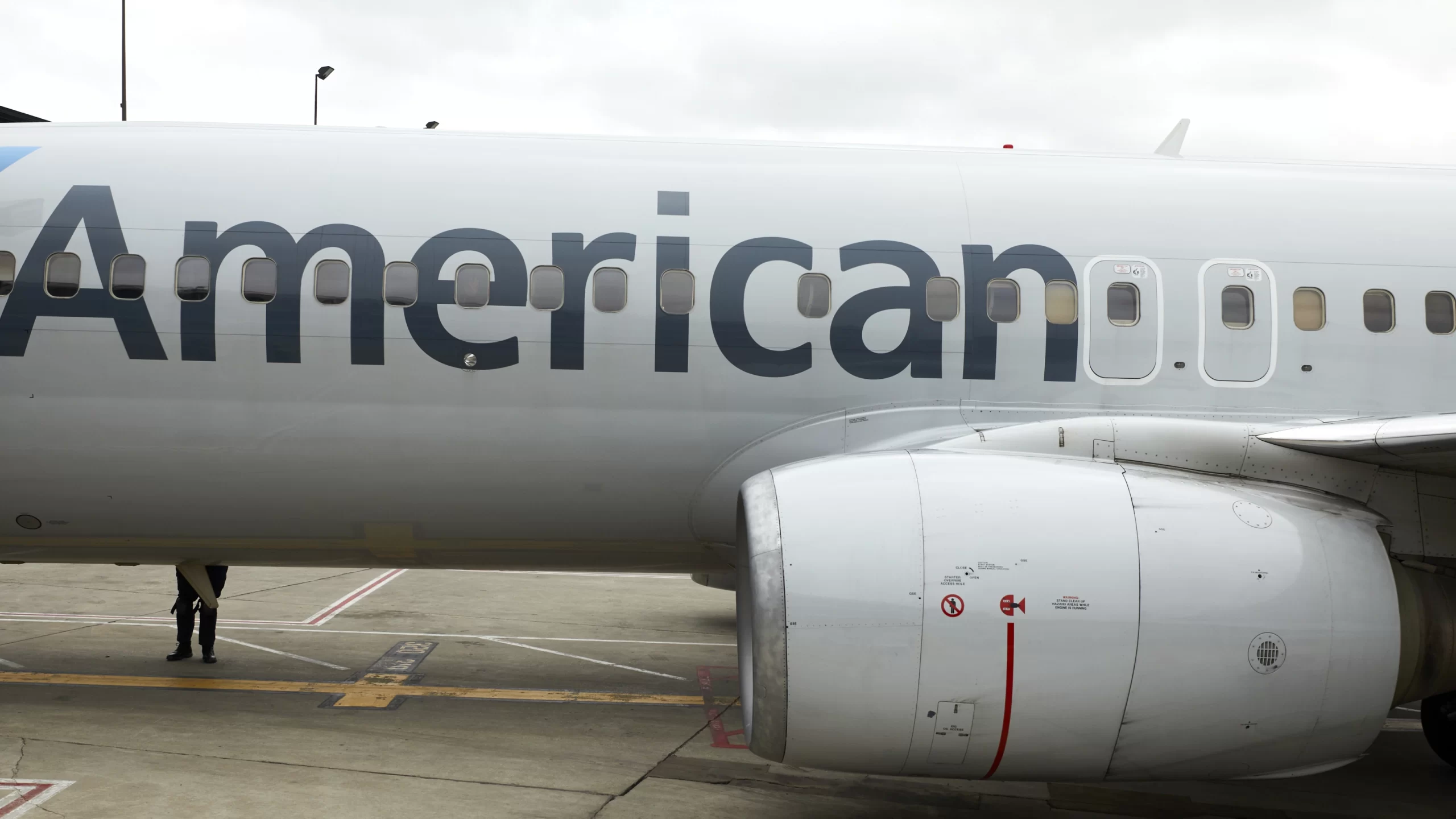
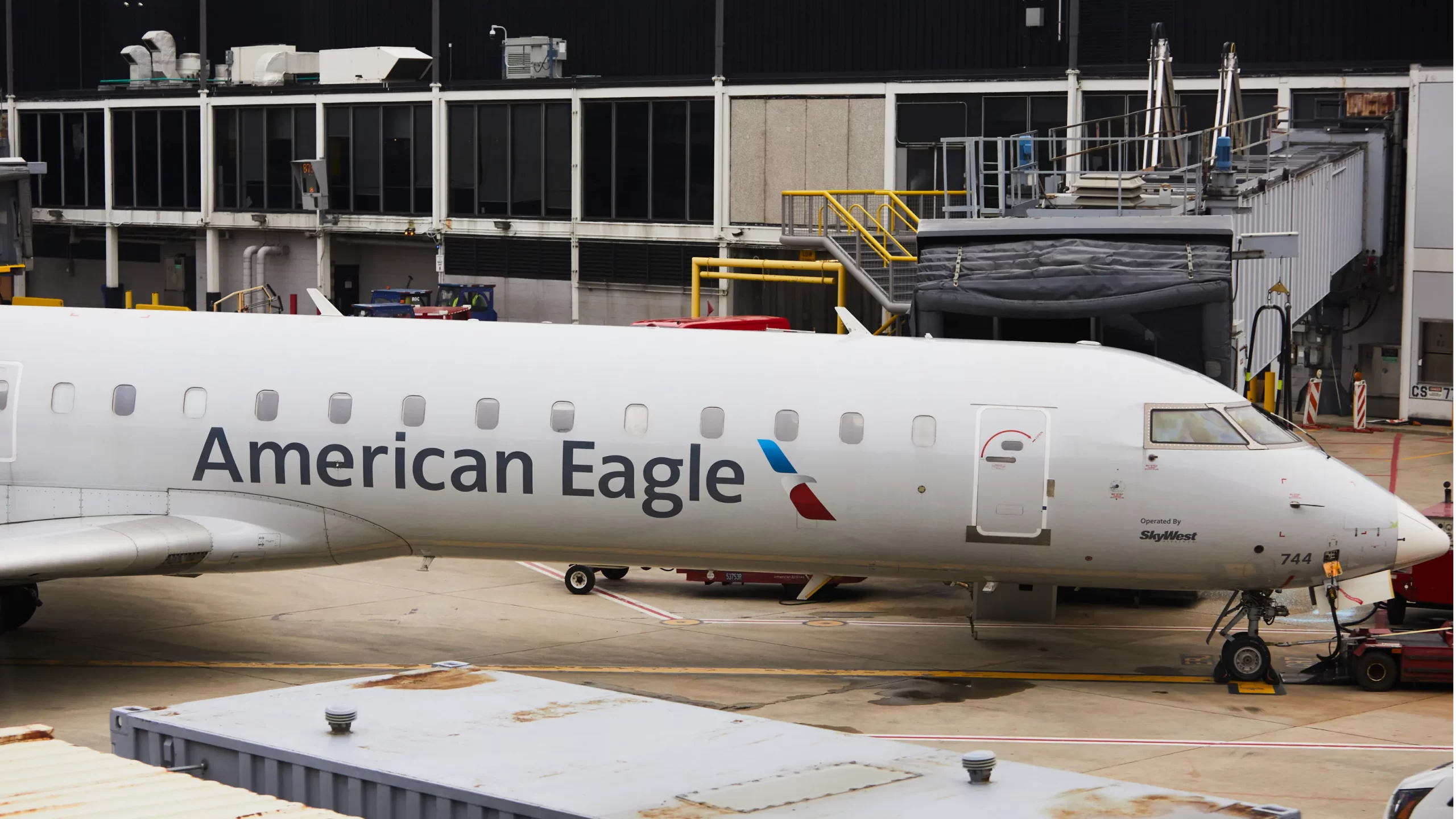
American Airlines (AA), one of the largest carriers in terms of fleet size, began using anti-terror cockpit barricades across its fleet on Thursday, June 18, 2026, ending nearly a year of training after the devices were first installed on new aircraft. The carrier, headquartered in Fort Worth, Texas, made the move to comply with a federal safety mandate that traces back to the September 11, 2001 terror attacks.
Flight attendants must now deploy the barriers, known as Installed Physical Secondary Barriers (IPSB), every time a pilot opens the cockpit door in flight, replacing the makeshift beverage-cart blockades airlines have used for over two decades, according to paddleyourownkanoo.com.
The rollout applies only to American’s newest aircraft, since the underlying Federal Aviation Administration (FAA) rule covers planes manufactured after August 25, 2025. Older jets in the fleet are not required to be retrofitted, so most American passengers will not see the device for years. The change follows Southwest Airlines (WN), which became the first U.S. carrier to activate IPSBs on new Boeing 737 MAX deliveries in August 2025.
What an Installed Physical Secondary Barrier Does
An IPSB is a lightweight, lockable gate that sits between the cockpit door and the forward galley. It is deployed only when a pilot needs to leave the flight deck during a flight, such as for a bathroom break. Once locked, it blocks the aisle long enough for the main cockpit door to close and lock before anyone could reach it, based on details published by paddleyourownkanoo.com.
The barrier is not designed to be unbreakable. Its job is to buy time, not stop a determined attacker outright. The FAA’s final rule states the barrier must protect the flight deck from intrusion while the main door is briefly open.
Key features of the IPSB include:
- A lightweight, foldable design that stows away when not in use.
- Placement between the forward galley and the primary bulletproof cockpit door.
- A locking mechanism that activates only during the short window when the main door is open.
- An emergency release so crew can access the flight deck if the barrier jams.
- Resistance to being climbed over, crawled under, or forced open.
Why It Took Nearly Five Years to Reach the Cabin
The legal requirement for secondary barriers began with the FAA Reauthorization Act of 2018, which directed regulators to mandate the devices on new aircraft. The FAA did not issue a proposed rule until August 2022, more than three years after lawmakers ordered it.
The agency finalized the rule in June 2023, setting an August 25, 2025 deadline for compliance on all newly delivered passenger aircraft, as confirmed in the Federal Register filing. Cargo aircraft and foreign carriers operating into the United States are exempt from the requirement.
Industry trade group Airlines for America, which represents American, asked the FAA in mid-2025 to push the deadline back by two years, arguing that no barrier design had yet been certified and no training materials existed. The petition warned that without relief, the original deadline would force carriers to ground new aircraft. The FAA ultimately granted a one-year extension rather than the two years airlines sought.
Pilot and Flight Attendant Unions Pushed Back on the Delay
Pilot and flight attendant unions opposed any further slippage in the deployment timeline. According to a report by Reuters, Allied Pilots Association president Jason Ambrosi criticized the airlines’ request for more time, saying regulators should “reject this latest stalling tactic and implement, without delay, the secondary barrier requirement as Congress mandated”.
The Association of Flight Attendants-CWA, which represents more than 55,000 flight attendants across 20 airlines, filed comments arguing the delay request lacked justification. The union stated that “there can be no justification for allowing airlines to leave any properly functioning IPSB unused”. The union noted flight attendants could be trained on individual IPSB-equipped aircraft before departure, even without full fleet-wide instruction.
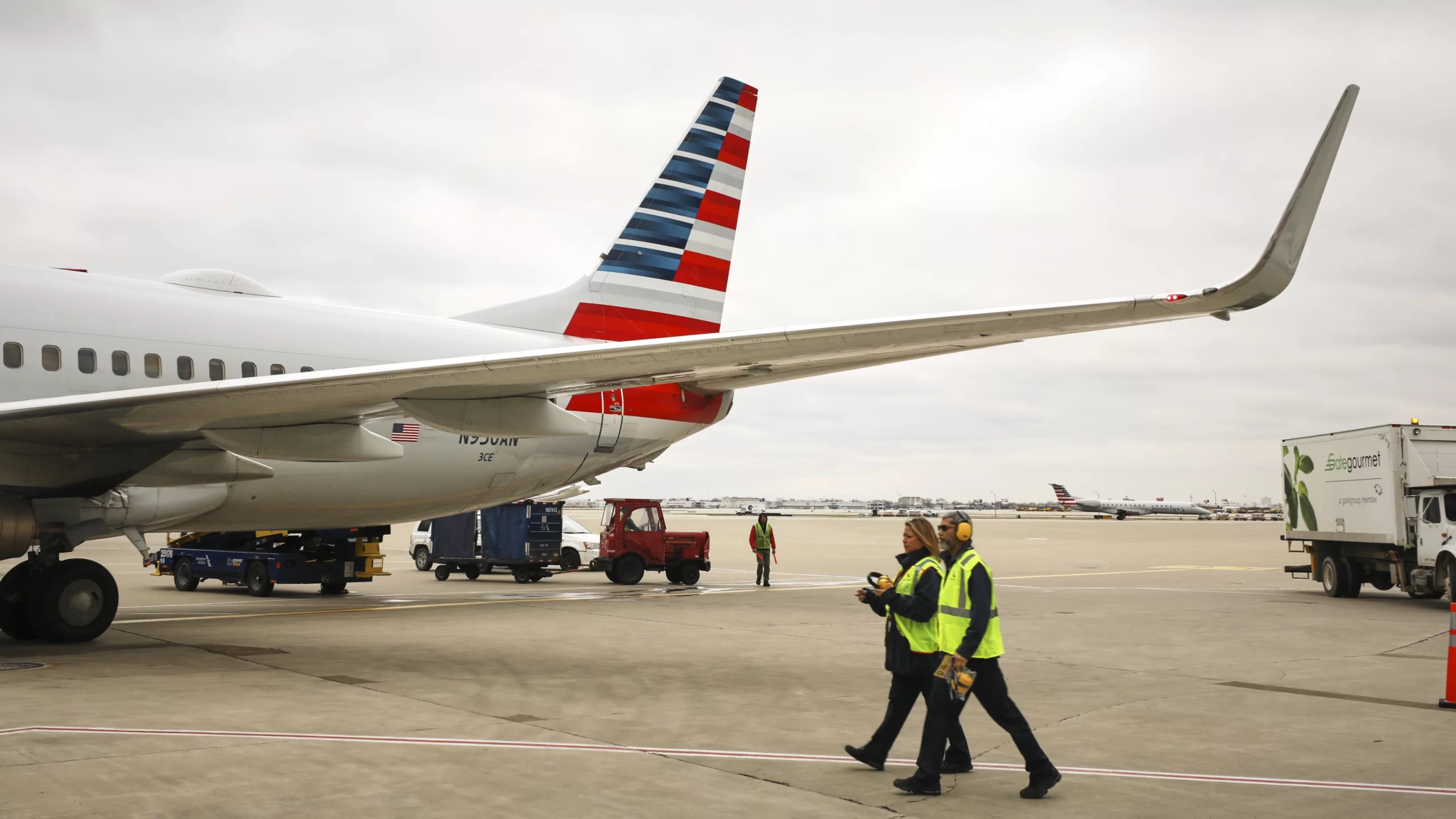
American Airlines opted to wait until June 18, 2026, nearly a year past the original deadline, to begin operational use. In the meantime, the carrier took delivery of new aircraft with IPSBs already fitted but kept them zip-tied open so crews could continue using beverage carts while training was completed.
How American Airlines Compares with Other US Carriers
American’s rollout puts it well behind Southwest, which activated IPSBs on new 737 MAX deliveries from Seattle (SEA) immediately in August 2025 rather than waiting for the extended deadline. Southwest planned to take delivery of 25 new IPSB-equipped aircraft by the end of 2026.
JetBlue Airways (B6), by contrast, has struggled to comply at all on part of its fleet. The New York-based carrier asked the FAA for an exemption after manufacturer Airbus faced what it described as design challenges fitting IPSBs to its roughly 62 Airbus A220 aircraft. That report places JetBlue’s compliance deadline at July 31, 2026, just weeks after American’s activation date.
The contrast highlights how unevenly the mandate has been applied across the industry. Southwest moved early, American trained for nearly a year before switching on barriers it already had installed, and JetBlue has sought regulatory relief due to a manufacturer-side delay rather than a training one.
A Recent Cockpit Breach Attempt Added Urgency
Support for faster IPSB deployment gained new attention after a May 29, 2026 incident involving United Airlines flight UA2005 to Minneapolis-St. Paul International Airport (MSP). The flight crew declared a Level 4 Disturbance after a 75-year-old passenger attempted to reach the cockpit multiple times. Law enforcement officers on board were able to restrain the passenger.
The incident is separate from American Airlines’ rollout, since it involved a United aircraft, but aviation safety advocates have pointed to such events as evidence that secondary barriers address a real and ongoing risk, not a hypothetical one. Unions referenced similar reasoning when pressing the FAA in 2025, noting in the original rulemaking debate that “at least 52 hijacking attempts worldwide since 2001” underscore the continued threat to flight decks.
What Happens Next
IPSBs will remain limited to a small share of the American Airlines fleet for years to come, since only newly built aircraft delivered after August 25, 2025, are covered by the mandate. The FAA has not proposed any retrofit requirement for older jets, and no major U.S. airline has volunteered to add barriers to its existing fleet.
Industry analysts estimate that, at current aircraft replacement rates, it would take roughly 25 to 28 years for most of the U.S. passenger fleet to carry secondary barriers under the existing rule. For now, American Airlines passengers on older aircraft will continue to see flight attendants use a beverage cart whenever the cockpit door opens in flight.

.jpg)