For nearly five years now, a cluster of Chinese-built aircraft has sat idle at Tribhuvan International Airport (KTM), their presence turning from promise to burden. What was once projected as a step toward strengthening Nepal Airlines (RA)‘ domestic fleet has instead become a lingering financial and operational dilemma. During this time, Nepal has seen the A330 widebody scandal (the biggest of its kind in Nepal), the massive corruption during the construction of Pokhara International Airport (PHH).
The aircraft, unused and silent, have effectively become an albatross. Nepal Airlines cannot sell them. It has failed to lease them. It has not been able to return them to service. Nor can it send them back to China. In the meantime, they generate no revenue and drain the already fragile finances of a state-owned carrier that has never registered a profitable year in its six decades of existence.
Nepal Airlines is already weighed down by a debt exceeding Rs 50 billion. The grounded Chinese fleet has only deepened the crisis. Loans taken by the government of Nepal to procure these aircraft continue to accrue interest. In the past year alone, the interest burden tied to the Chinese-made Modern Ark 60 (MA-60) and Yùn-12 (Y-12e) aircraft added more than Rs 681 million to outstanding liabilities.
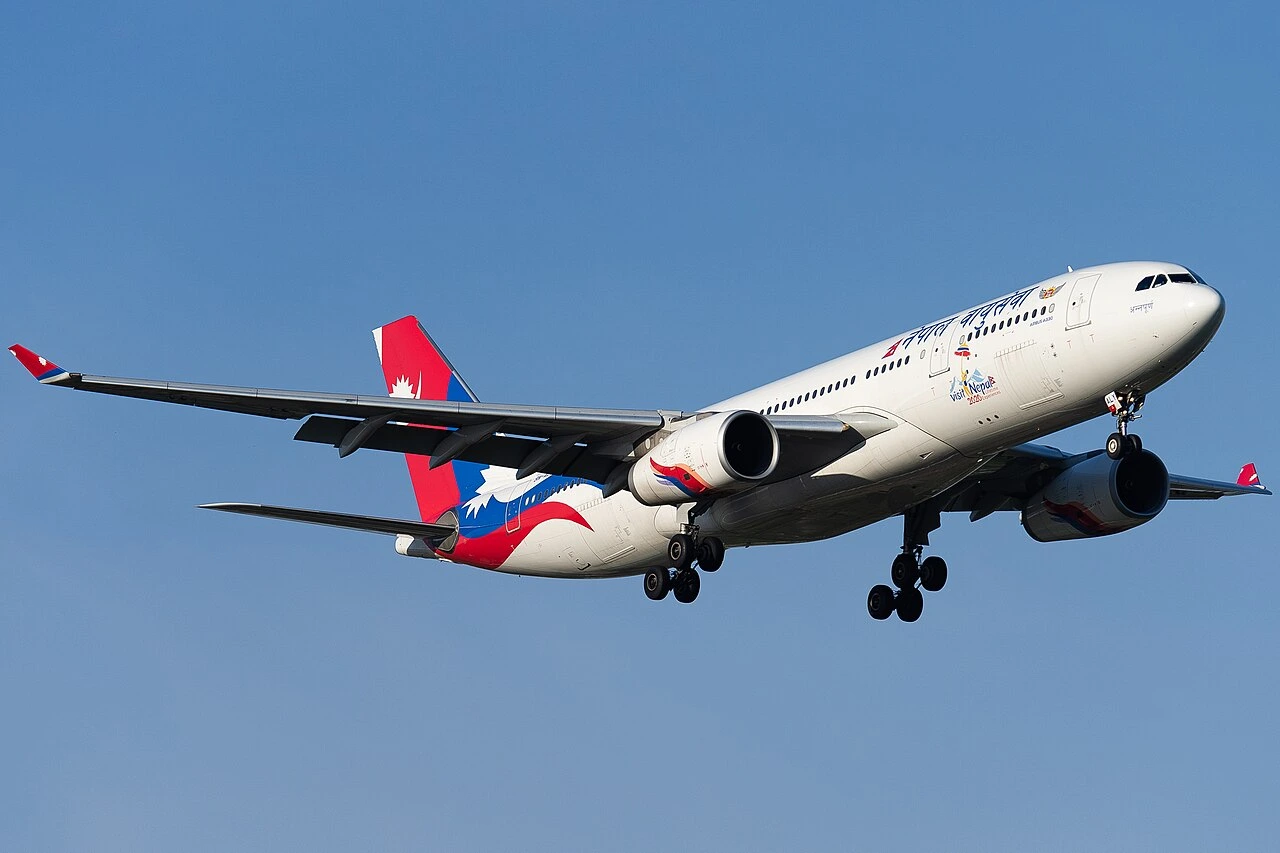
What the Grounded Fleet Costs Every Year the Annual Financial Drain
The financial drain does not stop at loan interest. Even while grounded, the aircraft require continuous upkeep. The Office of the Auditor General confirmed in its annual report that insurance, parking, engine maintenance, and manual revisions together cost Nepal Airlines nearly Rs 200 million annually:
- MA-60 aircraft — Rs 115 million per year
- Y-12E aircraft — Rs 85 million per year
- Annual loan interest — Rs 681 million
- Total annual burden — ~Rs 881 million, against zero revenue return
Inside Nepal Airlines, there is growing frustration. “We have been trying to sell or lease the aircraft since 2022, but no one — nationally or internationally — has shown an interest,” said a senior airline official on condition of anonymity. CH-Aviation reported in April 2025 that the five remaining aircraft are “visibly rotting” at Kathmandu.
How the Fleet Was Acquired a Decade Long Backstory
Timeline of the Chinese Aircraft Debacle
November 2011 — Technical teams from both Nepal and Bangladesh visited China to inspect the MA-60 and Y-12 aircraft. Bangladesh’s team concluded that they are “not suitable” and declines. Nevertheless, Nepal’s team recommended proceeding.
November 2012 — Nepal Airlines formalized a commercial agreement with Aviation Industry Corporation of China (AVIC) for six aircraft: two 56-seat MA-60s and four 17-seat Y-12Es. Total financing: 408 million yuan (~Rs 6.67 billion), comprising 180 million yuan in grants and 228 million yuan as a soft loan at 1.5% annual interest.
April–November 2014 — First MA-60 delivered April 27; first Y-12E on November 14, both as grants from China. At delivery, Nepal Airlines had no trained pilots qualified to fly the planes.
January–February 2017 — Nepal Airlines purchased a second MA-60 and a second Y-12E using soft loan financing.
February 2018 — Two further aircraft acquired, completing the six-unit fleet purchase.
March 28, 2020 — A Y-12E (9N-AKU) landed 60 metres short of the runway at Nepalgunj Airport and skid into nearby grassland. Five people on board were evacuated safely. Investigators cast doubt over the aircraft’s suitability for Nepal’s terrain.
June 29, 2020 — Nepal Airlines’ board decided to ground the entire Chinese fleet permanently. The seven-year loan grace period ended in March 2021.
September 2022 — Nepal Airlines issued a public notice seeking to lease the planes, extending the deadline after receiving no response. Not a single bidder came forward.
December 2024 — Executive Chairman Yubaraj Adhikari raises the issue with AVIC, proposing China take back the planes. AVIC declined, noting any sale requires Beijing’s approval.
2023 — An independent American appraisal valued the entire five-aircraft fleet at just Rs 220 million. Nepal Airlines set its own asking price at ~USD 19.6 million, creating a tenfold valuation gap.
April 2026 — A private party from Pakistan expresses interest in the Y-12E planes through diplomatic channels. Nepal’s Finance Secretary directs Nepal Airlines to explore returning aircraft to service — pushing the airline back to square one.
The Procurement Decision and Why It Is Considered Nepal’s Worst Aviation Choice
Nepal Airlines proceeded with the purchase despite red flags that were visible from the outset:
- The MA-60 lacked both FAA and EASA certification
- The Y-12E had no EASA approval
- In 2013, Myanmar grounded several MA-60s and Indonesia ordered special safety checks following multiple incidents within weeks of each other
Former Nepal Airlines board member Achyut Pahari was particularly blunt in his assessment of the procurement. Speaking to The Kathmandu Post in 2020, as Nepal Airlines prepared to permanently ground its Chinese-built fleet, Pahari alleged that the decision to acquire the aircraft had been driven by vested interests rather than operational requirements.
The Defense Mirror’s account quoted a retired Nepal Airlines official confirming that Bangladesh’s team “reported back to their government that the plane was not suitable for their country, but the Nepali experts said that it was fine for Nepal.”
Because the deal was conducted at the government-to-government level, Nepal’s anti-graft bodies have not pursued a formal probe, according to former officials.
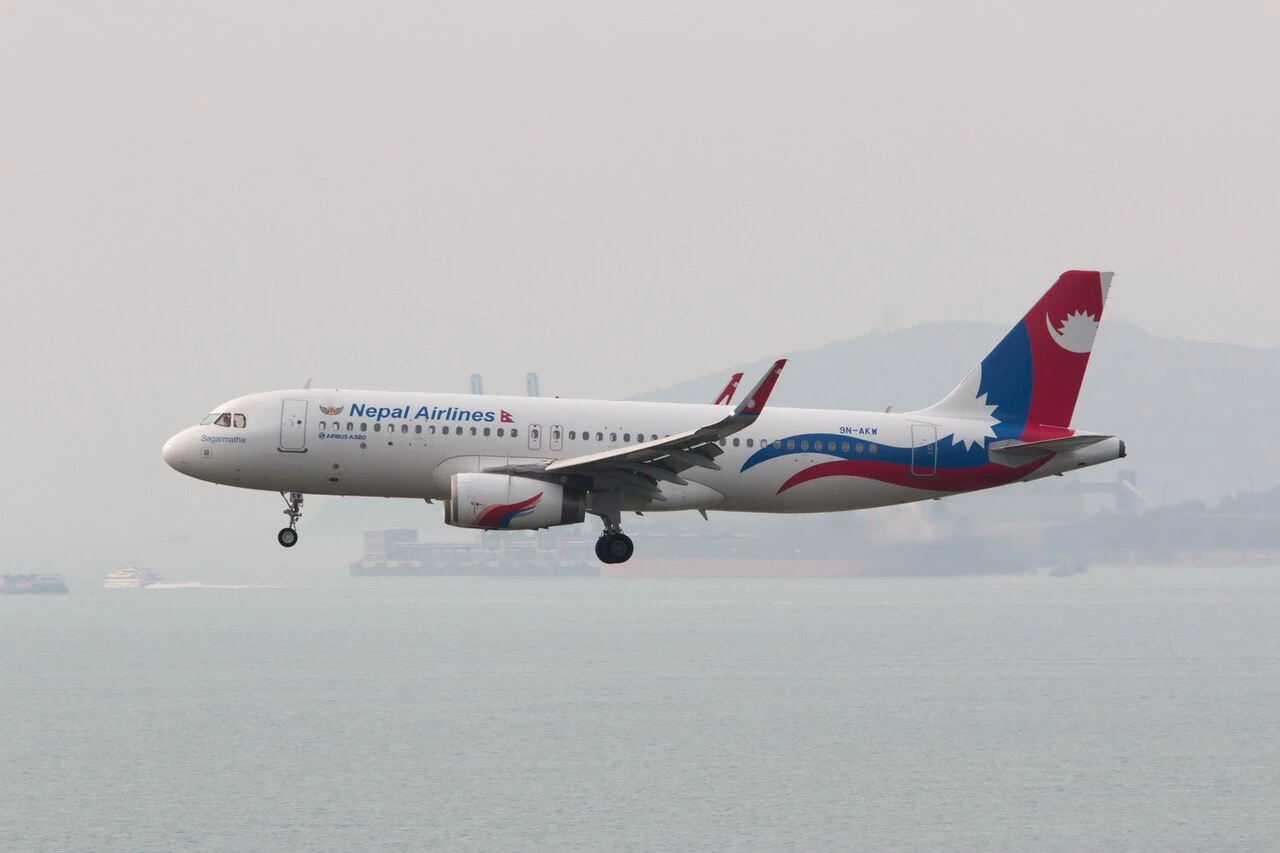
Nepal’s Diplomatic Deadlock with Beijing
AVIC representatives clarified in December 2024 that under the intergovernmental deal, the aircraft had first been transferred to the Chinese government before being handed over to Nepal Airlines — meaning any sale requires approval from Beijing. AVIC declined to take the planes back but offered to help identify potential operators.
A private party from Pakistan has now expressed willingness to purchase the smaller planes, formally approaching Nepal through diplomatic channels. However, any deal still hinges entirely on Beijing’s consent. “If the government seeks consent from Beijing, the sale could move forward,” said an official at the Tourism Ministry.
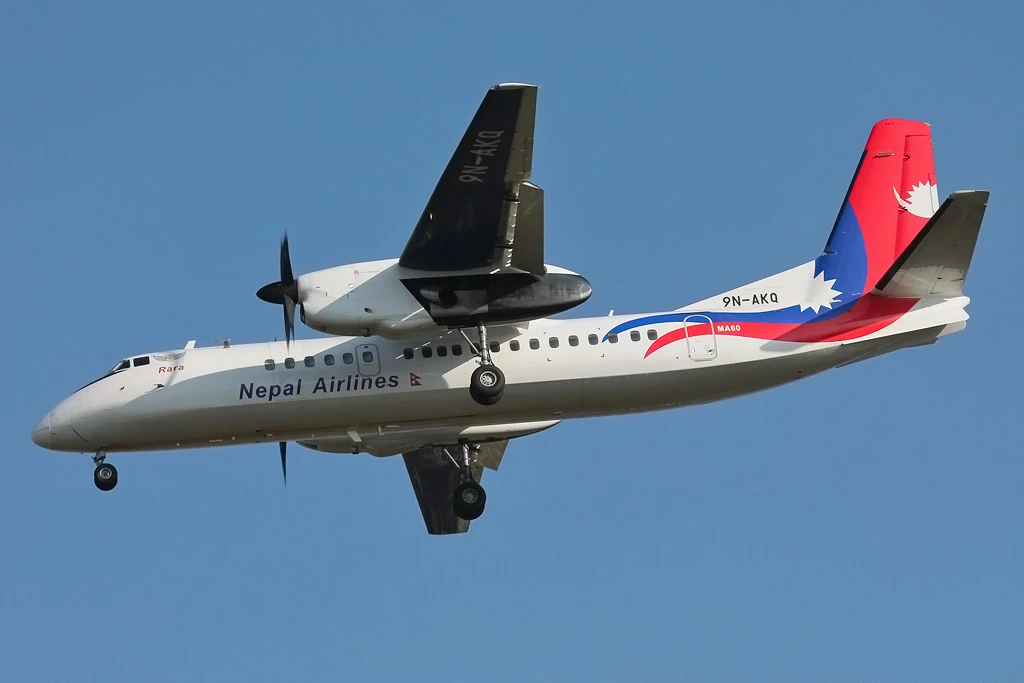
The Revival Cost Rs 2 billion and a Long Road of Repairs and Recovery
Reviving the fleet — the option now directed by Nepal’s Finance Secretary — would require:
- More than Rs 2 billion in investment
- Hiring instructor pilots (scarce domestically and internationally)
- Years of new captain training
- A reliable spare parts supply chain
Today, the Chinese aircraft remain where they have been for years — parked, unused, and steadily decaying. Around them, Nepal Airlines continues its struggle to stay afloat, burdened not only by debt but also by decisions made long ago whose consequences are still unfolding.
.jpg)

.jpg)
