Malaysia Airlines (MH) has reported that its Australia-bound services are operating at load factors exceeding 90% (as reported by Australian Aviation), hinting at the fact that despite the conflict in the Middle East that has led to Korean budget carriers to axe some of their routes, the carrier associated with the disappearance of MH 370 has seen sustained passenger demand across key long-haul leisure and business routes between Southeast Asia and Oceania in early 2026.
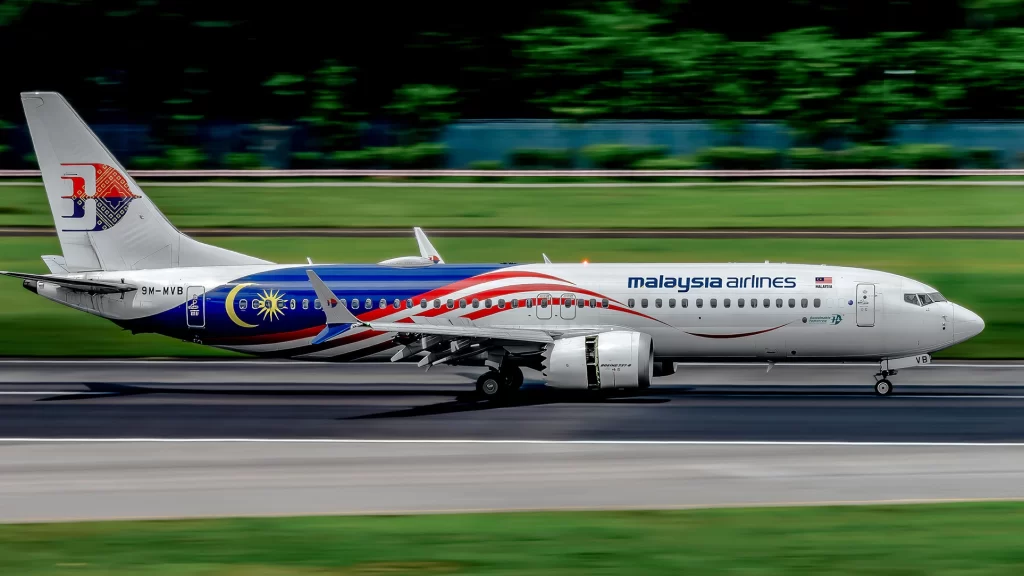
The disclosure, made by executives of parent Malaysia Aviation Group (MAG), highlights robust booking momentum on routes linking Kuala Lumpur with major Australian gateways, even as the global aviation sector grapples with fuel price volatility and geopolitical disruptions.
Malaysia Airlines Australia Routes See Load Factors Exceed 90%
Malaysia Airlines’ Australia network has emerged as one of its strongest-performing international segments, with load factors consistently surpassing 90% on several services. This performance reflects a convergence of pent-up leisure demand, diaspora travel, and strengthened trade linkages.
Key performance highlights include:
- Sustained high passenger loads across routes to Sydney, Melbourne, Perth, Adelaide, and Brisbane
- Near-full flights observed following route resumptions and frequency increases
- Strong inbound and outbound demand supporting both tourism and business travel
Around the end of last year, on its Kuala Lumpur–Brisbane route, the airline recorded load factors as high as 99% on return sectors.
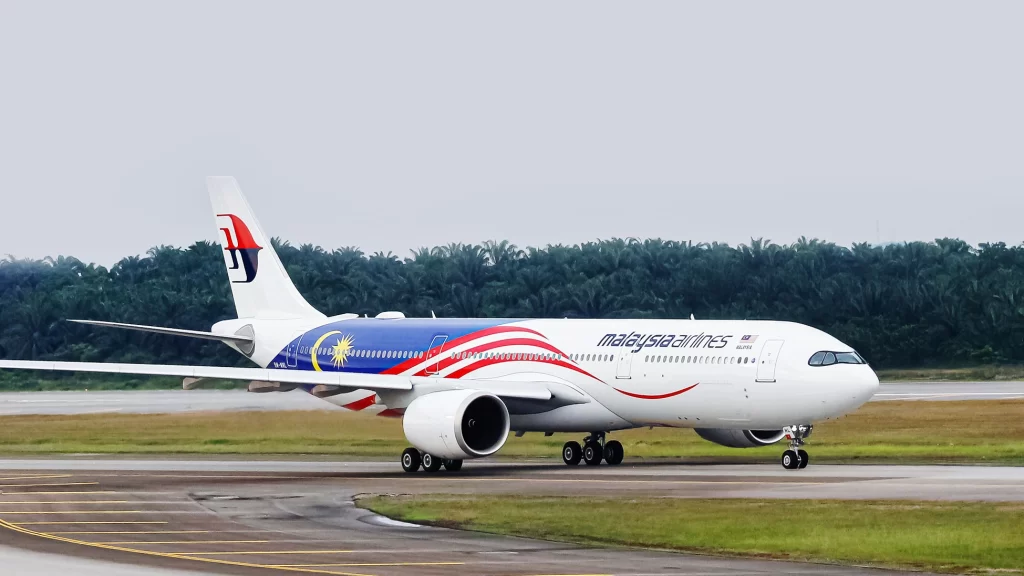
Malaysia Airlines’ Fleet Strategy Support its Growth in Australia
Malaysia Airlines has actively expanded capacity into Australia, leveraging favourable bilateral agreements and deploying newer-generation aircraft.
Strategic developments include:
- Introduction of Airbus A330neo aircraft on Australia routes, improving efficiency and passenger experience
- Addition of a third daily Kuala Lumpur–Sydney service, significantly boosting seat capacity
- Progressive fleet modernization aimed at operating one of the youngest wide-body fleets in Australasia

Photo: Mhashan | Wikimedia Commons

Malaysia Airlines has a fleet that comprises of ten Airbus A330neos, the details of which are below:
| Registration | Aircraft Type | Configuration | Delivery Date | Age |
|---|---|---|---|---|
| 9M-MNG | Airbus A330-900 | C28Y269 | Nov 2024 | 1.4 Years |
| 9M-MNH | Airbus A330-900 | C28Y269 | Feb 2025 | 1.2 Years |
| 9M-MNI | Airbus A330-900 | C28Y269 | Apr 2025 | 1 Years |
| 9M-MNJ | Airbus A330-900 | C28Y269 | Aug 2025 | 0.7 Years |
| 9M-MNK | Airbus A330-900 | C28Y269 | Jun 2025 | 0.9 Years |
| 9M-MNL | Airbus A330-900 | C28Y269 | Aug 2025 | 0.7 Years |
| 9M-MNM | Airbus A330-900 | C28Y269 | Sep 2025 | 0.6 Years |
| 9M-MNN | Airbus A330-900 | C28Y269 | Nov 2025 | 0.5 Years |
| 9M-MNO | Airbus A330-900 | C28Y269 | Dec 2025 | 0.3 Years |
| 9M-MNP | Airbus A330-900 | C28Y269 | Mar 2026 | 0.2 Years |
| 9M-MNQ | Airbus A330-900 | C28Y269 | On Order | |
| 9M-MNR | Airbus A330-900 | C28Y269 | On Order |
Data: Planespotters
The airline plans to have 20 next-generation aircraft in service by 2028. As part of this strategy, it intends to operate all flights to Australia using A330neos, replacing its current mix of A330neo and older A330-300 aircraft. This move aligns with MAG’s plans to boost its Brisbane services to six weekly flights from June, increasing to daily operations from October.

Malaysia’s Demand Resilience Despite Global Aviation Headwinds
The strong performance of Australia routes comes amid broader industry challenges; particularly rising jet fuel costs linked to geopolitical tensions in the Middle East- something that has led to United Airlines (UA) upping the check-in baggage fees.
According to a report by Reuters, MAG CEO Nasaruddin A. Bakar noted:
“Travel demand remained strong, particularly… on routes to Australia, New Zealand and Britain.”
However, the same report cautioned that:
- Fuel price volatility could impact profitability
- Airlines may need to adjust fares or capacity
- Prolonged geopolitical instability could dampen demand
“Nasaruddin said MAG’s airlines, which also include low-cost carrier Firefly, were actively reviewing and adjusting fares. He said the company estimated a 50 million ringgit financial impact for every $1 increase in oil prices. MAG has hedged about 36% of its fuel requirements for the year and is targeting an increase to 50% in the second quarter…”
.jpg)
All in All
Malaysia Airlines’ performance on Australia routes illustrates a broader structural shift in global aviation demand, where long-haul leisure and hybrid business travel have rebounded faster than anticipated.
While macroeconomic and geopolitical risks persist, the airline’s ability to sustain high load factors signals both network resilience and effective capacity deployment in a volatile operating environment.