South Korean President Lee Jae-myung has clashed with the head of Incheon International Airport Corporation (ICN) over whether passengers’ books should be manually checked for cash allegedly hidden between their pages.
What began on December 12, 2025 during a Ministry of Land, Infrastructure and Transport briefing held at the Sejong Convention Center has since evolved into a highly publicized clash over operational security, legal jurisdiction, and executive authority.
The president’s proposal to manually search passenger luggage for cash hidden within books has raised questions about how such a measure could be implemented without severely disrupting airport operations.
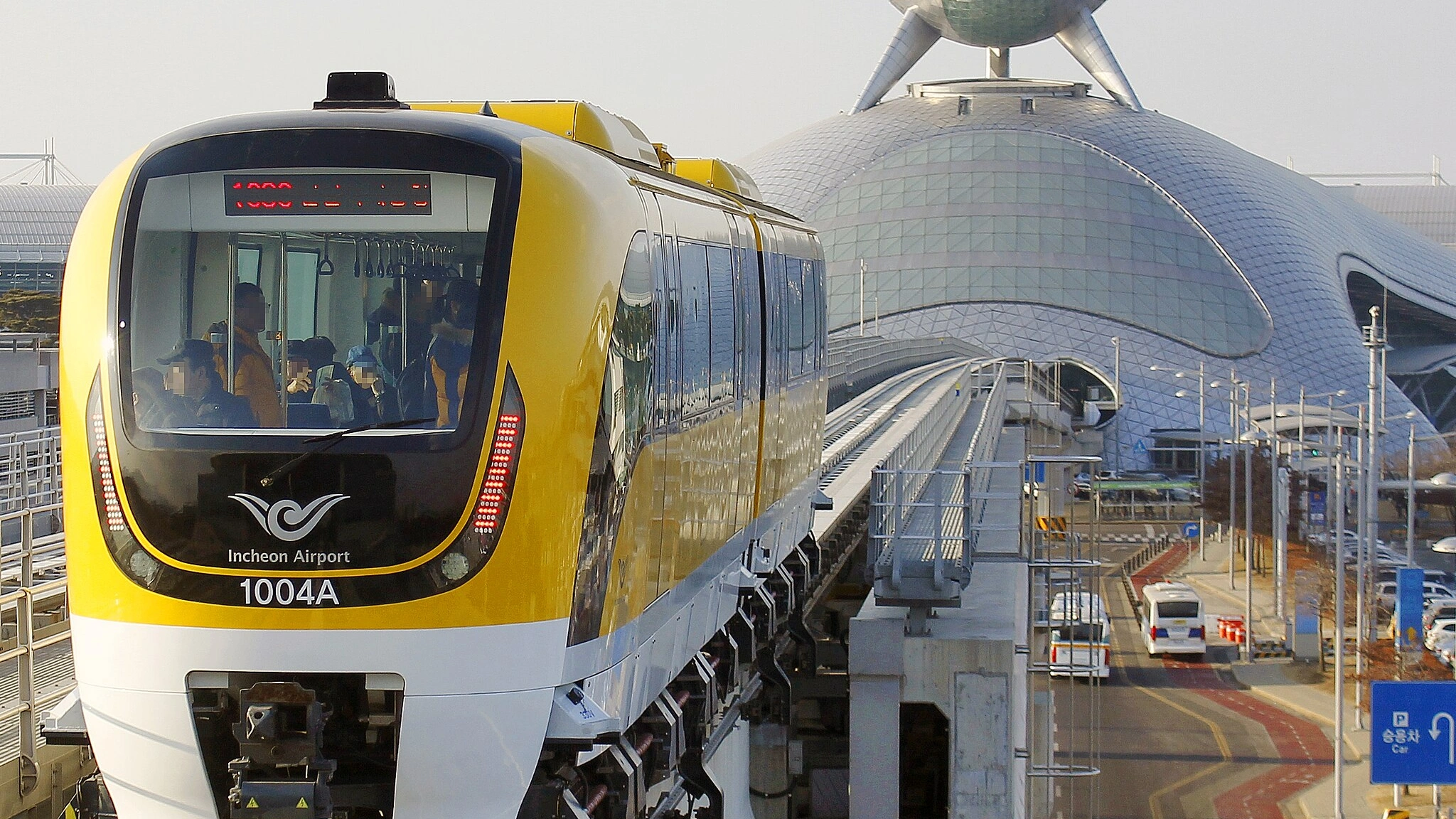
The controversy erupted when President Lee pressed Lee Hak-jae, the head of Incheon International Airport Corporation, about the possibility that cash could be surreptitiously moved in books and evade detection at security checkpoints.
The president directed a search protocol that would require security personnel to inspect every single piece of baggage manually, including any books passengers carry.
In response, Lee Hak-jae publicly rebutted the suggestion, stating that the airport’s standard security procedures focus on hazardous items such as weapons and liquids, and that illegal foreign currency smuggling is typically referred to customs for handling rather than the airport’s own inspection units.
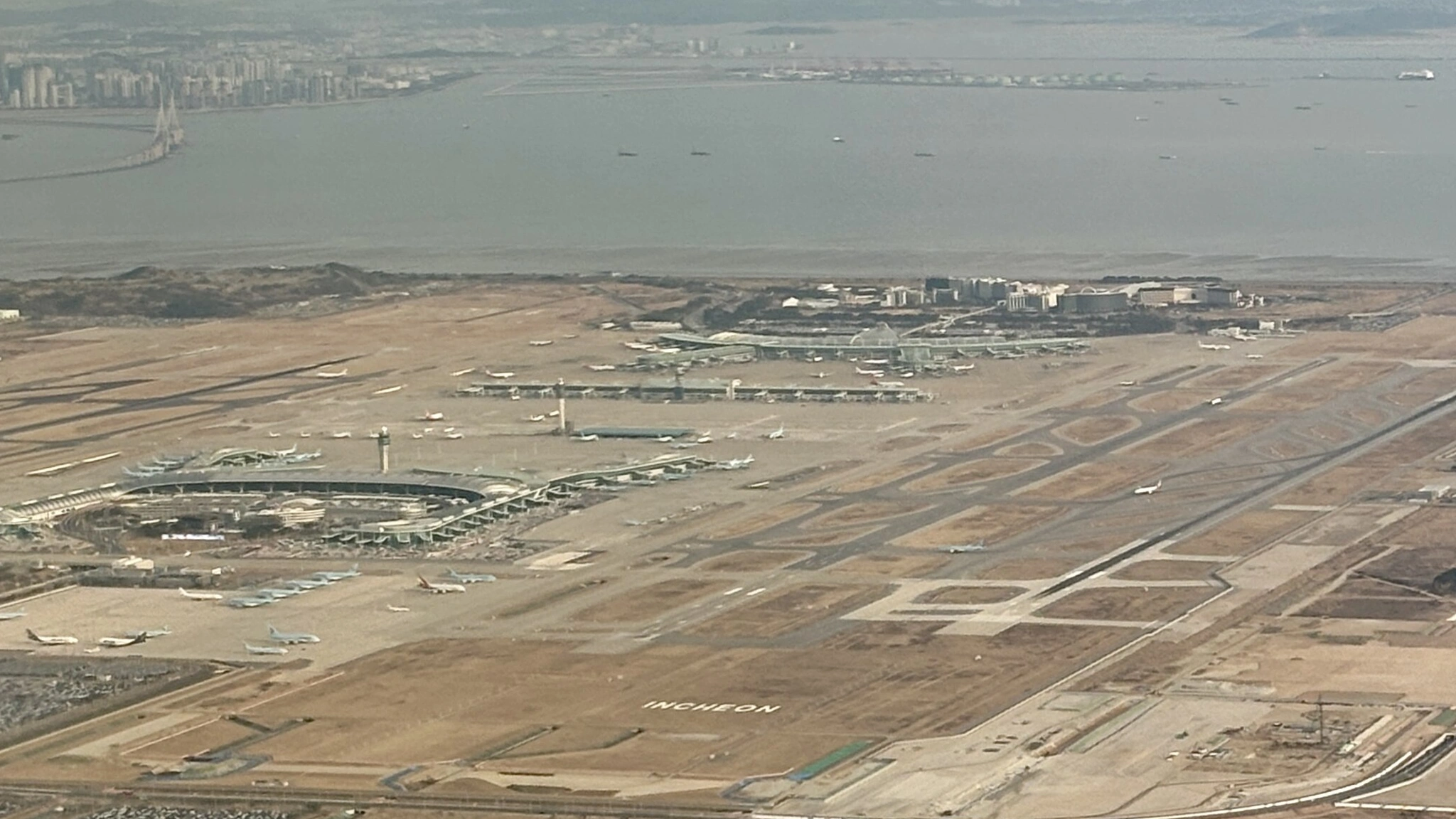
He also warned that 100 percent manual baggage searches would “paralyze” operations at ICN and was quoted in The Chosun Daily as having said:
“Even Incheon Corporation employees who have worked at Incheon Airport for 30 years are unaware of this content……The president’s remarks made this known, and if we implement the 100% baggage opening inspection solution proposed by the president to prevent this, the airport will be paralyzed.”
Further, the Incheon Airport leadership stressed that such concealment methods are not part of routine threat vectors and that such searches exceed the mandate of airport security:
“Illegal foreign currency smuggling falls under customs’ jurisdiction, while Incheon Airport Corporation’s inspection duties involve hazardous items such as knives, awls, firearms, lighters, and liquids. Incheon Airport hands over any discovered illegal foreign currency smuggling to customs during hazardous item inspections.”
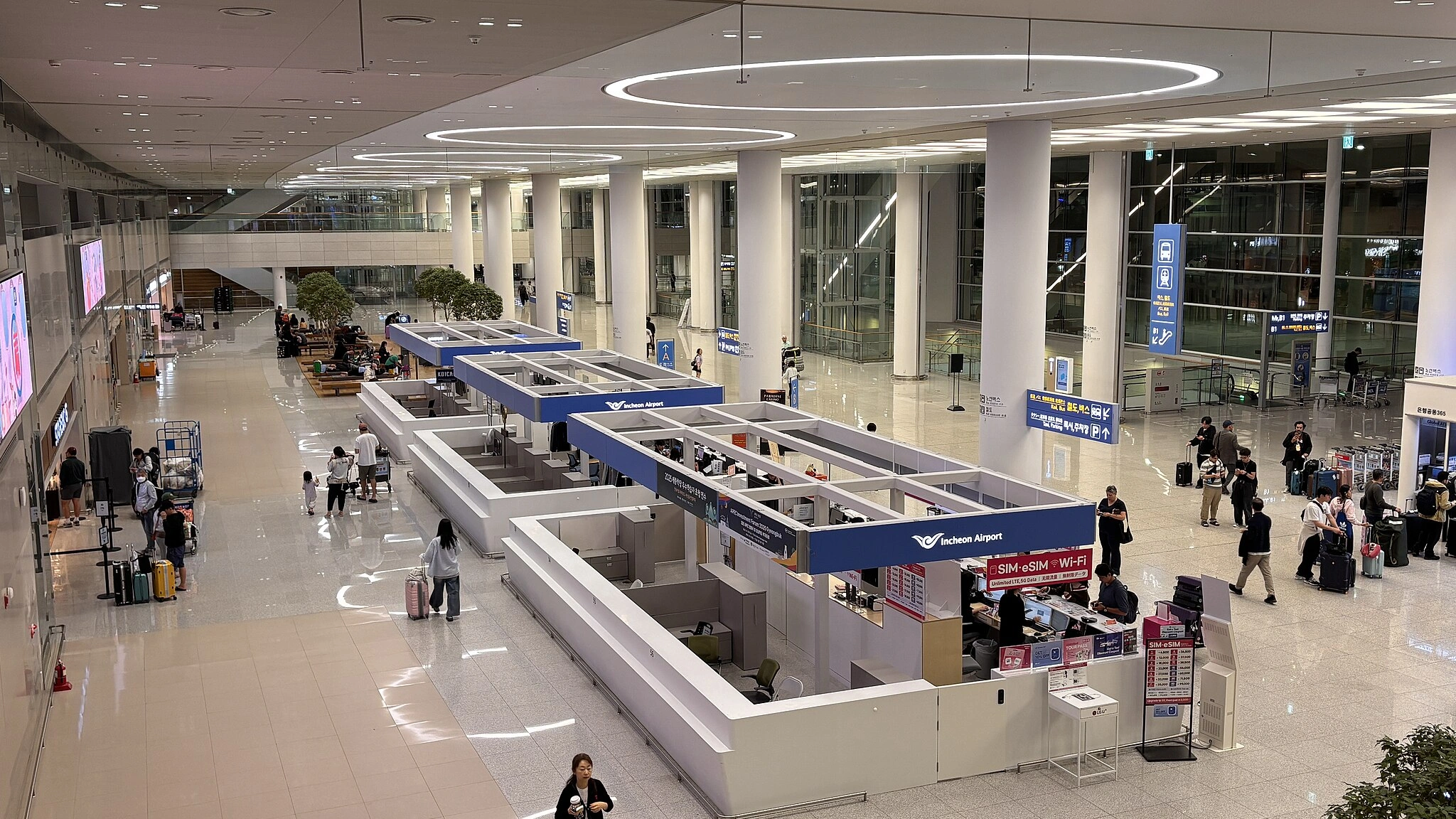
South Korean Law on Foreign Currency
Under South Korean law, citizens and residents may not export more than $10,000 USD in cash without declaration. Any attempt to remove undeclared currency above statutory limits would fall under customs enforcement, not airport security inspection protocols per se.
In this controversy, critics argue that the president’s proposed manual checks conflate customs enforcement with airport security functions, creating jurisdictional ambiguity with limited legal basis in South Korean aviation law and existing international norms.
Travel industry commentator Ben Schlappig also argued that requiring every bag to be manually searched would be impractical and could effectively bring the airport’s operations to a halt.
One should also keep in mind the key legal divisions in this case:
-
Airport security screening: Focus on threats to aviation safety.
-
Customs enforcement: Handler of undeclared currency issues.
The proposed directive, according to aviation and legal experts, could conflict with established procedural segregation between security screening and customs functions unless new statutory authority is granted.
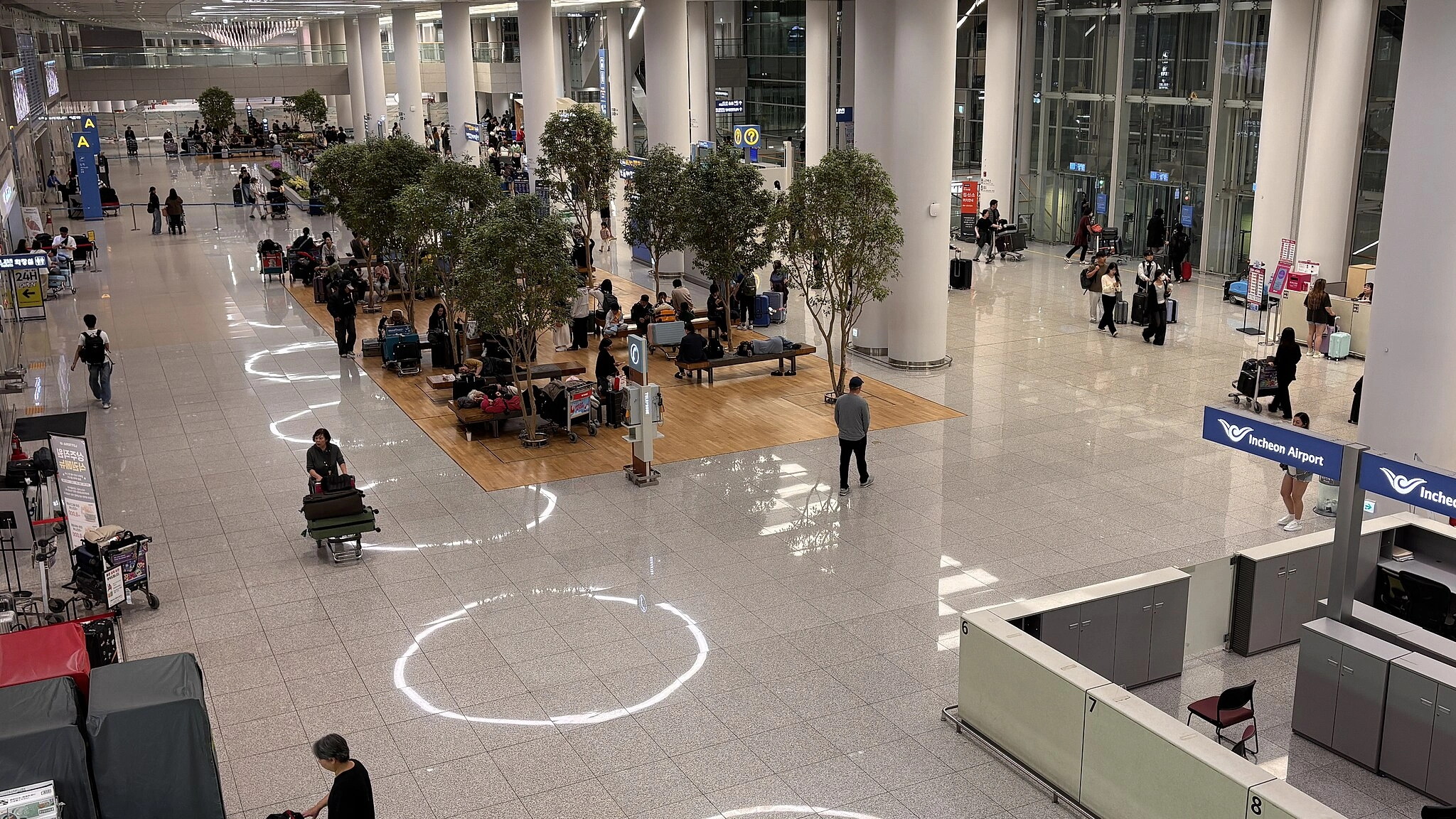
Some opposition figures have noted that the president’s specific phrasing echoed language used in a separate, unrelated 2019 case involving illegal currency transfers to North Korea — a connection Lee’s office has not addressed.
During the briefing, President Lee pressed Lee Hak-jae on two specific points: whether passengers could carry more than $10,000 in cash undetected, and whether $100 bills concealed inside books could be identified during screening. The exchange, livestreamed as part of a Ministry of Land, Infrastructure and Transport policy briefing, was one of two such confrontations Lee had with state-agency heads that day.
The Korea Times editorial board criticized the president’s approach, writing that his “motives for publicly humiliating them in front of Cabinet ministers… remain unclear,” and warning that repeating such confrontations would achieve little.
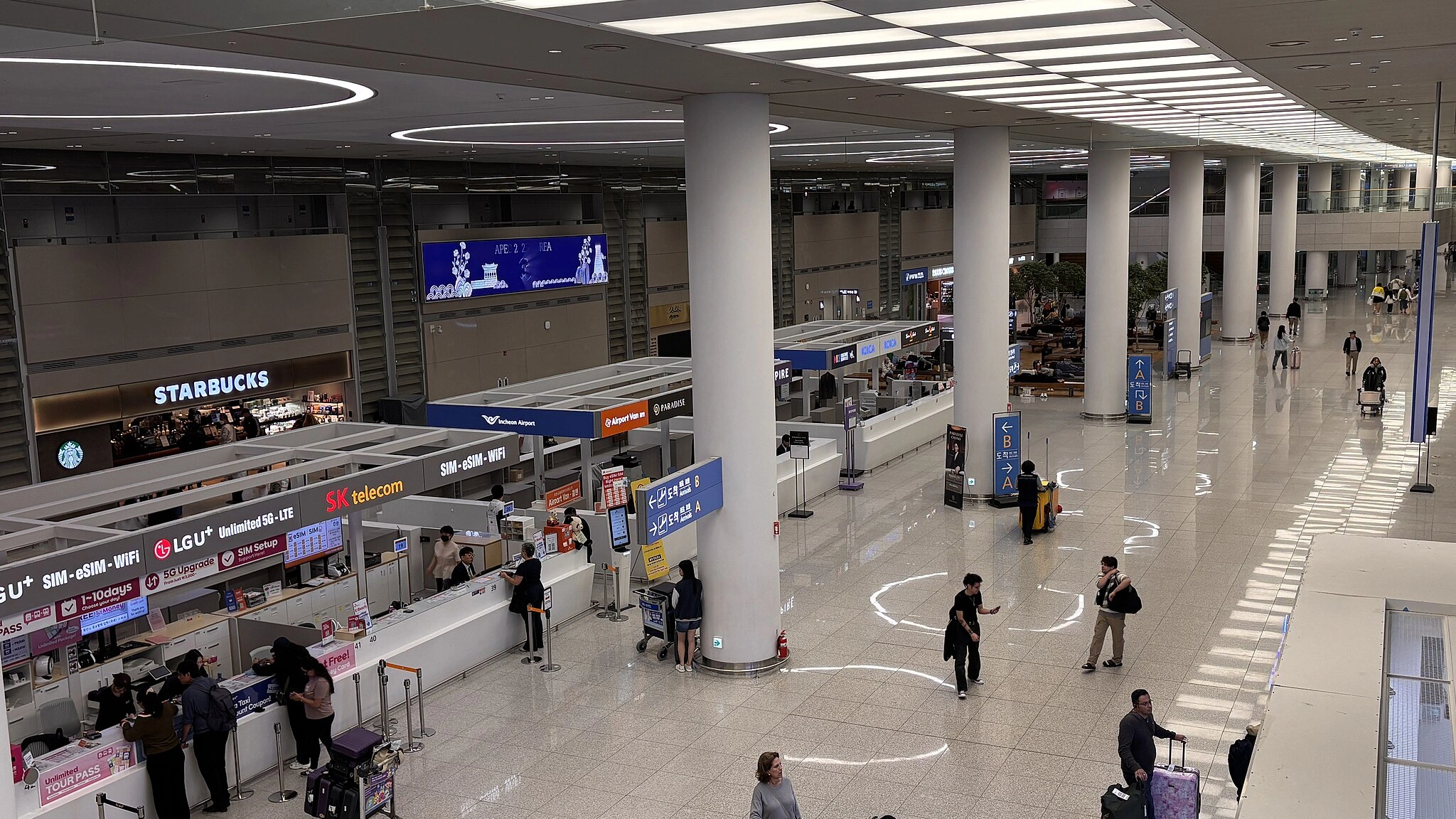
Potential Impact on Passengers and Operations
Should the airport be directed to implement universal manual searches of all passenger baggage, expert assessments indicate significant ramifications:
-
Severe bottlenecks at security checkpoints with extended wait times.
-
Delay cascades affecting flights across Asia, Europe, and North America.
-
Operational resource strain, requiring many more security personnel.
Incheon International Airport routinely handles millions of passengers annually, and its current security screening model is calibrated for throughput efficiency under existing protocols.
Airport leaders have explicitly warned that 100 percent manual inspections would be incompatible with current staffing and throughput capacity, effectively freezing passenger flows and compromising service standards.
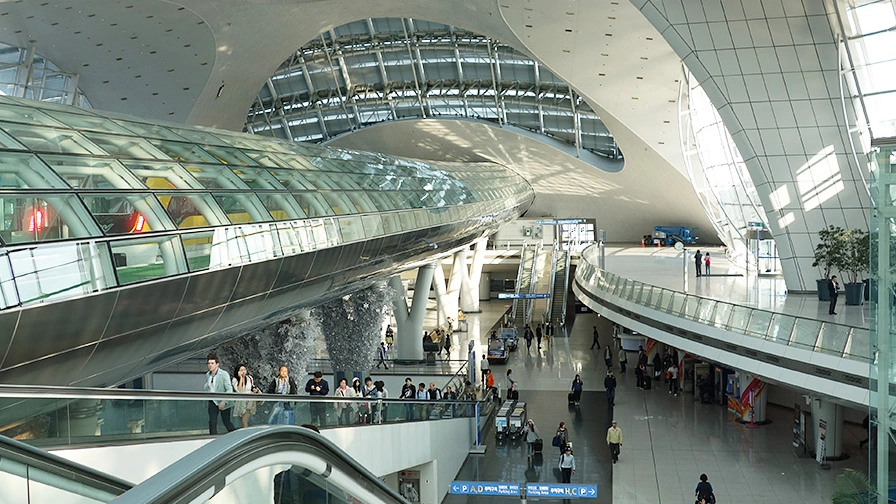
What Happens Next
The dispute at Incheon International Airport highlights the difficult balance between strengthening customs enforcement and maintaining efficient passenger screening at one of South Korea’s most important aviation hubs.
While President Lee Jae-myung has raised concerns about the possibility of cash being concealed inside books, Incheon Airport Corporation has warned that manually opening every passenger bag would place significant pressure on airport operations and could create severe delays.
For now, it remains unclear whether the president’s comments will result in any changes to existing baggage-screening procedures. Any such move would need to address both the practical demands of handling millions of passengers and the division of responsibilities between airport security and customs authorities.
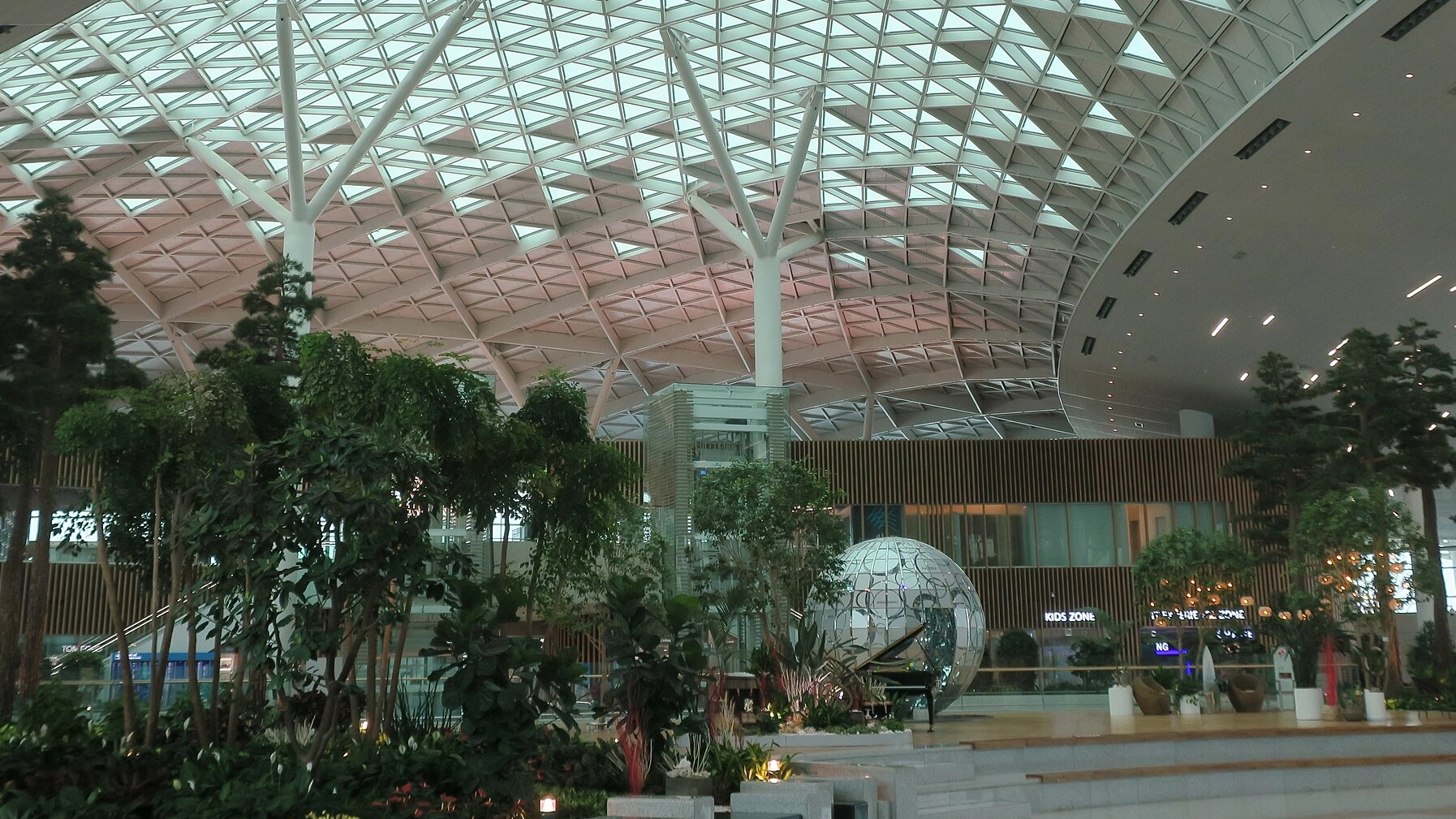
Photo: Terrazzo | Wikimedia Commons


.jpg)