
On January 27, 2026, India’s largest airline, IndiGo (6E) — formally announced the cancellation of its scheduled flights to and from Tbilisi (TBS), Georgia; Almaty (ALA), Kazakhstan; Baku (GYD), Azerbaijan; and Tashkent (TAS), Uzbekistan, effective until February 11, 2026. IndiGo, India’s largest airline is the latest addition in the list of carriers who have decided not to operate over Iranian airspace follows escalating geopolitical tensions and evolving developments in and around Iran, which have prompted significant aviation safety concerns and operational reconsiderations.
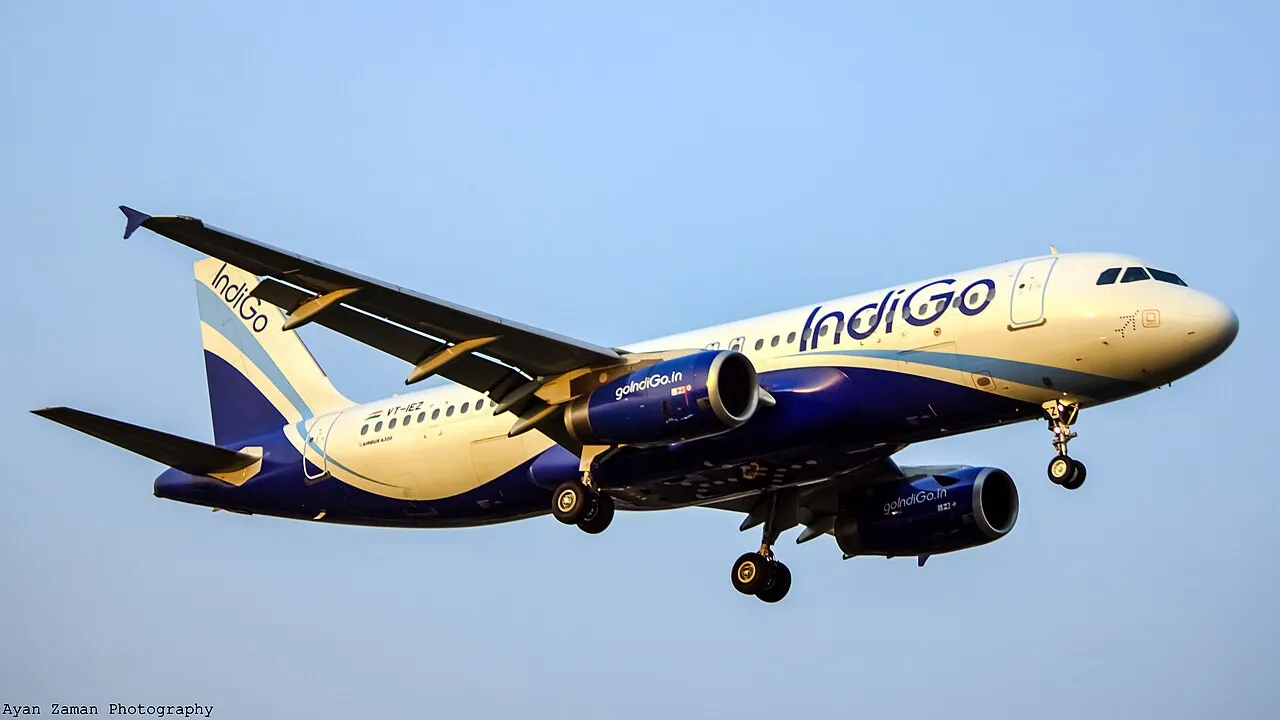

Airline Overview: Indigo (6E)
| Attribute | Details |
|---|---|
| Airline Name | IndiGo |
| IATA Code | 6E |
| Headquarters | Gurugram, Haryana, India |
| Fleet Type | Airbus A320 family (primarily) |
| Main Hubs | Indira Gandhi International Airport (DEL), Delhi; Chhatrapati Shivaji Maharaj International Airport (BOM), Mumbai |
| Established | 2006 |
| Market Position | India’s largest passenger airline by market share |
Why Airlines Are Canceling Flights Over Israel and Iran: KLM, Lufthansa Updates
Rationale Behind IndiGo’s Cancellations: Airspace and Safety Concerns
IndiGo’s cancellation announcement explicitly cited evolving developments around Iran as the catalyst for suspending flights to the aforementioned cities until at least February 11, 2026. The carrier stressed that customer and crew safety remains its highest priority, leading to a ‘cautious and proactive’ approach in revising flight schedules.
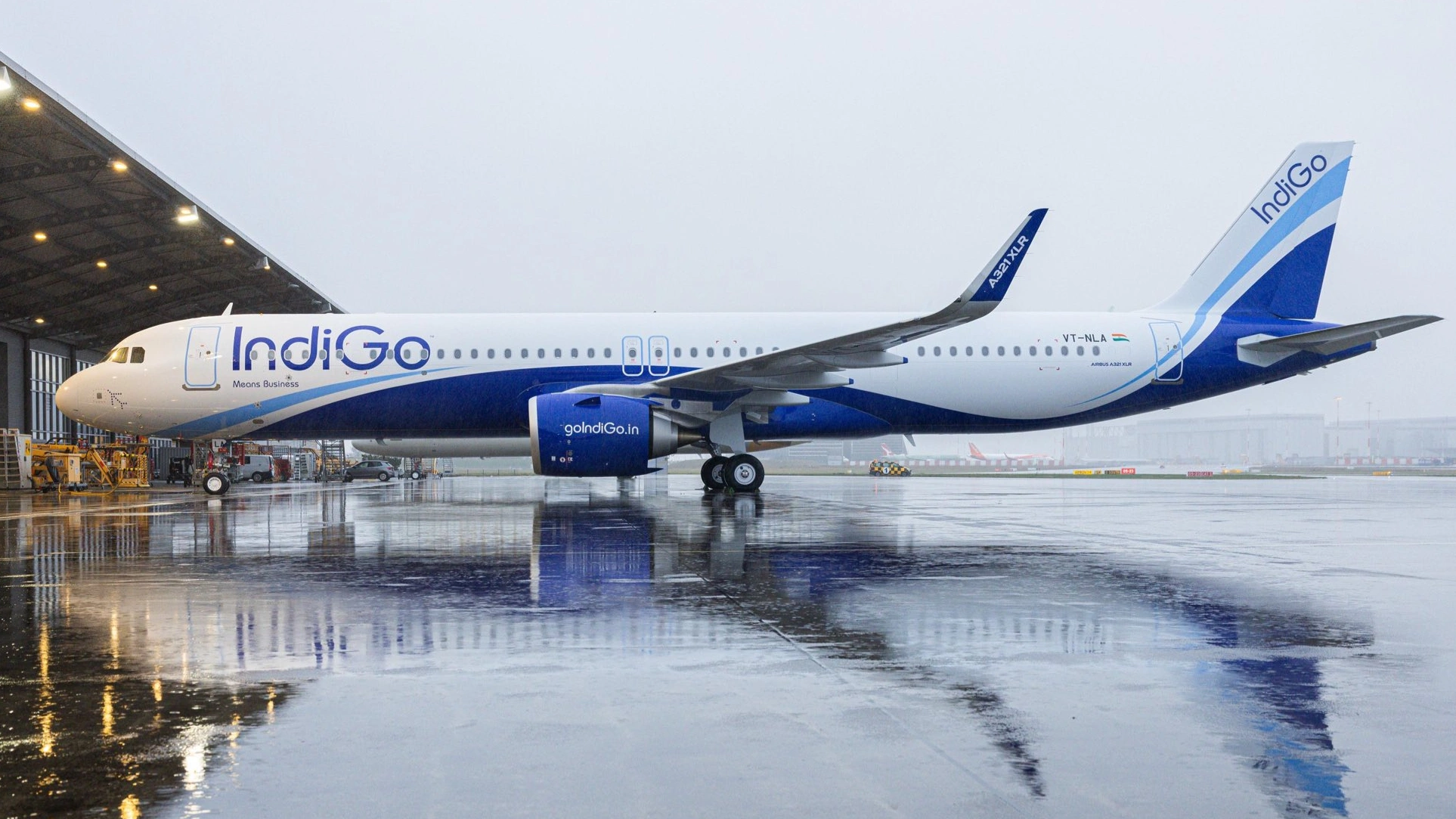
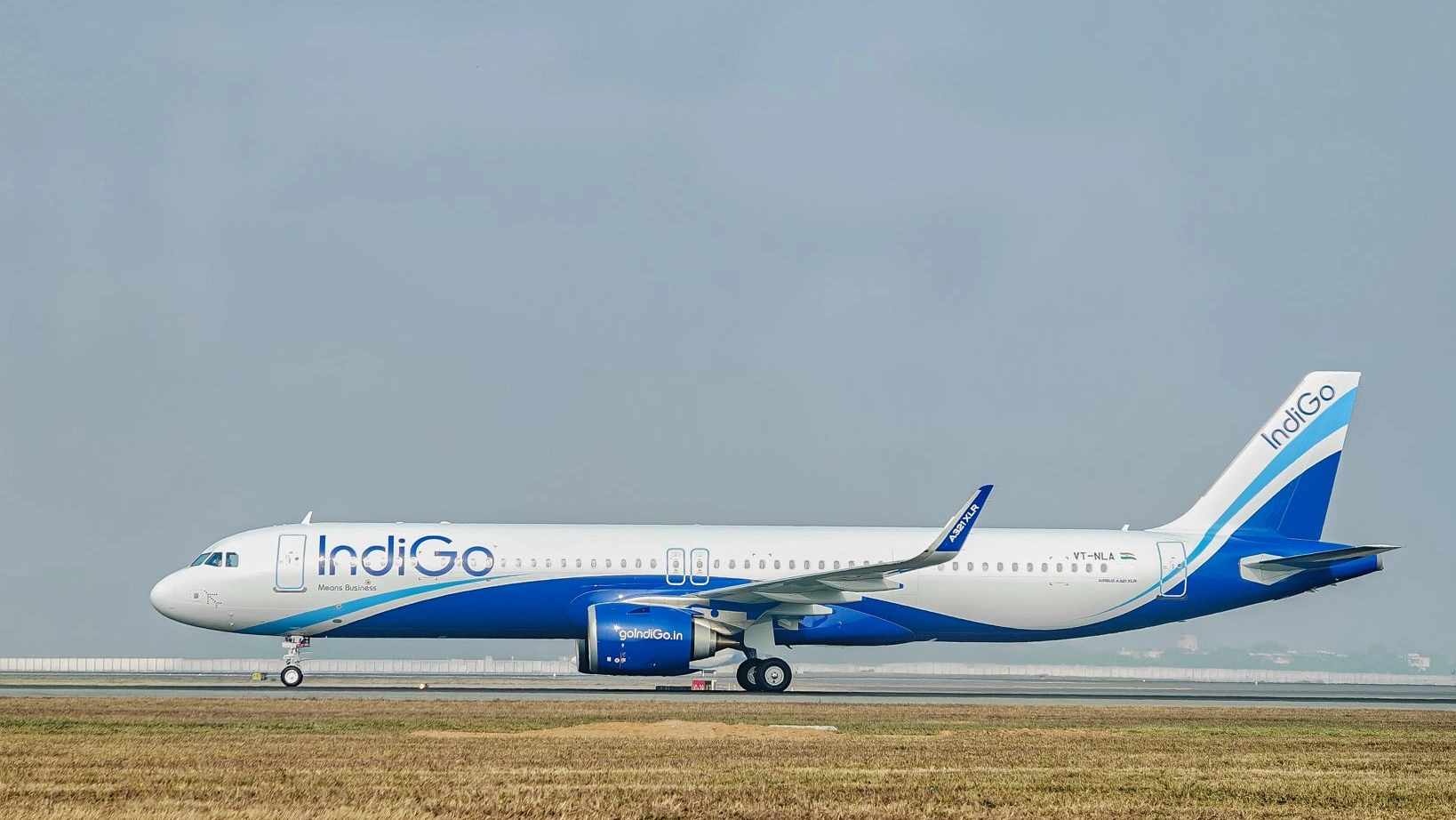
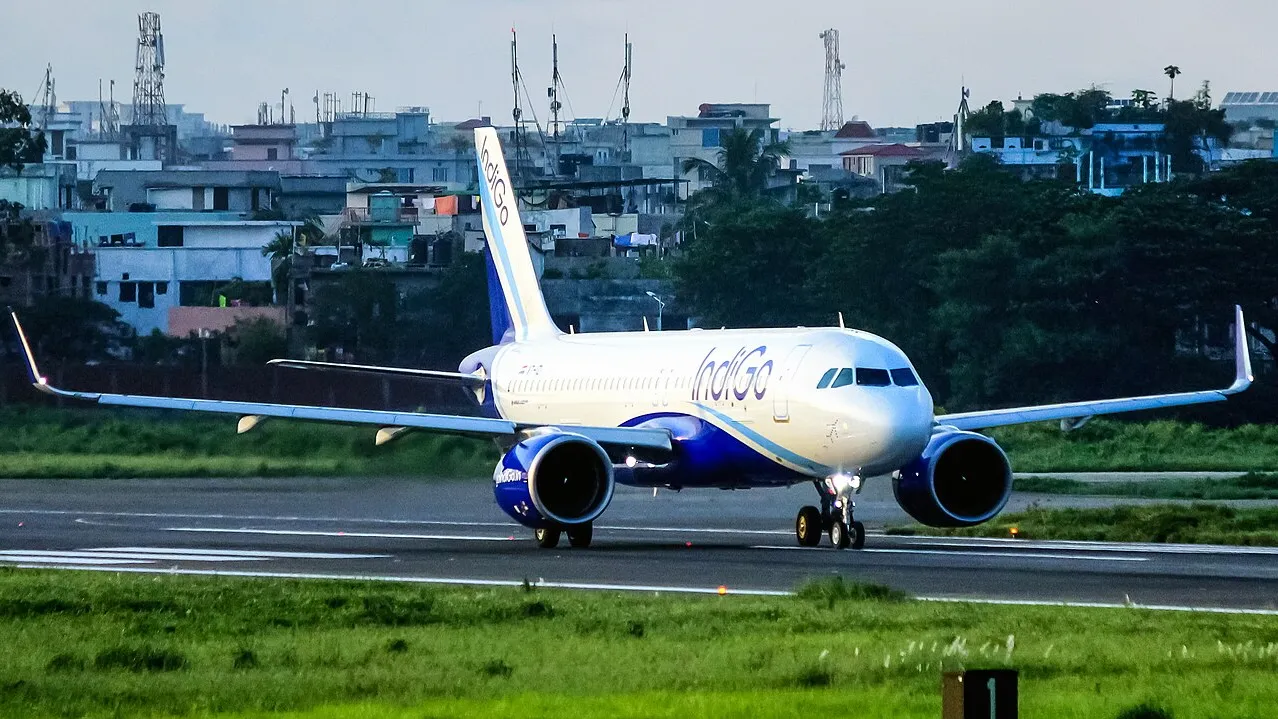
Routes to the affected destinations normally traverse Iranian airspace, which has become increasingly volatile due to broader Middle Eastern tensions involving Iran and external actors. Because these services utilize A320neo family aircraft, which lack the additional range and fuel reserves needed for significantly longer routings, alternate paths that avoid restricted airspace are not operationally viable without compromising safety or efficiency.

Geopolitical and Airspace Context: Iran Tensions and Aviation Safety
The cancellations come against the backdrop of broader aviation risk advisories and airspace restrictions linked to heightened tensions in and around Iran. During the Israel-Palestine conflict, the Ben Gurion airport was shut down too.
In mid‑January 2026, the European Union Aviation Safety Agency (EASA) issued a Conflict Zone Information Bulletin (CZIB) to “share information which is considered necessary to ensure the safety of flights over zones of interest and indicate areas of high risk.”
Regulatory and risk guidance highlights:
-
Operators are advised not to operate within the Tehran Flight Information Region (OIIX) given potential threats to civilian aircraft.
-
Civil aviation regulators globally have emphasized heightened caution and the need for contingency flight planning to mitigate uncertain conditions.
Given the overall elevated tensions, Iran is expected to maintain a high state of readiness across its air force and air defense units nationwide.
EASA also notes that should a U.S. intervention occur, the risk of retaliatory measures against U.S. assets in the region cannot be ruled out. Such developments could introduce additional hazards to the airspace of neighbouring countries where U.S. military bases are located.
.jpg)
EASA recommendations to air operators
| Recommendation area | Paraphrased guidance |
|---|---|
| Iranian airspace | Air operators are advised not to conduct operations within Iranian airspace, FIR Tehran (OIIX), at any altitude or flight level |
| Neighbouring regions | Operators should apply caution and establish contingency plans when operating in or routing through nearby airspace, particularly in areas hosting U.S. military bases |
| Situational awareness | Airlines should closely track regional airspace developments and comply with all relevant aeronautical publications, including information shared through the European Information Sharing and Cooperation Platform on Conflict Zones, as well as guidance from national authorities |

China Cancels 49 Routes to Japan: Impact on Tourism, Airlines, and Passengers
Flight Details of IndiGo’s Cancelations: An Operational Advantage to Competitors?
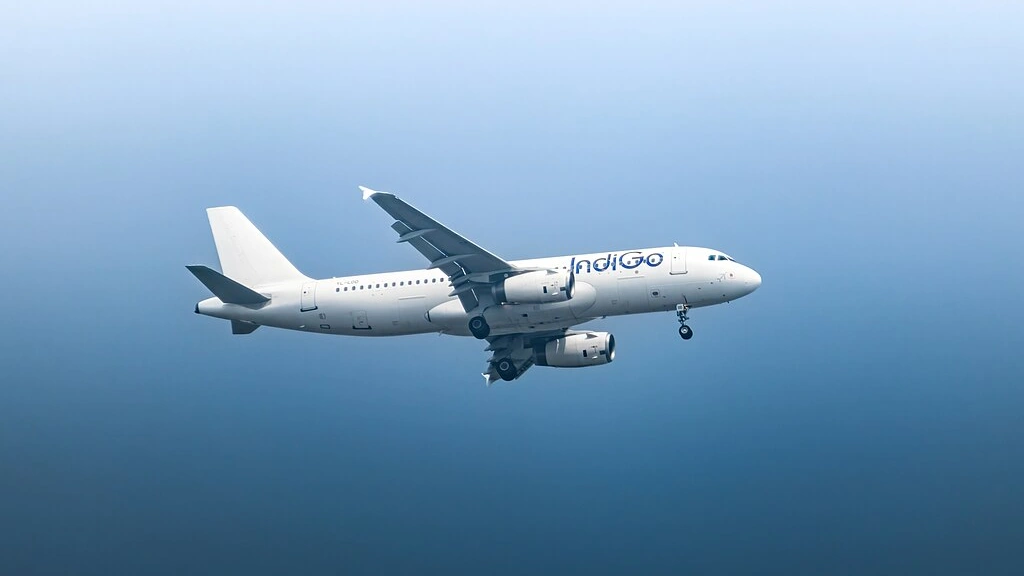
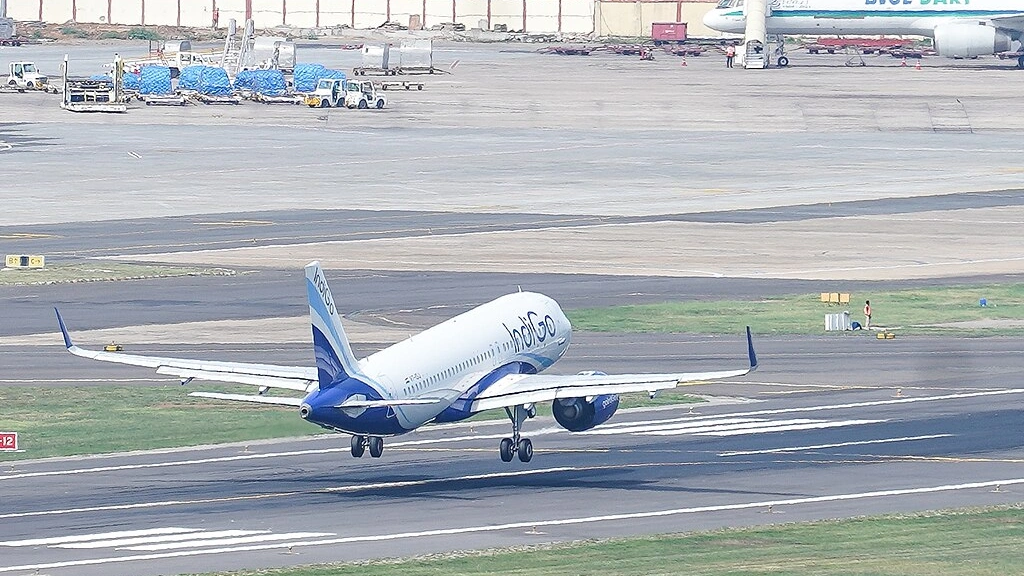
IndiGo operates its A320neo on flights to Tashkent out of Mumbai. IndiGo has a total of 172 aircraft of this type in its fleet, and data from planespotters.net suggests that these are 4.6 years old. The same source reveals that Indigo’s A320 has 180 economy seats but Seat maps says that the newly delivered aircraft are equipped with 186 lightweight Recaro BL3710 seats.
Although the seats do not include in-seat power outlets, they offer a limited recline, measured at three inches. Standard seat pitch across most of the cabin ranges between 28 and 29 inches, while seat width is approximately 18 inches, resulting in a relatively compact seating environment. Passengers taller than 183 centimetres (6 feet) are therefore advised to opt for the XL seats, located in the first row and at the overwing emergency exits, which provide increased legroom.