
New Delhi has approved a sweeping ₹2.38 lakh crore (≈ $25 billion) defence procurement package — one of the largest in recent years — designed to rapidly modernise India’s military capabilities and strengthen its aerial defence and strike capacities, Reuters reported. The approvals were granted by the Defence Acquisition Council (DAC) under Defence Minister Rajnath Singh on March 27, 2026.
This multi‑billion‑dollar push reflects New Delhi’s prioritization of airpower and integrated air defense amid heightened geopolitical tensions along around the world, most notably the conflict between US and Israel against Iran (which has already led to downing of USAF’s F-15 and A-10, Etihad offering 50% discount in its fares, just to name a couple).
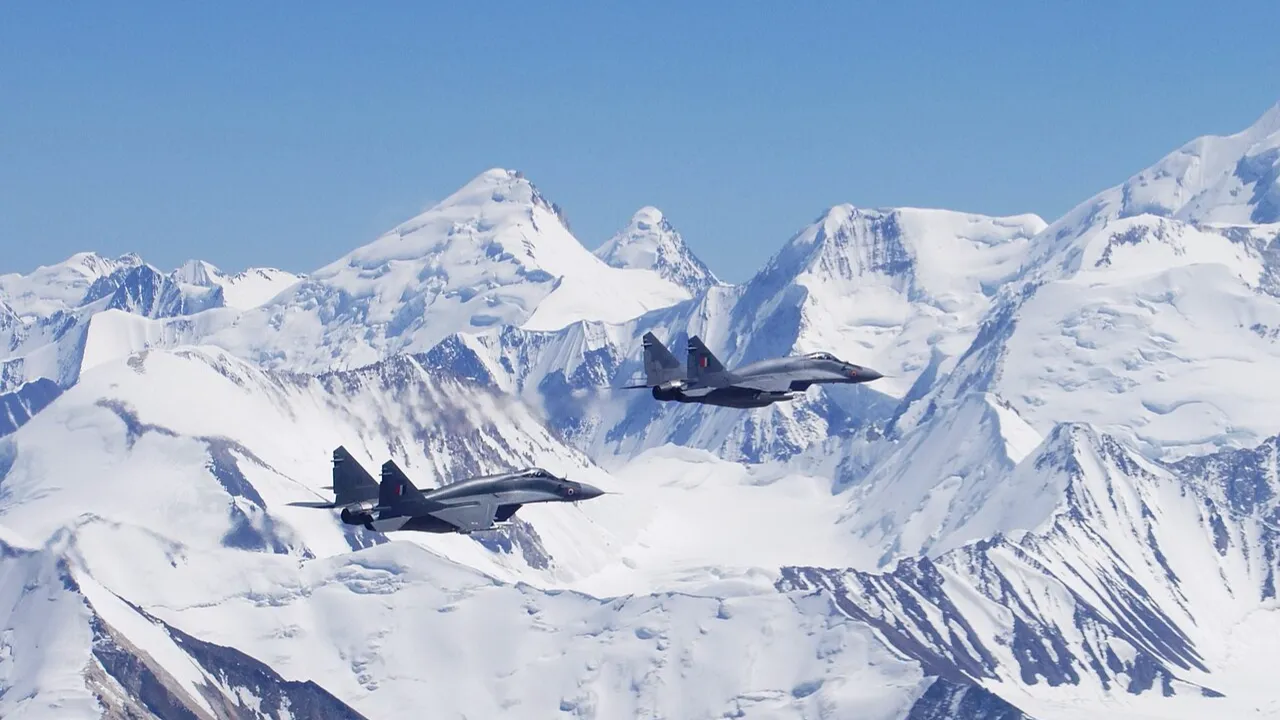
India’s Long‑Range Shield Gets Larger with
S‑400 Air Defence Expansion
At the core of the package is the approved purchase of five additional Russian S‑400 Triumf long‑range air‑defence systems.
India had previously signed a $5.43 billion contract with Russia in 2018 for five S‑400 units — three of which are already deployed along India’s northern and western frontiers, with two more expected this year.
The new order will bring the total to 10 S‑400 batteries, vastly expanding India’s long‑range aerial coverage against hostile aircraft, missiles and unmanned threats.
Military analysts highlight the S‑400’s importance in creating a layered air defence umbrella, especially given rapid advancements in missile and drone technology globally.
A fellow in the Security Studies program at Carnegie India, Dinakar Peri, was quoted in Defense News to have said that the introduction of the S-400s will “widen the perimeter of its (India’s) air defense”.
India’s latest procurement approvals come on the heels of a series of major defence decisions, including a $40 billion contract for 114 Rafale fighter jets and advanced surveillance aircraft announced earlier in 2026.
India Will Procure 60 Drones
Another major component is the clearance to procure 60 remotely piloted strike aircraft (RPSA) — essentially advanced combat drones that can conduct precision strikes without risking pilots.
Official reports indicate this includes four squadrons of such platforms, with around 20 aircraft per squadron slated for integration into the Indian Air Force (IAF).
These drones, part of India’s broader shift toward unmanned warfare, are expected to enhance India’s ability to conduct offensive counter‑air operations, coordinated strikes, and intelligence, surveillance and reconnaissance (ISR) missions — functions increasingly central to modern conflict, said Peri:
“There is a fundamental shift in warfare. While you have your frontline platforms such as bombers and submarines, you also need to factor in the huge part played by drones in battlefield tactics….That is the lesson military planners have learned from recent conflicts. In fact the Russia-Ukraine war in a sense prepared India for its own conflict with Pakistan last year – it demonstrated the importance of drones and air defenses.”
.jpg)
India’s Prospects of Indigenous Unmanned Combat Ambitions: Ghatak UCAV
While the DAC’s approvals cover foreign systems, India’s defence ecosystem is also pushing for homegrown capability- s. The indigenous Ghatak stealth UCAV (Unmanned Combat Aerial Vehicle) — developed by DRDO — is poised to become a key part of this landscape.
The Ghatak programme aims to deliver a 13‑tonne class jet‑powered stealth drone capable of deep strike and suppression of enemy air defences (SEAD), carrying around 1.5 tonnes of internal munitions.

Russia is Pivotal for India’s Defense Supply
Despite efforts to diversify its defence imports toward France, Israel and the United States, Russia remains India’s largest defence supplier.
Alongside high‑end systems, New Delhi also signed a ₹4.45 billion (~$47 million) contract for the Russian Tunguska‑M short‑range air defence system, designed to counter low‑altitude threats like helicopters, cruise missiles and drone swarms.
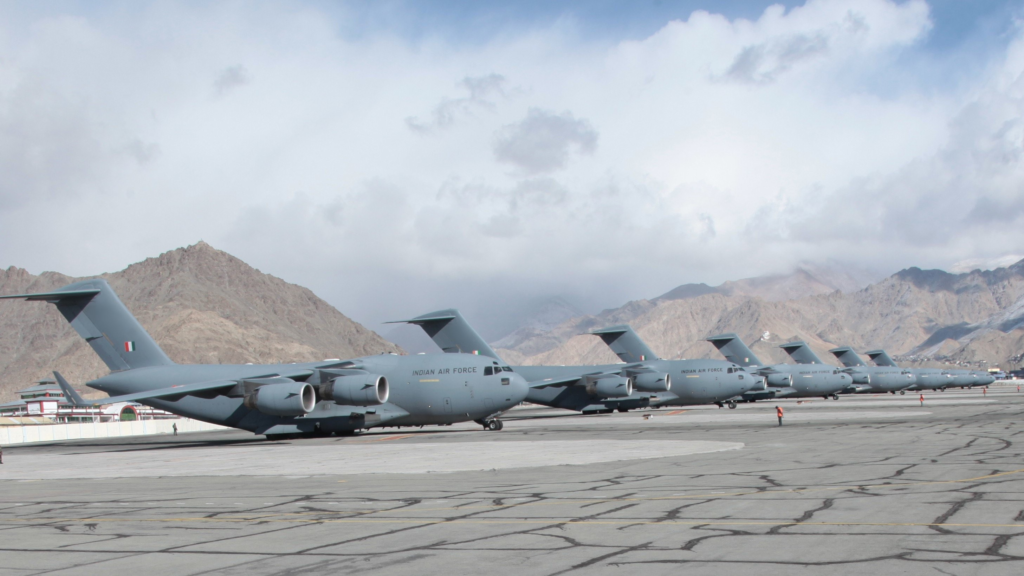
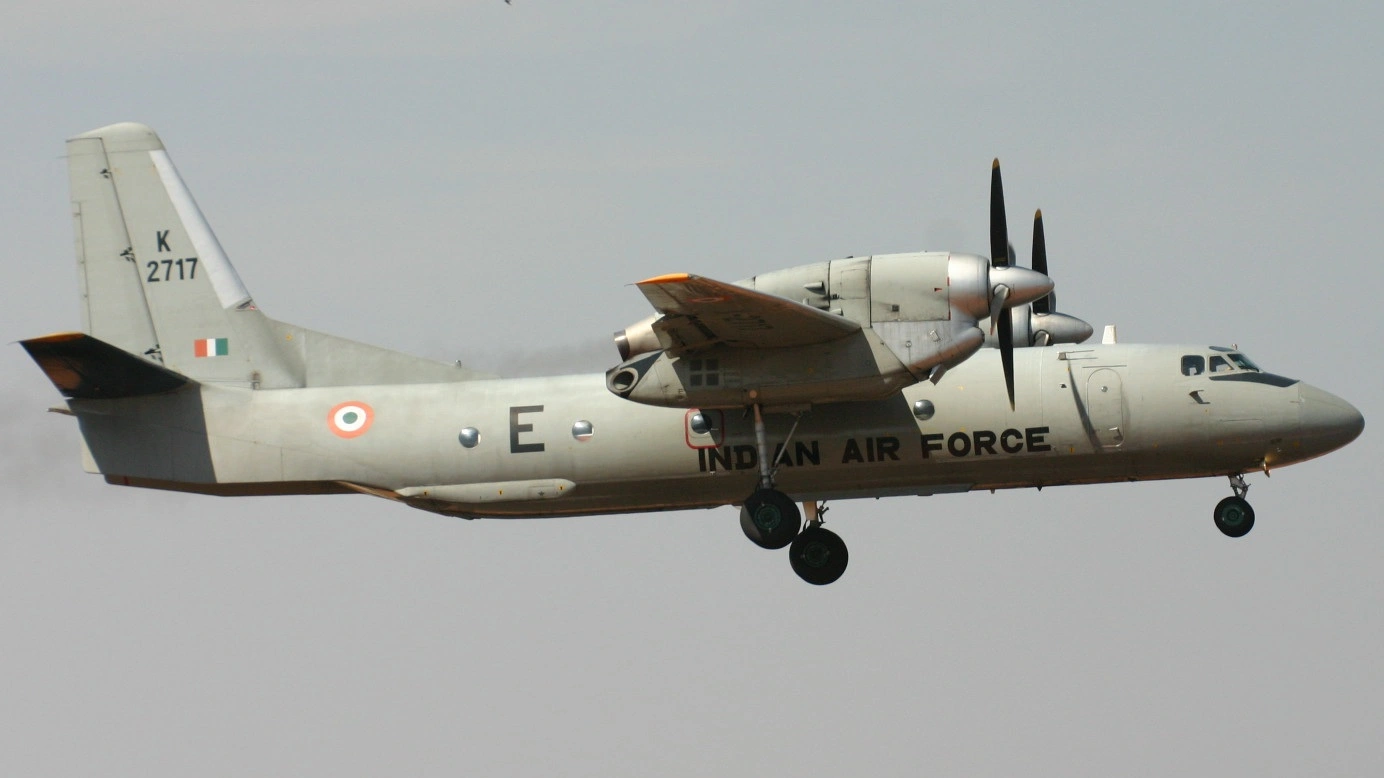
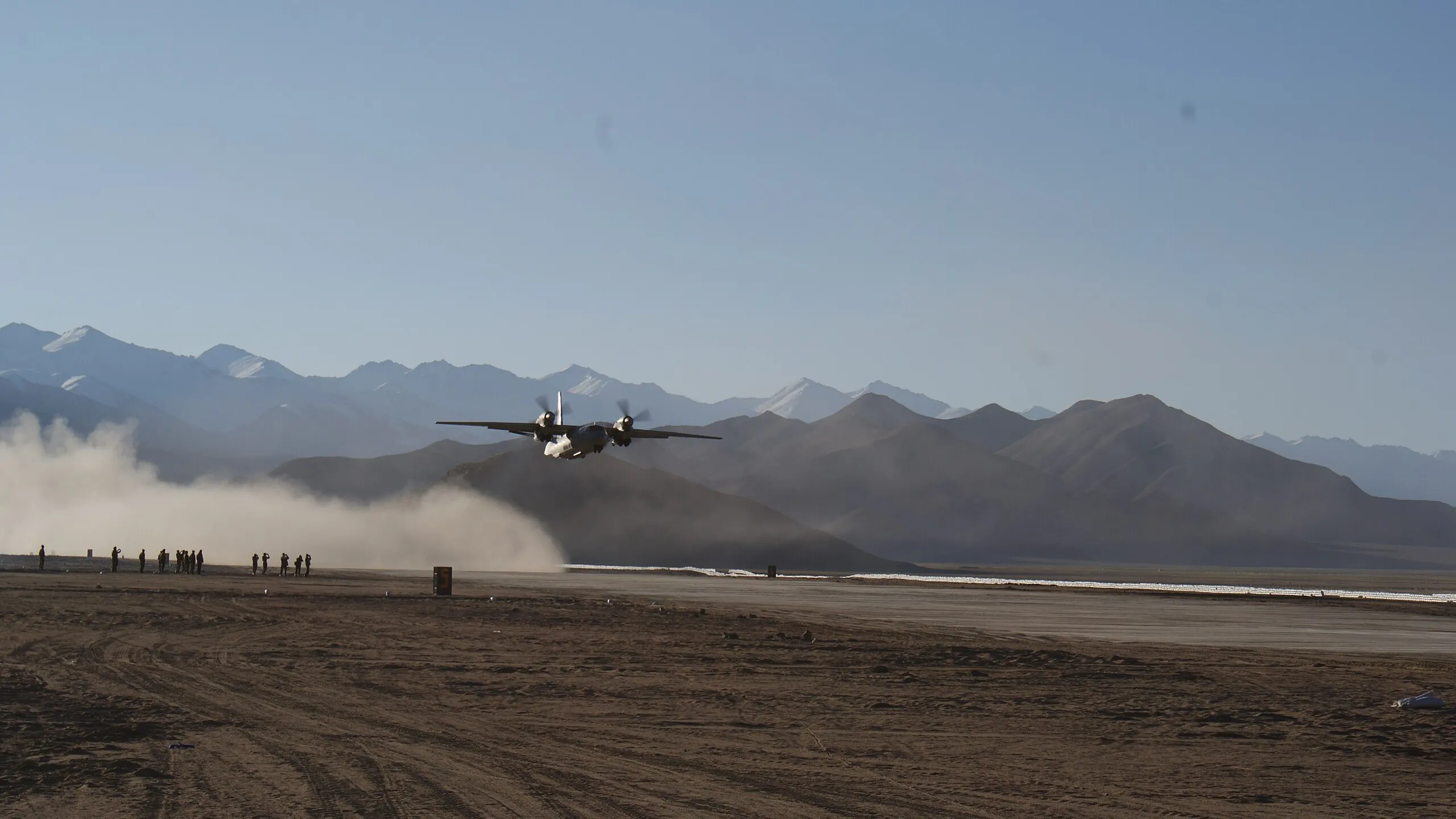
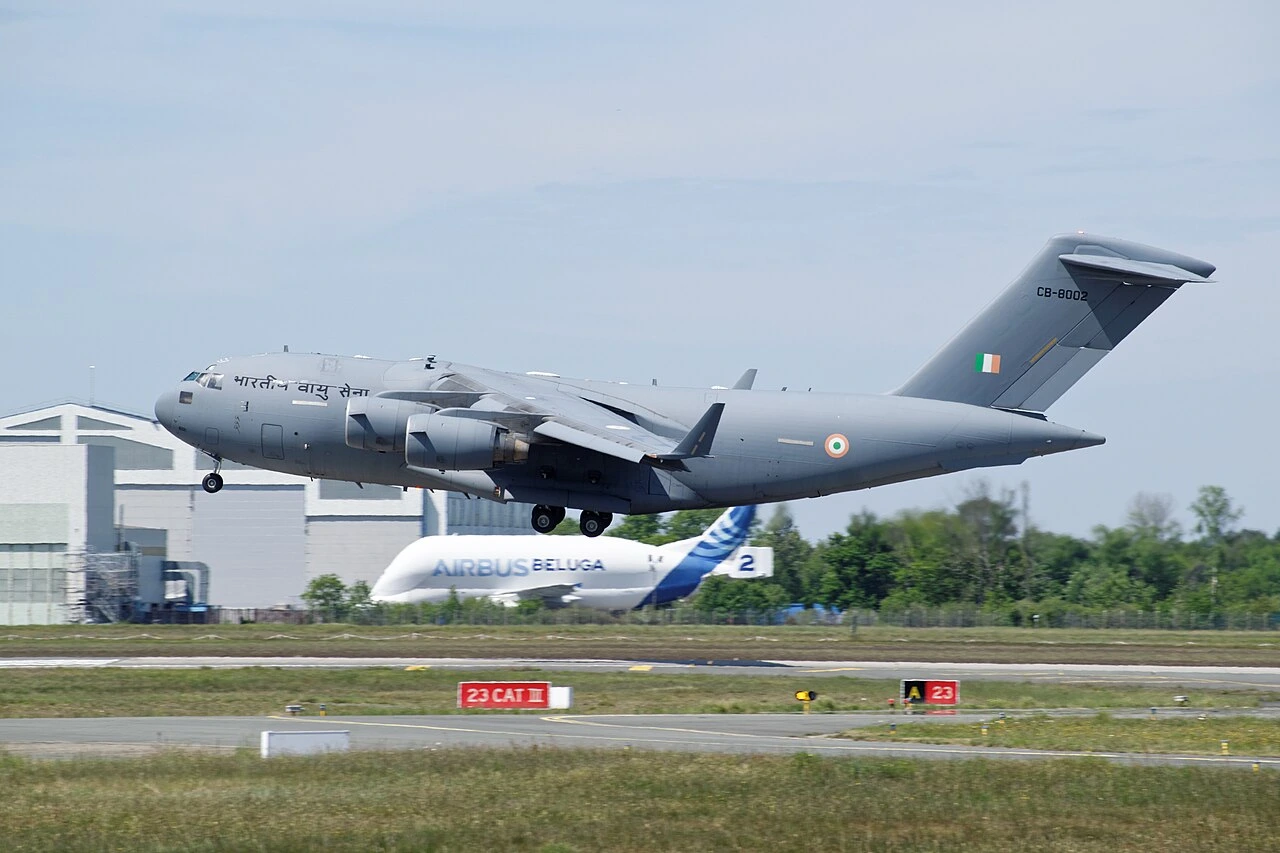
On the logistics front, the package allocates significant funding toward acquiring 60 multi‑role transport aircraft to replace India’s ageing transport fleet.

All in All
This $25 billion package — combined with the earlier Rafale and P‑8I approvals — represents an unprecedented rate of capital acquisition for India’s armed forces, reflecting an urgency to modernize and fill long‑standing capability gaps.
According to defense spending data, India ranks among the world’s top five military spenders and is a leading arms importer globally, highlighting the scale of its ongoing modernization drive.