
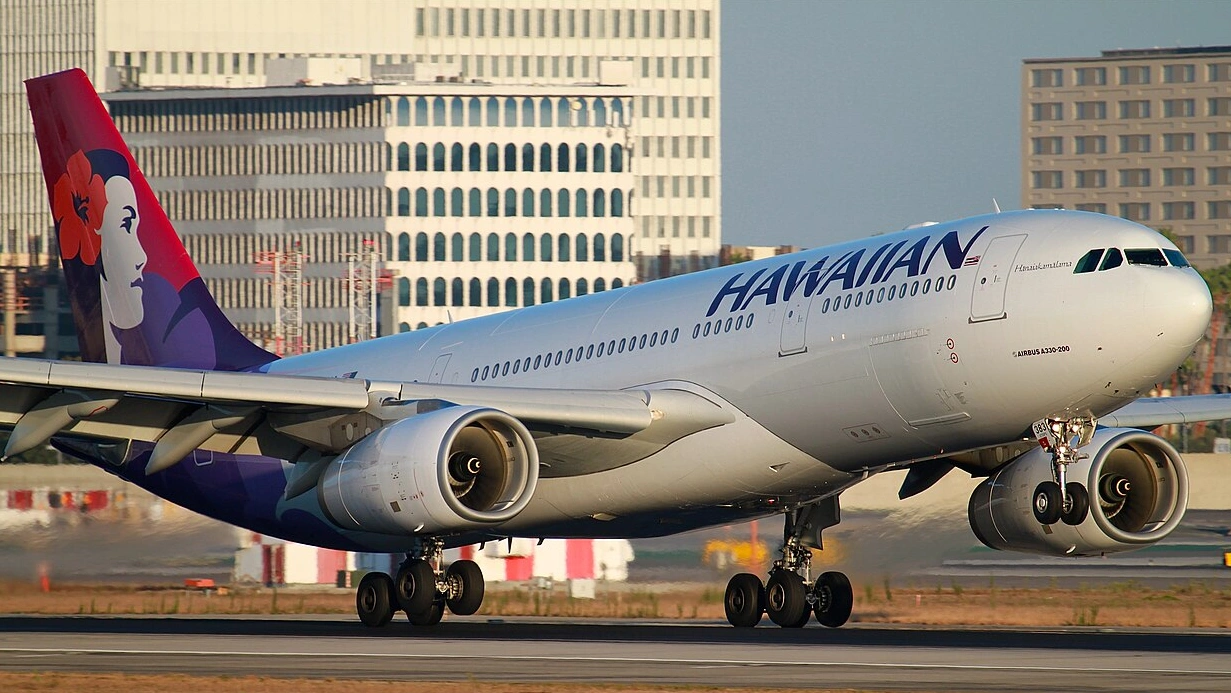
Hawaiian Airlines (HA) pilots are losing their rare beard allowance as the merged airline adopts a unified appearance policy. This change is one of the first significant updates since Hawaiian Airlines completed its acquisition by Alaska Air Group in September 2024.
Under the revised rules, effective April 1, pilots are no longer permitted to wear beards as part of the standard uniform and appearance policy, Flying Magazine reported. The new policy update stems from a combined Flight Operations Manual (FOM) implemented for both carriers.
.jpg)
The move ends a practice that had made Hawaiian one of the few U.S. airlines to previously allow beards among its flight deck crew. According to internal communications, the updated standard simply states that beards are not authorized, though mustaches that meet specific grooming requirements remain acceptable.
Pilot Beard Policy Change at Hawaiian
Alaska Air Group’s pilot leadership informed crews in March that facial hair must “meet specific requirements to ensure compliance with FAA guidance and flight deck safety.” That message also made clear that beards will no longer be approved under the combined airline’s policies.
Company officials cited safety concerns tied to the effective use of oxygen masks in the cockpit as a central reason for the prohibition. They referenced longstanding guidance from the Federal Aviation Administration’s Civil Aerospace Medical Institute (CAMI), which has historically recommended against beards in the flight deck for safety reasons related to emergency oxygen mask fit.
Despite this justification, the broader industry debate persists. Independent studies from academic institutions like Embry‑Riddle Aeronautical University found little evidence that facial hair significantly affects oxygen mask performance. In this research that was quoted in Airline Geeks:
“The study involved 24 volunteers who were tested in a hypoxia chamber simulating conditions at 30,000 feet altitude. Participants wore oxygen masks in three beard conditions: clean-shaven, short beards under about 0.4 inches in length, and long beards over 0.4 inches. Their blood oxygen levels were continuously monitored, and researchers found no significant differences between the groups.”
Furthermore, when participants wore masks and were exposed to strong-smelling salts, none were able to perceive the odor, regardless of whether they had facial hair. The publication said that this was an indication that beards did not compromise the mask’s effectiveness against smoke or other irritants.
According to the discussion in the research paper itself:
“Using a current on-demand airline oxygen mask, Spo2 levels were never compromised by any of the beard conditions. Because the highly volatile smelling salts were imperceptible through the masks, smoke and other noxious irritants would not be perceived. These results support the contention that airline pilots with beards of any length would not be impaired by hypoxia or smoke while dealing with an in-flight emergency.”
Despite this research, Alaska Air Group’s updated policy for Hawaiian Airlines (which is one of the most punctual airlines in North America) pilots continues to prioritize traditional safety guidance, reflecting a conservative approach that emphasizes risk mitigation in emergency scenarios such as cabin depressurization.
Impact of the Merger on Pilot Beard Policy and Reaction
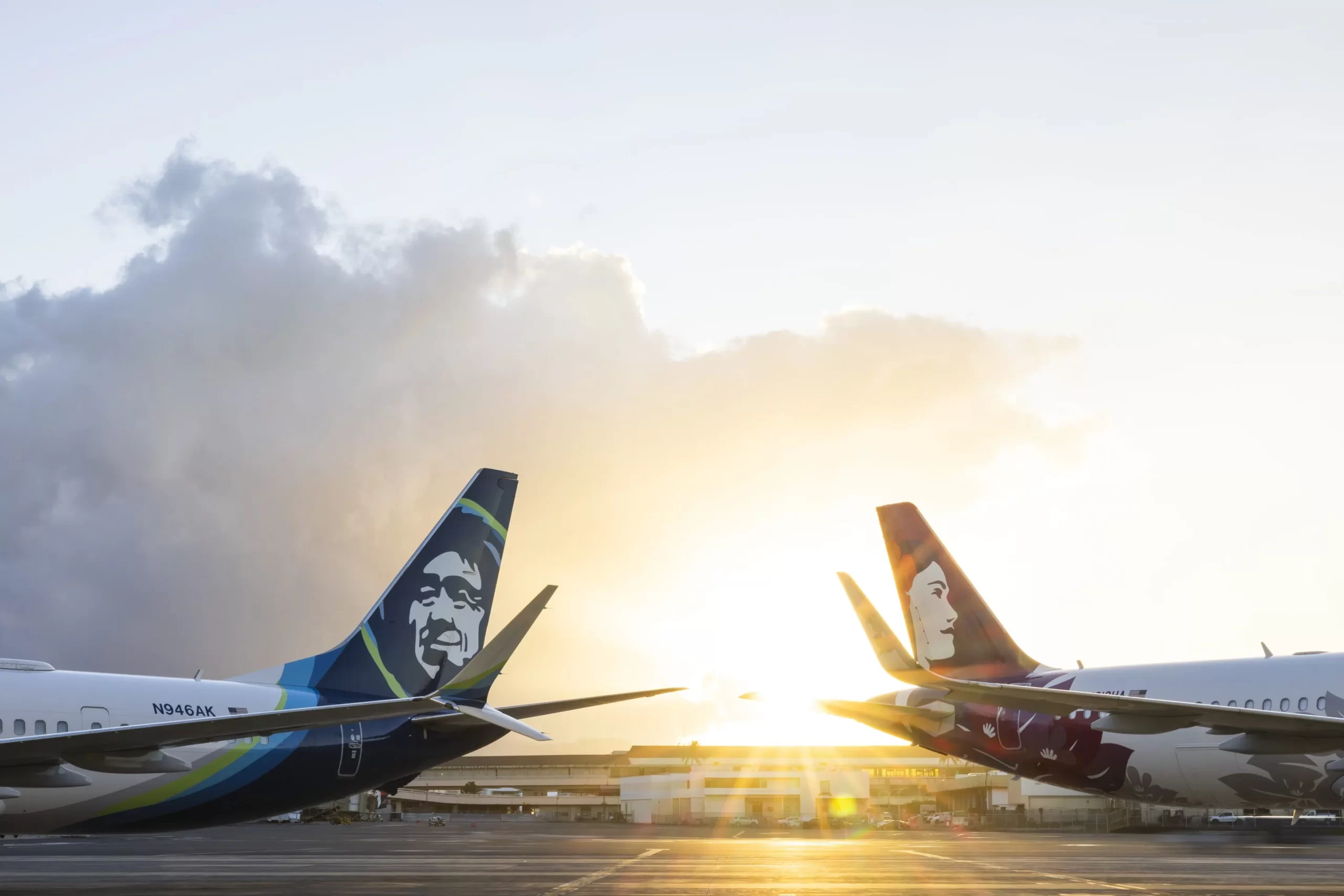
The beard policy change comes amid wider adjustments tied to the Alaska‑Hawaiian merger, which has seen both operational and cultural shifts within the combined airline group.
Alaska Air Group’s leadership has stated that the unified policy is not intended to diminish Hawaiian’s cultural heritage but is part of aligning safety standards across both carriers.
In a statement quoted in Flying Magazine, Alaska said:
“Safety is our priority, and Alaska and Hawaiian’s policy to prohibit facial hair for pilots across our combined airline is based on long-standing FAA guidance, as well as our own studies over many years……..absolutely no desire or intention to diminish the way Hawaiian Airlines and/or Hawaiian culture is celebrated and respected within our combined company”
Alaska also sought to “distinguish the beard decision from broader questions about Hawaiian’s identity within the merged airline” and said that it was continuing to invest in:
- Hawaiian brand
- Policy Changes
- Cabin upgrades
- A more relaxed tattoo standard
Some pilots expressed dismay about the policy change through informal channels, noting that beards had been permitted for years and were part of their personal and professional identity. Industry forums and discussions online reflect ongoing debate over grooming standards in aviation, particularly as other carriers and international airlines allow well‑groomed facial hair.
The Air Line Pilots Association (ALPA), which represents pilots from both airlines, has yet to publicly comment on the revised policy or its implications for collective bargaining negotiations.
All in All
From an operational standpoint, the elimination of pilot beards aligns with a conservative aviation safety culture in the United States that often prioritizes uniformity and risk mitigation. Many U.S. carriers historically mandate clean‑shaven appearances or restrict facial hair to specific types, like neatly trimmed mustaches.
While the new policy marks a cultural shift for some Hawaiian pilots, it reflects an ongoing trend among major airlines to standardize procedures and uphold strict appearance codes under unified management.