On 27 December 2025, an easyJet (U2) Airbus A320-200 operating Flight U2-3557 from Milan Malpensa Airport (MXP), Milan to Lamezia Terme International Airport (SUF), Calabria, experienced a catastrophic engine malfunction during descent. The failure involved a severe engine fire that forced the crew to declare a Mayday and execute an emergency overweight landing at SUF, Italy, with all passengers and crew disembarking safely and without injury. This event has grounded the aircraft pending detailed technical examinations.
Early reports indicate that the engine failure was classified as uncontained, meaning internal components breached the engine casing, increasing risk potential. Investigations by Italian safety authorities have commenced to determine causality and any broader implications for airline operations and engine certification standards.
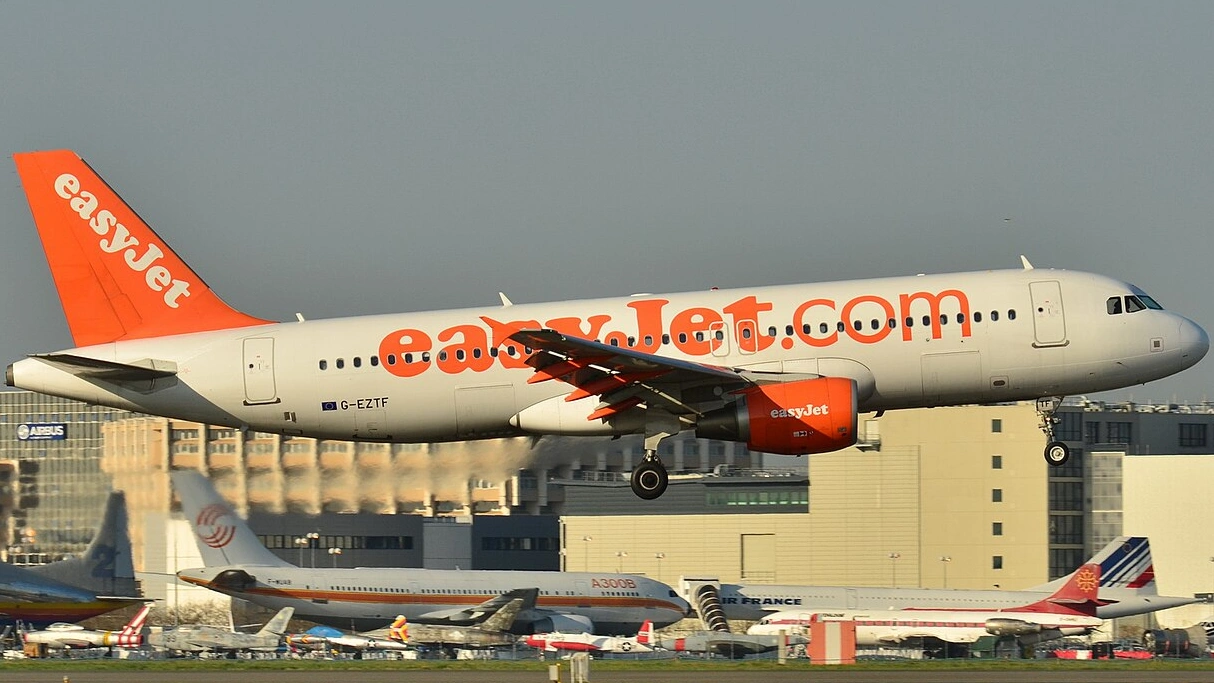
_G-EZTF_-_MSN_3922_(6960910130).jpg)
EasyJet overview (Carrier profile)
| Attribute | Details |
|---|---|
| Airline Name | easyJet |
| IATA Code | U2 |
| Founded | 1995 |
| Headquarters | London Luton Airport, UK |
| Primary Hubs | London Luton (LTN), Manchester (MAN), and others across Europe |
| Fleet Size | 193 aircraft (primarily Airbus A320 family) |
| Network | 150+ destinations in Europe and beyond |


easyJet A320 OE-IVZ Engine Malfunction Details
Aircraft specifications
| Attribute | Specification |
|---|---|
| Type | Airbus A320-214 |
| Registration | OE-IVZ |
| Manufacturer Serial Number (MSN) | 6485 |
| Year of Manufacture | 2015 |
| Engines | 2 × CFM International CFM56-5B4/P |
| Age (as of incident) | ~10.9 years |
Incident sequence
• 08:13 CET – Flight U2-3557 departs MXP for SUF with standard passenger load.
• ~25,000 ft during descent – Right-hand engine (No. 2) fails and emits flames; crew initiates emergency procedures.
• ~09:25 CET – Mayday declared; cockpit crew follows “Engine Fire/Failure” and “Engine Secure” checklists.
• 09:52 CET – Successful overweight landing on SUF runway; emergency services respond and assist.
• Post-landing – The aircraft is grounded; passengers disembark safely with no injuries reported.
An engine failure might also be an “uncontained” one which, according to Skybrary, “poses a greater risk since ejected debris from the engine could create hazard to the occupants and the structure of the aircraft and hence the risk of engine fire increases“.
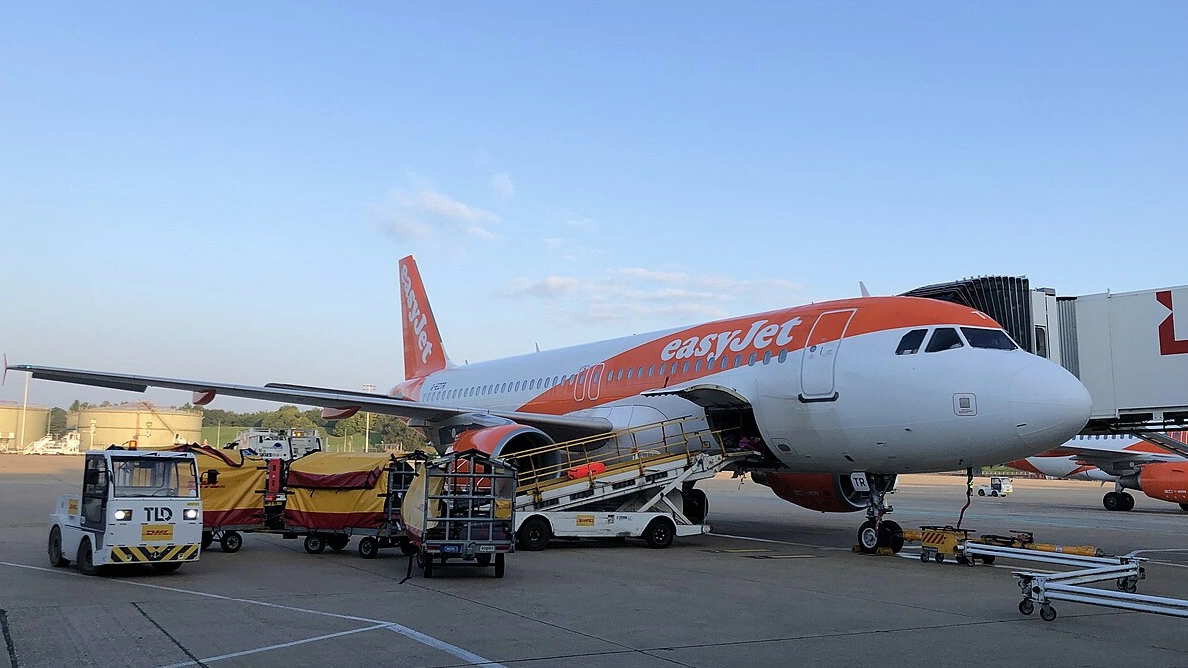

Technical context: U2-3557’s Uncontained Engine Failure
An uncontained engine failure is one in which internal rotating components—such as turbine discs or high-pressure compressor parts—exit the protective outer casing (cowling) during a failure. If an aircraft flies over volcano, such as Hallyi Gubbi, which led to flight cancelations over the Middle east and Asia, engines might fail.
The problems that can arise on the crew include the following:
| Step | Description |
|---|---|
| Heavy workload in the cockpit | Crew must assess the situation; workload may become intense. |
| Reporting the problem | Crew communicates with ATC. MAYDAY or PAN PAN protocols should be used, though non-standard phraseology (“We’ve lost No.2”, “Engine No.2 is gone/dead”, “We’ve got no thrust/power in No.2”) often occurs. |
| Seeking information and deciding on course of action | Crew gathers info on nearby aerodromes and weather if proceeding to land at the nearest suitable aerodrome. |
| Seeking optimal glide | For single or multi-engine failure, crew seeks best glide ratio to attempt engine restart and/or reach the next suitable aerodrome or emergency landing site. |
The aircraft stayed on the apron over the New Year period and:
- Flew back to Milan without passengers as EC 9050 on Saturday, January 3
- Departed SUF at 15:29 and arrived at Milan Malpensa at 17:15
- Remained on the MXP apron overnight before resuming scheduled flights the next day
- Operated U2-3505 and U2-3506, a return service between Milan Malpensa and Palermo/Punta Raisi Airport
According to a report in Simple Flying,
“Visuals shared above identify the damage caused by the engine failure to the CFM 56-5B engine on the Airbus A320-200. The aircraft has subsequently gone through a full inspection, replacement, and repair of the aircraft before it was returned to scheduled operations.”


Investigation and implications
A full investigation into the root cause of OE-IVZ’s engine failure will be focused on focus areas such as:
-
Engine metallurgical analysis – Detect fatigue cracks or material defects.
-
Foreign object damage (FOD) assessment – Evaluate if external debris contributed.
-
Maintenance record audit – Review prior health monitoring and engine trends.
According to a report in AeroXporer:
“The Italian National Agency for the Safety of Flight (ANSV) has been notified and is expected to launch a formal investigation. Preliminary visual inspections of the No. 1 engine reportedly showed significant damage to the turbine casing, consistent with an uncontained event.”
According to data from planespotters.net, easyJet has 180 aircraft of the Airbus A320-200 family and these have an average age of 11.8 years. The carrier received OE-IVZ in February 2015 and was
- configured “Y180” until Dec 2016
- Ferried XFW–LTN 18 Feb 2015 on delivery
- re-configured “Y186” Dec 2016
The aircraft’s economy Class cabin accommodating 186 Recaro SL3510 slimline seats are configured this way:
| Specification | Details |
|---|---|
| Seat width | 17.7″ |
| Seat pitch | |
| Rows 2–11 | 29″ |
| Rows 12–13 | 35″ |
| Rows 14–31 | 29″ |
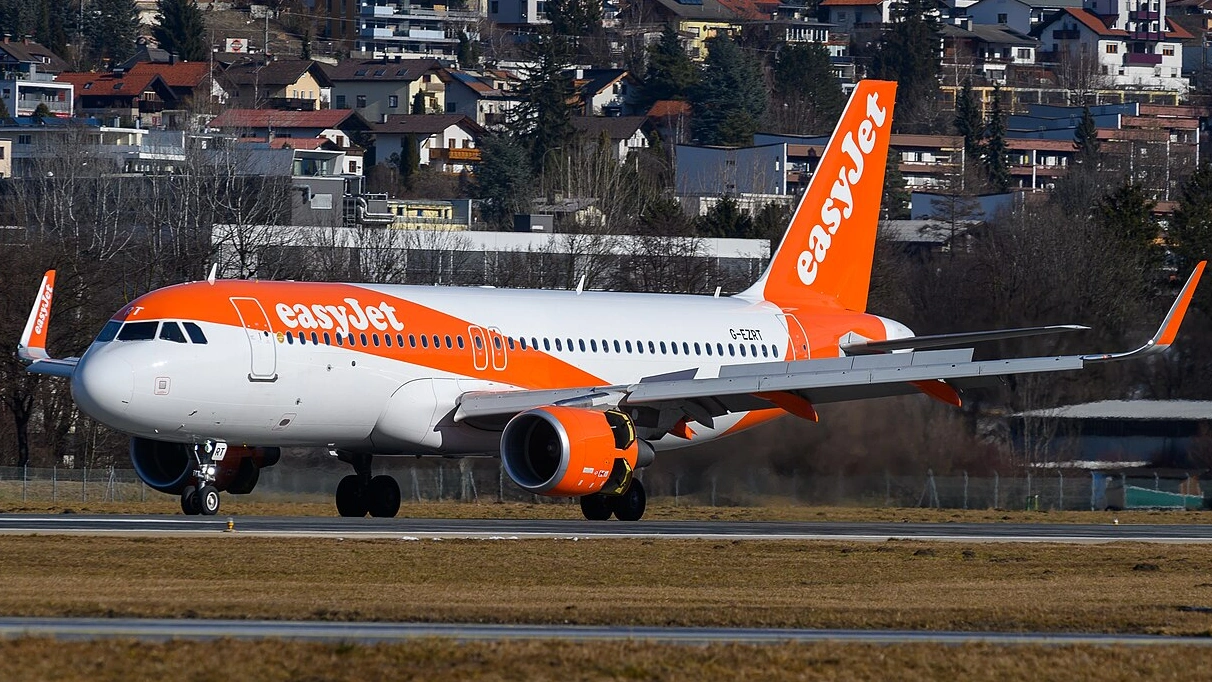
.jpg)
All in all
The December 2025 easyJet engine failure and emergency landing might have resulted in any of these:
- Altitude change
- Control difficulties
- Emergency descent
- Rejected Takeoff
- Pressurisation problems
- Fuel dumping
- Precautionary approach
The best steps in emergency landing are:
| ASSIST Step | Paraphrased Action |
|---|---|
| A – Acknowledge | Recognize the malfunction or emergency and, when appropriate, confirm the crew’s intentions. |
| S – Separate | Keep the aircraft clear of other traffic and provide adequate maneuvering space. |
| S – Silence | Limit non-urgent transmissions and use a separate frequency where possible. |
| I – Inform | Notify adjacent ATC units and the supervisor, and pass on the crew’s stated intentions. |
| S – Support | Supply requested operational information, including suitable aerodromes and minimum safe altitude if needed. |
| T – Time | Allow the crew sufficient time to manage the situation without unnecessary pressure. |