
Air travel that comes with long lines, cramped seats, and unpredictable delays, can feel overwhelming. And if you are traveling some of the longest flights in the world (the longest one-stop flight spans 26 hours 15 minutes, while the longest non-stop flight is just over 18 hours), it can feel all the more overbearing. But for flight attendants, it’s just another day at work. After countless hours in the air, they’ve picked up practical habits that make flying smoother, cleaner, and far more comfortable.
Ozempic Coverage Cut Sparks Controversy Among American Airlines Flight Attendants
Flight attendants reveal that having a seamless flying often comes down to small, intentional choices, such as the following that were first revealed in Travel and Leisure.
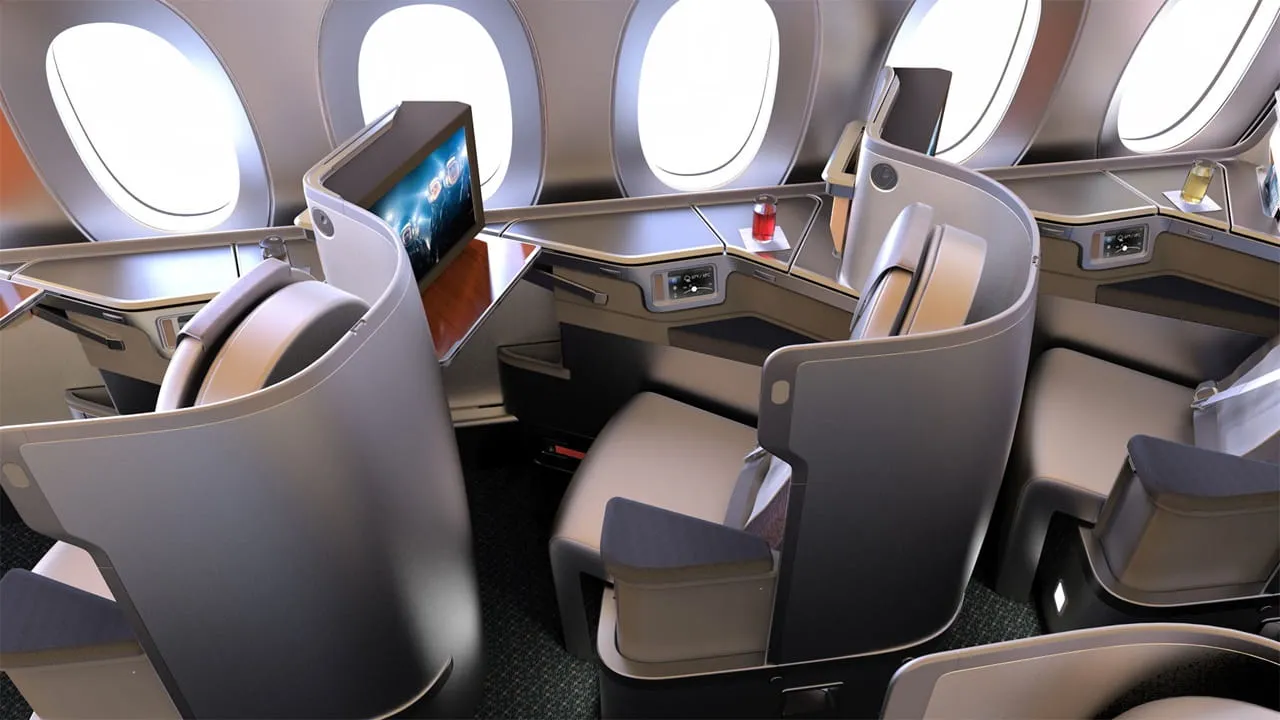
Start With Cleanliness—Because Not Everything Is as It Seems
Airplane cabins may look tidy at first glance, but they aren’t always as clean as you’d hope. If you are traveling on Ryanair’s flight, please remember that the airline’s turnaround time is just 25 minutes. This means that the flight attendants don’t have the time to make it spiffy, germ-free zone, despite giving it their best.
After all, passengers sometimes do treat tray tables like footrests, with one flight attendant telling Travel and Leisure that it was “the grossest thing” she had ever seen. Another flight attendant told Travel and Leisure of the following exasperating incident:
“I’ve actually had someone stand up, their pants fall down, and they have sat back down in the seat without pulling their pants back up…”
That’s why carrying disinfecting wipes can be really handy. A quick wipe-down of your seat, armrests, and tray table can make a noticeable difference. It’s a small step that adds a layer of comfort, especially on longer journeys.
Kindness Might be a Hack
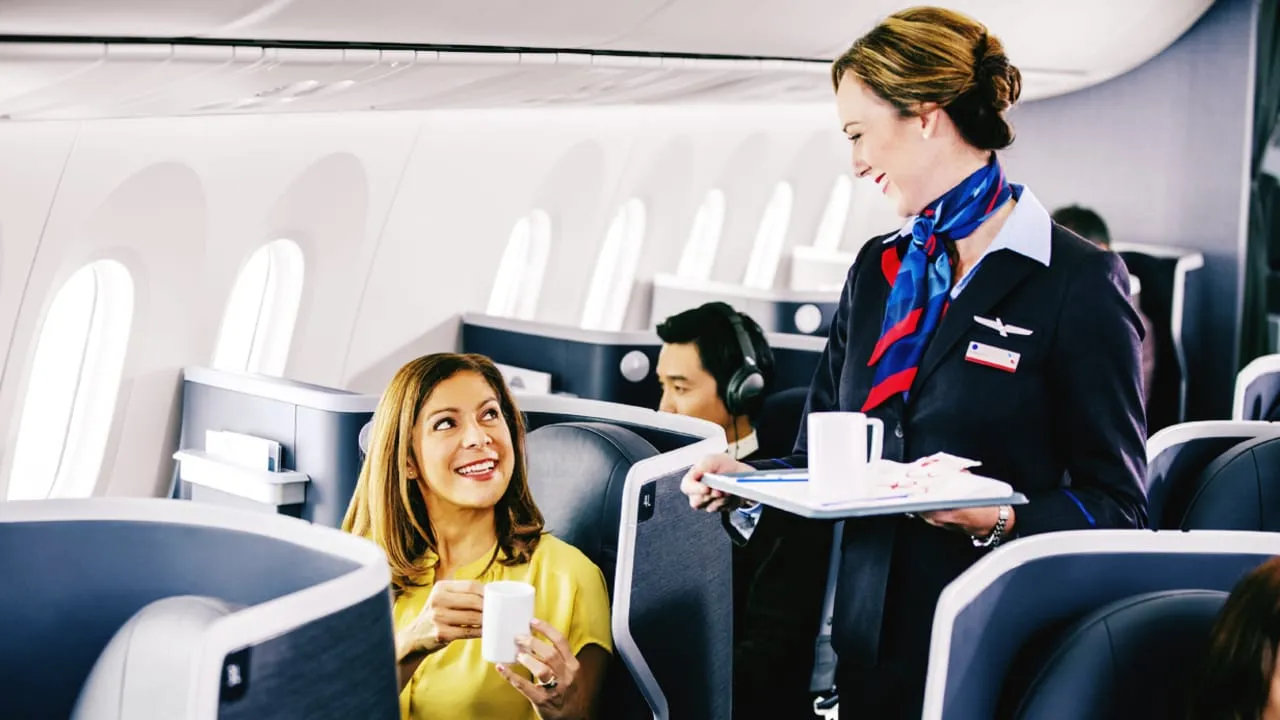
You may have heard that bringing treats or gifts for the crew can score you a free upgrade. While it’s a nice idea, flight attendants don’t control seat upgrades.
However, that doesn’t mean kindness goes unnoticed. A friendly attitude or small gesture can still enhance your experience. While it won’t land you in business class, it might lead to thoughtful perks like an extra snack or a complimentary drink. Respect and politeness go further than any travel “hack.”
Rethink What You Drink
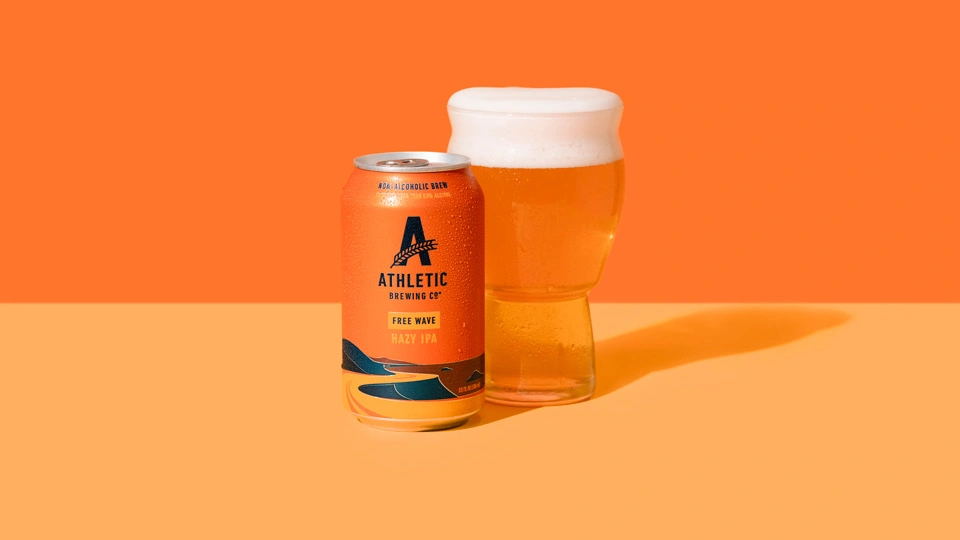
Ordering a fizzy soda at 35,000 feet might sound refreshing, but it can leave you feeling uncomfortable. Changes in cabin pressure can cause bloating, and carbonated drinks tend to amplify that effect.
According to There are numerous ill-effects of drinking soda, some of which were highlighted by health.com in the following way:
| Category | Key Issue | Main Impact | Important Details |
|---|---|---|---|
| Sugar Intake | Very high added sugar | Spikes blood sugar | ~10 teaspoons per 12 oz can; nearly daily limit; rapidly absorbed simple carbs |
| Chronic Diseases | Increased health risks | Diabetes, heart disease, possible cancer links | Higher soda intake linked to doubled diabetes risk; ~21% higher heart disease risk; possible inflammatory effects |
| Weight Gain | High calorie, low satiety | Obesity risk | ~155 calories per can; no fiber/protein → not filling → may lead to overeating |
| Oral Health | Sugar + acidity | Tooth decay & gum issues | Can disrupt oral bacteria balance → cavities and enamel erosion |
| Skin Health | Sugar-related effects | Acne & premature aging | May affect collagen & elastin → wrinkles; evidence on acne/aging is still mixed |
Many experienced crew members skip the soda altogether and stick with water. Staying hydrated not only helps you feel better during the flight but also reduces fatigue after landing.
Snacks: Bring Your Own, Thank Yourself Later
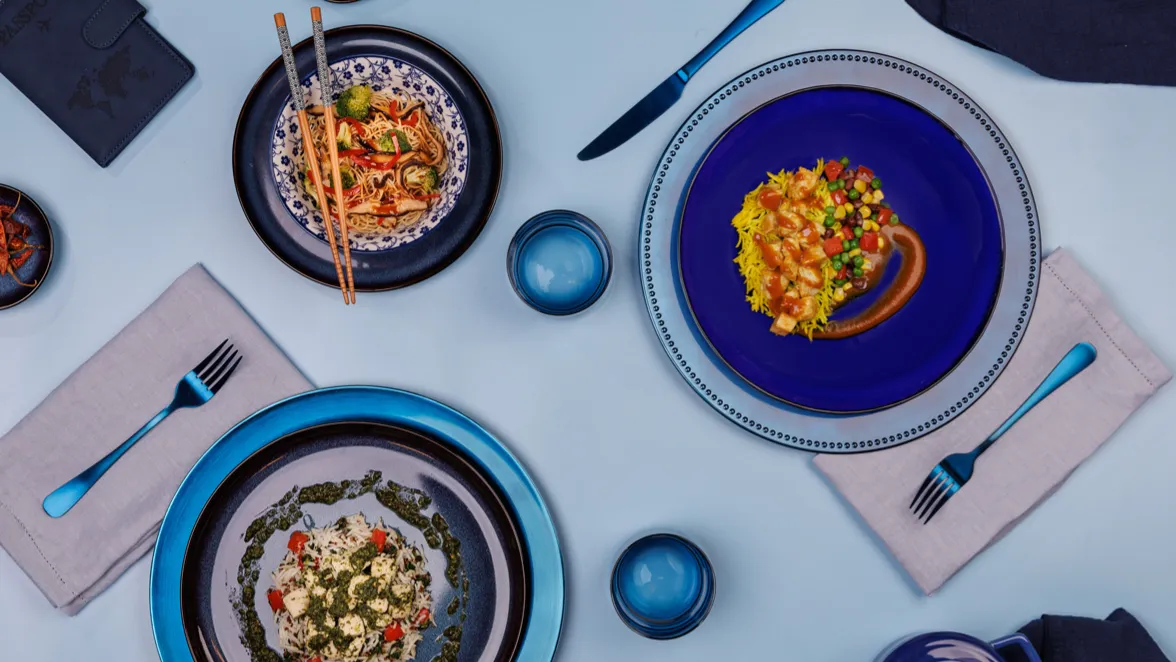
In-flight service isn’t always predictable. Turbulence or time constraints can delay food and beverage service, leaving you hungry longer than expected.
That’s why bringing your own snacks is a smart move. It gives you control over what you eat and when you eat it. Plus, airline food is often designed to last longer and retain flavor at altitude, which can mean added preservatives and long ingredient lists. In one of the blogs, CN Traveler, even wrote “why you should never eat airplane food?“, with one of the editors of the magazine saying the following:
“I unequivocally refuse to eat free airplane food (and I usually love free stuff, especially when it’s food). I think it’s unwise to eat salty, stale food at 36,000 feet—it usually just bloats you, gives you indigestion, and leaves you feeling awful upon arrival. Who wants to arrive at their next destination feeling like a sad roly-poly?”
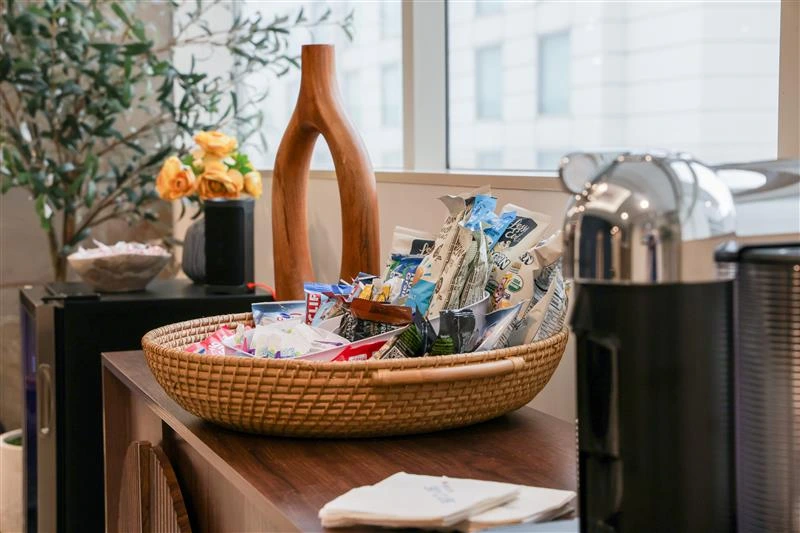
So, packing simple, familiar snacks can be both healthier and more satisfying. In a different blog altogether, Travel and Leisure recommended the following food:
| Category | Recommendation | Examples | Benefits |
|---|---|---|---|
| Foods to Avoid | Skip dehydrating & gassy foods | Alcohol, salty chips, bean burritos | Prevent dehydration, bloating, and discomfort |
| Fresh Snacks | Pair fruits/veggies with healthy fats | Apple/banana + nut butter, yogurt + berries, veggies + hummus | Hydrating, light, and nutrient-rich |
| Protein-Rich Options | Include protein in snacks/meals | Bento boxes, cheese & crackers, nuts, trail mix, turkey/chicken | Keeps you full, maintains energy levels |
| DIY Protein Box | Prepare balanced snack box | Cut veggies, fruits, nuts, lean meats | Light yet filling, stabilizes energy |
| Simple Homemade Meals | Bring easy, wholesome food | PB&J sandwich, fresh fruit | Convenient, hydrating, fiber-rich |
| Ready-Made Healthy Meals | Use pre-prepared nutritious options | Salads, grain bowls (e.g., Urban Remedy meals) | Balanced, hassle-free, nourishing |
| Airport Choices | Choose wisely when buying food | Salads, protein bowls, smoothies | Healthier alternative to junk food |
| Onboard Meal Strategy | Pick the best available meal | Vegan/plant-based meals | More vegetables, lighter, helps reduce fatigue/jet lag |
| Hydration Tip | Stay well hydrated | Water, electrolytes, tea, decaf coffee | Prevents fatigue, supports digestion |
.jpg)
The Bottom Line: Travel Like You Know What You’re Doing
Flying like a pro isn’t about secret shortcuts or insider privileges—it’s about being prepared, mindful, and adaptable. Clean your space, stay hydrated, pack wisely, and treat others with respect.
These small habits won’t just improve your flight—they’ll make the entire travel experience feel more effortless and enjoyable.