The Federal Aviation Administration (FAA) has announced a fresh extension of the so-called High Density Rule at John F. Kennedy International Airport (JFK), New York — the regulation that controls how many flights can operate at the airport each day. The rule caps takeoffs and landings at 81 per hour during peak hours, and it now stays in place until October 2028. No new airlines can enter the market at JFK without first obtaining a scarce “slot,” and no existing airline can simply add a new route or frequency without one. The FAA made the decision unilaterally, determining that public comment on the extension would be both impractical and against the public interest.
JFK is one of only three airports in the United States that operate under a fully federal slot-control regime. The other two are LaGuardia International Airport (LGA) and Ronald Reagan Washington National Airport (DCA). Together, these three airports handle tens of millions of passengers each year, and the slot rules govern who can fly to them and when. The FAA argues that without these controls, widespread delays at JFK would ripple across the entire National Airspace System (NAS), affecting airports far beyond New York.
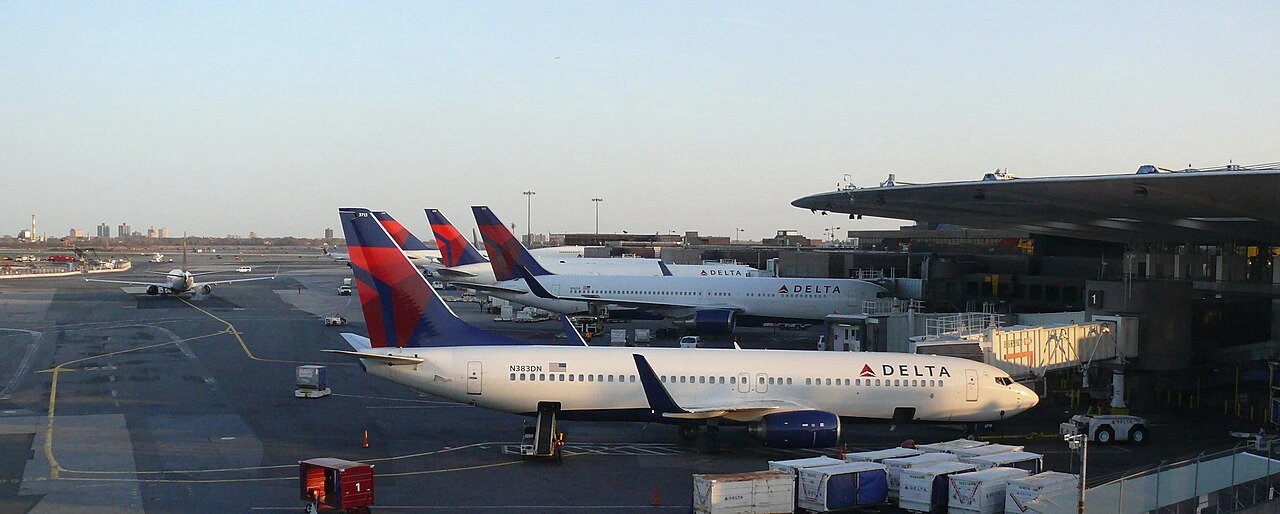
What The High-Density Rule Actually Means for Airlines and Passengers
At JFK, airlines cannot simply launch a new route whenever demand exists. According to Paddle Your Own Kanoo, they must first obtain a slot — a formal reservation authorizing a specific takeoff or landing at a specific time. A pair of slots — one for arrival and one for departure — is required for every daily flight operation.
Slots are used at airports where capacity is so constrained that allowing unregulated growth would create “regular and significant flight delays,” in the FAA’s own words, and where infrastructure improvements to increase capacity are not feasible in the near term.
The peak hours at JFK run from 6:00 am to 10:59 pm daily. During those hours, the FAA permits a maximum of 81 combined arrivals and departures per hour. That ceiling has not changed, and the new extension keeps it firmly in place until October 2028.
Airlines that hold slots must also follow a “use it or lose it” rule. Under this rule, an airline must operate at least 80% of its designated slot pairings during a scheduling season. Any airline that falls below that threshold risks having the slot reassigned to a competitor.
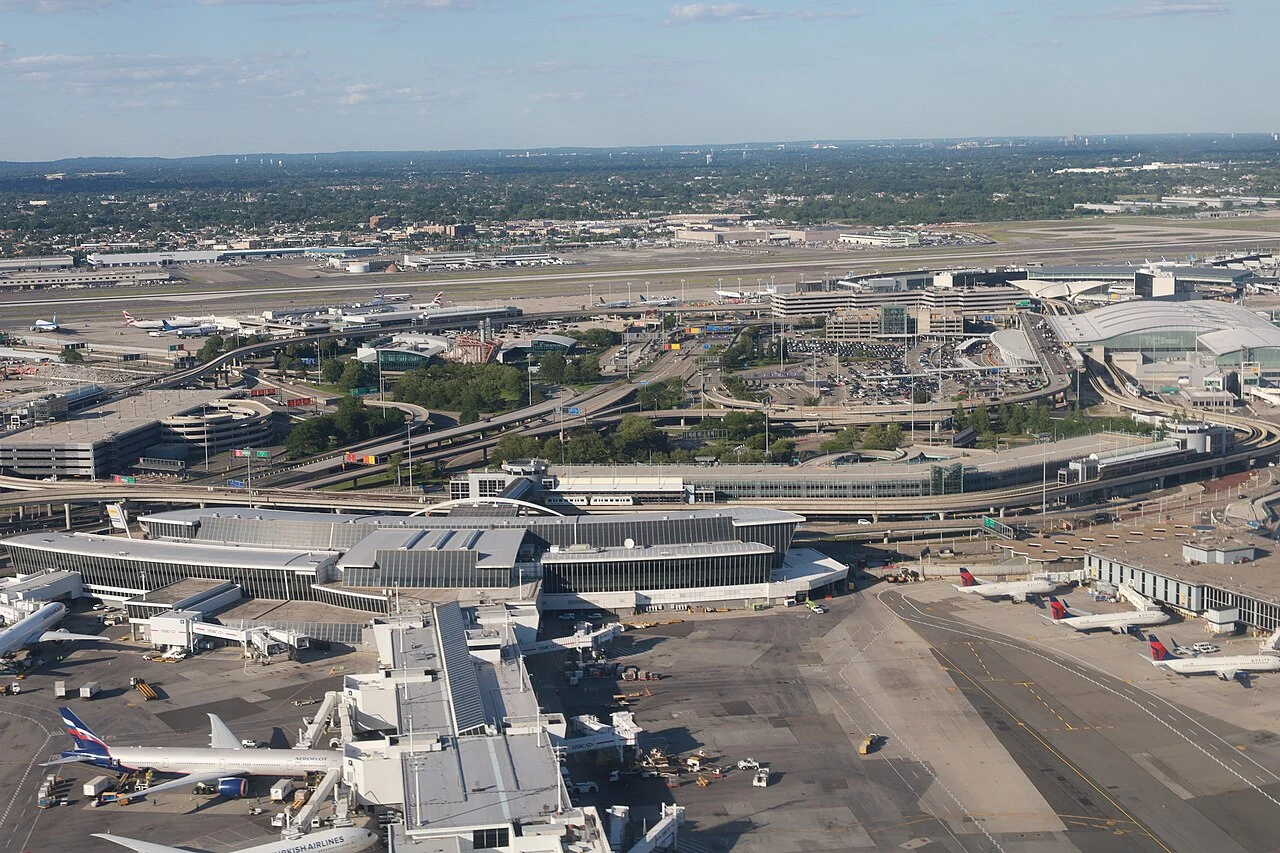
How did JFK Become a Slot-Controlled Airport?
The High Density Rule at American airports has a long history. The FAA first codified rules governing operations at high-density traffic airports in 1968, under 14 CFR Part 93, Subpart K, requiring carriers to hold a reservation — which later became known as a “slot” — for each operation.
For JFK specifically, the modern slot regime took effect in April 2000, when the airport was formally designated as a Level 3 High-Density airport.
The FAA attempted an experiment in January 2007. It lifted the slot controls to test whether the market could manage itself. Some airlines quickly increased their schedules and rescheduled other flights to peak hours, and within months, delays at JFK were worse than ever. The FAA reimposed the restrictions in January 2008, and that order has been extended repeatedly ever since.
The FAA extended the January 2008 order on October 7, 2009; April 4, 2011; May 14, 2013; March 26, 2014; May 24, 2016; September 17, 2018; September 18, 2020; and again on October 28, 2022. In May 2024, it was extended again to October 24, 2026. The most recent action pushes the deadline to October 2028.
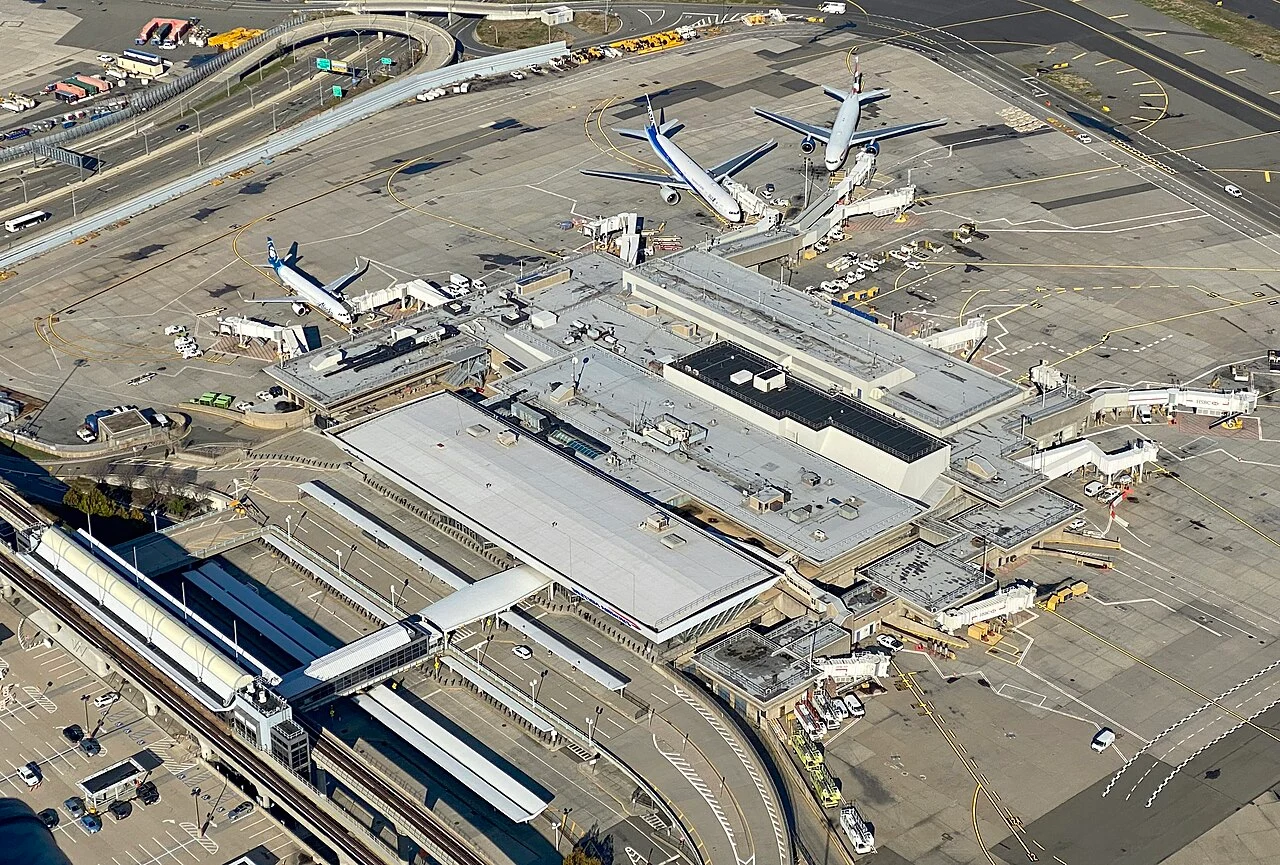
Why The FAA Says the Slot Controls Must Continue
The FAA has stated its reasoning clearly in the official extension order. “The reasons for retaining the Order have not changed appreciably since its initial issuance,” the FAA said. “The FAA has determined that the operational limitations imposed by this Order remain necessary.”
The agency went further. “Without the operational limitations imposed by the Order, FAA expects severe congestion-related delays would occur at JFK with ripple effects at other airports throughout the National Airspace System.”
The FAA pointed to ongoing staffing shortages at air traffic control facilities serving the New York region as a key driver of the extension. The New York Terminal Radar Approach Control facility — known as N90 — handles traffic for JFK, LaGuardia, and Newark Liberty International Airport (EWR). Staffing projections indicate the N90 facility will not reach 70% of its targeted staffing level even after the conclusion of 2026.
The New York region already accounts for a disproportionately large share of national delays, and a single disruption at JFK can ripple across the country and into international schedules.
The Newark Crisis That Makes JFK’s Slot Rules Even More Important
The JFK extension does not exist in isolation. The entire New York airspace system has been under sustained pressure, and developments at nearby Newark Liberty International Airport (EWR) have added urgency to the FAA’s decision-making.
In 2025, the FAA imposed temporary limits at Newark after a series of equipment failures and controller shortages caused widespread disruption. The FAA extended those Newark flight cuts through October 2026, capping operations at 36 arrivals and 36 departures per hour during the controlled period. The goal was to maintain safety while alleviating flight delays caused by staffing and equipment challenges.
A major contributing factor was the FAA’s decision in late 2024 to relocate control of Newark’s terminal airspace from the N90 facility in New York to the Philadelphia Terminal Radar Approach Control (PCT). The transfer was intended to ease controller recruitment and reduce staffing burdens, but it displaced certified controllers and added facility-specific training time at the new location. The Department of Transportation’s Office of Inspector General opened an inquiry into the relocation in July 2025.
The severity of the Newark situation became visible on April 7–8, 2026, when the airport experienced more than one hundred delays and multiple cancellations in a single operating day.
Although the FAA relocated Newark’s airspace control to Philadelphia to ease pressure, N90 staffing remains below the 70% threshold required for full efficiency. This backdrop makes it easier to understand why the FAA chose to extend JFK’s slot controls rather than risk adding more flights to an already strained airspace system.
The Scale of What the Slot Cap of JFK Governs
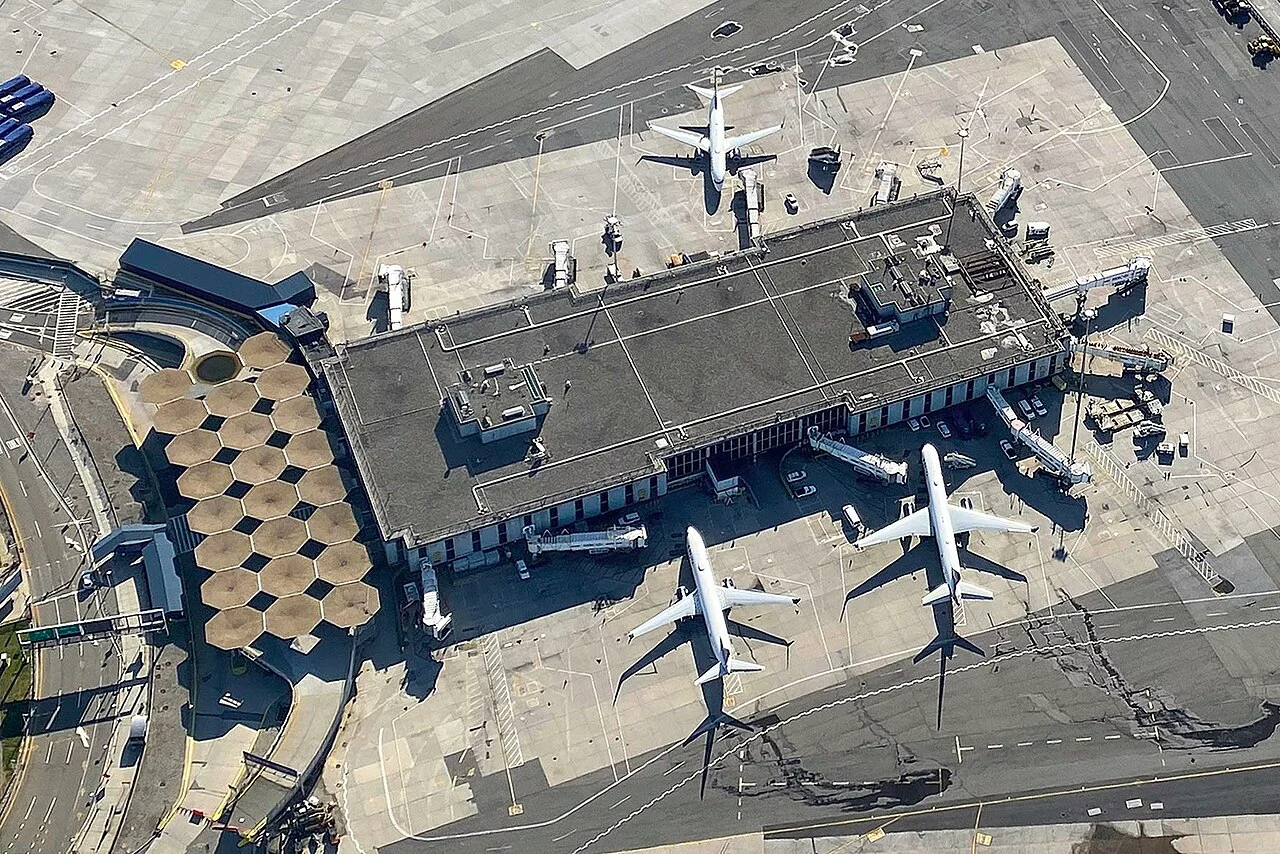
JFK handled 62,629,455 passengers in 2025, a 1% increase year-on-year, and recorded 464,281 aircraft movements during that period, according to data from the Port Authority of New York and New Jersey. The airport serves over 90 airlines linking New York to every inhabited continent, making it the anchor of the New York airspace system.
British Airways (BA) alone now operates up to nine daily flights from London Heathrow Airport (LHR) to JFK, making it one of the densest transatlantic services in the world. Capacity of this scale is only possible because major carriers hold pre-existing slot portfolios that new entrants cannot easily challenge.
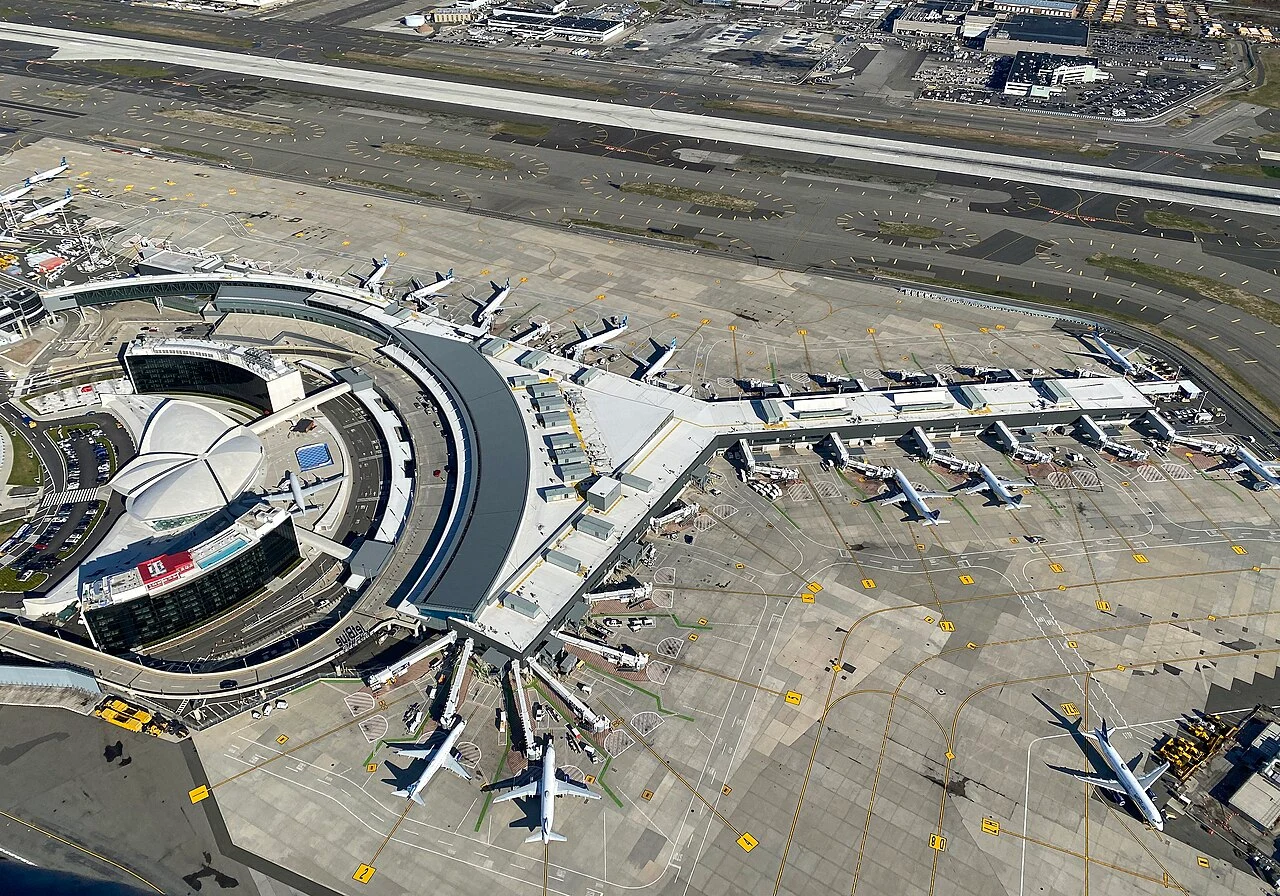
A major terminal redevelopment is currently underway at JFK, aimed at expanding infrastructure and handling further growth in passenger numbers. However, even with new terminal capacity, physical runway infrastructure remains the binding constraint — and no airport construction project can create new runways in the near term.



