Federal regulators have ordered airlines to scale back operations at Chicago O’Hare International Airport (ORD), mandating cuts of roughly 300 daily flights during peak summer travel to curb chronic congestion and delays, The Associated Press reported.
The directive, issued by the Federal Aviation Administration (FAA) and backed by the U.S. Department of Transportation (USDOT), will take effect from May 17 through October 24, following a surge in airline schedules deemed operationally unsustainable.

Chicago O’Hare Flight Caps: Scope and Implementation
Under the order, daily operations at ORD will be capped at 2,708 flights, down from more than 3,080 planned departures and arrivals on peak days this summer.
The reduction—amounting to roughly a 12% cut—targets the most congested travel days, while midweek schedules will face comparatively smaller adjustments due to lower baseline demand.
Federal officials indicated the cap is calibrated slightly above last summer’s peak of 2,680 flights, striking a balance between maintaining connectivity and restoring operational reliability.
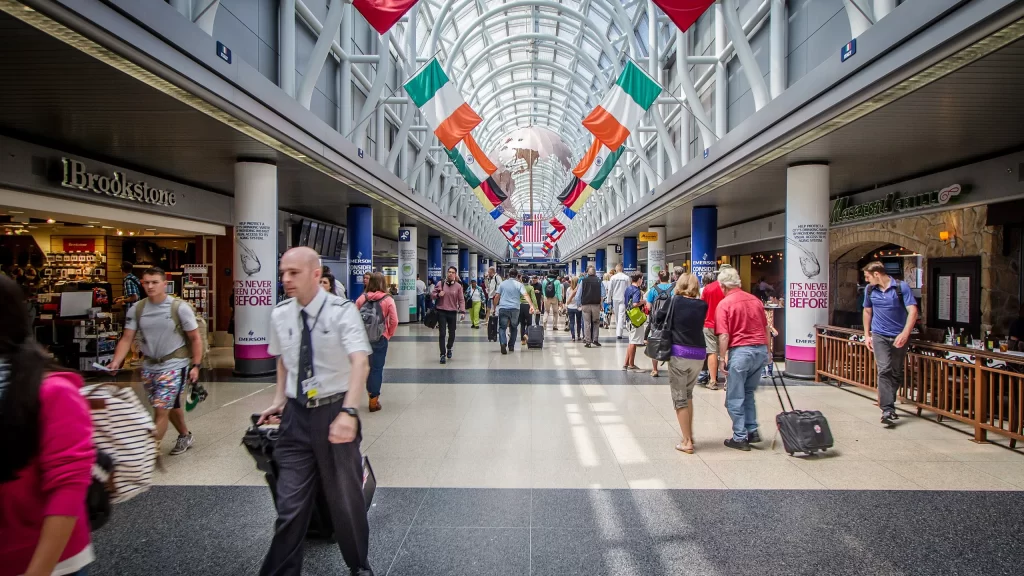
Why the FAA Intervened in ORD’s Scheduling
The FAA’s intervention reflects mounting concern over aggressive capacity expansion by airlines despite physical and operational constraints at ORD. Transportation Secretary Sean Duffy’s statement that was quoted in the Associated Press will help shed some light about the caps in ORD’s scheduling:
If you book a ticket, we want you and your family to have the certainty that you’ll fly without endless delays and cancellations
The regulator flagged a nearly 15% year-on-year increase in scheduled flights, even as taxiway construction and airfield limitations continued to constrain throughput. Last summer’s performance underscored the issue, with barely over half of arrivals and departures operating on time, prompting concerns that unchecked growth would exacerbate systemic delays.
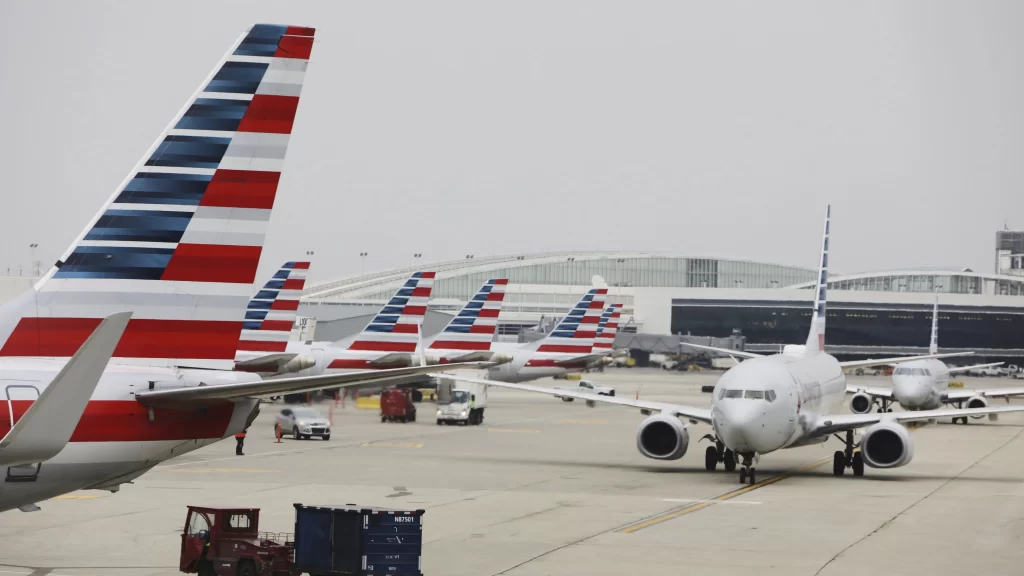
American Airlines and United Airlines Were Positive
The order disproportionately impacts the airport’s two dominant carriers—American Airlines (AA) and United Airlines (UA)—both of which are the airlines with the largest fleet in the world, and had planned significant expansions at ORD.
American indicated that the FAA’s action would “improve reliability and reduce delays,” while internally estimating it may cut fewer than 40 daily flights:
“We are grateful to Secretary Duffy, Administrator Bedford, and their leadership teams for acting swiftly to ensure that Chicagoans and all consumers continue to benefit from sensible competition and to help minimize flight disruptions during the busy summer season,”
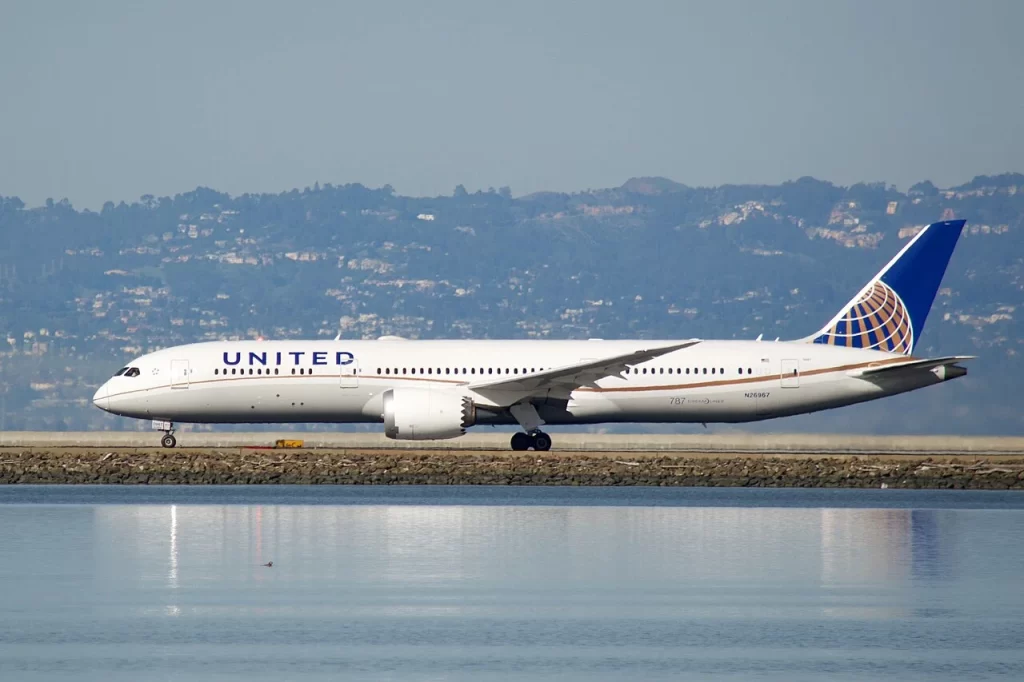
United, which had pursued a more aggressive growth strategy, is expected to make substantially deeper cuts—potentially exceeding 200 daily movements—though it has yet to publish firm figures.
In a statement reported by AP, United said it supports “a solution that makes sense for everyone who cares about O’Hare’s success,” signalling cautious alignment with the regulator’s approach.
Operational Constraints and Infrastructure Bottlenecks at ORD
ORD’s status as the busiest U.S. airport by flight movements has increasingly collided with infrastructure limitations, particularly during peak banked scheduling periods.
Last July, ORD handled 115,962 passengers on July 20, establishing a new single-day record amid a sustained surge in travel demand. Data from the Transportation Security Administration (TSA) showed that it surpassed the previous high of 113,772 passengers, recorded approximately a month earlier.
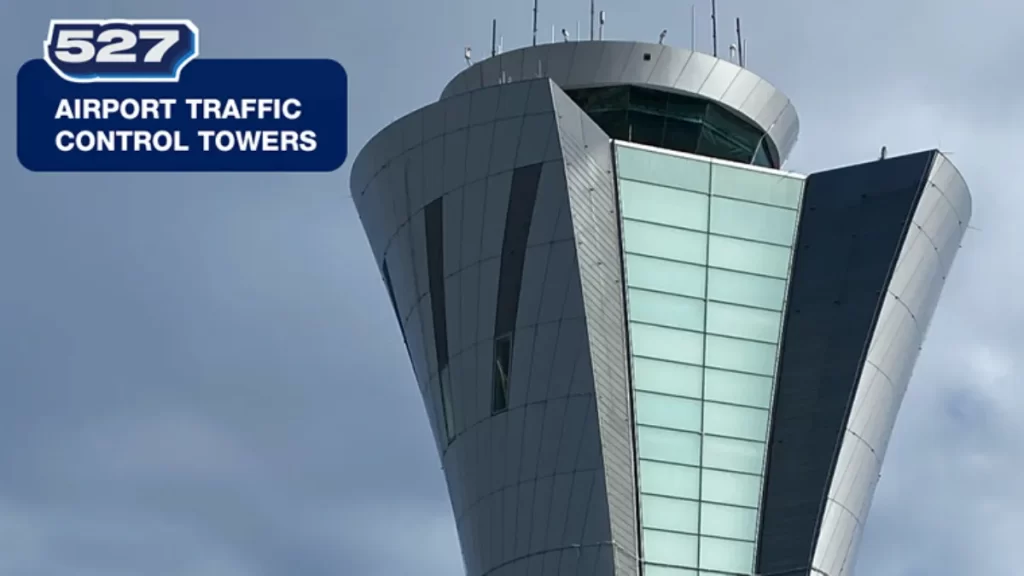
The FAA cited constrained taxiway capacity and ongoing construction as key limiting factors, warning that excessive scheduling would overwhelm both air traffic control and ground operations.
Compounding the issue is an intensifying competitive dynamic between American and United, whose parallel expansion strategies have effectively saturated available slots and gate capacity.
Previous Instances of FAA-imposed Capacity Constraints
The FAA’s decision to impose flight caps at ORD is not without precedent. In 2004, the FAA imposed temporary flight caps at ORD under a negotiated schedule reduction agreement with major carriers, primarily United Airlines and American Airlines.
- Movements were capped at 88 arrivals per hour during peak periods.
- The intervention followed severe congestion, with ORD recording some of the worst delay statistics in the U.S. at the time.
The restrictions were later formalized through an interim rule before being phased out in 2008 as runway expansion projects progressed.
In March 2026, the FAA had already floated proposals to restrict ORD operations to between 2,500 and 2,800 daily flights, citing similar concerns around congestion and unrealistic airline scheduling.
All in All
The FAA’s order introduces a rare, hard ceiling on operations at one of the world’s most complex hub airports, effectively forcing airlines to recalibrate network planning in real time.
While the cap is expected to improve punctuality and passenger experience, it may also constrain capacity growth and, potentially, exert upward pressure on fares during peak demand periods.
Airlines are now reviewing schedules and will begin notifying affected passengers, marking the start of a summer season defined less by expansion and more by enforced discipline in capacity management.



.jpg)
