The U.S. Federal Aviation Administration (FAA) has launched an investigation after two regional passenger jets—operating for American Airlines and Air Canada—came dangerously close (within 350 feet (106.68 meters) vertically and 0.62 miles (997.79 meters) horizontally at their closest points, as reported by Reuters) while approaching John F. Kennedy International Airport (JFK), New York, on 21 April 2026.
The aircraft, which were conducting parallel runway approaches, triggered onboard collision warnings and executed emergency go-arounds after breaching minimum separation standards.

FAA Investigation into Near Miss at JFK
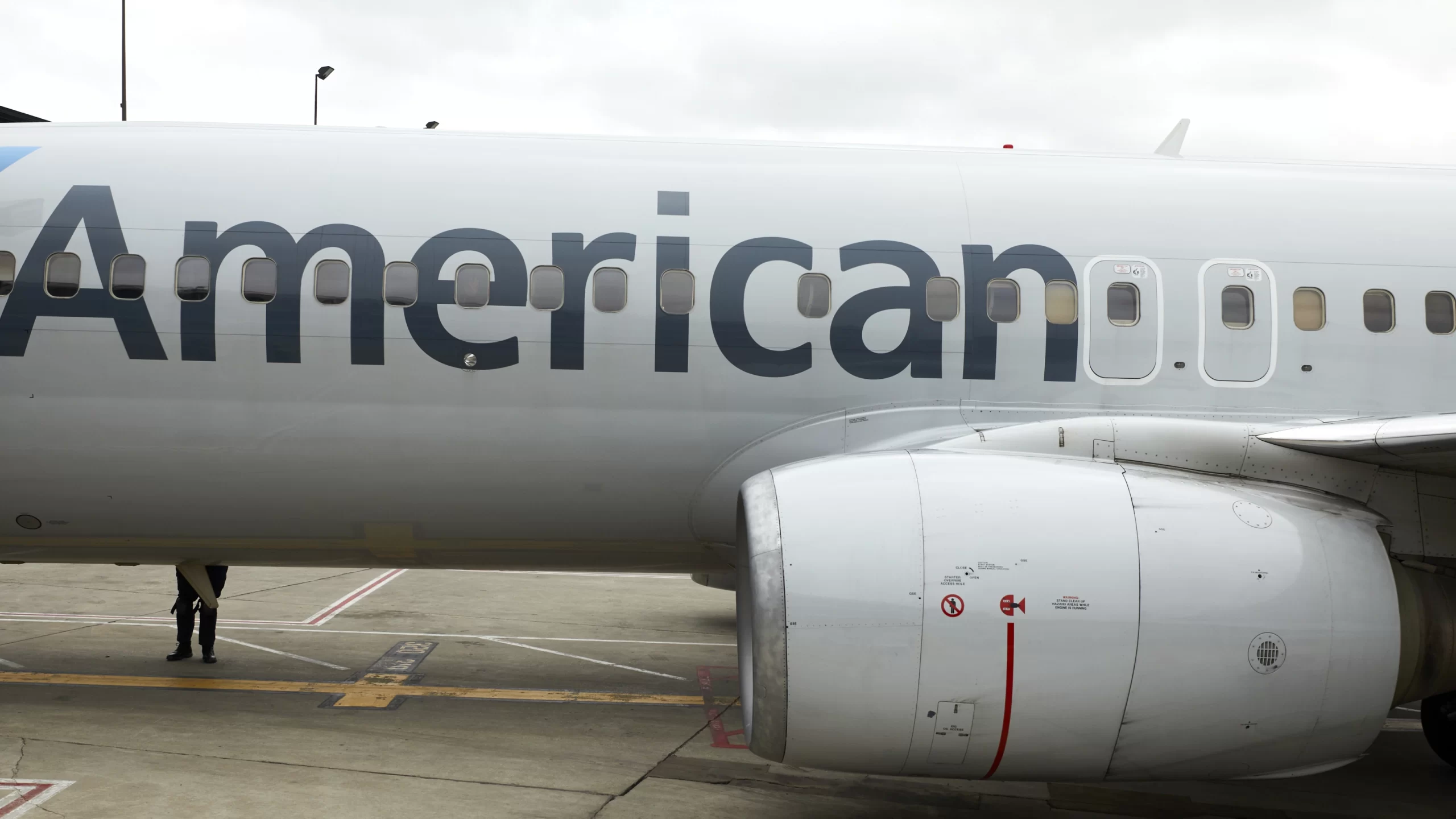
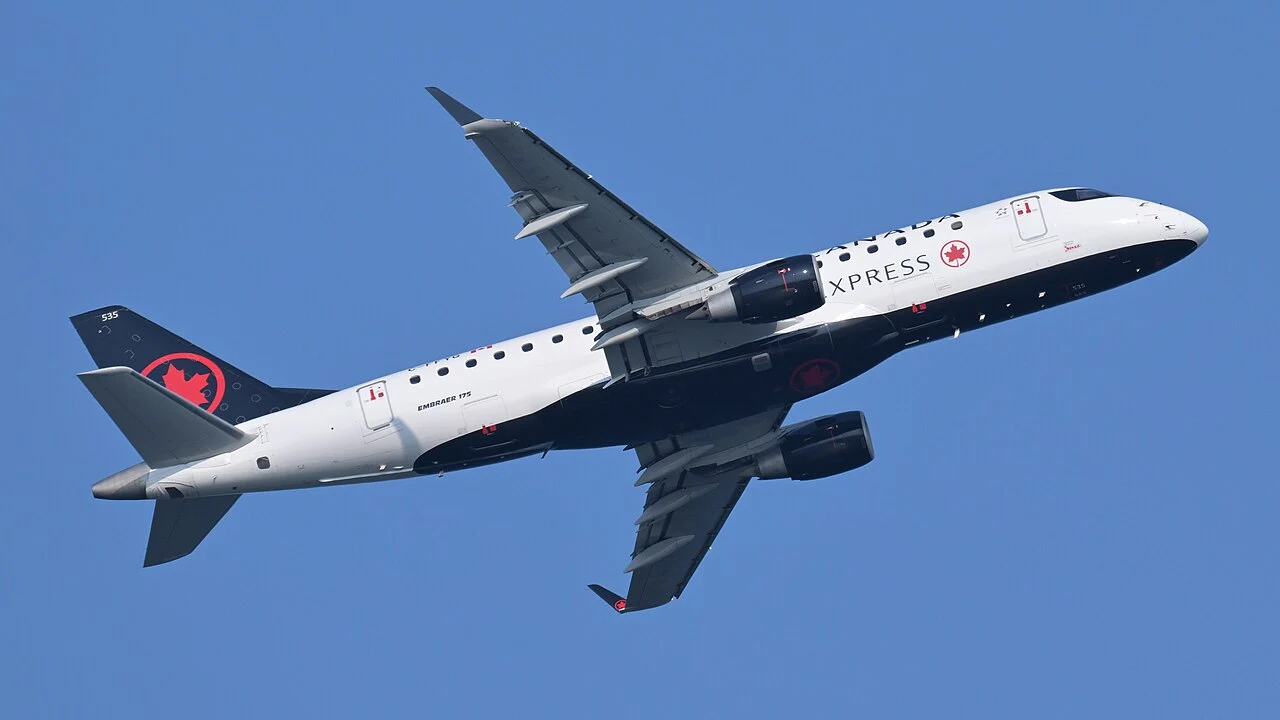
The FAA confirmed that the incident involved Republic Airways Flight 4464, operating on behalf of American Airlines (AA), and Jazz Aviation Flight 554, operating as Air Canada Express (AC). According to data from Flight Aware, Air Canada operates Jazz Aviation Flight 554 daily between Toronto (YYZ) and JFK on a one hour thirty-minute journey on an Embraer E175. AA also operates Republic Airways Flight 4464 daily between Indianapolis (IND) and JFK on an Embraer E175.
In a statement cited by Reuters, the regulator noted that “the crew of Republic Airways Flight 4464 performed a go-around… after missing the intended approach path and flying too close to Jazz Aviation Flight 554, which was cleared to land on a parallel runway.”
The agency added that the event remains under active investigation, with preliminary findings indicating a deviation from the assigned approach profile as the initiating factor.
Aircraft Separation Breached During Parallel approaches
Flight-tracking data reviewed by aviation analysts indicates that the two aircraft came within approximately 350 feet vertically and 0.62 miles horizontally at their closest point—well below standard separation minima for aircraft on final approach.
The incident unfolded at approximately 14:30 local time, as both aircraft aligned for parallel runways at JFK, a procedure that demands strict adherence to lateral and vertical separation protocols.
According to multiple reports, the American Airlines-operated jet deviated from its assigned glide path, encroaching into the adjacent approach corridor occupied by the Air Canada Express flight.
This was the Air Traffic Control (ATC) communication cited in ABC7:

Resolution Advisories and Evasive Action Avert Collision
Both flight crews received Traffic Collision Avoidance System (TCAS) resolution advisories—considered the most critical airborne collision warnings—prompting immediate corrective action.
Republic Airways, in a statement reported by U.S. media, said its crew “received a resolution advisory… and, consistent with our training and procedures, executed a go-around to land without further incident.”
Air Canada similarly confirmed that its crew “took immediate action,” emphasizing that safety protocols were followed and the aircraft landed safely after the aborted approach.
Go-around Procedures Highlight Layered Aviation Safety Systems
Both aircraft discontinued their initial landing attempts and performed standard go-arounds, a routine but safety-critical manoeuvre designed to restore safe separation and re-sequence traffic.
According to Skybrary, a go-around occurs when “an aircrew decides not to continue an approach, or not to continue a landing, and follows procedures to conduct another approach or to divert to another airport“.
In this case, controllers at JFK, subsequently vectored the aircraft for new approaches, and both flights landed safely without injuries or damage.
Incident Adds to Growing Scrutiny of U.S. Aviation Safety
The near miss comes amid heightened regulatory and public scrutiny following a series of recent incidents across U.S. airspace.
Notably, the FAA and National Transportation Safety Board (NTSB) continue to investigate a fatal runway collision at LaGuardia Airport (LGA) in March 2026, when an Air Canada Express jet struck a fire truck. This led to the death of the two pilots.
Industry observers note that while such close calls remain statistically rare relative to traffic volumes, their recurrence in high-density airspace—particularly in the New York terminal area—has intensified calls for systemic review.
All in All
John F. Kennedy International Airport (JFK) operates within one of the most complex terminal environments globally, with simultaneous parallel approaches forming a cornerstone of its high-capacity operations.
Such procedures rely on precise navigation, strict adherence to assigned flight paths, and continuous coordination between pilots and controllers.
Any deviation, even momentary, can rapidly erode separation margins, as evidenced by this incident, where corrective systems were required to intervene at the final stage of approach.

_E175_N413YX_KMIA_NASEDIT_(47110424032).jpg)

