Etihad Airways (EY) has announced a major expansion of its African network, adding six new destinations across the Democratic Republic of Congo, Eritrea, Ghana, Nigeria, and Zimbabwe from Zayed International Airport (AUH), Abu Dhabi. The new services will be introduced in phases beginning November 2026, with further launches through March 2027.
The carrier positions the expansion as part of a broader strategy to strengthen Abu Dhabi’s role as a global transit hub, linking Africa more efficiently with Asia, India, and wider intercontinental markets. The move also aligns with rising trade, cargo, and investment flows between the United Arab Emirates (UAE) and Africa.
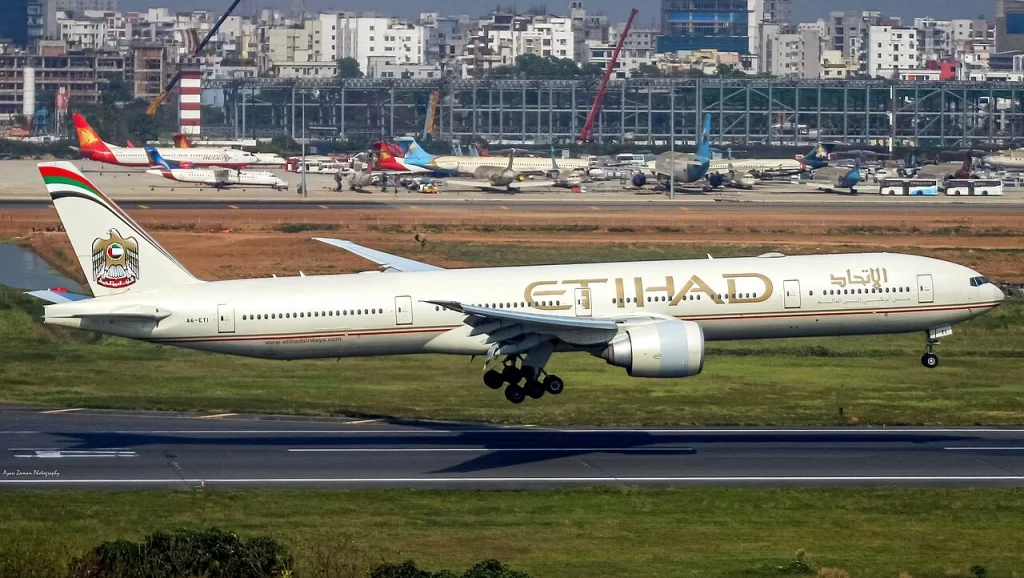
Etihad Airways Expands Africa Network from Abu Dhabi
Etihad Airways will add Accra (ACC), Kinshasa (FIH), Lagos (LOS), Harare (HRE), Lubumbashi (FBM), and Asmara (ASM) to its network, significantly deepening its footprint across high-growth African aviation markets. Here’s a look at these destinations:
| City | Country | Description |
|---|---|---|
| Accra | Ghana | One of West Africa’s most welcoming and energetic capitals, known for its thriving arts scene and the lively Osu neighbourhood, making it an increasingly compelling destination. |
| Asmara | Eritrea | A city frozen in elegant time, with UNESCO-listed modernist and Art Deco streetscapes that create an atmospheric and distinctive urban landscape unlike anywhere else in Africa. |
| Harare | Zimbabwe | A leafy, grid-planned high-altitude capital on the Highveld, featuring the National Gallery, the vibrant Mbare market, and a reputation for warmth and understated sophistication. |
| Kinshasa | DR Congo | A major river city of around 17 million people on the Congo River, recognised as the birthplace of soukous and rumba, with a deeply creative and diverse cultural scene. |
| Lubumbashi | DR Congo | The copper-rich capital of Haut-Katanga in southern DR Congo, shaped by mining wealth and home to the Lubumbashi Museum, one of Central Africa’s leading ethnographic institutions. |
| Lagos | Nigeria | Africa’s largest city and a megacity of over 20 million people, defined by entrepreneurial dynamism and a globally influential music and culinary culture. |
The airline stated that demand across these markets is increasingly driven by structural growth in trade, resource exports, and population mobility.
In a statement from Abu Dhabi, Chief Executive Officer Antonoaldo Neves said Africa represents a “natural and compelling next step” in Etihad’s network evolution, citing strong underlying demand across both passenger and cargo segments:
Demand for air connectivity across key African markets is outpacing existing supply, particularly in cargo and trade-linked sectors. This expansion is a direct response to that structural opportunity. By extending our network alongside our recent China expansion, we are enabling a more efficient corridor linking Africa, the Middle East and Asia through Abu Dhabi. For passengers, this creates simpler, faster journeys. For cargo, it provides more direct and reliable access between two regions where trade is growing rapidly.
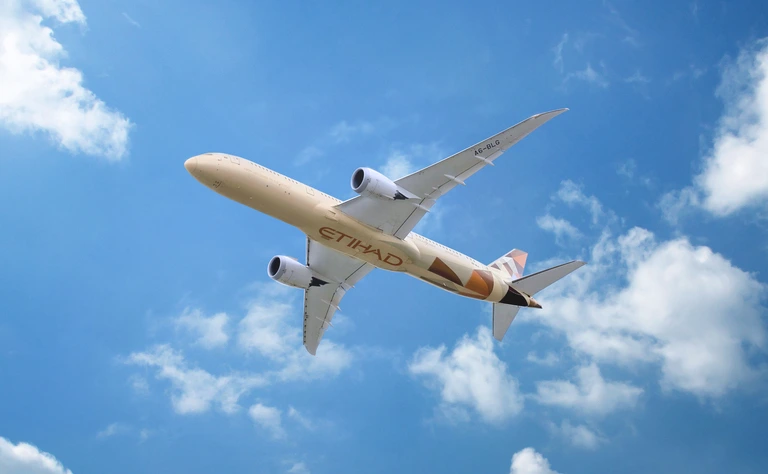
Abu Dhabi airport Strengthens Africa–Asia Connectivity Corridor
The expansion reinforces Zayed International Airport (AUH), Abu Dhabi, as a strategic intermediary between Africa and Asia, with Etihad positioning the hub as a central node for long-haul transfer traffic.
Etihad highlighted that the new African routes would integrate with its expanding Asia network, particularly China and India, enabling one-stop connectivity between two of the world’s fastest-growing aviation regions. The airline also noted its deepening cooperation with China Eastern Airlines as part of a broader east–west network strategy.
Industry observers view this alignment as part of Abu Dhabi’s long-term ambition to consolidate itself as a premium transfer hub competing with Dubai and Doha on intercontinental traffic flows.
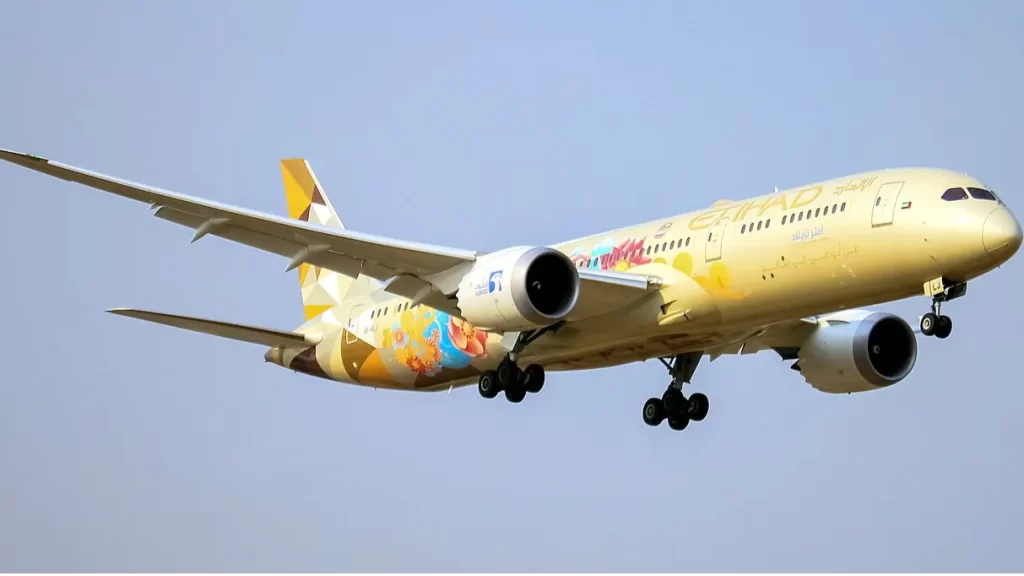
Etihad’s Africa Expansion is Cargo and Trade-Driven
Etihad Cargo will play a central role in the expansion, with belly-hold capacity available across all new African routes. The airline said it will tailor freight solutions to regional export profiles, particularly in sectors such as agriculture, mining, pharmaceuticals, and industrial goods.
The carrier emphasized that cargo demand between Africa and Asia continues to outpace available capacity on several corridors. The new network is expected to provide more direct routing options, reducing reliance on multi-stop freight itineraries through European hubs.
Etihad will phase the new African services over a five-month period, beginning in November 2026. The initial launch will connect Abu Dhabi (AUH) with Asmara (ASM), followed by successive additions through March 2027.
| Destination | Country | Airport Code | Start Date | Frequency |
|---|---|---|---|---|
| Asmara | Eritrea | ASM | 7 Nov 2026 | 4x weekly |
| Accra | Ghana | ACC | 17 Mar 2027 | 4x weekly |
| Kinshasa | DR Congo | FIH | 18 Mar 2027 | 3x weekly |
| Lagos | Nigeria | LOS | 18 Mar 2027 | 7x weekly |
| Harare | Zimbabwe | HRE | 24 Mar 2027 | 3x weekly |
| Lubumbashi | DR Congo | FBM | 24 Mar 2027 | 3x weekly (paired service) |
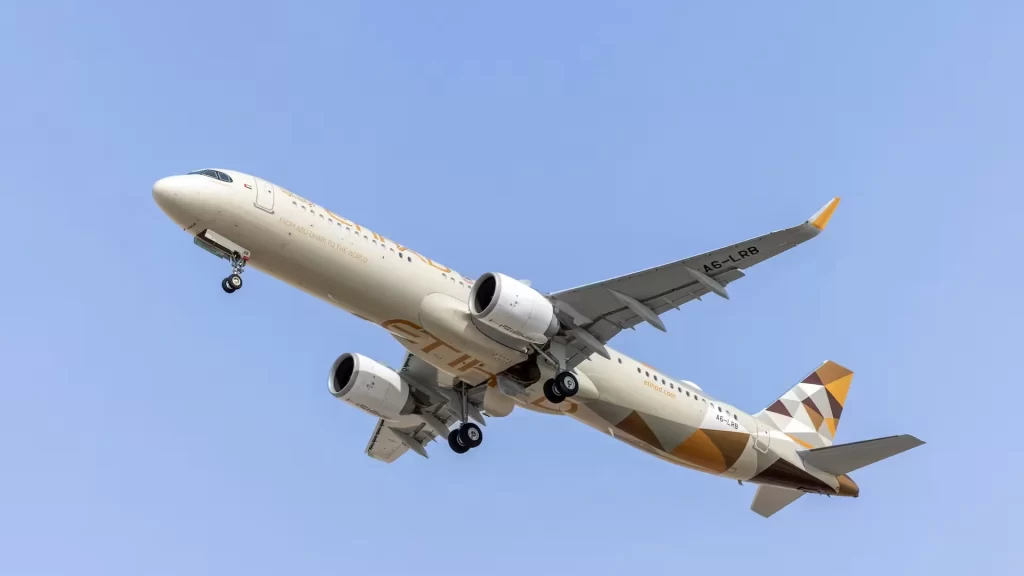
All in All
The expansion complements Etihad’s existing strategic partnerships, including its joint venture with Ethiopian Airlines, which has strengthened intra-African connectivity in recent years. The airline also continues to expand its India and China networks, reinforcing a triangular corridor linking Africa, the Middle East, and Asia.
Etihad stated that this network architecture is designed to improve passenger journey efficiency while enhancing commercial opportunities for trade-sensitive industries. The airline views Abu Dhabi’s geographic positioning as a critical advantage in enabling these multi-region flows.
Details of which aircraft Etihad will operate on these routes is still unclear. Here’s a look at the carrier’s fleet:
| Aircraft Type | In Service | Parked | Current Total | Future 2 | Historic | Avg. Age | Total |
|---|---|---|---|---|---|---|---|
| Airbus A320 | 15 | 2 | 17 | 12 | 14.0 years | 29 | |
| Airbus A321 | 25 | 2 | 27 | 3 | 1 | 5.4 years | 31 |
| Airbus A350 XWB | 11 | 11 | 1 | 3.4 years | 12 | ||
| Airbus A380 | 5 | 4 | 9 | 1 | 10.6 years | 10 | |
| Boeing 777 | 14 | 1 | 15 | 22 | 12.7 years | 37 | |
| Boeing 787 Dreamliner | 46 | 1 | 47 | 7.2 years | 47 | ||
| Total | 116 | 10 | 126 | 4 | 104 | 8.3 years | 234 |
Data: planespotters.net

_Boeing_787-9_Dreamliner_MSN-39657.jpg)