Emirates Airline (EK), which launched the grand slam livery in itsA380 last week, has announced the augmentation of its long-standing services between Dubai International Airport (DXB) and Ninoy Aquino International Airport (MNL), Manila with the addition of four weekly flights commencing on 2 April 2026.
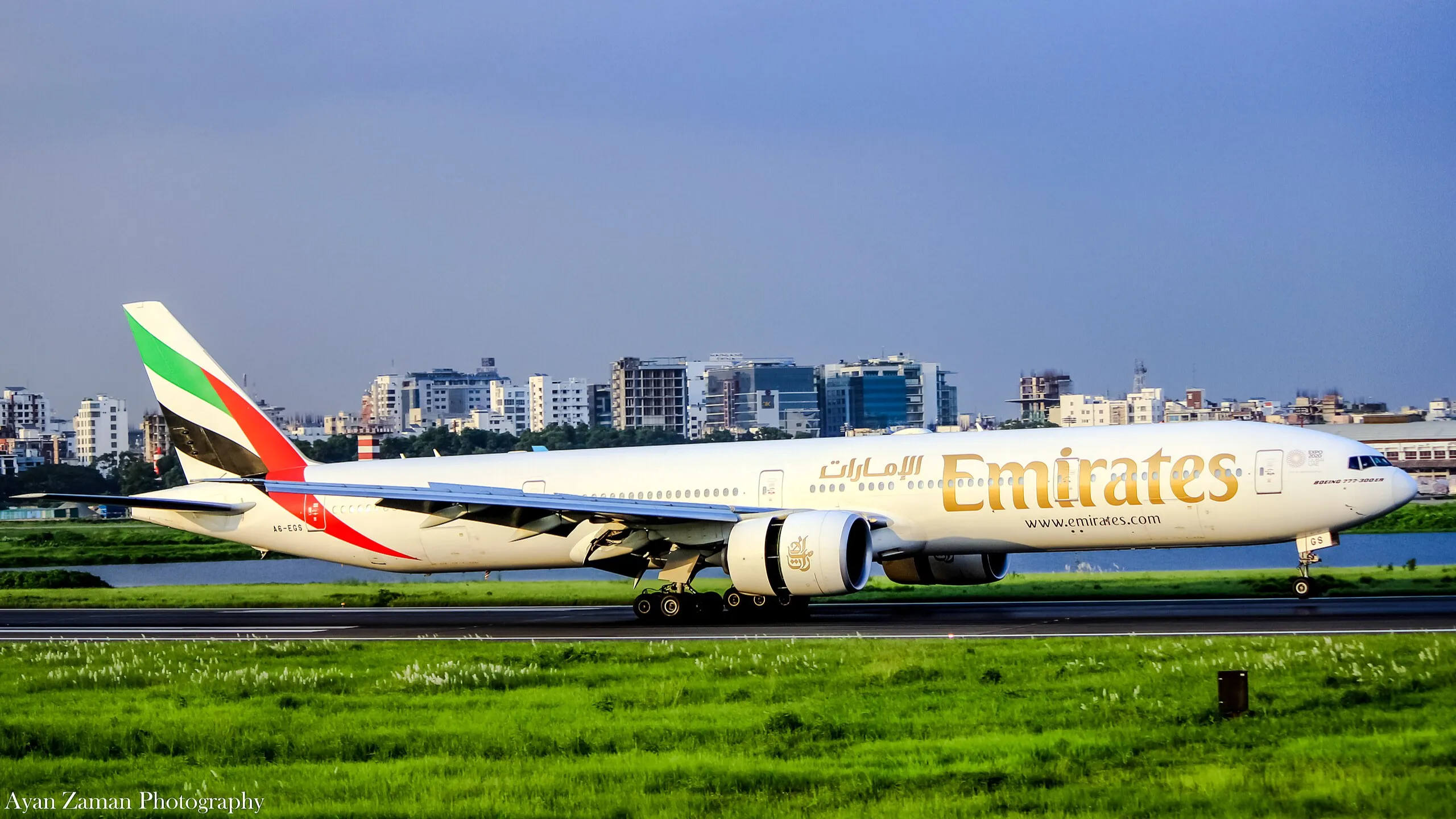
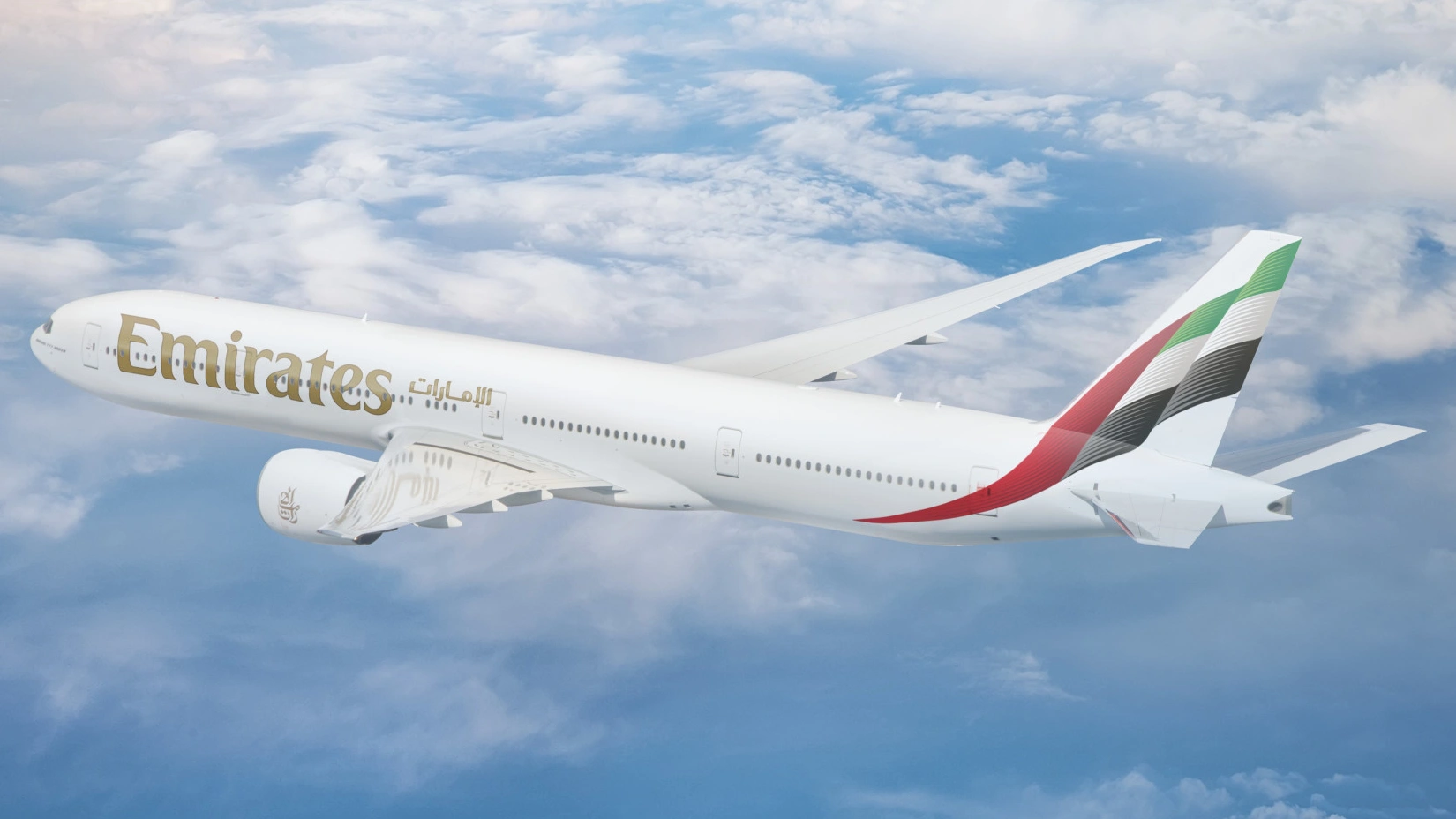
The expansion raises the total weekly flights between Dubai and Manila to 32 services, up from 28, reinforcing Emirates’ commitment to its Southeast Asia network and catering to corporate travellers, expatriate communities, and tourism-driven traffic. These additional frequencies are to operate on Mondays, Wednesdays, Thursdays, and Saturdays under flight numbers EK330 and EK331, utilizing the carrier’s Boeing 777-300ER aircraft.

Emirates’ Expanded Manila Services: Route Specifics and Aircraft Operations
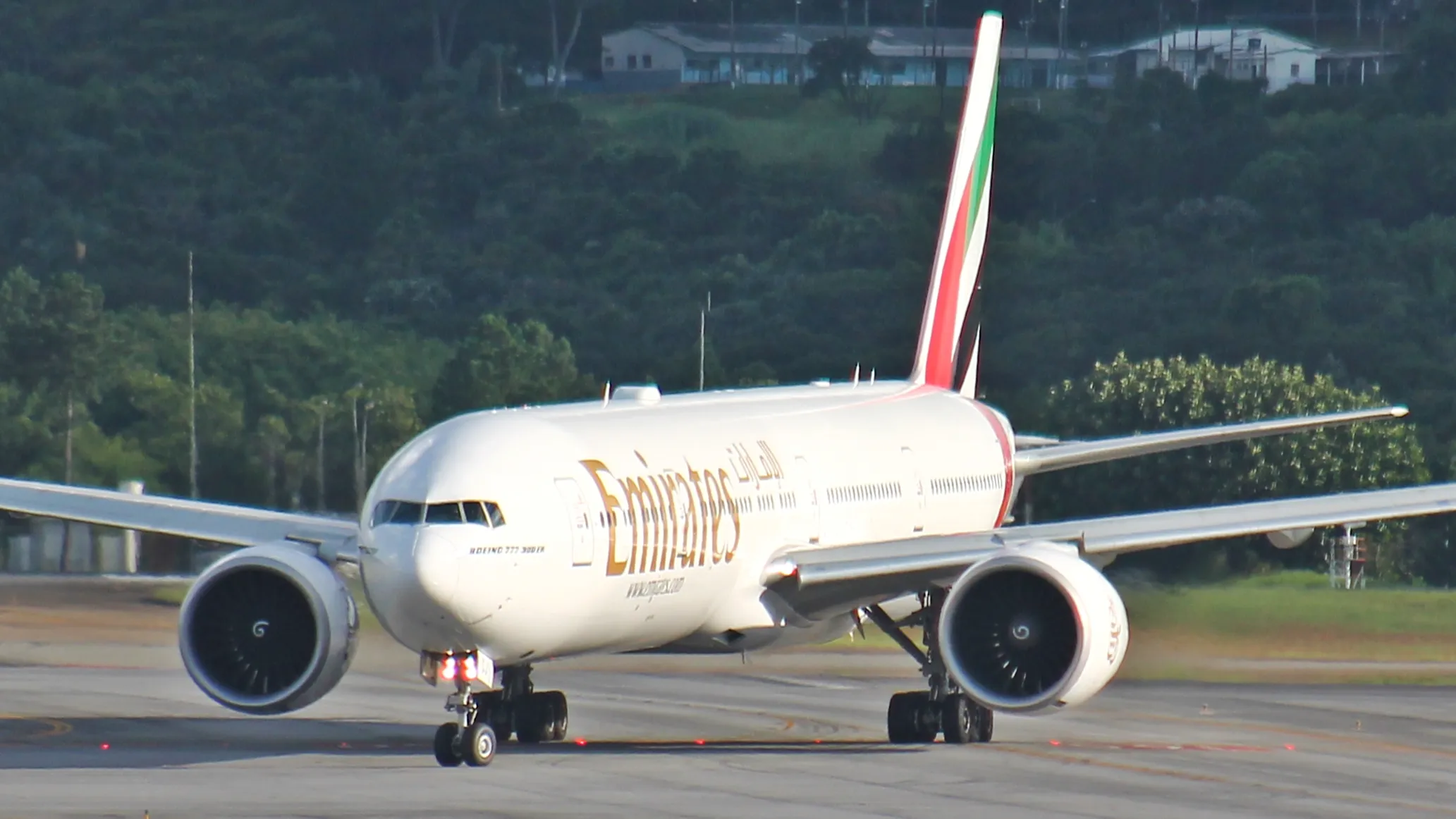
Emirates’ Flight EK330 departs DXB at 12:45 local time, arriving MNL at 01:25 next day, while the returning flight EK331 departs MNL at 03:25, arriving DXB at 08:25. All new services are operated with Boeing 777-300ER, an aircraft type that Emirates has 119 in its fleet, and these average 12.6 years. The youngest of these is registered A6-EQP and is 7.3 years. On the other hand, the oldest of these is registered A6-EBK and is 20 years old.
The Boeing 777-300ER type not only enhances seat capacity with 8 First Class suites, 42 Business Class lie-flat seats, and 304 Economy seats, but also offers significant belly cargo volume — up to 20 tons even when fully booked with passengers, amplifying freight capacity on this strategically vital route. Passengers will get:
-
Access to Emirates’ award-winning onboard and ground service across all cabin classes
-
Regionally inspired meals paired with complimentary beverages
-
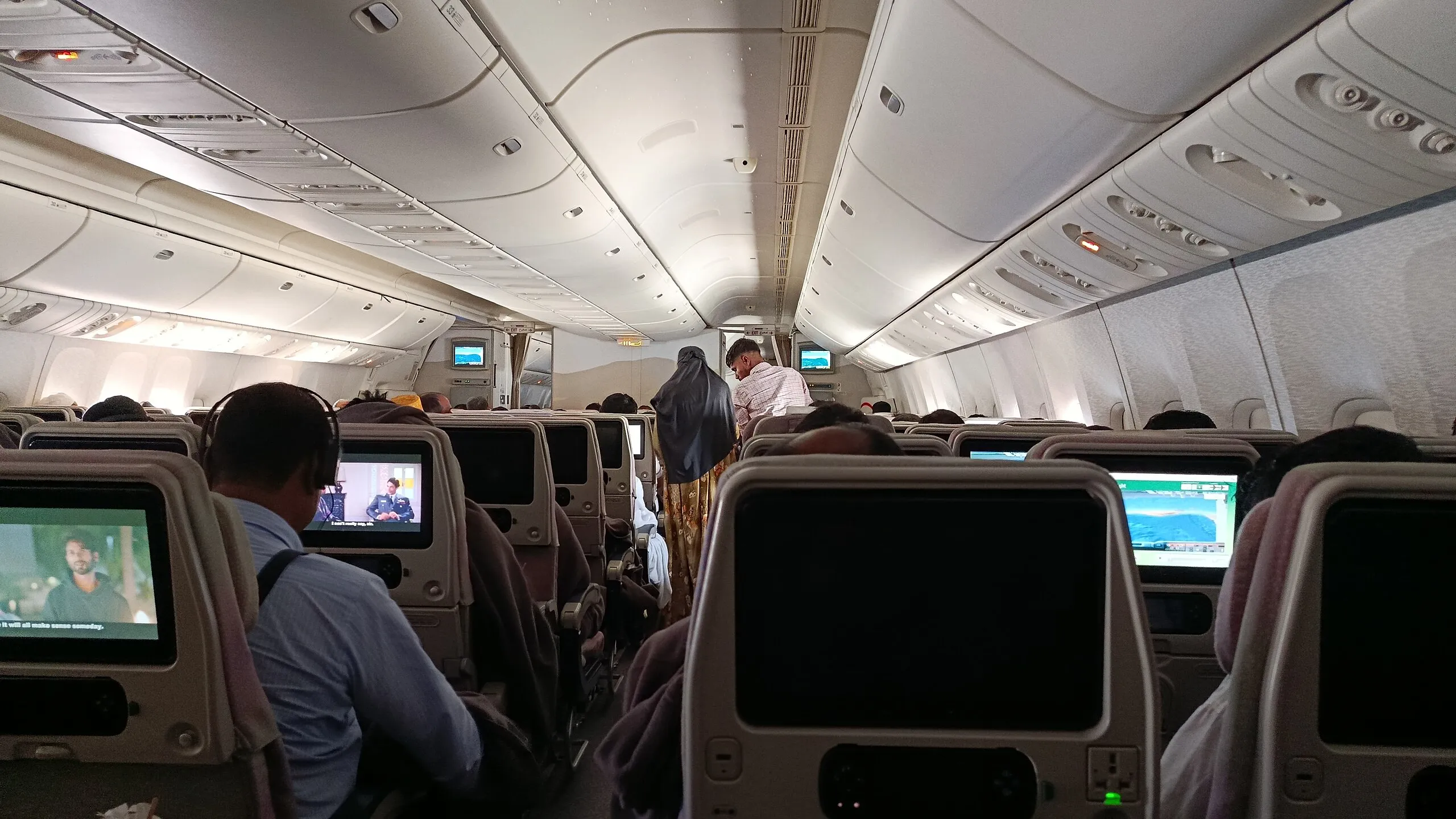
The airline’s ice inflight entertainment system with more than 6,500 on-demand channels
-
Entertainment available in over 40 languages, including Tagalog
-
A broad selection of movies, television programmes, and music
-
Additional content such as games, audiobooks, and podcasts.
Ninoy Aquino International Airport (MNL) is the principal gateway to the Philippines, serving as a vital international hub for both inbound tourism and outbound labour mobility, particularly between the Middle East and Southeast Asia. The Manila-Dubai air corridor is critical due to substantial expatriate Filipino communities:
With this expansion, the airline will offer greater choice and enhanced connectivity for corporate travellers, marine customers as well as the large Filipino diaspora across Emirates’ global network, including the UAE, Saudi Arabia, Italy, Spain, United States, Kuwait, Germany, France, Netherland, Switzerland, Turkey, Portugal and South Africa.
In addition to passenger service expansion, Singapore-based Gulf carriers are leveraging Manila as a gateway for efficient connectivity into North America and Europe, optimizing transit times and enhancing intercontinental accessibility.
Emirates Has Been Operating Manila Since the 90s
Emirates’ presence in the Philippines has expanded significantly since it launched scheduled passenger services to Ninoy Aquino International Airport (MNL) in Manila in 1990 with an initial weekly flight. The airline gradually increased capacity on the Dubai–Manila route as demand for labor, leisure, and connecting travel grew, eventually reaching up to three daily services, or around 21 flights per week, by 2014.
In 2016, Emirates further expanded its Philippine network by introducing circular services via Cebu (CEB) and Clark (CRK), extending its operations beyond Manila. The airline strengthened its domestic connectivity in March 2023 through an interline partnership with Philippine Airlines (PAL), when it was operating 25 weekly flights to the Philippines. By 2025, Emirates had increased its Philippine network to 28 weekly services covering Manila, Cebu, and Clark. In April 2026, the airline added four more weekly Manila flights on EK330/EK331, bringing its total Philippine operations to 32 flights per week.
Some early reports, including one version of Emirates’ own press release, cited a total of 34 weekly flights; however, this figure does not reconcile with the stated 28-flight baseline plus four new services, and Emirates’ own website separately confirms the corrected total of 32.
In addition to network and partnership expansion, Emirates has also invested in brand presence and customer engagement on the ground. In 2024, the airline inaugurated its first Emirates World Store in Southeast Asia, located in central Manila.
The experiential retail space allows customers to explore Emirates’ premium proposition beyond the airport environment, including a close-up look at signature products such as the Airbus A380 onboard lounge bar, as well as a curated range of Emirates-branded merchandise and travel accessories.
Emirates World Store, Manila: Key Features
| Feature | Description |
|---|---|
| Location | Central Manila |
| Regional significance | First Emirates World Store in Southeast Asia |
| Customer experience | Interactive product displays and service consultations |
| Merchandise | Emirates-branded travel accessories and NBA-themed collection |


.jpg)