A Russian Antonov An‑22 military heavy transport aircraft (registration RF‑08832) disintegrated in mid‑air and crashed into the Uvodskoye Reservoir near Ivanovo Oblast, Russia, on 9 December 2025, killing all on board during a post‑maintenance test flight.
The crash, one of the most dramatic in recent memory involving a Cold War-era turboprop, is likely to trigger an extensive investigation by Russian authorities. Initial reports indicate a catastrophic in‑flight failure minutes after takeoff from a military base near Ivanovo, which is a region that lies 200 kilometers (125 miles) east of Moscow.
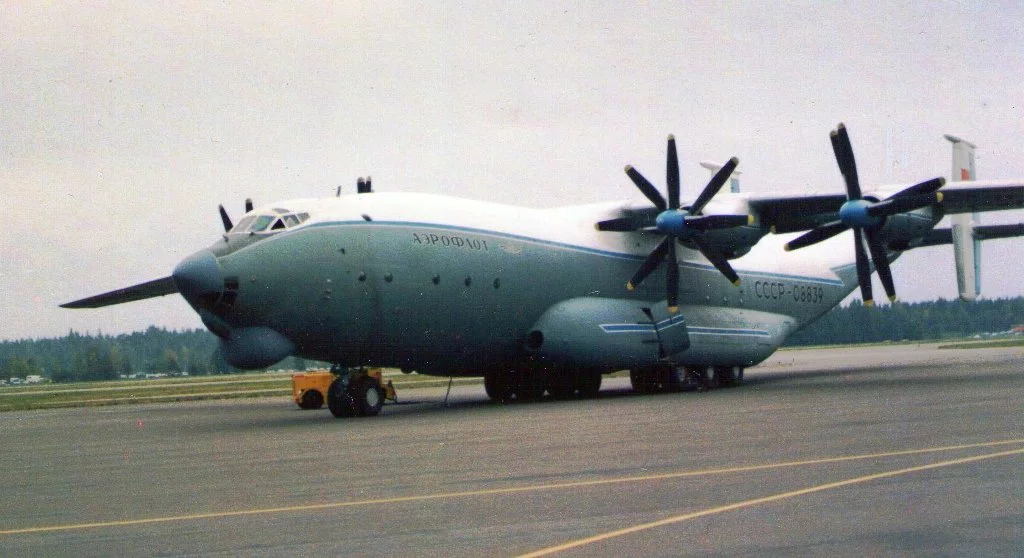
Crash Sequence and Technical Factors
Social media footage widely circulated in open‑source intelligence communities show the fuselage separating and sections of the aircraft detaching as it plummeted toward a reservoir.
Witnesses and analysts have described the breakup sequence as rapid and explosive, suggesting a sudden structural failure rather than a controlled emergency landing attempt. According to Kommersant.ru, Russia’s military plans to use tanks and tractors to recover the wreckage from the water.
A commission has been established within the Aerospace Forces to investigate the circumstances of the accident, while military investigators have opened a criminal case under Article 351 of Russia’s Criminal Code, which covers violations of flight or flight-preparation rules. Investigators are examining the crash site and collecting documents related to the aircraft’s operation and maintenance, along with fuel samples for further testing.
Various reports indicate that the An-22 had departed on a test flight after undergoing recent maintenance work. Shortly after takeoff, the aircraft reportedly lost control and broke apart before crashing, killing all crew members and technicians on board.
Questions have also been raised about whether maintenance or repair deficiencies at the 308th Aircraft Repair Plant contributed to the accident. However, investigators have not yet established an official cause, while the aircraft involved was more than 50 years old.
Industry reports have pointed to wider financial and operational difficulties at the repair facility, including possible maintenance shortcomings that could have resulted in faulty assembly or improperly serviced flight-control actuators. Defense Express reported that Russian sources have raised concerns about the financial condition of the facility, despite its position within Aviaremont and the wider United Aircraft Corporation (UAC) structure.
The potential role of maintenance failures remains part of the investigation, and no definitive link between the repair facility and the crash has been established.
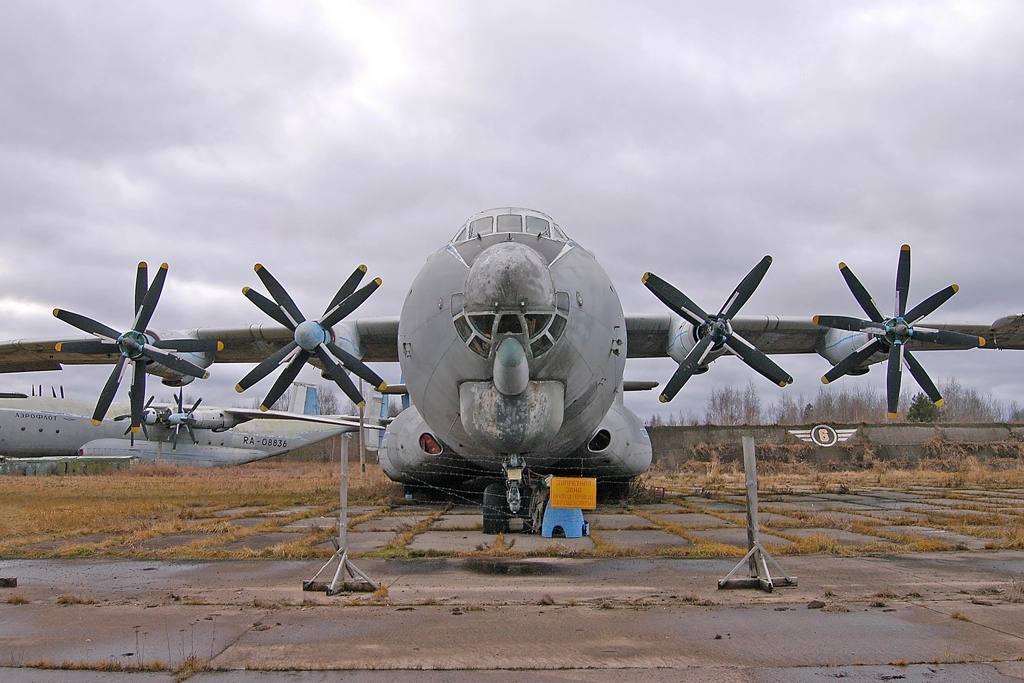
Expert Insight into the Reasons Behind the Crash of the Largest Turboprop
This technical viewpoint highlights that catastrophic disintegration is rarely attributable to a single minor fault but often stems from compounded stress and lifecycle challenges. It has been said that there are 2-5 An-22 that are currently in operation.
Reports have raised the possibility that maintenance or repair deficiencies at the 308th Aircraft Repair Plant may have contributed to the accident, although the official investigation has yet to establish a definitive cause.
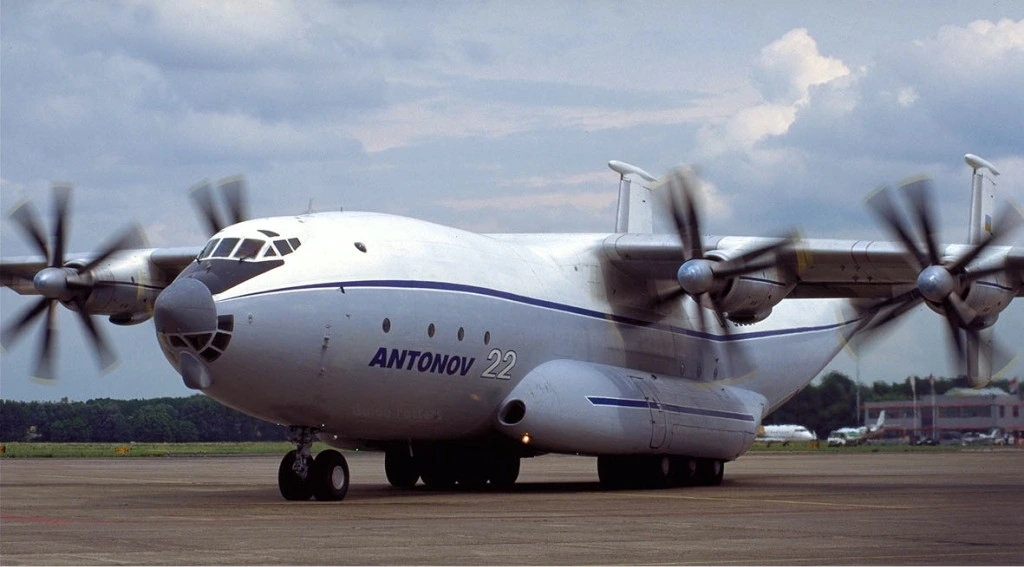
Key findings reported so far include:
-
The accident has reportedly been attributed to “incorrectly assembled or inadequately repaired control actuators”.
-
Workers at the facility have allegedly gone unpaid for several months, raising concerns about workforce morale and quality control.
| Financial item | Amount |
|---|---|
| Total outstanding debt | More than $3.76 million |
| Unpaid wages | ~$720,000 |
| Electricity arrears | ~$250,000 |
| Court-ordered compensation to Ilyushin | $2.3 million |
| Contract in dispute | Aircraft repair agreement signed in 2020 |
The following are the aircraft types supported by the plant:
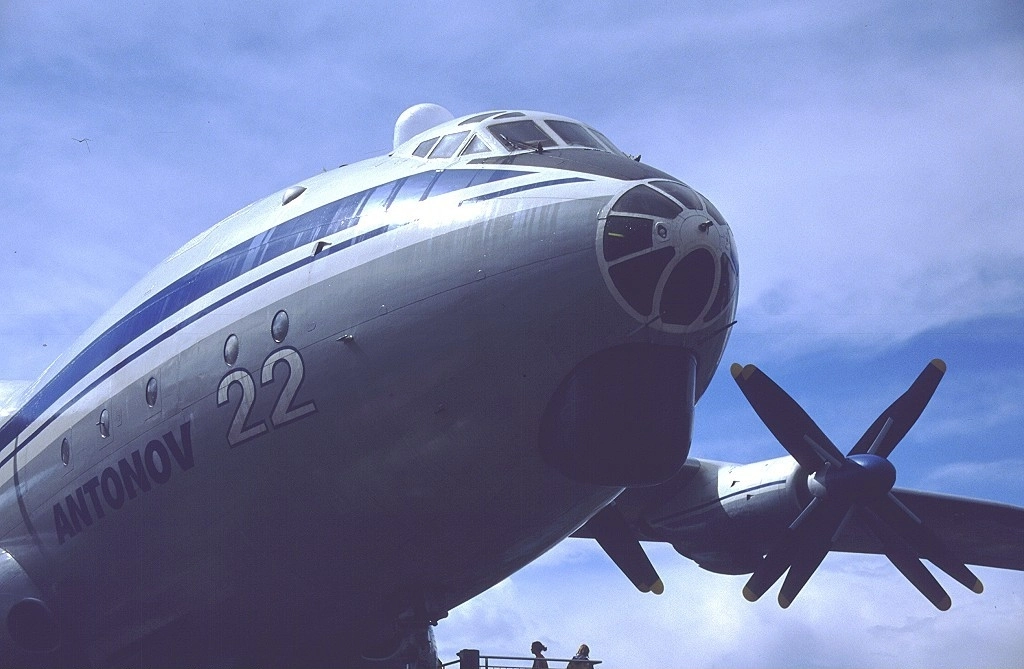
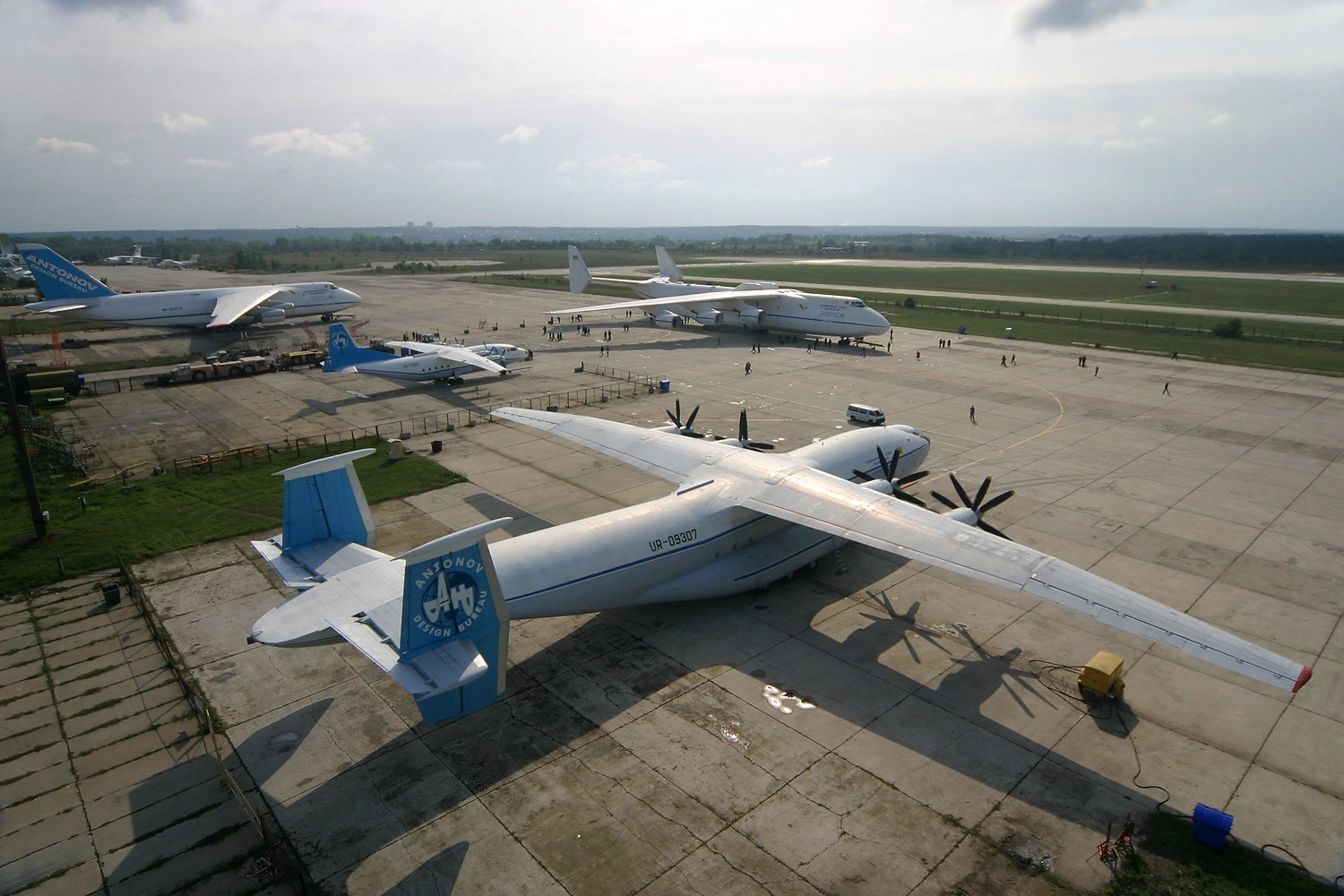
According to The War Zone, unconfirmed reports in August 2024 suggested that Russia had retired its An-22 fleet. The reports indicated that the last known example, RF-09309, built in 1974, had been flown from its base at Migalovo to Yekaterinburg on August 16, 2024, with plans for it to be placed on display at the military museum in Verkhnyaya Pyshma.
However, subsequent satellite imagery did not show an An-22 at the museum, leaving the aircraft’s fate uncertain. The War Zone noted that RF-09309 could potentially have been the An-22 involved in the later crash, although it could also have been one of several other aircraft that were reportedly still associated with Russia’s 196th Military Transport Aviation Regiment in 2024.
These 2024 retirement reports appear to have been premature, or applied only to some airframes rather than the entire fleet. RF-08832, the aircraft involved in this crash, was evidently still active and undergoing maintenance more than a year after TWZ’s sources described the type as fully retired — a discrepancy that raises its own questions about how many An-22s Russia actually still operates, and why.
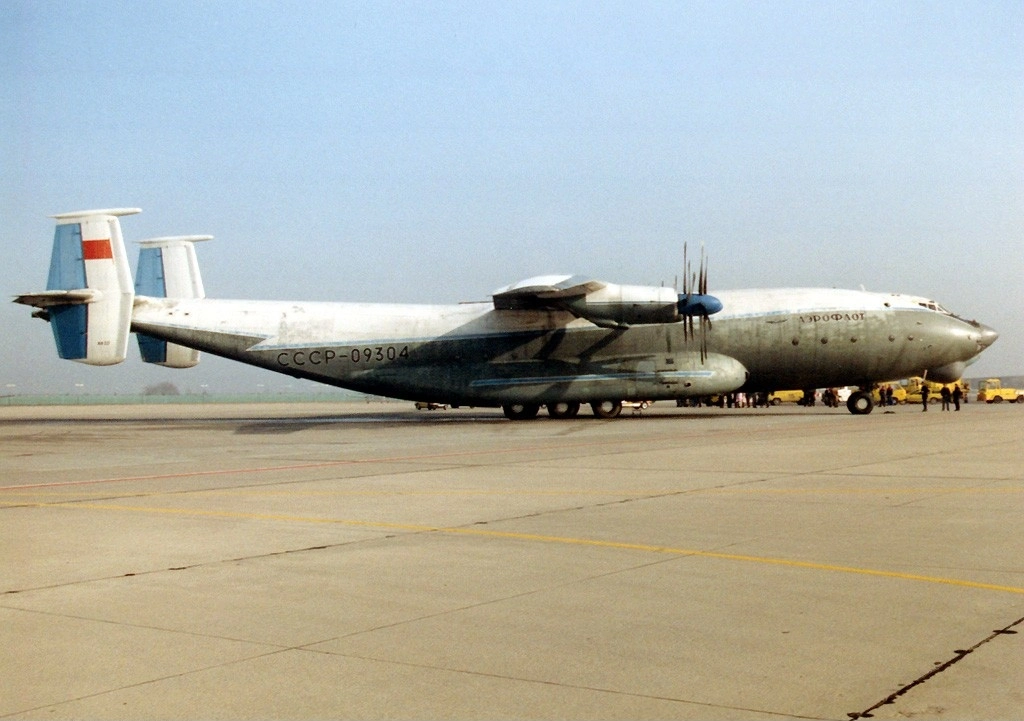
The Antonov An-22 is a relic of the Soviet era aircraft that included the likes of Caspian Sea Monster, Ilyushin Il-76 among others.
In the early 200s, there were 9 airworthy An-22 at Migalovo, a fleet size which reduced to five in the recent years. In 2024, Russian Military Transport Aviation commander Gen. Vladimir Venediktov stated the An-22 would retire before year’s end.


_AN1458664.jpg)


