India’s Ministry of Defence formally issued a Request for Proposal (RFP) for the prototype development phase of the Advanced Medium Combat Aircraft (AMCA) programme on May 27, 2026, directing the tender to three shortlisted private-sector-led consortia: Tata Advanced Systems Limited (TASL), a consortium led by Larsen & Toubro (L&T) in partnership with Bharat Electronics Limited (BEL) and Dynamatic Technologies, and a Bharat Forge-led group comprising BEML and Data Patterns, The Times of India reported.
The RFP — administered by the Aeronautical Development Agency (ADA) under the Defence Research and Development Organisation (DRDO) — covers the manufacture of five flying AMCA prototypes, one structural test specimen, and the full supporting test ecosystem required for engineering development of the 25-tonne twin-engine stealth fighter jet. The three bidders were selected from an initial pool of seven respondents to the Expression of Interest floated in 2025, following technical and commercial evaluations completed earlier in 2026.
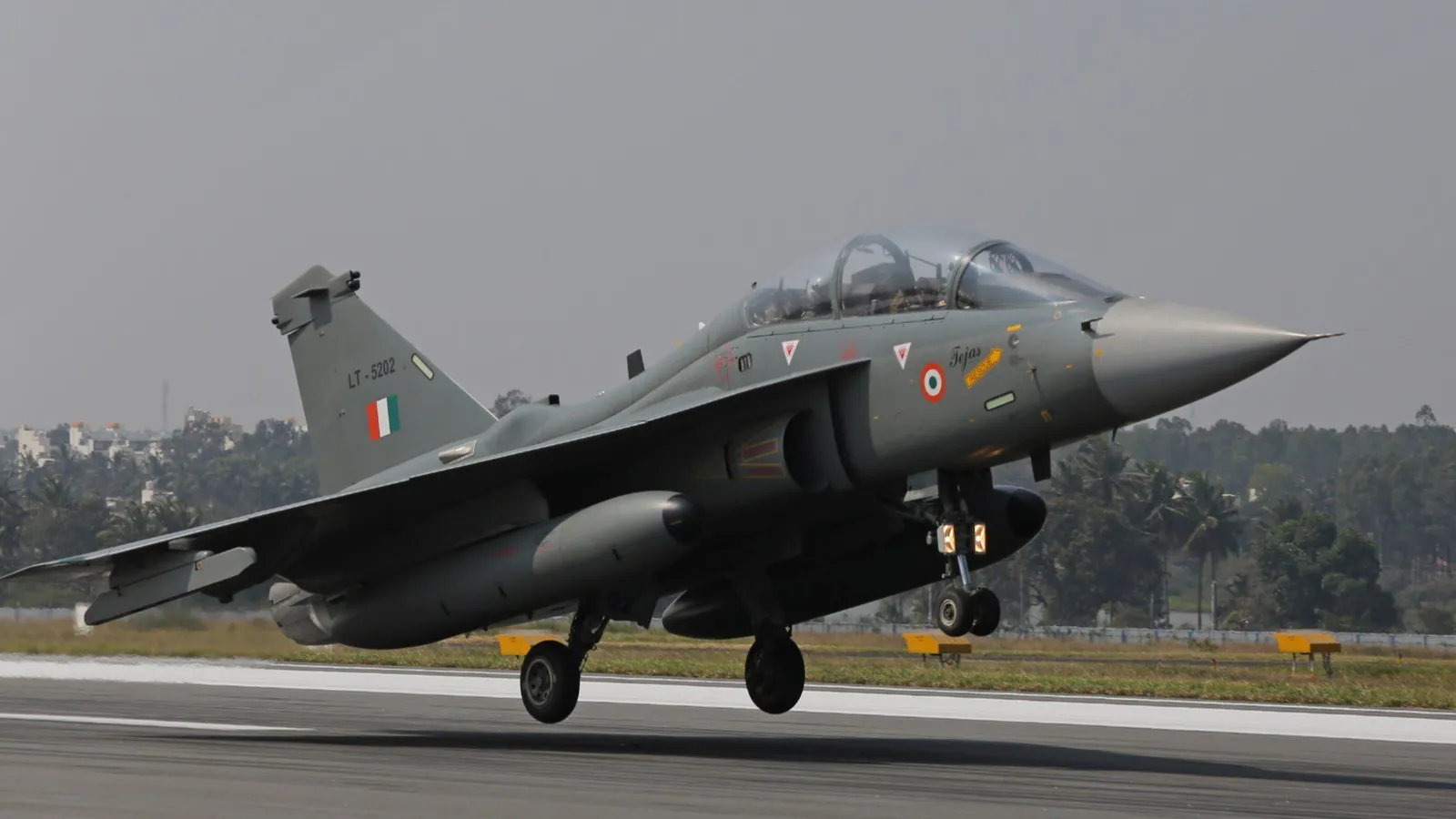
This is the first time since independence, a major Indian combat aircraft programme is being opened exclusively to private-sector-led consortia, with state-owned Hindustan Aeronautics Limited (HAL) — the manufacturer of every Indian fighter aircraft to date — having failed to advance through the pre-qualification process. Defence officials indicated that concerns over HAL’s manufacturing bandwidth contributed to its exclusion, with reports noting that the company’s current order backlog stands at nearly eight times its annual revenue and it is already contending with delivery delays on the Tejas Mk1A programme. The selected private consortium will work alongside ADA, which retains design authority for the aircraft and overall technical oversight of the programme.
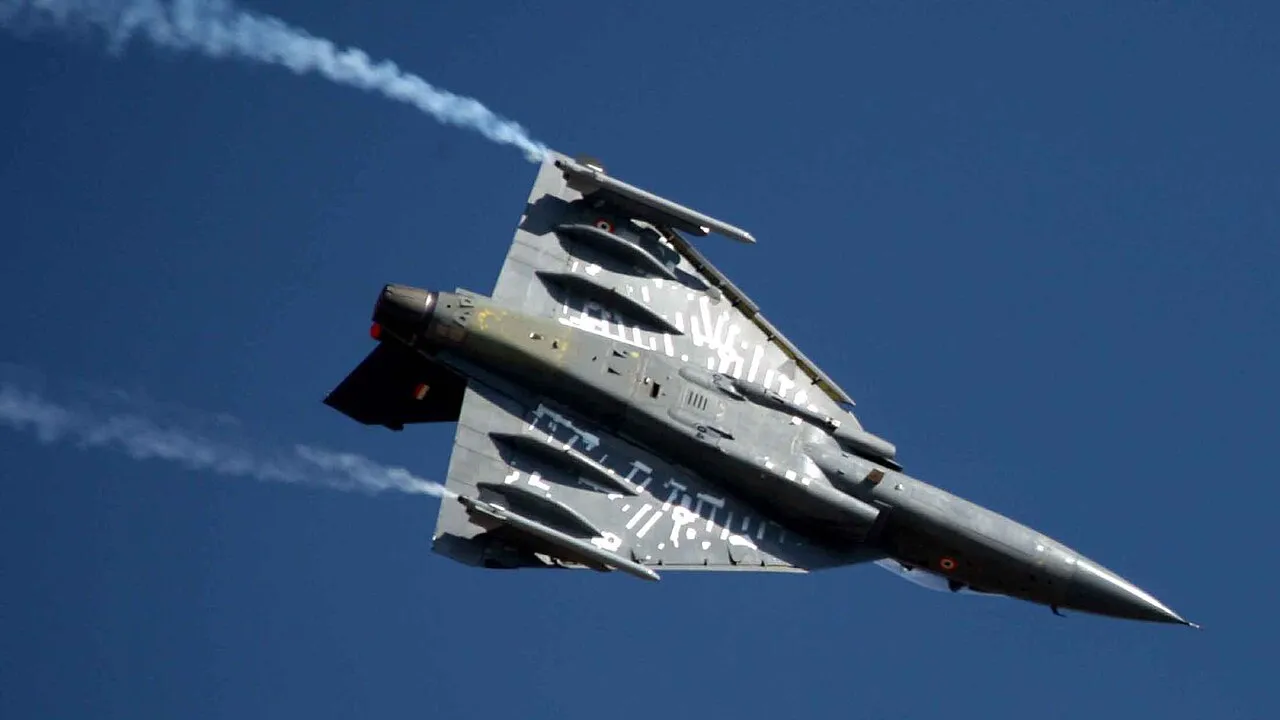
Ministry of Defence, Government of India
Why India Desperately Needs the AMCA Now?
The AMCA is India’s most ambitious indigenous aerospace undertaking since the Light Combat Aircraft (LCA) Tejas programme. The Cabinet Committee on Security (CCS) sanctioned the prototype development phase in March 2024, approving an initial budget of approximately ₹15,000 crore (roughly USD 1.8 billion) for the design, development, and flight testing of five prototypes. DRDO Chairman Dr Samir V Kamat has publicly committed to a first prototype rollout by late 2028 and a maiden flight in early 2029, with series production entry and IAF induction targeted for 2034–35.
The operational urgency behind the AMCA cannot be overstated. The IAF currently operates approximately 29 to 31 fighter squadrons against a sanctioned minimum strength of 42.5 squadrons — a deficit of more than 12 squadrons that worsened following the retirement of the last MiG-21 Bison units in 2024. Across India’s northern and western borders, both China and Pakistan have been actively inducting or developing fifth-generation platforms: China’s Chengdu J-20 Mighty Dragon fleet numbered more than 300 aircraft as of 2025, while Pakistan has sought advanced platforms from China including the J-35 programme. India currently fields no operational fifth-generation aircraft and, by the IAF’s own planning timeline, will not until 2034 at the earliest.
The Three Shortlisted Consortia — And What Each Brings to the Competition
India’s AMCA manufacturing race now rests among three industrial groupings, each configured to bring distinct and complementary capability to a programme that demands proficiency across airframe manufacturing, avionics integration, and advanced systems engineering.
Tata Advanced Systems Limited (TASL) — Independent Bidder
TASL is the defence and aerospace manufacturing subsidiary of the Tata Group, one of India’s largest conglomerates. TASL is currently assembling Airbus C-295 transport aircraft at its facility in Vadodara, Gujarat, under a 56-aircraft contract with the IAF — the first time a private Indian firm has assembled a military aircraft within India.
Sixteen of those aircraft are being supplied from Spain; the remaining 40 are being manufactured domestically. TASL has also produced aerostructures for Boeing and Sikorsky platforms and has been involved in defence electronics and precision manufacturing for multiple IAF platforms.
L&T–BEL–Dynamatic Technologies Consortium
Larsen & Toubro is an Indian multinational engineering and defence company with annual revenues of roughly USD 30 billion and extensive experience in missile systems, naval vessels, submarines, and military engineering. BEL is a Navratna public-sector undertaking under the Ministry of Defence with FY2024–25 revenue of approximately ₹23,024 crore (about USD 2.7 billion), and is a leading supplier of defence electronics, radar systems, and avionics for Indian military programmes including the HAL Tejas.
Dynamatic Technologies contributes expertise in advanced aerostructures and aerospace sub-system manufacturing, supplying components to major global aerospace OEMs including Airbus and Boeing.
Bharat Forge–BEML–Data Patterns Consortium
Bharat Forge, part of the USD 3.5 billion Kalyani Group, holds a 50 per cent stake in this consortium, with BEML contributing systems assembly capability and Data Patterns providing defence and aerospace electronics expertise. Bharat Forge has established a substantial defence footprint in artillery systems and armoured vehicle components and has expanded into small jet engine manufacturing in recent years.
Data Patterns has previously supplied avionics and electronics to the LCA Tejas programme, the BrahMos missile system, and ISRO and DRDO platforms. Rolls-Royce signed an agreement with Bharat Forge in 2025 to manufacture and supply fan blades for its Pearl 700 and Pearl 10X engines, signalling its growing role in precision aerospace component manufacturing.
Why Was HAL Excluded?
The exclusion of Hindustan Aeronautics Limited from the AMCA prototype competition has generated the most immediate policy discussion surrounding the RFP announcement. HAL submitted a bid in partnership with two smaller firms but did not qualify under the evaluation framework laid down by ADA, marking the first time the state-owned aerospace major has been sidelined from a programme of this scale in its seven-decade history.
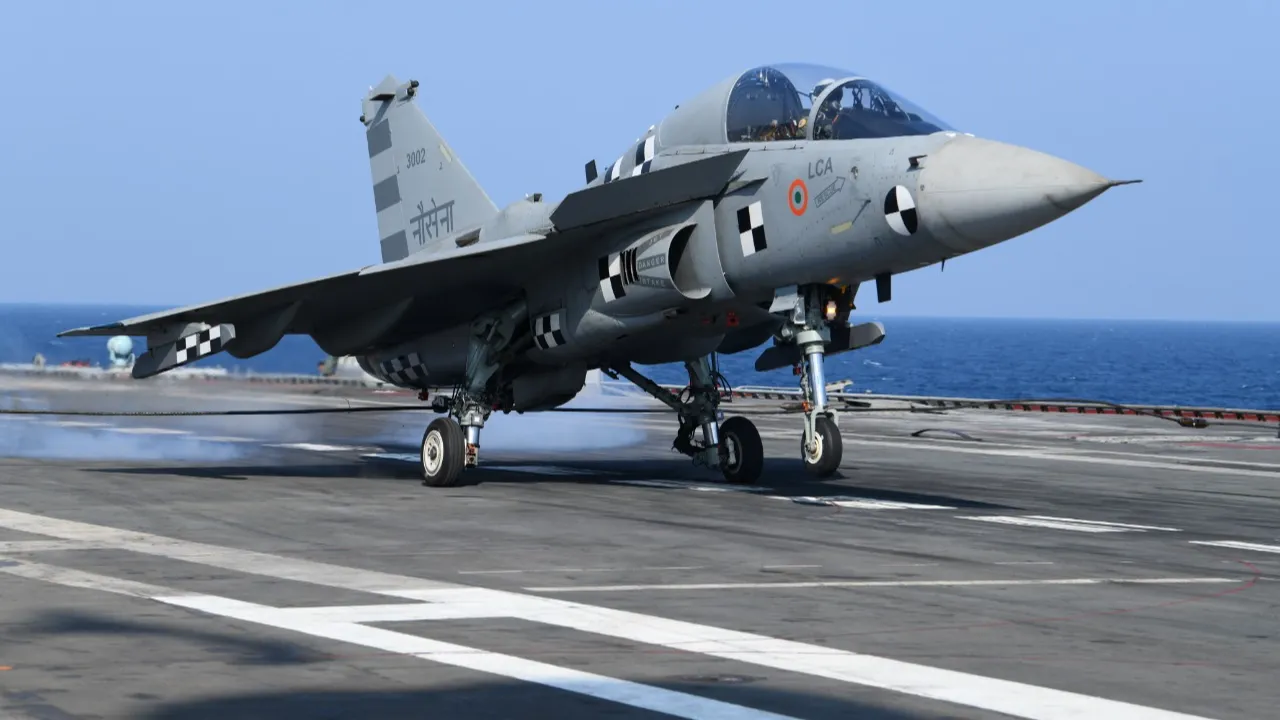
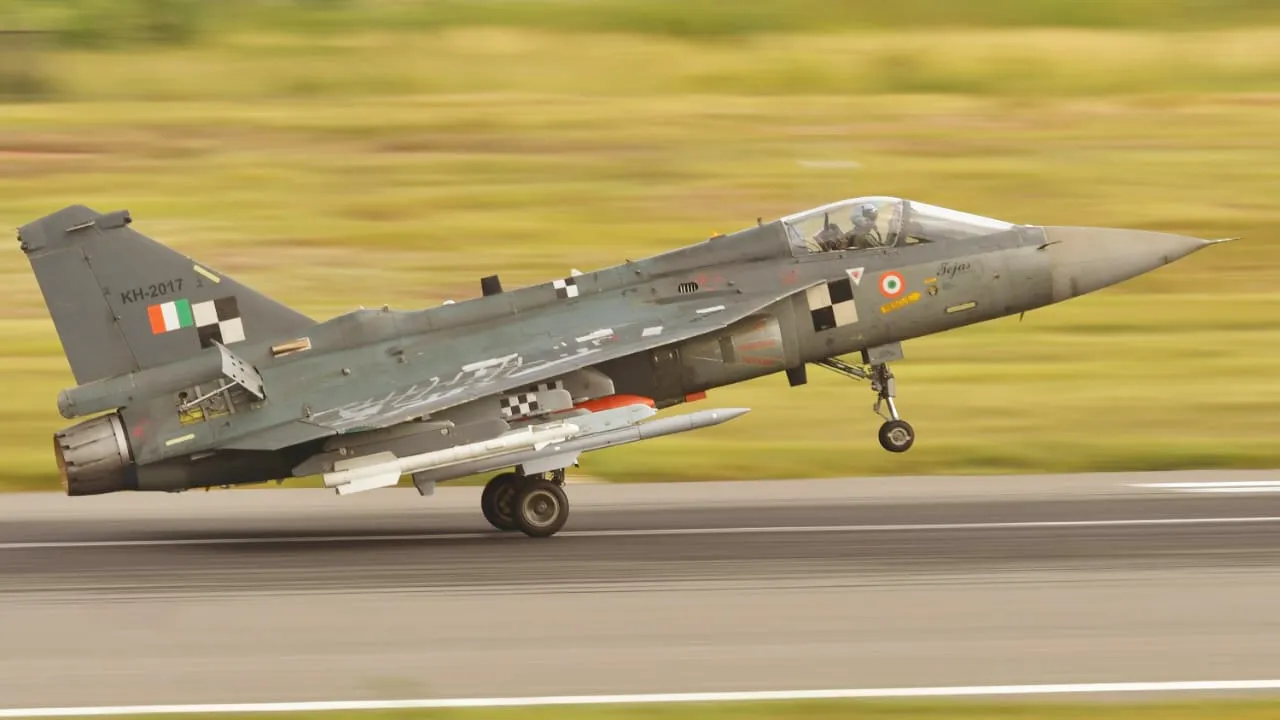
Officials attributed the disqualification to concerns about HAL’s operational bandwidth. HAL’s current order backlog is reportedly nearly eight times its annual revenue, and the company faces documented delays on the Tejas Mk1A programme — where deliveries slipped to mid-2026 due partly to supply chain constraints and a shortfall in F404 engine supplies from GE Aerospace. HAL is simultaneously managing production of the Su-30MKI, the Tejas Mk1A, preparatory work for the Tejas Mk2, the Indian Multi-Role Helicopter (IMRH), and the Combat Air Teaming System drone — a workload that defence analysts describe as genuinely stretched beyond comfortable limits.
“HAL has not received any official communication in this regard and, therefore, is not in a position to comment on these reports. HAL remains committed to keeping all stakeholders fully informed of all developments.”
The spokesperson also emphasised that HAL holds a confirmed order book extending to 2032 and a production pipeline anchored by multiple high-value defence programmes.
The decision represents a structural reset rather than a permanent sidelining of HAL. Defence analysts at the Indian Defence Research Wing note that HAL’s mandate is consolidating around high-volume production — Tejas variants, Su-30MKI upgrades, and the Multi-Role Fighter Aircraft programme — while the AMCA prototype phase requires the kind of agility, concurrent design-manufacturing processes, and flexible global supplier engagement that a private-sector special purpose vehicle (SPV) is structurally better positioned to deliver.
What India’s Defence Secretary Said About the Selection Process
Defence Secretary Rajesh Kumar Singh publicly confirmed the RFP timeline during a Confederation of Indian Industry (CII) summit in New Delhi focused on strategic resilience and supply chains. Kumar Singh described the pre-qualification results in terms that signalled the government’s genuine surprise at the quality of private-sector responses:
“We were surprised by the private sector response. We’ve done the initial pre-qualification and there are three remaining. Thereafter, you can expect the RFP to be issued to all three companies for submitting cost bids for production of five prototypes of the AMCA aircraft.”
Defence Minister Rajnath Singh, addressing the CII Business Summit in New Delhi in May 2025, framed the AMCA execution model explicitly within India’s national security and industrial doctrine, noting that the programme represented the first opportunity for private industry to participate in a mega defence project alongside public sector companies:
“Make-in-India is an essential component in our national security, and it played a key role in India’s effective action against terrorism during Operation Sindoor.”
Singh also confirmed the plan for five prototypes before series production.