
Airbus is fast approaching a pivotal production milestone for its inaugural A350 freighter (A350F), with major components now installed at its final assembly line in Toulouse, France, reported Air Cargo News. The company aims to begin system testing and winglet installation soon, before conducting flight trials in 2026 and early 2027.
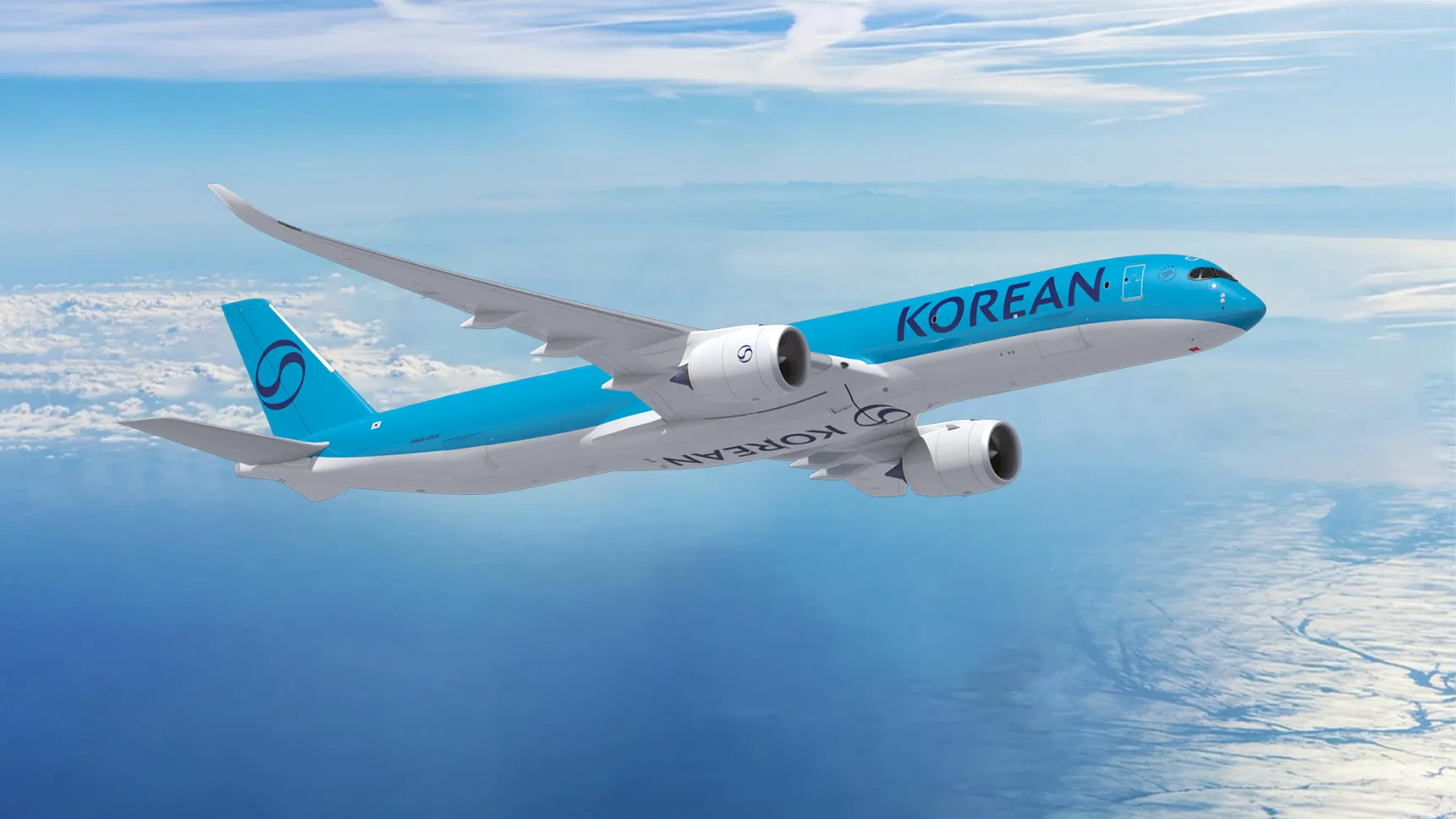
Airbus A350F: Key Specifications
| Parameter | Value |
|---|---|
| Overall length | 70.80 m |
| Wingspan (geometric) | 64.75 m |
| Overall height | 17.08 m |
| Payload capacity | 111 tonnes |
| Main deck containers | 30 containers |
| Lower deck capacity (LD3) | 40 LD3 |
| Cargo volume vs competitor | 11% more volume |
| Maximum range | 4,700 nm / 8,700 km (at 109-tonne payload) |
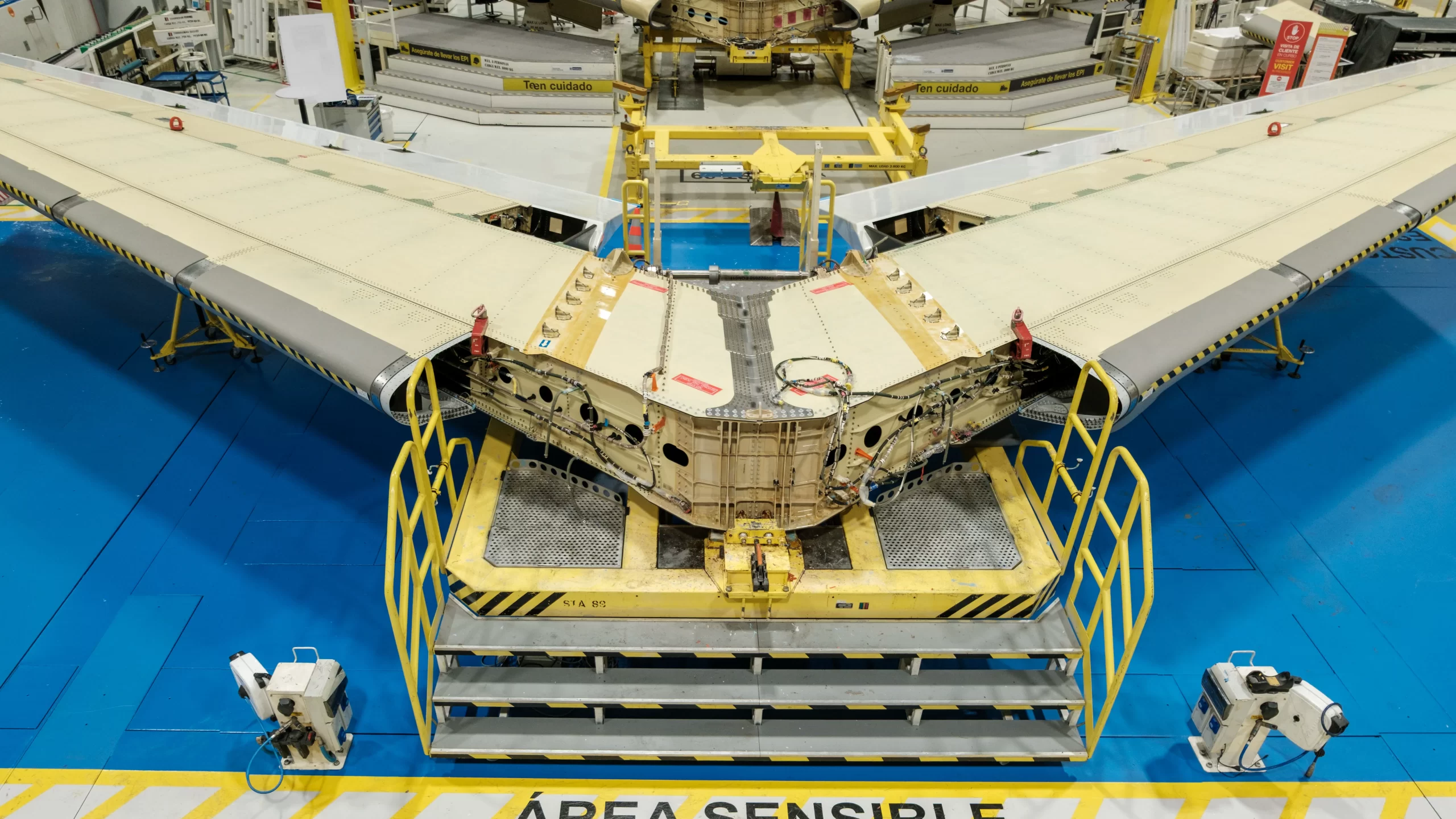
Progress of the A350F at the Toulouse Final Assembly Line
In April 2025, Airbus targeted 2027 as the year its A350F will go into an entry-into-service (EIS). The target of 027 was set following earlier delays related to supply-chain issues, reported Reuters a couple of months prior. But despite all the setbacks it has suffered, the first A350F (MSN 700) is being built at Airbus’s final assembly line (FAL) in Toulouse, as this next generation freighter has seen the following major structural components installed:
- The fuselage sections
- Wing
- Horizontal stabilizer
- Landing gear
It has been also reported that the freighter will now undergo testing and the installation of winglets:
“Following ground testing of parts for safety, Airbus will undertake test flights on two A350F test aircraft to assess operational performance throughout 2026 and early 2027.”
Manufacturer sources say two A350F test aircraft are being readied, which will undergo a full certification flight-test campaign spanning 2026 into 2027. This schedule aligns with Airbus’s revised EIS date of the second half of 2027.
How has the Progress of the A350F been delayed over the years?
When Reuters reported about the delay on the production of the A350F, it hinted towards the fact that the manufacturer of the helicopter that landed at the top of Everest was having problems completing the order of the Airbus A350 commercial planes, “particularly due to ongoing delays in the arrival of fuselage parts from Spirit AeroSystems“.
“Spirit AeroSystems is at the centre of a rare carve-up of its operations between Airbus and its arch-rival Boeing as the two planemakers act to rescue a critical supplier, which has voiced uncertainty over its future in the absence of the deal. Boeing agreed last year to buy back its former subsidiary in a deal that hinges on Airbus taking on the supplier’s loss-making Europe-focused activities, including a North Carolina plant that makes a central fuselage section for the A350.”
A350F 2025 production milestones (chronological order)
| Month (2025) | Paraphrased Milestone Description |
|---|---|
| March | Airbus delivered the first Section 19, the aft fuselage structure that connects to the aircraft’s tail assembly. |
| April | The forward fuselage received its initial installation of key onboard systems. |
| May | Airbus Completed production of the first A350F wing set. |
| July | The company finished manufacturing the first horizontal stabiliser (HTP) at its facilities in Spain. |
| August | The initial fuselage segments for MSN700 arrived at the Toulouse final assembly line. |
| September | The complete fuselage for the first A350F was delivered to Toulouse for assembly. |

Technical Specifications and Environmental Targets
The A350F’s design leverages over 70% advanced materials, saving weight compared to competitors ( a 30t lighter take-off weight), and enabling significantly lower fuel consumption:
- 20% lower CO2 emissions and 20% less fuel burn vs. competitor aircraft
- 50% noise footprint reduction vs previous generation aircraft, making it the quietest in its class
- First to meet latest ICAO CO2 emissions standard
Here are the additional specifications:
Airbus A350F Key Features & Specifications
| Category | Details |
|---|---|
| Base Platform | Derived from the Airbus A350-1000 long-range widebody |
| Engine | Rolls-Royce Trent XWB-97 (97,000 lb thrust class) |
| Cargo Door | Extra-large rear main deck cargo door |
| Cargo Door Dimensions | Cut-out: 4,445 mm (175 in) / Clear opening: ~4.3 m (~170 in) |
| Cargo Door Opening Angle | 65° |
| Cargo Door Capability | Supports loading of large aircraft engines (T1000, T7000, TXWB, GE9X) and long pallets |
| Main Deck Cargo Layout | 30 pallets (96 x 125 in) |
| Lower Deck Cargo Layout | 12 pallets (96 x 125 in) |
| Express Configuration – Main Deck | 30 AM-base containers |
| Express Configuration – Lower Deck | 40 LD3 containers |
Airbus also aims for the aircraft to operate with up to 50% Sustainable Aviation Fuel (SAF) at entry into service, with a goal of scaling to 100% SAF capability by 2030. [Note: A lot of European airlines were enmeshed in the greenwashing scandal a week or so ago and were accused of misleading its passengers about various CO2 emissions and carbon emissions promises].
The cockpit of the A350F is fitted with the following pieces of technology:
- Dual head-up display
- Wi-Fi Tablet Electronic Flight Bag (EFB)
- Runway Overrun Prevention
Airbus A350F: Orders, Customers and Market Dynamics
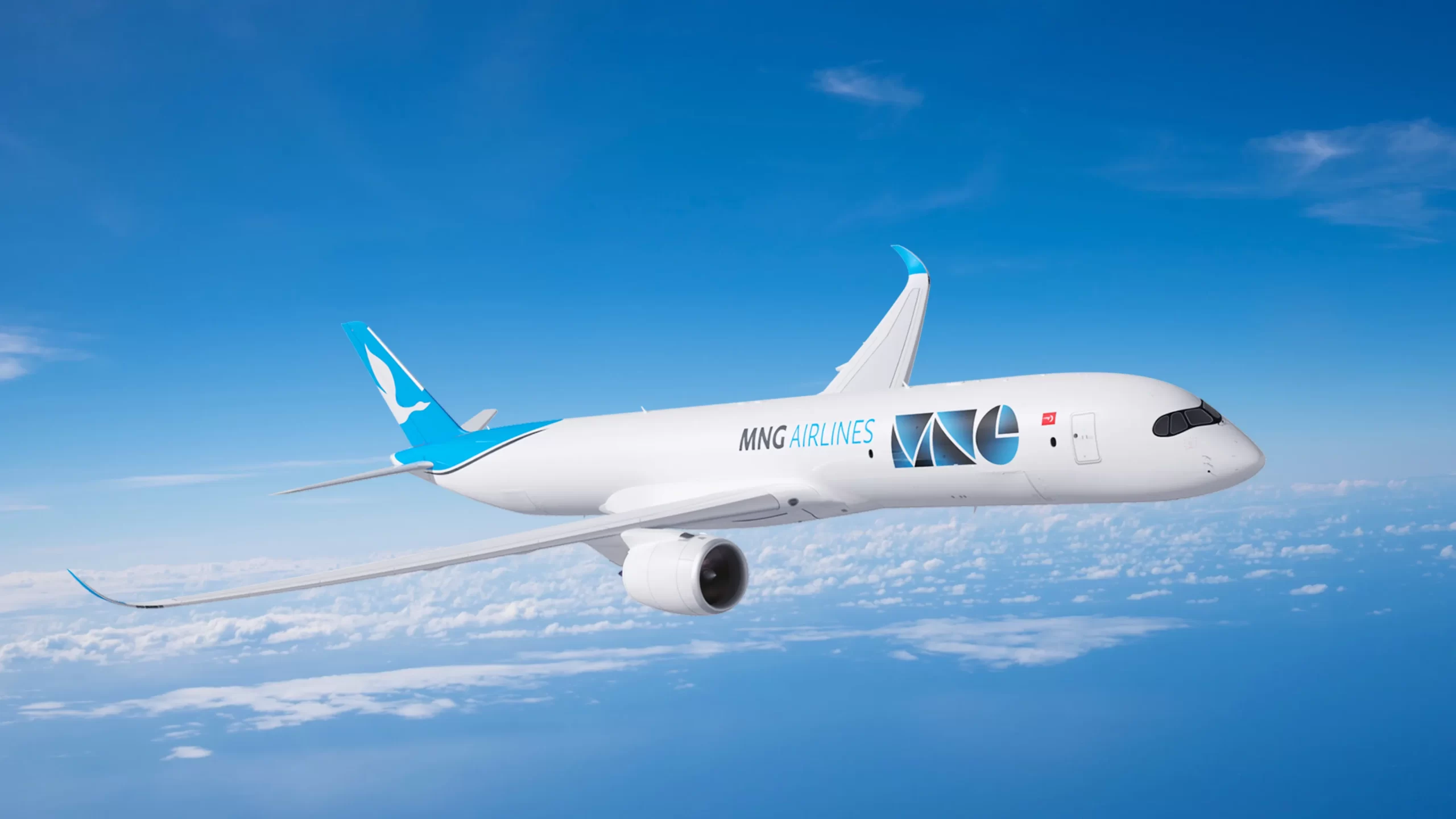
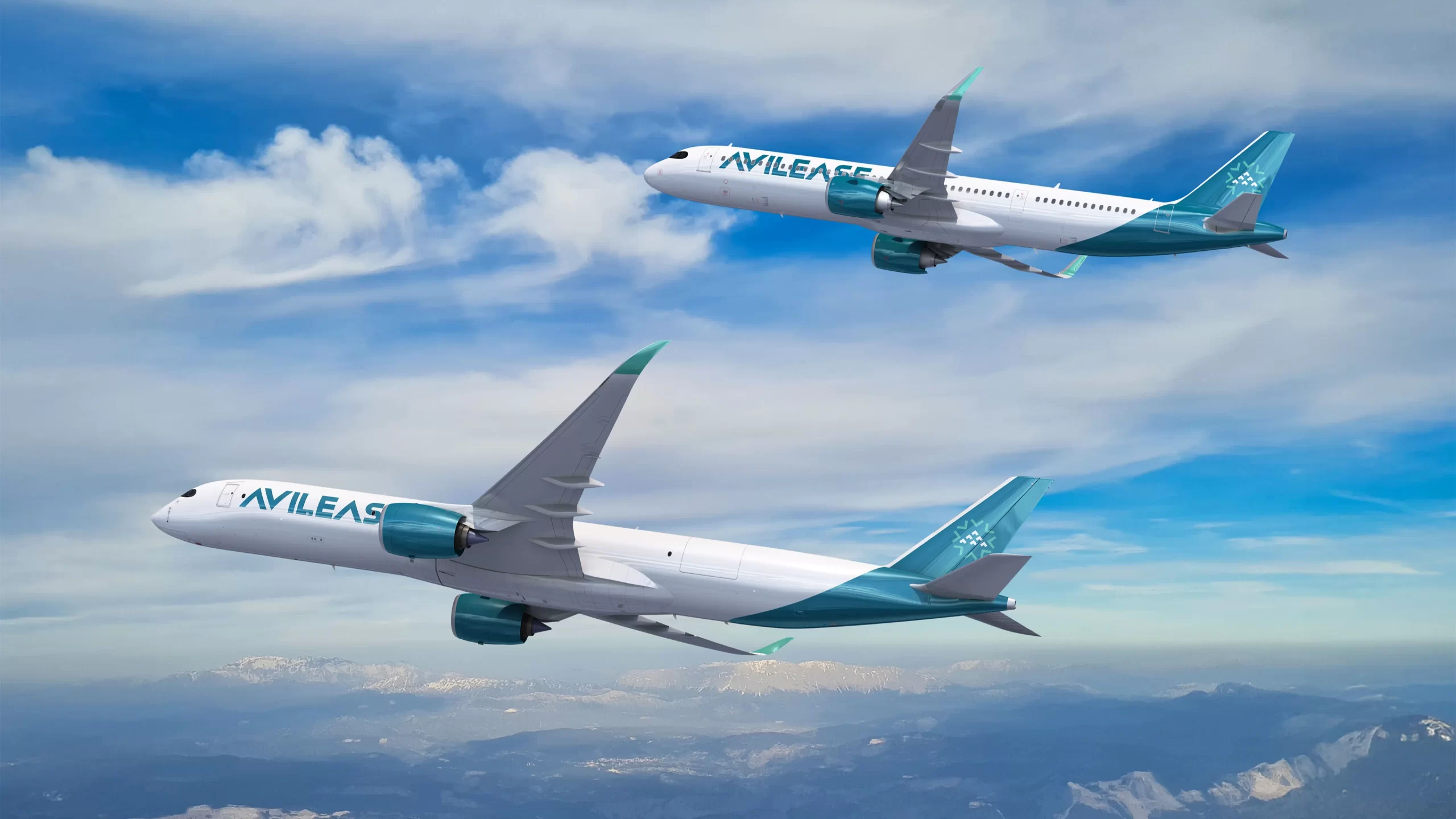
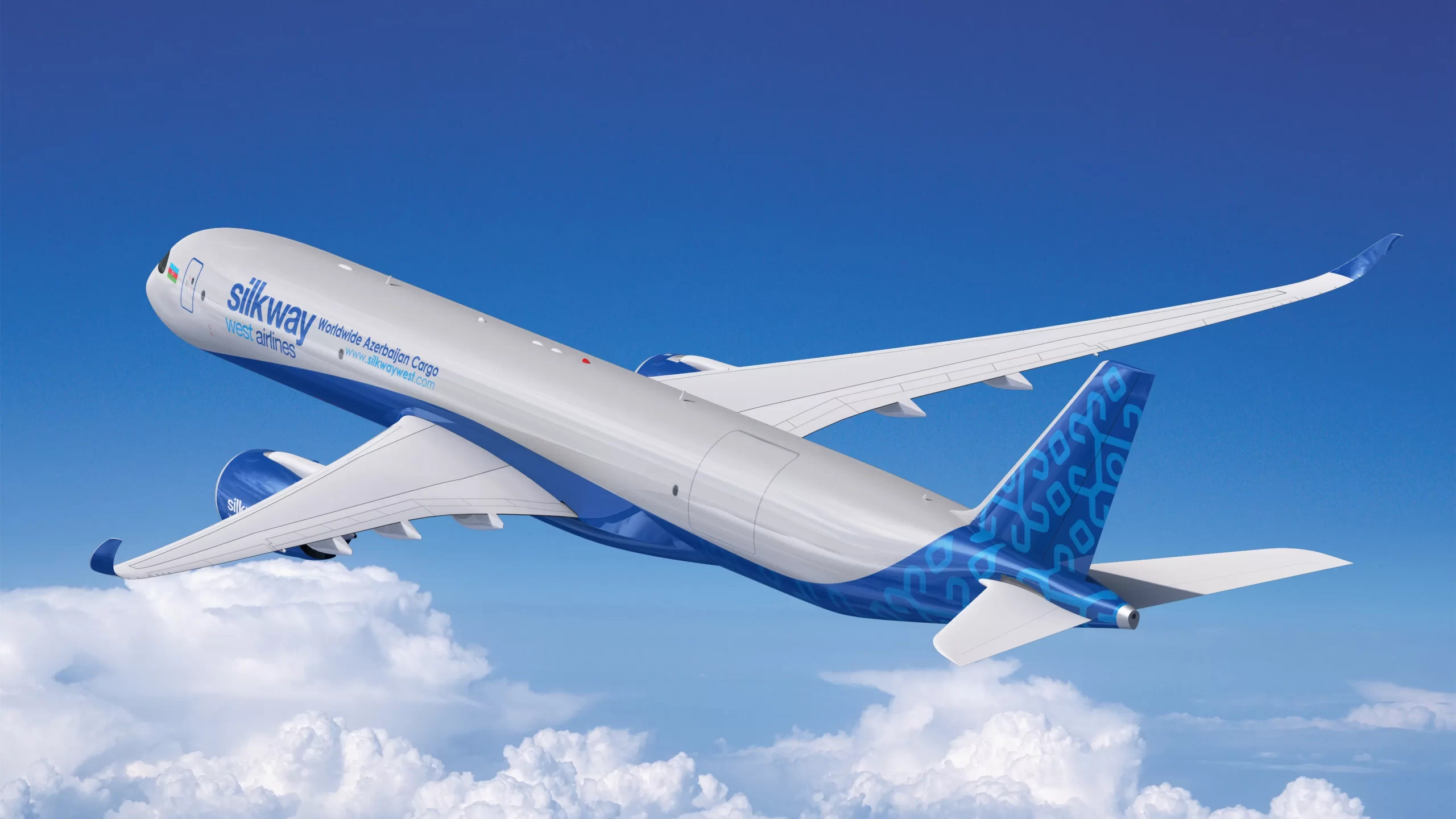
in April 2025, Airbus has secured 63 firm A350F orders from 13 customers, which included:
*STARLUX Airlines of Taiwan doubled its A350F order earlier this year, adding five more units to bring its total to 10. These orders reflect a strong appetite in the freight market for a modern, fuel-efficient, long-range freighter. The following table gives us a clue as to how the A350F compares with the freighter version of the Boeing 777.
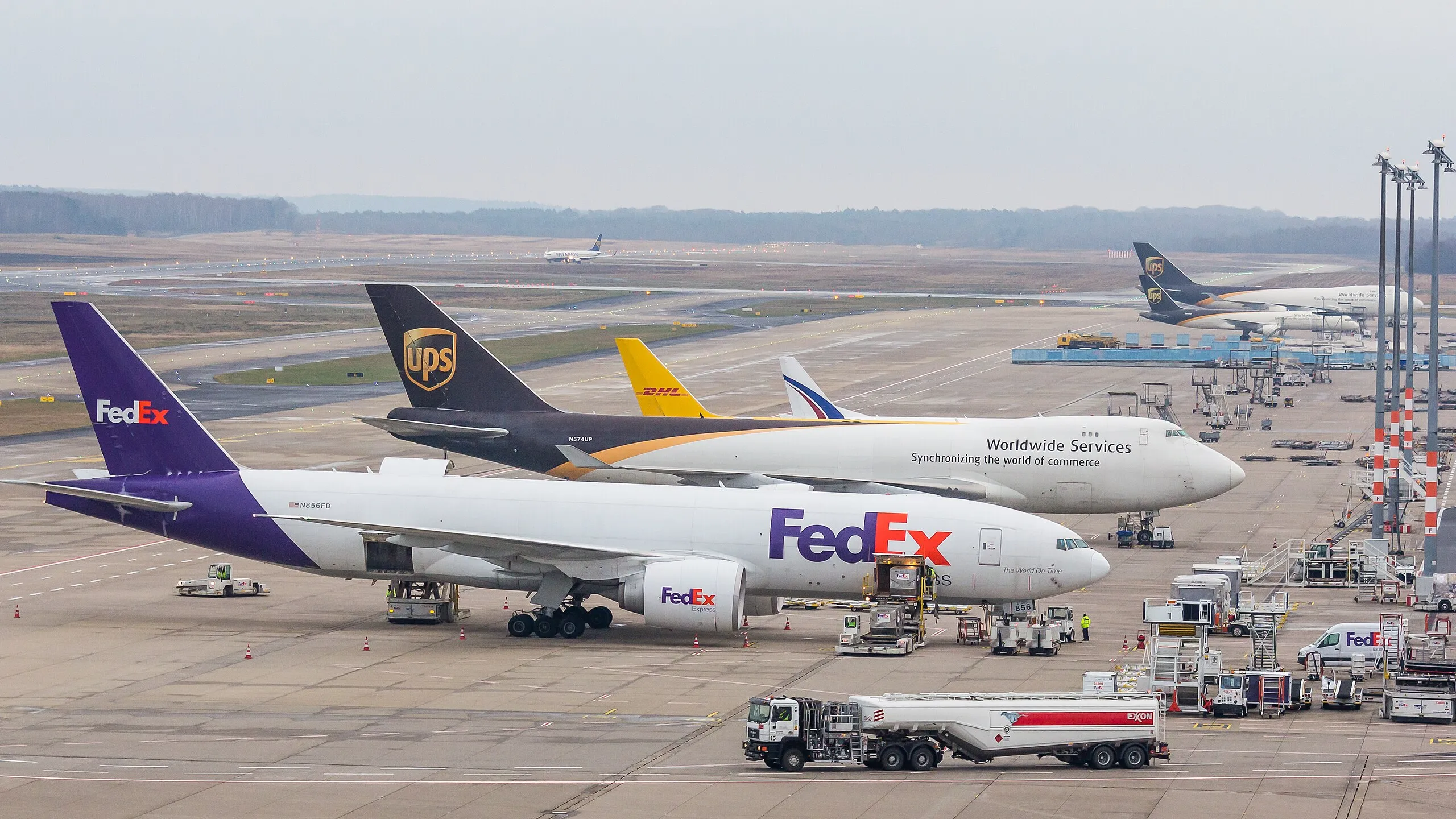

Airbus A350F vs Boeing 777F
| Metric | Airbus A350F | Boeing 777F | Difference / Advantage |
|---|---|---|---|
| Cargo Volume | +11% more volume | Baseline | ~+71 m³ (~3.5 extra main-deck pallets) |
| Payload | +3 to +5 tonnes | Lower | A350F carries more payload |
| Take-off Weight | 30 tonnes lighter | Heavier | Lower structural weight improves efficiency |
| Range | +300 nm advantage at same payload | Lower range | Better long-sector capability |
| Operating Economics | 20% better per-tonne trip cost | Higher cost | Lower cash operating cost |
| Fuel Burn | 20% lower fuel burn | Higher fuel burn | Major efficiency gain |
| CO₂ Emissions | 20% lower | Higher | Environmental advantage |
| ICAO 2027 Compliance | Fully compliant | Not compliant | Only freighter meeting 2027 standard |
| Engines | New-gen Trent XWB-97 | Older GE90 series | More efficient engine architecture |
| Avionics & Systems | Modern fly-by-wire; latest cockpit | Conventional architecture | A350F more advanced |
| Fleet Commonality | A350 family commonality | None | Reduces training & spare-parts costs |
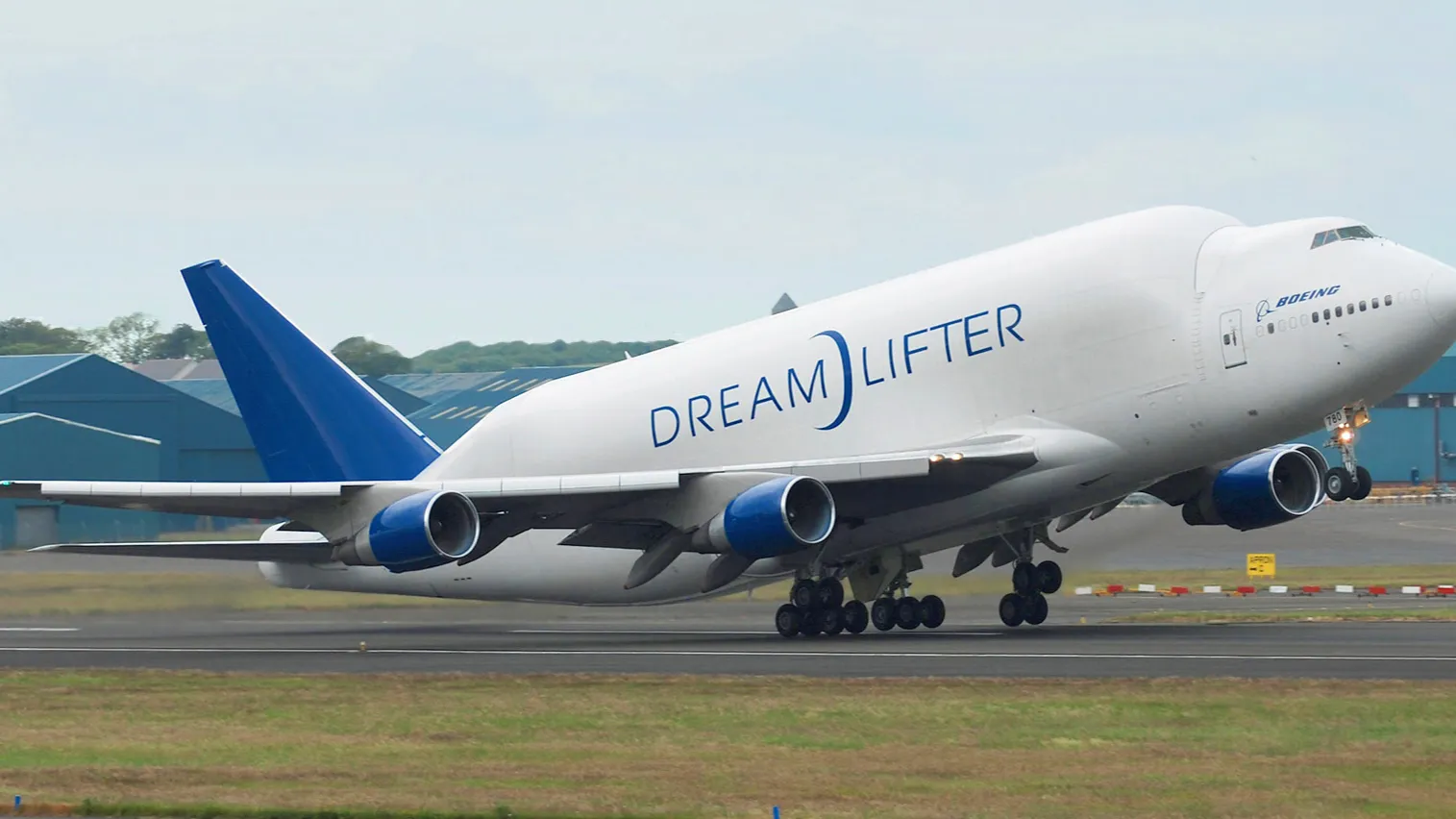

Airbus A350F vs Boeing 747-400F
| Metric | Airbus A350F | Boeing 747-400F | Difference / Advantage |
|---|---|---|---|
| Cargo Volume | Same volume | Same volume | Equal volumetric capability |
| Empty Weight | 32 tonnes lighter | Much heavier | Big structural efficiency gain |
| Operating Economics | Up to 40% lower cost per tonne per trip | Significantly higher | Strong cost reduction |
| Fuel Burn | ~40% less | Much higher | Large reduction in fuel usage |
| CO₂ Emissions | ~40% lower | Higher | Major emissions advantage |
Outlook and significance
Airbus’ final assembly now under way and its combination of large payload, extended range, and eco-friendly design could reshape how freight carriers modernize their fleets. The A350F’s technical maturity, coupled with it going along the way of sustainability measures gives it a potentially powerful competitive edge.