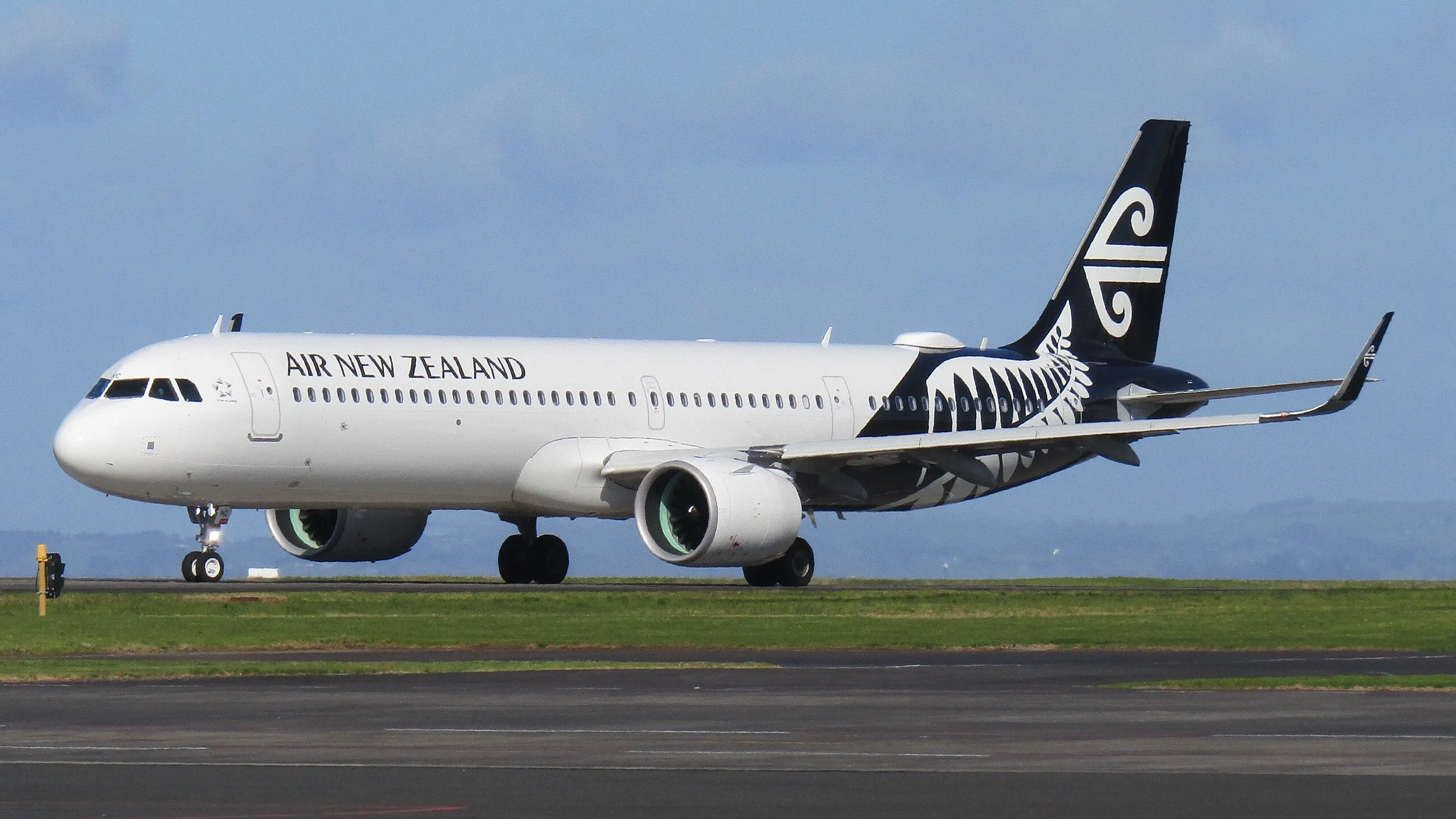
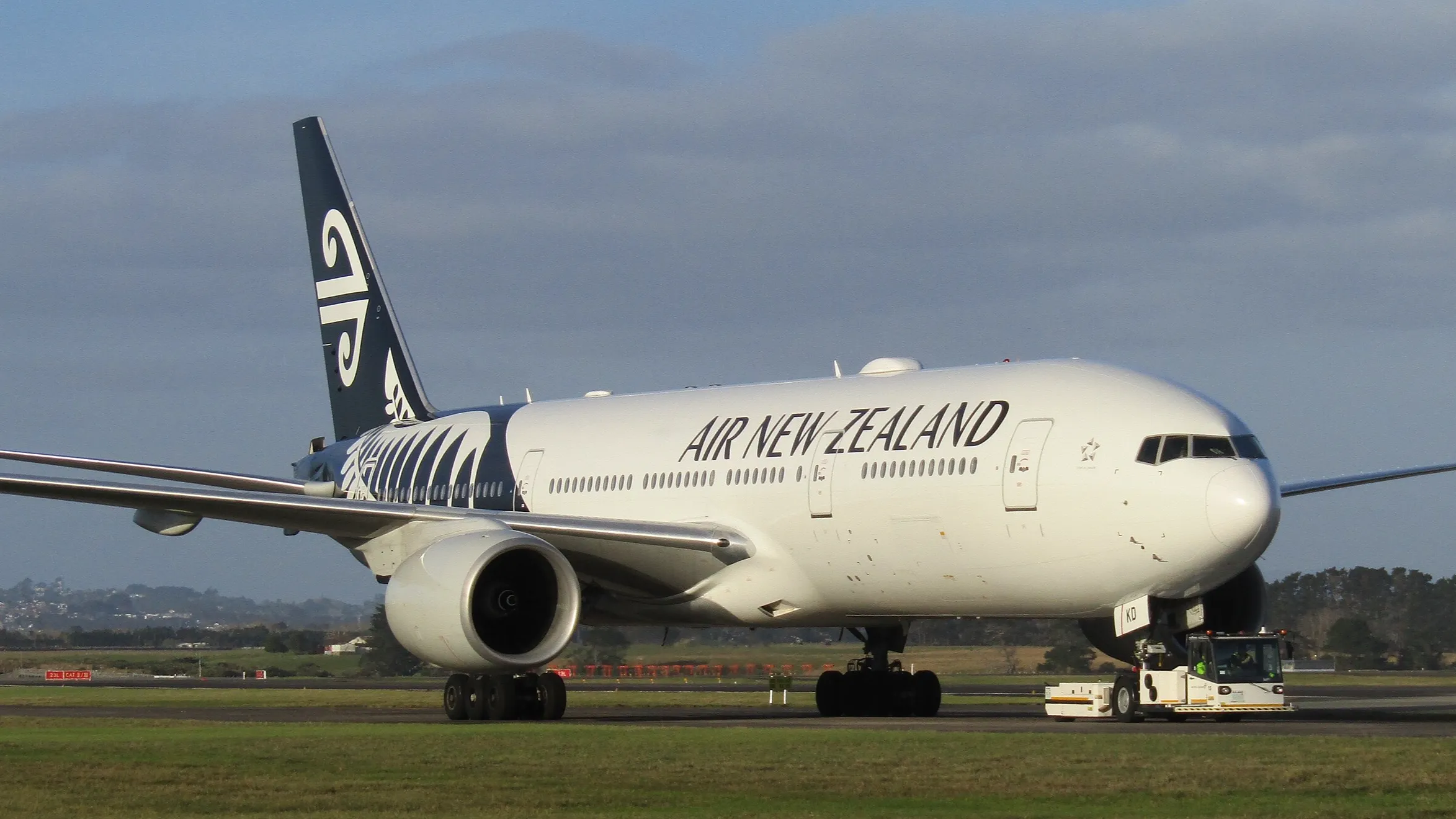
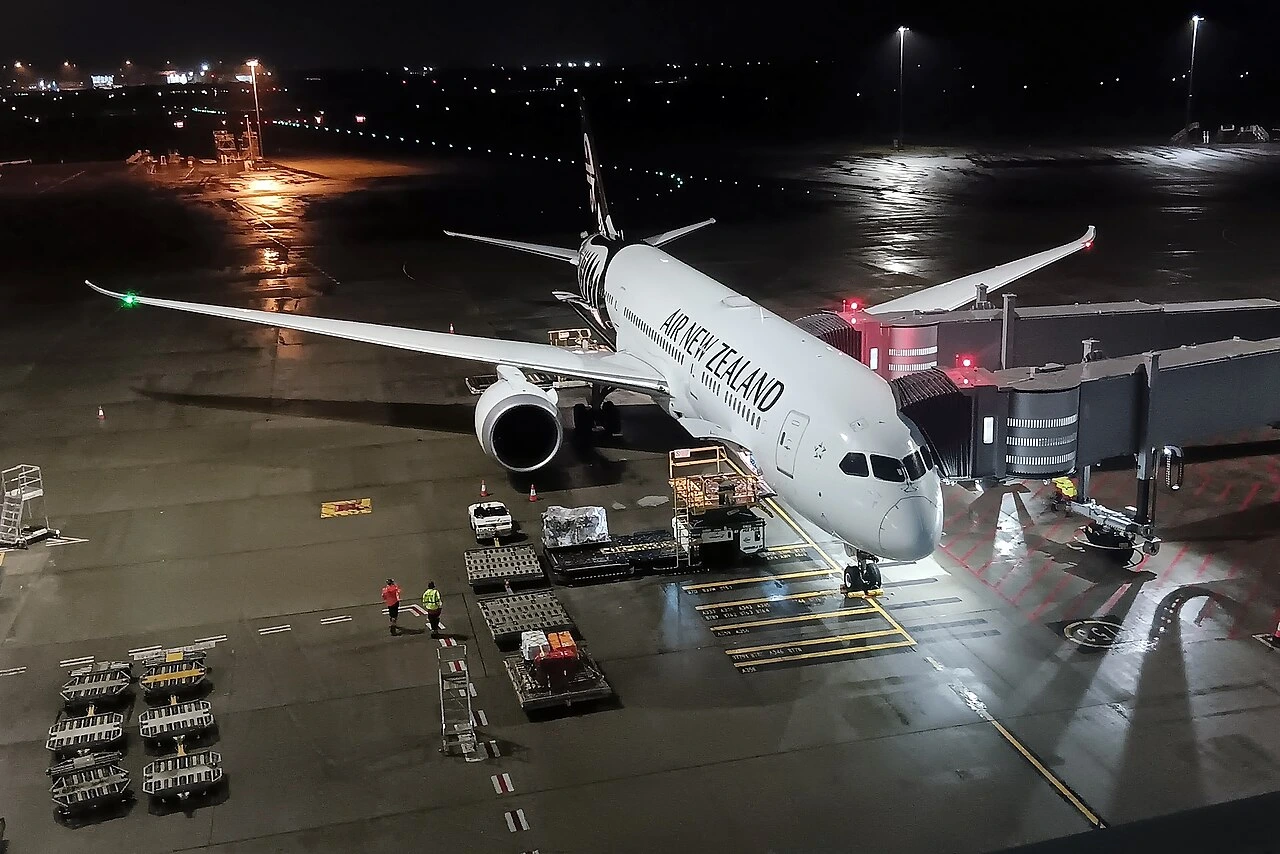
Air New Zealand (NZ) chief executive Nikhil Ravishankar publicly defended the airline’s decision to launch three new long-haul routes from Christchurch International Airport (CHC), Christchurch, on Friday, May 22, 2026, just three weeks after the carrier announced a further round of domestic flight consolidations driven by surging jet fuel costs. The three routes — to Singapore Changi Airport (SIN), Singapore; Tokyo Narita International Airport (NRT), Tokyo; and Perth Airport (PER), Perth — will each operate three times per week using Boeing 787 Dreamliner widebody aircraft, beginning in late October and November 2026. Ravishankar told RNZ that the new routes made commercial sense under current fuel conditions, though he acknowledged their viability remained contingent on prices staying within an acceptable range.
The announcement arrives as Air New Zealand confronts one of the most severe financial crises in its post-pandemic history. The carrier now expects a pre-tax loss of between NZ$340 million and NZ$390 million for the fiscal year ending June 2026, driven by a $240 million headwind from fuel costs alone. Jet fuel, which traded at approximately US$85 to US$90 per barrel before the Iran conflict escalated, had surged to between US$160 and US$230 per barrel over the preceding ten weeks at the time of the most recent company disclosure, turning the airline’s second-half cost assumptions into a fiction almost overnight.
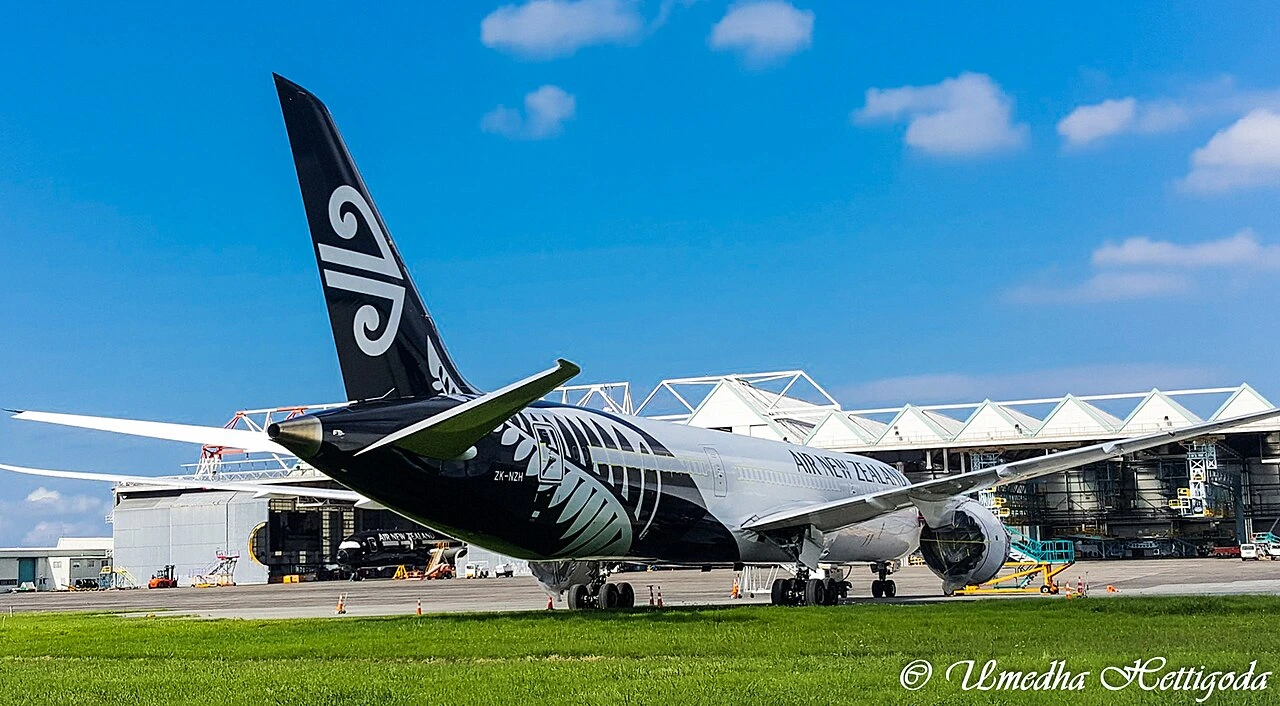
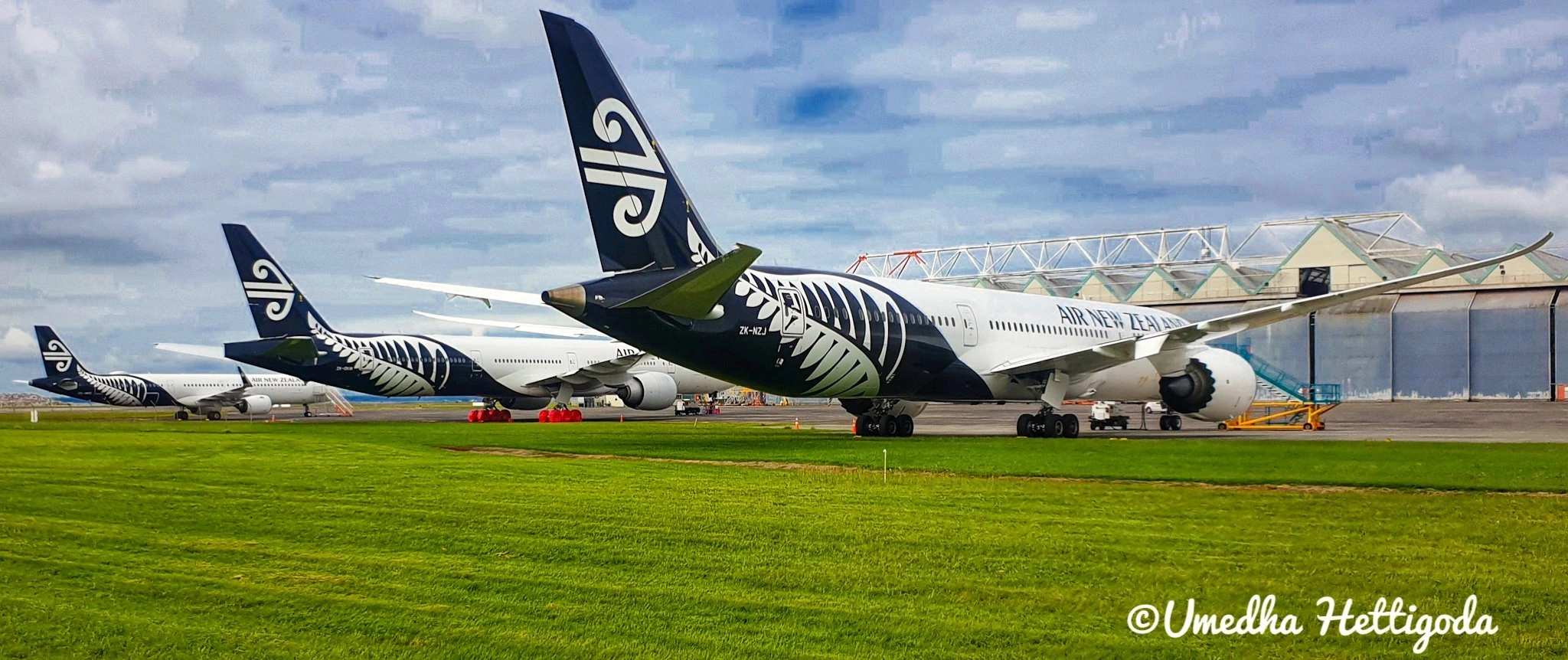
Photo: Umedha Hettigoda | Wikimedia Commons
Three New Christchurch International Routes Mark the South Island’s Biggest Aviation Expansion in Years
Air New Zealand previously operated Christchurch–Singapore services until 2020, when the global pandemic suspended them; the Christchurch–Tokyo Narita route had been dormant since 2015; and Christchurch–Perth last flew in 2019. The simultaneous restoration of all three corridors marks one of the most substantive South Island international network expansions the carrier has undertaken in recent years.
Flights went on sale immediately after the May 20, 2026 announcement, and Air New Zealand signed a Memorandum of Understanding with Christchurch Airport to formalise a framework for sustainable network growth and long-term capacity planning.
The first Christchurch–Singapore service departs October 28, 2026, followed by Christchurch–Tokyo Narita on November 28 and Christchurch–Perth on November 30. Christchurch Airport chief executive Justin Watson described the expansion as a landmark moment, noting that multiple widebody international services would support the region’s exporters, tourism operators, and local businesses.
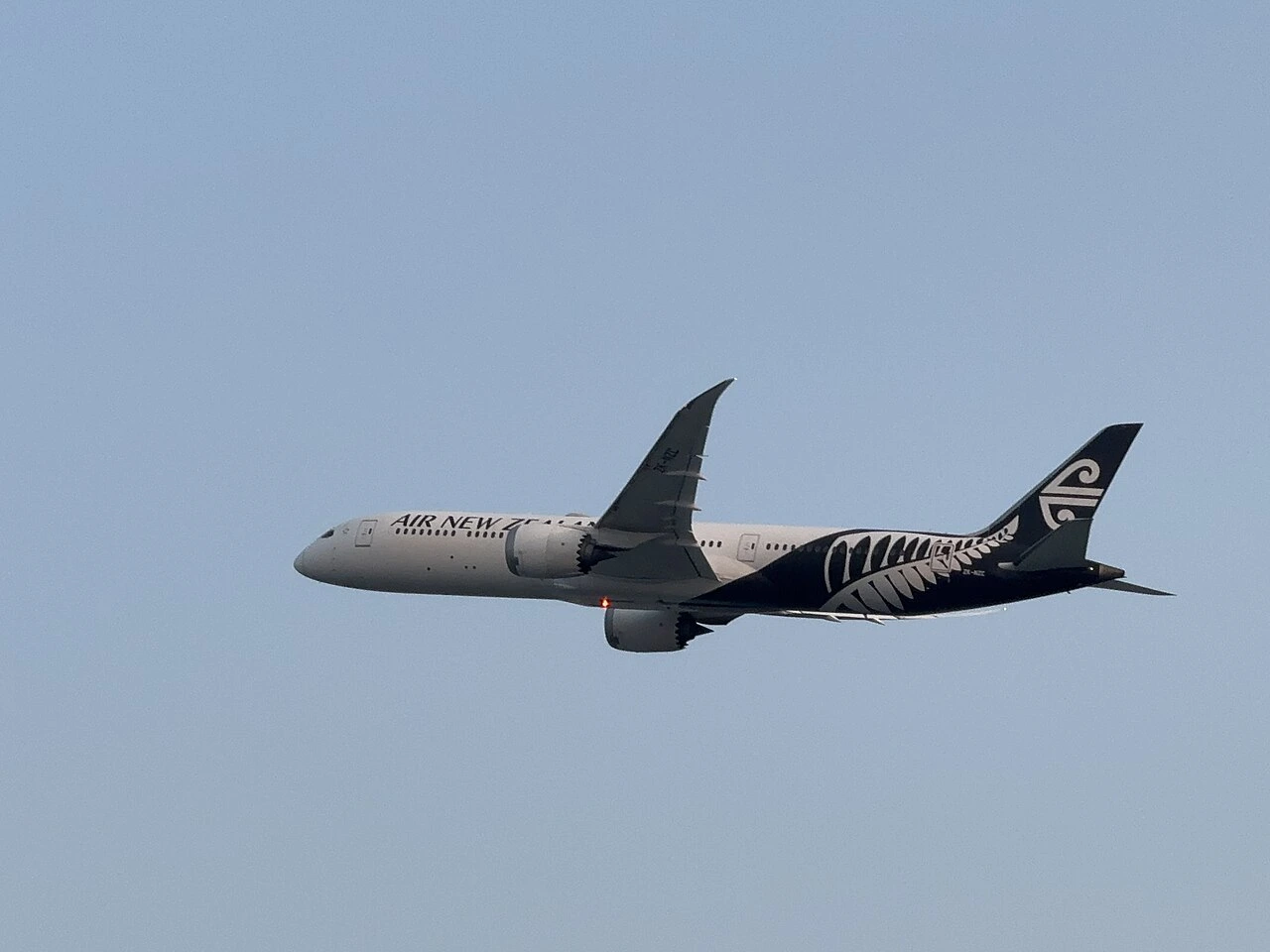
The return of Dreamliner capacity to CHC also reflects the partial resolution of the fleet availability crisis that had constrained Air New Zealand’s network for several years — a factor Ravishankar himself acknowledged.
Ravishankar told RNZ that the Perth route, in particular, serves a labour-driven demand pool that has grown substantially. The chief executive explained:
“We’re seeing a lot more Kiwis working in the Western Australian mining industry and this route will support their commute essentially.”
He described the Perth market — characterised by a two weeks-on, two weeks-off shift rotation common in the WA mining sector — as now exceeding in commercial significance the Brisbane–Sydney–Melbourne “golden triangle,” which has historically ranked among the world’s densest air travel corridors.
Photo: LN9267 | Wikimedia Commons
What the Iran Conflict Has Cost Air New Zealand
The financial pressure bearing down on Air New Zealand is inseparable from the Iran war and its impact on global oil supply. The Iran conflict effectively closed the Strait of Hormuz, one of the world’s most critical hydrocarbon transit chokepoints, triggering a price spike that doubled Air New Zealand’s daily fuel bill.
According to interest.co.nz, Air New Zealand now expects second-half fuel costs of approximately $980 million, compared to the $740 million assumption embedded in its interim result — a $240 million adverse movement that dwarfs the airline’s mitigation efforts. The airline’s own updated forecast is based on an assumed average price of approximately US$145 per barrel for the remainder of the financial year, with monthly prices ranging between US$85 and US$200 per barrel.
The cost shock has compounded a pre-existing fleet availability problem. Air New Zealand has contended with a dual-engine headache: Rolls-Royce Trent 1000 reliability issues grounding Boeing 787 Dreamliners, and Pratt & Whitney PW1100G micro-crack problems affecting its Airbus A320neo and A321neo narrowbodies. At their peak, up to eleven aircraft were simultaneously grounded due to engine issues, representing roughly a third of the affected fleet.
Ravishankar acknowledged the engine situation has begun to improve, saying the airline was now seeing “the light at the end of that tunnel“. The airline’s H1 FY26 results confirmed that four A320neo-family and 787-9 aircraft were scheduled to return to service throughout 2026, and that two new Boeing 787s — powered by GE Aerospace GEnx engines rather than the problematic Rolls-Royce Trent 1000s — would also join the fleet.
In its NZX disclosure, Air New Zealand stated:
“The scale and speed of recent movements in jet fuel prices and refining margins have created a material external shock for the global aviation sector.”
How Air New Zealand Is Structuring Its Consolidations
Air New Zealand’s consolidation strategy is deliberate in its targeting. Rather than eliminating routes outright, the airline has reduced frequency on those it identifies as demand-depressed, with a stated focus on off-peak services. Ravishankar told RNZ that raising fares was not a viable alternative across many of the airline’s markets, explaining:
“Affordability is a real challenge and so one of the reasons consolidation is the lever we need to pull is that raising fares is not an option in a lot of our markets. Hence why at this stage we are only recovering 40% of the increased price of fuel.”
The capacity reduction across all networks since the conflict began amounts to approximately 3 to 5 percent of total group capacity. The domestic consolidations have reduced seat capacity to Auckland by 8.7%, to Christchurch by 10.3%, and to Wellington by 15.2% over the four-week period from June 29 to July 26, 2026. Ravishankar was explicit that the cuts were not confined to domestic routes: Pacific and North American frequencies have also been trimmed, though he confirmed that no routes have been eliminated entirely. Another announcement on a further round of domestic consolidation, he said, was imminent.
On fare increases, Ravishankar was direct: none are planned for the August-to-October shoulder season, a period during which demand is already expected to soften relative to peak summer. The chief executive framed fuel conservation — not revenue maximisation — as the organising principle:
“Our consolidation is very much focused around fuel conservation. With that as the basis, we are ensuring we only consolidate those flights where demand is already depressed.”
How The Cuts Compare Across Air New Zealand’s Network
The domestic consolidations have drawn the most pointed criticism from regional mayors and tourism leaders, who have watched their communities absorb multiple rounds of service reductions since the Iran conflict began. Nelson Mayor Nick Smith noted that, by the end of the third round of cuts — covering the period between June 29 and July 26 — Nelson had lost a cumulative 266 flights and approximately 12,000 seats, representing the third time the city’s connections to Auckland, Wellington, and Christchurch had been temporarily suspended. Speaking to 1News in May 2026, Smith said:
“This is disappointing news for Nelson. While it is understandable, with no concrete signs of de-escalation of the oil crisis in the Middle East, it will have an impact on the number of visitors to the region and make it more difficult for people travelling for work, to access healthcare and take holidays outside the region.”
Smith also noted the financial exposure of Nelson City Council, which holds a 50% ownership stake in Nelson Airport Ltd., warning that reduced flying directly undermines the airport’s revenue from landing fees and passenger services.
Marlborough Mayor Nadine Taylor raised a parallel concern, cautioning that prolonged fuel market volatility may force regional councils into difficult conversations with central government about infrastructure funding. The Bay of Plenty MP Tom Rutherford flagged comparable cuts to Tauranga, where 27 return flights on the Tauranga–Auckland route, 12 on the Tauranga–Wellington route, and 5 on the Tauranga–Christchurch route will be removed over the same four-week window.
Ravishankar pushed back against the characterization that regional communities were bearing a disproportionate share of the pain. He told RNZ that cuts to regional flights were proportionally comparable to those applied to city routes, Pacific routes, and North America services. He conceded the strategic tension openly:
“We have had to consolidate flights to reduce the impact of the fuel price shock across all our network. That said, we also have growth coming… we have to walk and chew gum.”
How Ravishankar Justifies New Routes During a Loss Year
The apparent contradiction of launching three new international routes while cutting domestic services has attracted scrutiny. Ravishankar addressed it directly, arguing that profit is only one variable in a multi-dimensional network planning calculus. He told RNZ:
“There is a lot that goes into our network planning. Demand is a key driver but not just short-term demand. We do have to look at making sure we establish connectivity and maintain it in the long run. We take into account the short-term demand supply environment; we take into account what we believe the forecast in the long term looks like; we work with a lot of stakeholders around trade and tourism and business travel.”
The new international routes are, in the CEO’s framing, structurally different from the domestic services being consolidated. They are widebody, long-haul operations that carry higher per-seat revenue, serve both inbound tourism and outbound New Zealand travellers, and generate cargo yield alongside passenger revenue. Strong inbound demand from the United States, Japan, and broader Asia — partly driven by favourable currency dynamics — is a key demand driver. Ravishankar observed:
“The Americans feel like they get a lot of value for money visiting us. Equally, us travelling to a place like Japan is very strong and I think again currency plays a part — the New Zealand dollar goes a long way in Japan.”
He qualified the viability of the expansion with appropriate caution, acknowledging that a material deterioration in fuel prices beyond the current range would trigger a reassessment:
“We think it makes sense given the current state of the fuel price market but those markets are extremely volatile so there is always a threshold beyond which we would have to revisit and think about all our decisions.”
The trajectory of Air New Zealand’s financial performance through FY26 demands contextualisation. The carrier posted a net loss of NZ$40 million in the first half ending December 2025, a result already impacted by engine availability costs and a weaker New Zealand dollar. The full-year loss forecast of NZ$340 million to NZ$390 million represents a dramatic deterioration in the second half, almost entirely attributable to the fuel price shock. Air New Zealand’s H1 FY26 disclosures showed operating costs growing by 8% year-on-year while operating revenue grew by only 1.2%.
Ravishankar confirmed to 1News in May 2026 that redundancies are under consideration as part of a broader cost reduction programme, though he declined to specify the quantum or timeline. He told 1News that the airline was accelerating cost reduction work already underway, with approximately $70 million in mitigation actions partially offsetting the fuel cost headwind.
The airline has additionally absorbed $50 million in unexpected leased-engine maintenance costs and $12 million in lower-than-expected manufacturer compensation, the latter reflecting the earlier-than-anticipated return of engines from maintenance.
Ravishankar expressed confidence that the airline would return to profitability, but declined to specify a timeframe, noting that more detail would accompany the upcoming strategic reset announcement. He framed Air New Zealand’s enduring purpose as inseparable from New Zealand’s geography:
“I explain to my European and American colleagues that if you drew a 2000km radius around Auckland you wouldn’t hit the east coast of Australia but if you did the same around Berlin you would cover the whole of eastern Europe, northern Europe, the northern part of Africa and into western Russia. We are not as close a next-door neighbour to Australia as the world might think, we are far away from everywhere else, so aviation matters a lot for us.”
.jpg)
_23-03-2025.jpg)
.jpg)
.jpg)