An Air India Express (IX) flight bound for Jeddah turned back to Kannur International Airport (CNN) on Tuesday, June 16, 2026, after pilots detected an engine warning light mid-flight, according to airport sources cited by Press Trust of India (PTI), in a report by Business Standard. The aircraft, carrying more than 180 passengers, had departed CNN at 7:40 AM and was approximately two hours into its journey when the warning light appeared in the cockpit. The crew decided to return to Kannur rather than continue to King Abdulaziz International Airport (JED), Jeddah.
Post-landing inspections revealed a fault in the aircraft’s fuel filter, airport sources told PTI. Before landing, the aircraft circled CNN to reduce its fuel load, which is standard procedure when an aircraft carries more fuel than its maximum landing weight allows. Airport sources confirmed that all passengers were safe after the flight touched down.
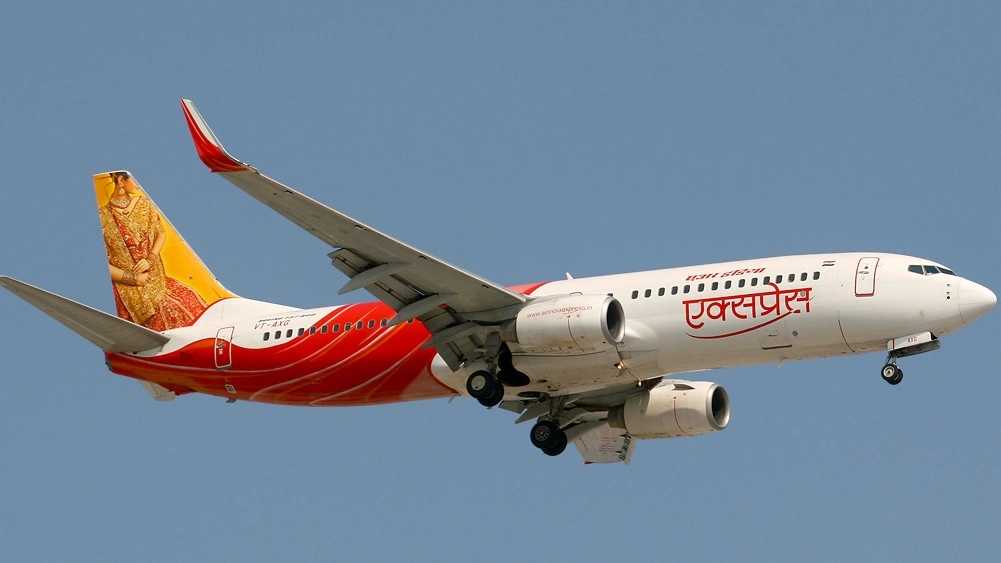
Engine Warning Mid-Flight Prompts Immediate Return to Kannur
The Kannur International Airport (CNN), located in Mattanur, Kerala, opened for commercial operations in December 2018. It serves as a hub for Air India Express and is a key departure point for the large NRI (Non-Resident Indian) community in northern Kerala, with Middle East routes among its most frequented international connections.
The Kannur–Jeddah sector is one of the longest non-stop routes operated out of CNN. According to flight schedule data, the route takes approximately six hours when operated by a Boeing 737-800. Air India Express is the primary carrier on the Kannur–Jeddah sector.
The crew identified the problem roughly two hours after wheels-up. They activated standard return procedures, circled the airport to reduce fuel, and landed safely. Airport sources told Deccan Chronicle that the pilots saw an engine warning light and that a subsequent check found “something wrong with the fuel filter.”
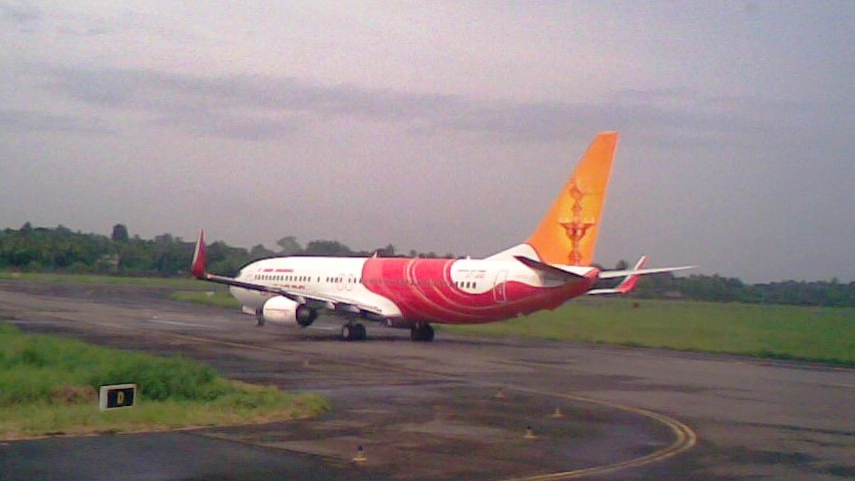
What Is a Fuel Filter and Why Does It Trigger an Engine Warning?
A fuel filter in a commercial aircraft engine prevents contaminants from entering the fuel system. When the filter becomes blocked or degraded, it restricts fuel flow to the engine. This causes the engine’s monitoring systems to register an abnormal reading and trigger a warning in the cockpit.
The following points summarise how a fuel filter fault typically affects operations:
- Warning activation: Sensors detect abnormal pressure differentials across the filter and alert the crew via cockpit warning lights.
- Crew response: Pilots follow the aircraft’s abnormal procedures checklist, which may include reducing thrust on the affected engine or shutting it down.
- Return decision: The crew assesses the nature of the warning and decides whether to continue to the destination or return to the departure airport.
- Fuel dump/burn-off: Aircraft without fuel dump systems — such as the Boeing 737 family — must circle to burn fuel down to the maximum landing weight before touching down.
- Post-landing inspection: Engineers inspect the fuel filter, fuel lines, and related engine components before the aircraft is cleared to return to service.
In the Kannur incident, the crew followed this process, circled CNN to reduce fuel, and landed without incident.
A Broader Safety Context of Air India Express
The Kannur incident is not an isolated event for Air India Express on Kerala-Middle East routes. Several similar diversions and technical events have occurred in recent years, placing the airline’s operational reliability under scrutiny.
In September 2024, a Kozhikode-Dubai Air India Express flight (IX-345) diverted to Kannur approximately one hour after take-off when the pilot noticed a fire warning light in the aircraft’s cargo hold. Air India Express later confirmed the warning was a false alarm. An Air India Express spokesperson said at the time:
“Following a false alarm, our Kozhikode-Dubai flight has been diverted to Kannur. An alternative flight is being arranged to continue the scheduled operations to Dubai from Kannur. Air India Express regrets the delay and inconvenience caused to guests and provided food and refreshments.”
In December 2025, a Jeddah-Kozhikode Air India Express flight (IX-398) was diverted to Cochin International Airport (COK) for a precautionary landing after suspected tyre damage caused by a foreign object on the Jeddah runway. An Air India Express spokesperson confirmed that the flight “made a precautionary landing due to suspected damage to the aircraft’s tyre likely caused by a foreign object on the runway at Jeddah airport” and that all guests were transported to Kozhikode by road.
In May 2024, an Air India Express Airbus A320 operating flight IX-1132 from Bengaluru to Kochi made a full emergency landing at Kempegowda International Airport (BLR) after flames were seen coming from the right engine shortly after take-off. All 179 passengers and six crew members were evacuated without injury. A Bangalore International Airport Limited (BIAL) spokesperson confirmed: “A full-scale emergency was declared, and the fire was promptly extinguished upon landing.”
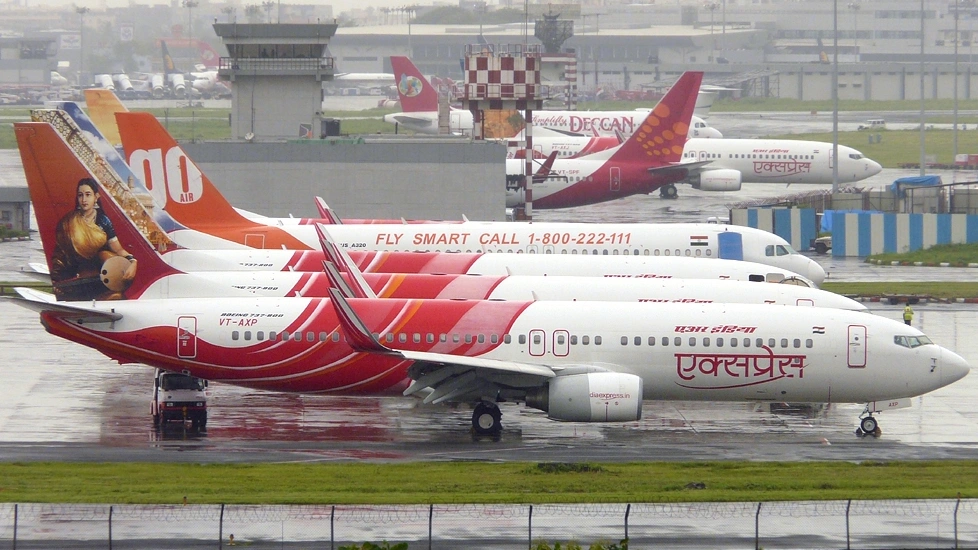
Air India Group’s Technical Record Under DGCA Scrutiny
The Kannur return also comes against the backdrop of sustained regulatory scrutiny of the Air India Group’s technical performance. The Air India Group — which includes both Air India (AI) and Air India Express (IX) — is owned by Tata Group, which acquired the airline in January 2022.
India’s Ministry of Civil Aviation disclosed to lawmakers that Air India and Air India Express together reported 85 technical defects to the Directorate General of Civil Aviation (DGCA) in the first seven months of 2025 alone. Earlier data from the Ministry showed that more than 2,000 technical defects were reported to the DGCA across all Indian commercial airlines between 2021 and mid-2025.



