Indian carrier IndiGo (6E) will suspend its London Heathrow Airport (LHR) service until its first Airbus A350-900 widebody jets arrive, after deciding to terminate its Boeing 787 damp-lease arrangement with Norse Atlantic (N0), FlightGlobal reported. All of IndiGo’s widebody flying will stop from 25 October. The airline will move its Mumbai to Amsterdam route onto Airbus A321XLR narrowbody jets instead.
The decision closes a chapter that began when IndiGo leased six Boeing 787-9s to gain early long-haul experience ahead of its own widebody deliveries. It also lands in the middle of a leadership change, with incoming chief executive Willie Walsh due to take over from early August 2026. IndiGo’s international retreat comes even as its domestic position keeps strengthening. The airline lifted its share of India’s domestic passenger market to a record 66.3% in June 2026, up from 64.9% a month earlier, while rival Air India (AI)’s share slipped to 23.9%.
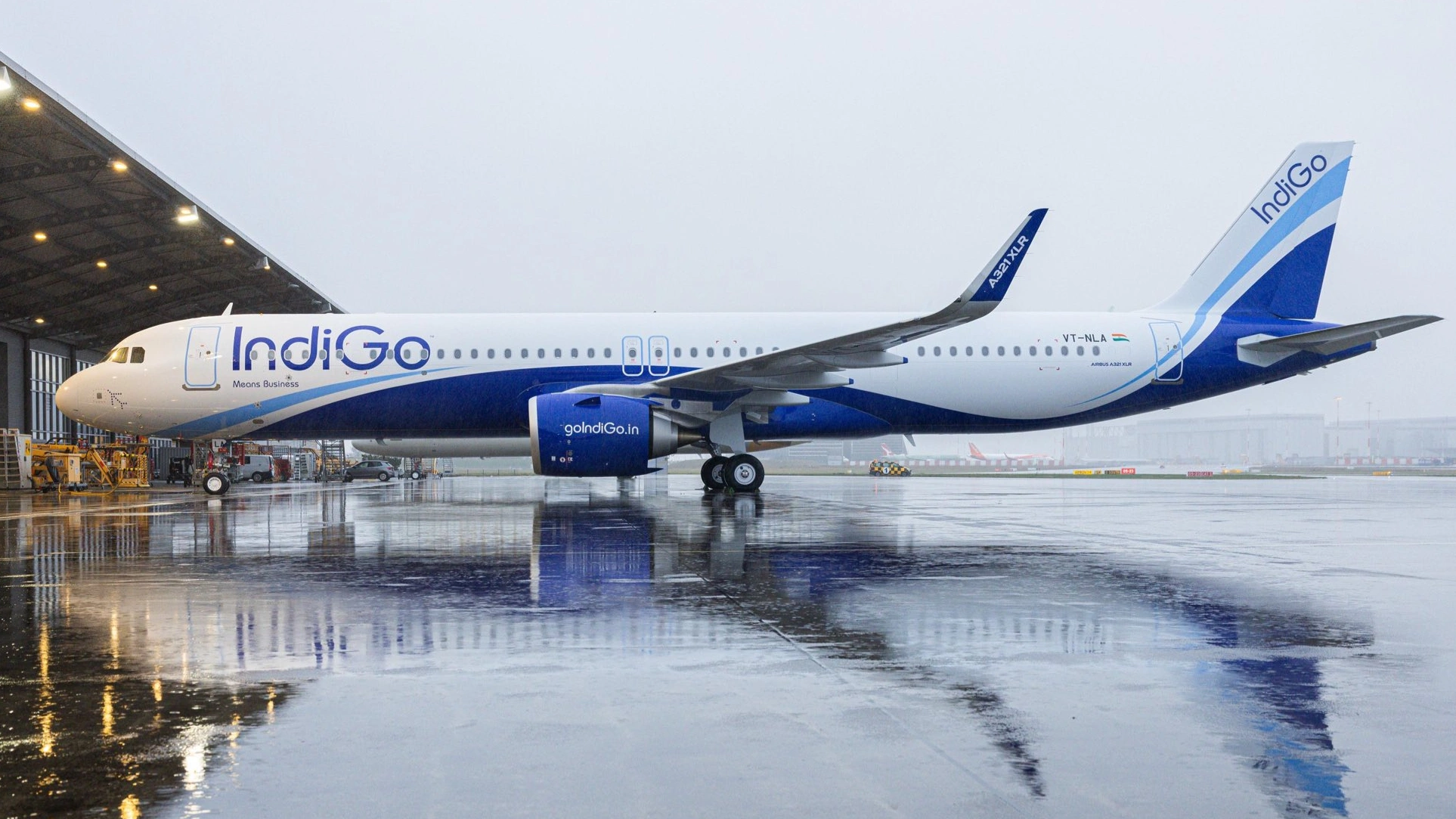
IndiGo Suspends London Heathrow Flights Until A350 Arrives
IndiGo confirmed it will “temporarily discontinue” its Heathrow route rather than keep flying it with leased jets. The airline said it would resume the service once its own Airbus A350-900s enter the fleet. It has 60 of the widebody twinjets on firm order, with deliveries expected to begin in 2027.
The Heathrow suspension leaves IndiGo without a flagship long-haul link to the United Kingdom for at least a year. It is a reversal for a carrier that had used the Norse damp-lease to build early brand presence in Europe.
IndiGo has said the damp-lease arrangement let it gain fast-track experience while it built the operational capabilities, commercial expertise, and customer insight that widebody flying demands. That includes crew training, long-haul network planning, and maintenance processes the airline had never needed for its largely narrowbody domestic fleet. Losing the Heathrow slot temporarily reverses some of that early progress, even though the underlying skills built during the lease period carry forward.
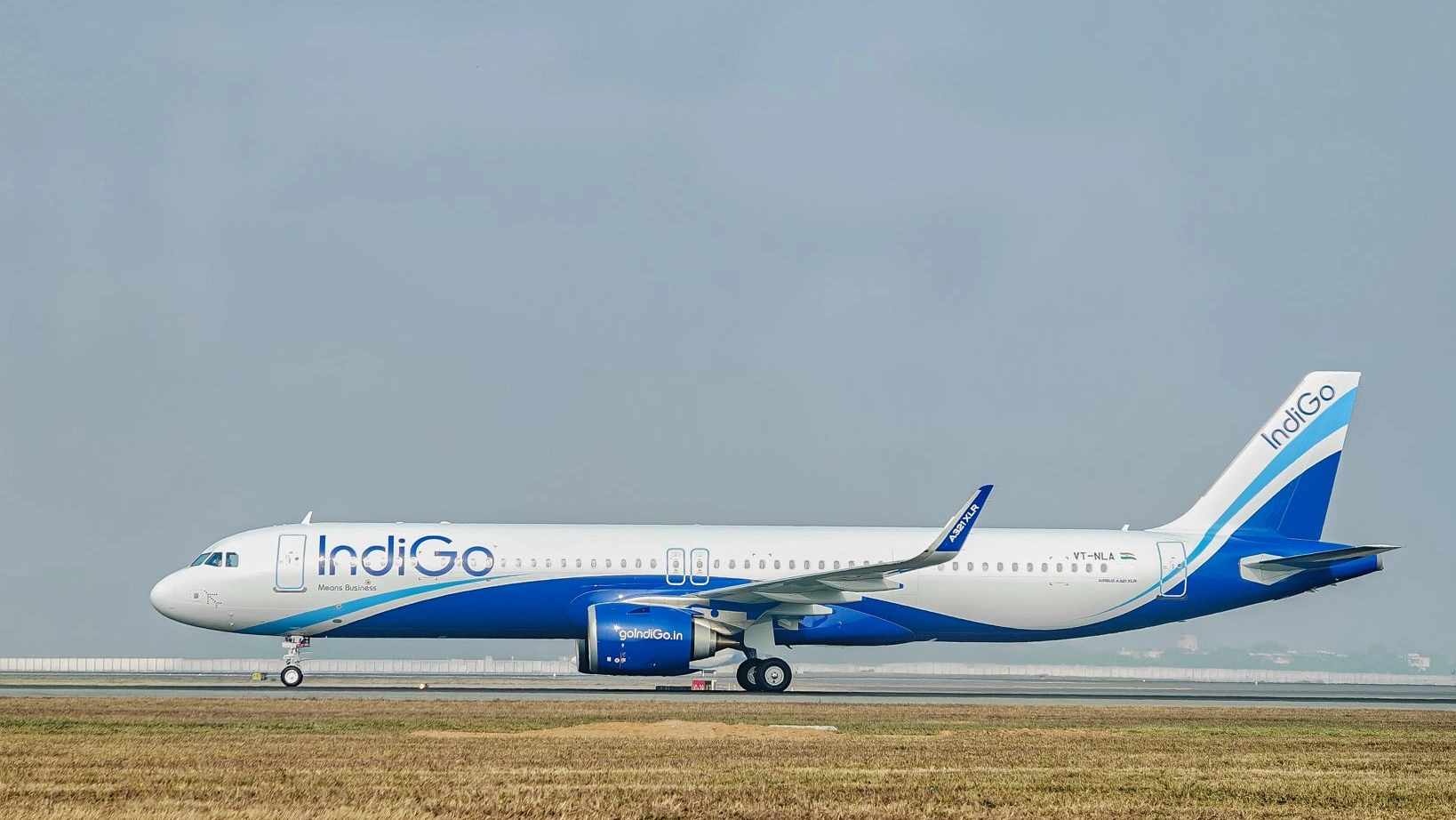
Amsterdam Service Switches to Airbus A321XLR Jets
Rather than dropping its Amsterdam route entirely, IndiGo will redeploy the Airbus A321XLR, a long-range narrowbody, on the Mumbai to Amsterdam sector. The Airbus A321XLR gives IndiGo a way to keep a European link alive without a widebody aircraft. Key features of the type include:
- A range of roughly 8,700 kilometres, among the longest of any narrowbody in service
- A rear centre fuel tank that extends endurance without adding a fourth engine or a second aisle
- Lower trip costs than a widebody on thinner long-haul routes, a factor IndiGo has leaned on before
Chhatrapati Shivaji Maharaj International Airport (BOM) in Mumbai remains IndiGo’s main international gateway for the route. The switch keeps the Amsterdam link flying daily even as the carrier’s other widebody routes go dark.
Substituting a narrowbody for a widebody typically means fewer seats and no dedicated cargo hold capacity on a route. For IndiGo, the trade-off is judged worthwhile because it preserves a European destination in its network map rather than dropping it altogether during the gap before the A350s arrive.
_IndiGo._(14163542284).jpg)
Why IndiGo Axed Its Six Boeing 787 Damp-Leases with Norse Atlantic
The damp-lease, which initially covered six Boeing 787-9s, is being terminated entirely, with the arrangement ending on 1 November. IndiGo had already agreed to return one of the six aircraft earlier, after axing its Manchester route. Norse Atlantic chief executive Eivind Roald said the two airlines had jointly concluded that deploying the jets elsewhere would suit both parties better.
Roald pointed to “elevated fuel prices, airspace disruptions and longer flight routes” as forces that had undercut the arrangement’s economics. Norse plans to redeploy the returned aircraft on its own profitable routes, including New York and Orlando, for the coming winter season.

IndiGo Still Waits on 60 Airbus A350-900s Ordered for 2027
IndiGo’s Airbus A350-900 order, doubled to 60 firm aircraft in October 2025, remains the foundation of its long-haul strategy. The jets, powered by Rolls-Royce Trent XWB engines, are expected to offer roughly 25% lower fuel burn than older widebody types. Airlines already flying the A350, such as Swiss, cite similar efficiency gains alongside a quieter cabin and higher in-flight humidity.
IndiGo senior vice-president for planning Abhijit Dasgupta said the damp-lease period was needed for a “prudent deployment” of resources while the airline waits on its own aircraft. He added that the project had never been solely about serving specific routes, but about laying groundwork for future long-haul growth.

India’s Broader Widebody Shortage Leaves Global Ambitions Grounded
IndiGo’s pause fits a pattern across Indian aviation. India operates only around 50 widebody aircraft in total, a figure incoming IndiGo chief executive Willie Walsh, speaking before his appointment, called a “scandal” for a nation of 1.4 billion people. Despite more than 1,000 combined widebody and narrowbody jets on order across Indian carriers, deliveries stretch out over a decade, keeping the country reliant on Gulf hubs for long-haul connections in the interim.
Passengers travelling from India to North America or Europe are frequently routed through hubs such as Dubai or Doha, letting foreign carriers capture a large share of transit traffic that could otherwise flow through Indian airports. Delhi, Mumbai, Bengaluru, and Hyderabad already have the infrastructure to handle long-haul operations at scale. What they lack, for now, is the fleet to use it.
IndiGo had also raised its own international fuel surcharges earlier in 2026, adding as much as ₹10,000 on long-haul European sectors as jet fuel costs climbed sharply. That earlier repricing signalled the same cost pressure now shaping IndiGo’s decision to pull back from leased widebody flying rather than absorb rising operating costs on routes it could not yet fly economically with its own aircraft.
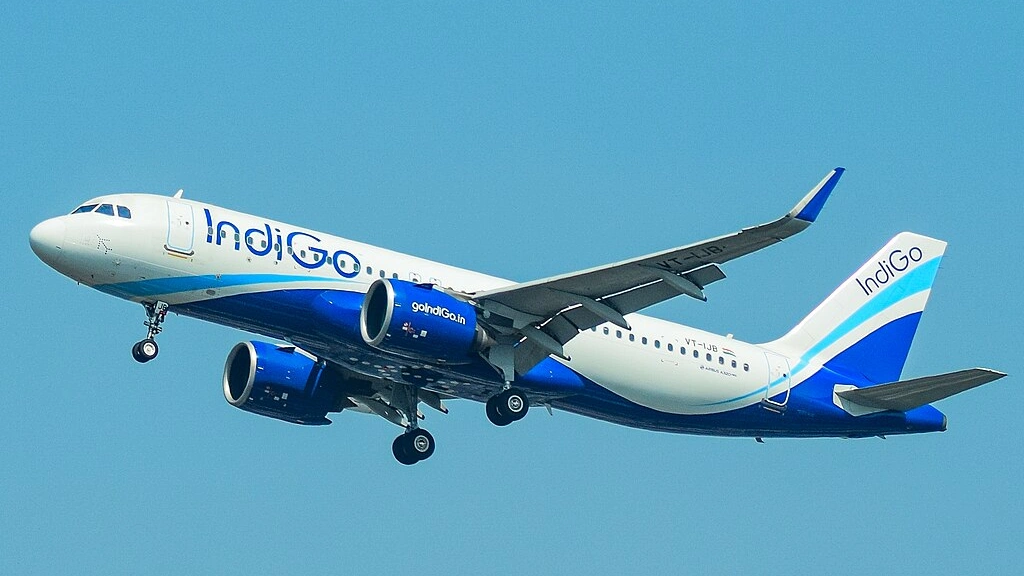

FAA Safety Audit Adds Pressure as IndiGo Eyes US Expansion
IndiGo’s long-haul rebuild will also unfold against a tense regulatory backdrop. India’s aviation regulator, the DGCA, faces a formal safety review by the US Federal Aviation Administration in November 2026, its first full assessment since a fatal Air India crash in June 2025 and a wave of IndiGo flight cancellations tied to new pilot duty rules. The outcome will determine whether India keeps its FAA Category 1 status, which allows Indian carriers to expand codeshare and direct service to the United States.
A downgrade would complicate IndiGo’s eventual plans to use its A350s on long-haul US routes once deliveries begin. For now, the review adds another variable to a widebody strategy already delayed by aircraft availability.
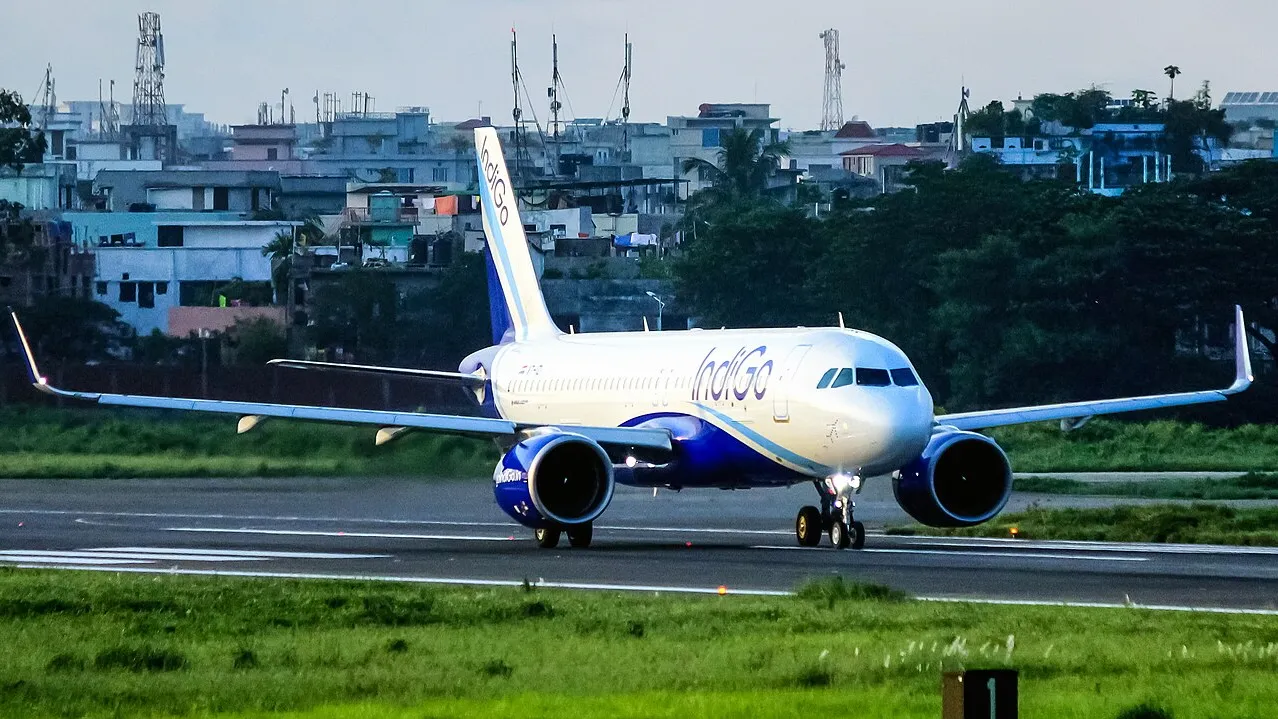

Leadership Transition: Willie Walsh Takes Over as Long-Haul Plans Stall
The damp-lease termination lands just as IndiGo undergoes a management change. Willie Walsh, formerly chief executive of British Airways and IAG, is due to take over as IndiGo’s chief executive by early August 2026, following the resignation of Pieter Elbers in March. Walsh said the shift in the aviation landscape left IndiGo “well-positioned to be at the forefront of this change,” as he prepares to steer the carrier through its widebody transition.
Walsh inherits an airline that must now manage nearly a year without long-haul capacity of its own, a newly appointed chief financial officer, and an ambitious international expansion plan still waiting on Airbus.
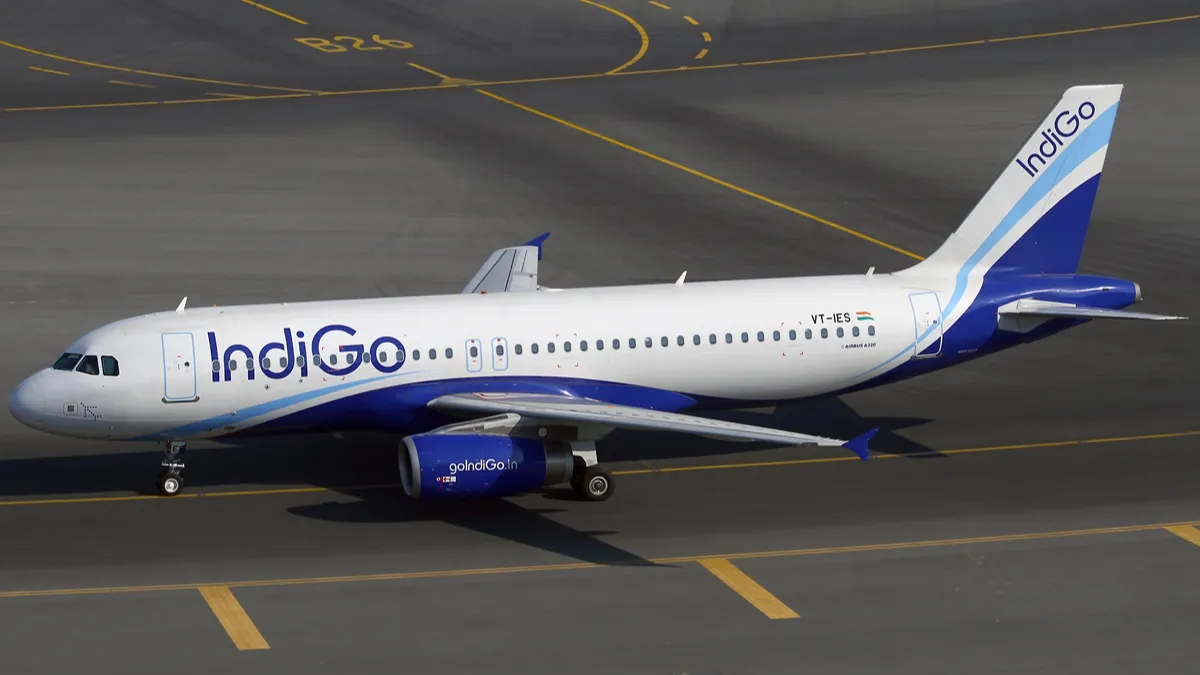

What Happens Next for IndiGo’s Long-Haul Network
IndiGo’s widebody comeback now hinges entirely on Airbus’s 2027 delivery schedule for the A350-900. Until then, the airline will lean on its A321XLRs for thinner long-haul routes like Amsterdam, while Heathrow and other 787-served markets stay grounded. How quickly IndiGo can rebuild its European network once the A350s arrive will be an early test of Walsh’s leadership at the carrier.
IndiGo has said its long-term commitment to expanding across mid- and long-haul markets has not changed, even as the near-term network shrinks. With 40 further A350 purchase rights still available beyond the 60 firm jets, the airline also has room to grow the order further if demand justifies it. For now, the carrier’s long-haul story is on hold, waiting on aircraft rather than ambition.