The tender process, launched in February 2026, forms part of a broader effort to expand domestic flight training capacity. According to the Ministry of Civil Aviation, India will require between 30,000 and 31,800 additional pilots over the next decade to support rapid airline fleet expansion and the country’s growing airport network.
AAI Completes FTO Tender
AAI invited bids for the 11 FTO slots in February 2026. Technical bids were opened on April 30, followed by financial bids on May 22. According to AAI, the tender process concluded successfully for all seven airport locations, allowing selected training organisations to move forward with establishing new flying schools.
The ministry’s long-term projections are driven by two major developments. Indian airlines are expected to induct around 500 additional aircraft over the next five years, while nearly 50 new airports are planned across the country. With 125 airports currently under its management, AAI plays a central role in providing the infrastructure needed to support future pilot training expansion.

Training Capacity Still Limited
Despite growing demand, India’s existing pilot training ecosystem remains relatively small. As of April 2026, the country had 41 DGCA-approved Flying Training Organisations operating from 63 flying bases.
The expansion has been gradual over recent years. In early 2023, the Ministry of Civil Aviation informed the Lok Sabha that India had 35 FTOs across 53 flying bases, meaning only six new organisations and ten additional bases have been added in roughly three years. AAI has acknowledged that domestic training capacity must expand at a faster pace if it is to keep up with the aviation sector’s long-term workforce requirements.

Previous Expansion Rounds
The latest allocation follows two earlier rounds of FTO slot awards. In 2021, AAI allotted nine slots across five airports: Belagavi (IXG), Jalgaon (JLG), Kalaburagi (KLH), Khajuraho (HJR), and Lilabari (IXI). A second round in June 2022 awarded six additional slots at Bhavnagar (BHU), Hubballi (HBX), Kadapa (CDP), Kishangarh (KQH), and Salem (SXV). Both allocations were completed through competitive bidding.
Separately, the AAI Board approved the allotment of land at card rates for 25 years at 20 airports to encourage private investment in pilot training facilities.
Policy Support and the Possibility of Fleet Growth
The FTO expansion has been supported by policy changes introduced to reduce operating costs for flight schools.
In 2021, then Civil Aviation Minister Jyotiraditya Scindia announced the removal of airport royalty charges for FTOs while reducing annual land rentals to a minimum of ₹15 lakh from several crores. The new training centres are being developed under a Public-Private Partnership model, with AAI providing land and airside access while private operators manage flight training.

The newly allotted FTOs are expected to introduce between 60 and 70 training aircraft during the initial phase of operations.
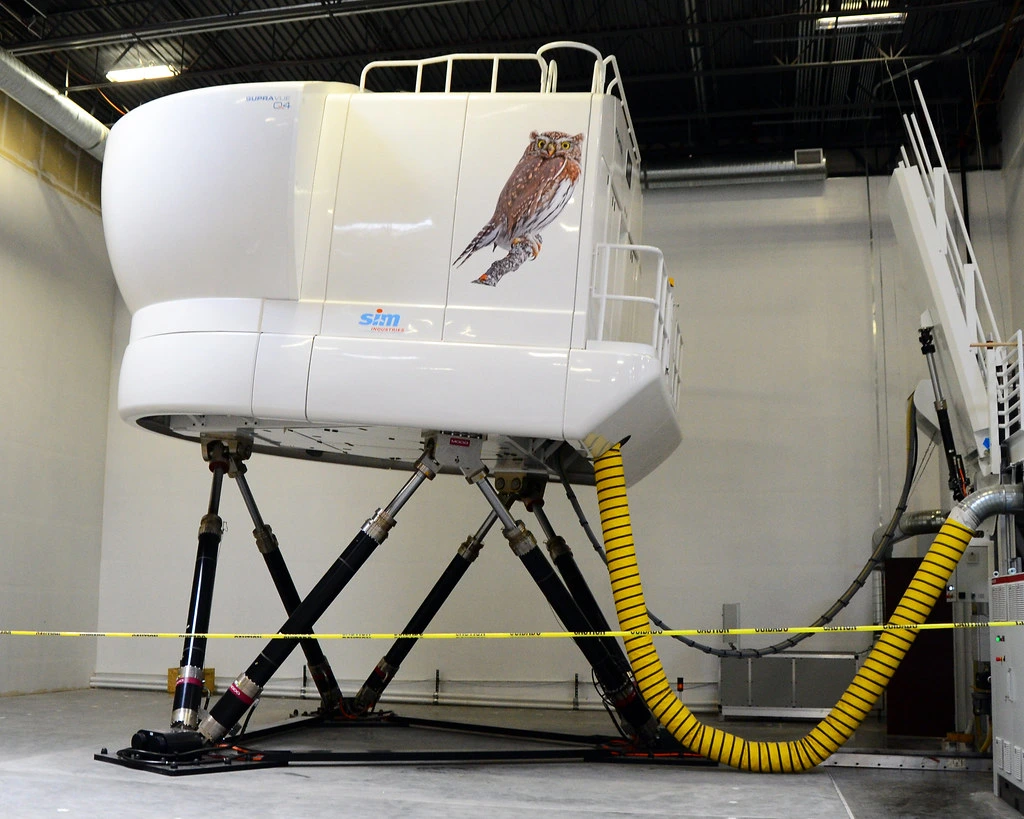
As the facilities mature, the combined fleet is projected to grow to between 110 and 120 aircraft, supported by multiple flight simulators and other training devices.
Pilot Output
Initially, the new FTOs are expected to train between 400 and 500 aviation professionals each year, including cadet pilots and technical trainees.
At full operational capacity, annual output could increase to around 1,500 professionals, including approximately 700 to 750 cadets and trainees.
For comparison, the Indira Gandhi Rashtriya Udan Akademi in Rae Bareli trains around 300 cadets annually. Once fully operational, the new FTO network would more than double the yearly training capacity of India’s flagship flying academy.
The expanded infrastructure is also expected to reduce reliance on overseas pilot training, retain training expenditure within India, and improve the utilisation of regional airports for ab-initio flight training.

Pilot Licences Rising
Pilot licensing has already reached record levels. Commercial Pilot Licence (CPL) issuances increased from 640 in 2018 to a record 1,628 in 2024.
The ministry’s data shows 744 CPLs were issued in 2019 before falling to 578 in 2020 during the pandemic. The numbers recovered to 1,165 in 2022 and climbed to 1,622 in 2023, representing a 39 percent year-on-year increase.
Women accounted for 18.12 percent of the 1,622 CPLs issued in 2023, while they currently make up an estimated 14 percent of the workforce employed by scheduled Indian airlines.
In another sign of growing demand, the DGCA also issued 615 Commercial Pilot Licences to foreign-trained cadets alongside 2,309 Student Pilot Licences in a recent year, reflecting rising enrolment in pilot training.
The expansion of Flying Training Organisations at regional airports is expected to make pilot training more accessible and cost-effective while increasing the productive use of airport infrastructure across the country.