The Federal Aviation Administration (FAA) is investigating a runway departure and go-around event involving two Delta Air Lines (DL) aircraft near Hartsfield-Jackson Atlanta International Airport (ATL), where onboard collision-avoidance systems were activated after the aircraft converged shortly after takeoff and a missed approach.
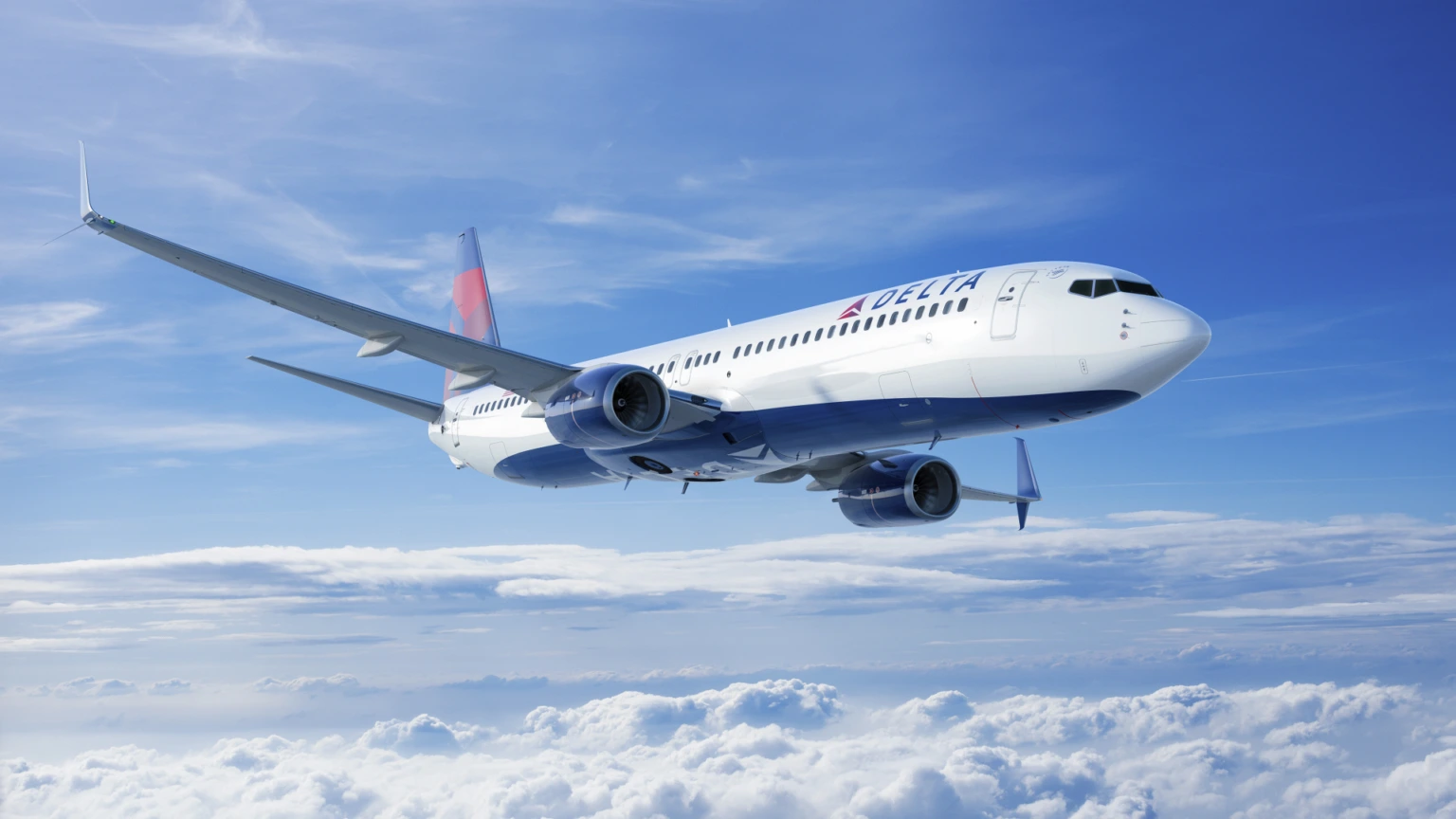
The incident occurred on the night of July 27 and involved Delta Flight DL1568 from Pittsburgh International Airport (PIT) and Delta Flight DL2472 bound for Frederick Douglass Greater Rochester International Airport (ROC). The flights were operating a Boeing 737-900 and an Airbus A321, respectively.
Weather Delayed Operations
The event unfolded at around 11:00 p.m. local time as Atlanta Airport worked through heavy traffic following widespread thunderstorm-related disruptions.
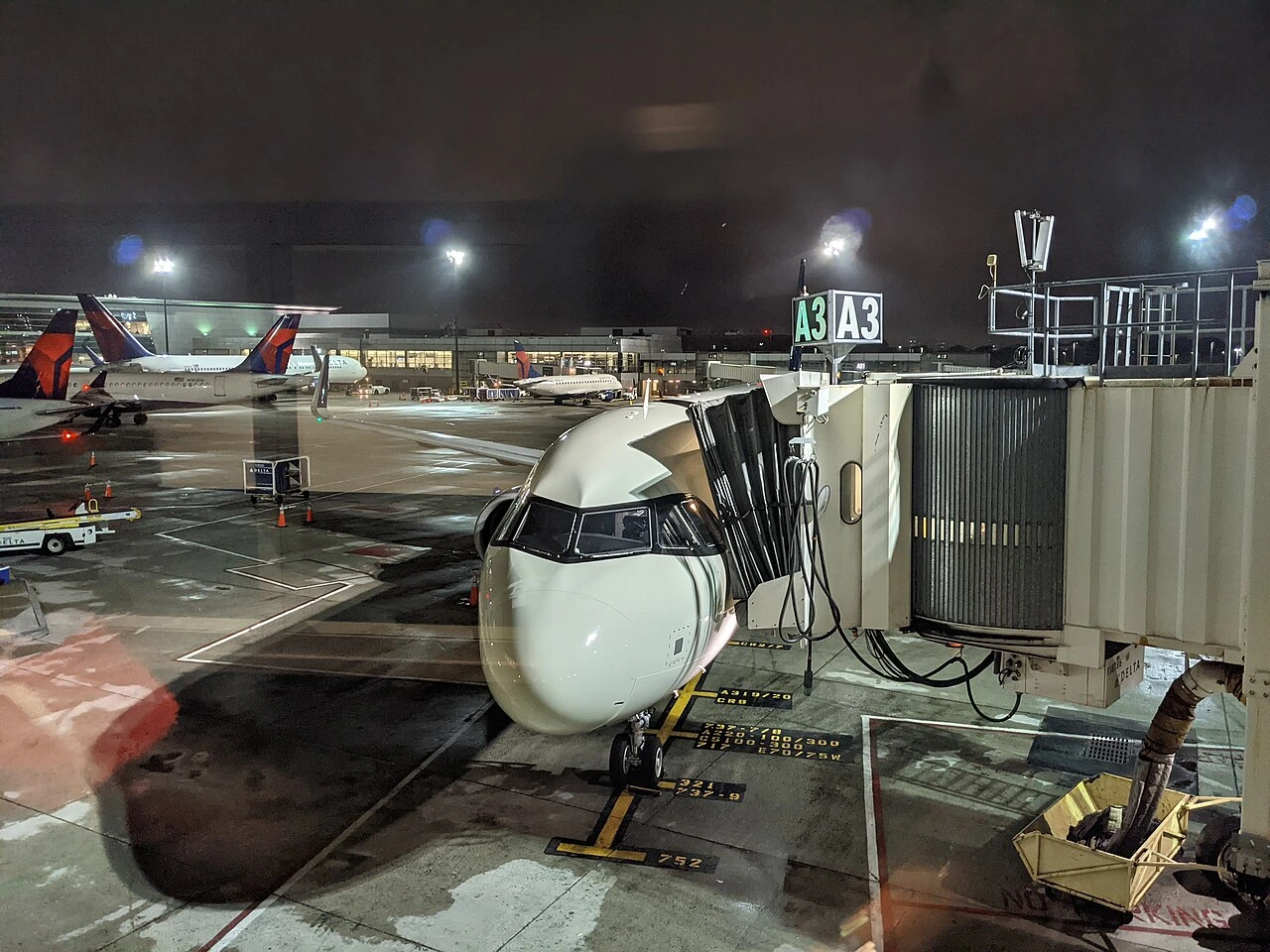
Flight DL1568 had originally been scheduled to arrive around 8:00 p.m. but diverted to Chattanooga Metropolitan Airport (CHA) while waiting for weather conditions to improve. Once flights resumed, controllers were handling a large number of delayed arrivals and departures as operations gradually returned to normal.
At the time, arrivals were using Runway 26R, while departures were taking place from the parallel Runway 26L.

Go-Around Decision
As Flight DL1568 approached Runway 26R, its crew noticed a Frontier Airlines aircraft ahead that had not yet fully cleared the runway. The pilots asked the control tower to confirm whether another aircraft was still on the runway. Although controllers advised that the Frontier aircraft was exiting via a taxiway, the Delta crew discontinued the landing and initiated a go-around.
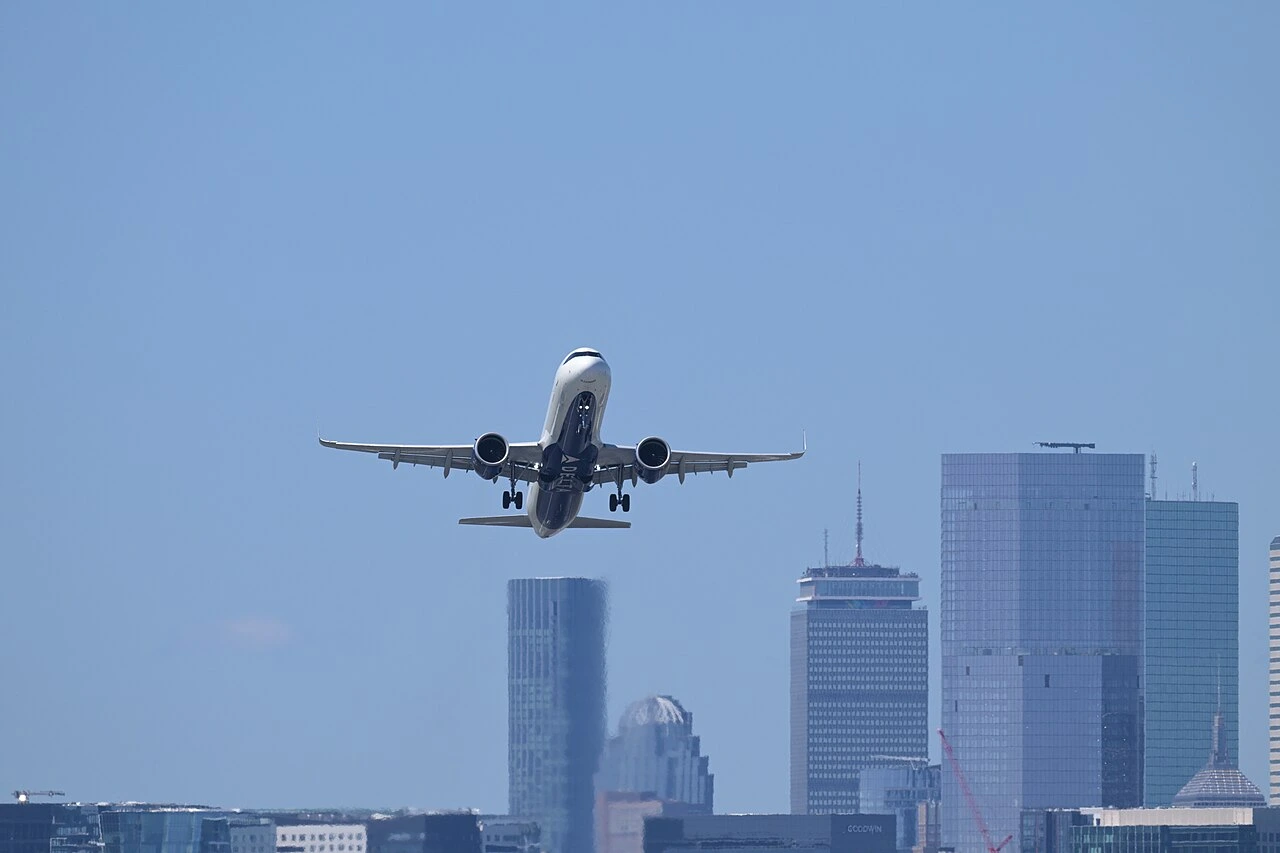
A go-around is a routine safety procedure that allows pilots to abandon a landing approach and climb away before making another attempt whenever runway occupancy or other operational factors create uncertainty. While the Boeing 737 was climbing away from the airport, controllers cleared Delta Flight DL2472 for departure from Runway 26L.

TCAS Warning Activated
After becoming airborne, the departing Airbus A321 was instructed to turn right and climb to 4,000 feet. At nearly the same time, the Boeing 737 performing the go-around was also climbing toward the same altitude, causing the aircraft to briefly converge. During the event, the crew of Flight DL2472 advised air traffic control that they were “responding RA,” indicating they were following a Traffic Collision Avoidance System (TCAS) Resolution Advisory.
TCAS functions independently of air traffic control by monitoring nearby aircraft through transponder signals. It first issues a Traffic Advisory (TA) to alert crews of nearby traffic and, when necessary, escalates to a Resolution Advisory (RA), directing pilots to climb or descend immediately to maintain safe separation.
Flight tracking data from Flightradar24 showed the two Delta aircraft came within approximately 1,800 feet of one another before separating safely. No injuries or aircraft damage were reported by Paddle Your Own Kanoo.
Delta Air Lines said the crews followed established safety procedures exactly as trained and emphasized that its pilots regularly practice both go-around maneuvers and TCAS Resolution Advisory responses. The FAA has opened an investigation into the incident and will examine air traffic control communications, radar information, flight recordings, and operational procedures to determine why the two aircraft were placed on converging flight paths during a period of heavy traffic.
Although the aircraft came closer than intended, the combination of the go-around, onboard collision-avoidance technology, and the crews’ response to the Resolution Advisory ensured that safe separation was maintained throughout the event.