An aircraft is airworthy only when two separate conditions hold true at the same time: it must match its approved factory design, and it must be in a safe condition to fly, according to Pilot Institute’s July 2025 guide. Regulators, airline maintenance teams and pilots share this responsibility every day, at every airport, from major hubs to remote mountain strips such as those serving Tribhuvan International Airport (KTM) in Kathmandu. The topic matters now because Nepal’s own regulator, the Civil Aviation Authority of Nepal (CAAN), has repeatedly grounded aircraft in recent years over lapses in this exact process.
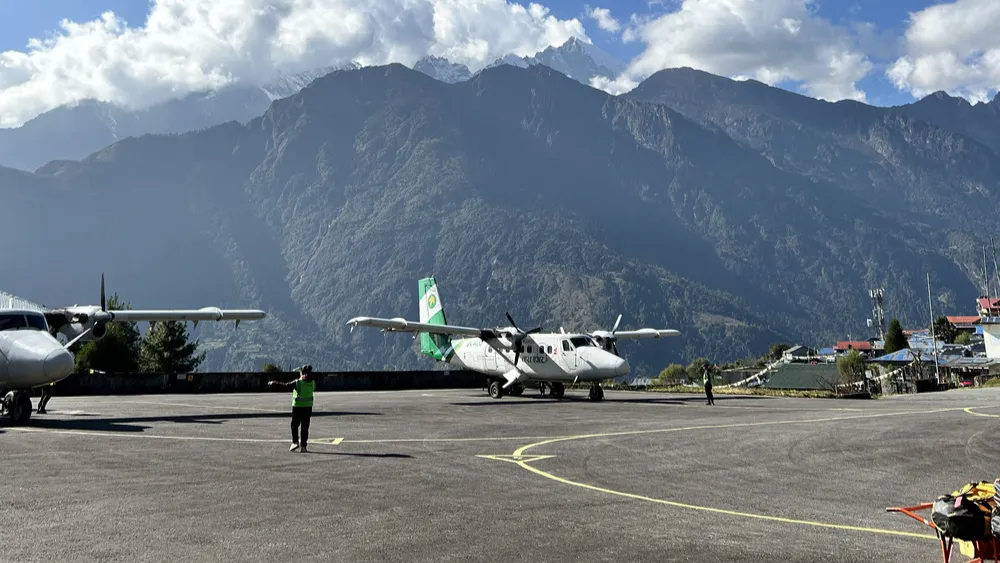
This topic also matters because Nepal houses the most dangerous airport in the world- Lukla Airport, which lies in the same region which houses the most dangerous airport prior to Lukla. Nepal has also seen a string of deadly incidents in its history ( Lukla has also seen its fair share of accidents) – the more bigger of the recent ones is the crash of Yeti Airlines Flight 691. In light of such accidents, Nepal has always seen accusations of whether aircraft here are air worthy.
Under U.S. federal aviation rule 14 CFR 91.7(b), the pilot in command must decide before every flight whether the aircraft is fit to fly and must stop the flight if it is not. Nepal enforces a similar rule through CAAN’s Air Service Operation Guidelines, and any aircraft found flying without a valid airworthiness certificate faces immediate grounding. This article explains how that certificate is earned, kept and lost, using Nepal’s own recent maintenance record as a case study.
What Does Airworthy Actually Mean
A valid certificate does not guarantee a safe aircraft. Thrust Flight’s May 2025 explainer notes that the airworthiness certificate an aircraft receives when new carries no expiry date. It confirms only that the aircraft met design standards on the day it left the factory.
An aircraft can hold a decades-old, still-valid certificate while being unsafe to fly today. Keeping it airworthy is an ongoing job. It depends on current paperwork, scheduled checks, mandatory safety orders and an unbroken maintenance record for every part on board.

The Five Documents Every Aircraft Must Carry
Pilots learn the required paperwork through a simple acronym: ARROW. NetworkPX’s September 2025 regulatory guide lists the five documents that must be on board before legal flight:
- Airworthiness Certificate
- Registration Certificate
- Radio Station License, needed for international flights
- Operating Limitations, found in the approved flight manual
- Weight and Balance documentation
The certificate itself is issued by the aviation authority in the aircraft’s country of registration. It confirms the aircraft still conforms to its Type Certificate, the original design approval document. Standard certificates cover categories such as Transport, Commuter, Normal, Utility and Acrobatic aircraft, and the FAA issues separate Special Airworthiness Certificates for experimental, restricted and light-sport aircraft.

Type Certificates Set the Design Standard for Every Aircraft
Every airworthiness certificate is judged against a Type Certificate and its accompanying data sheet. Sofema Online’s January 2026 analysis of ICAO Annex 8 explains that the State of Design, such as the FAA for Boeing or EASA for Airbus, issues this certificate once a design meets the applicable safety code.
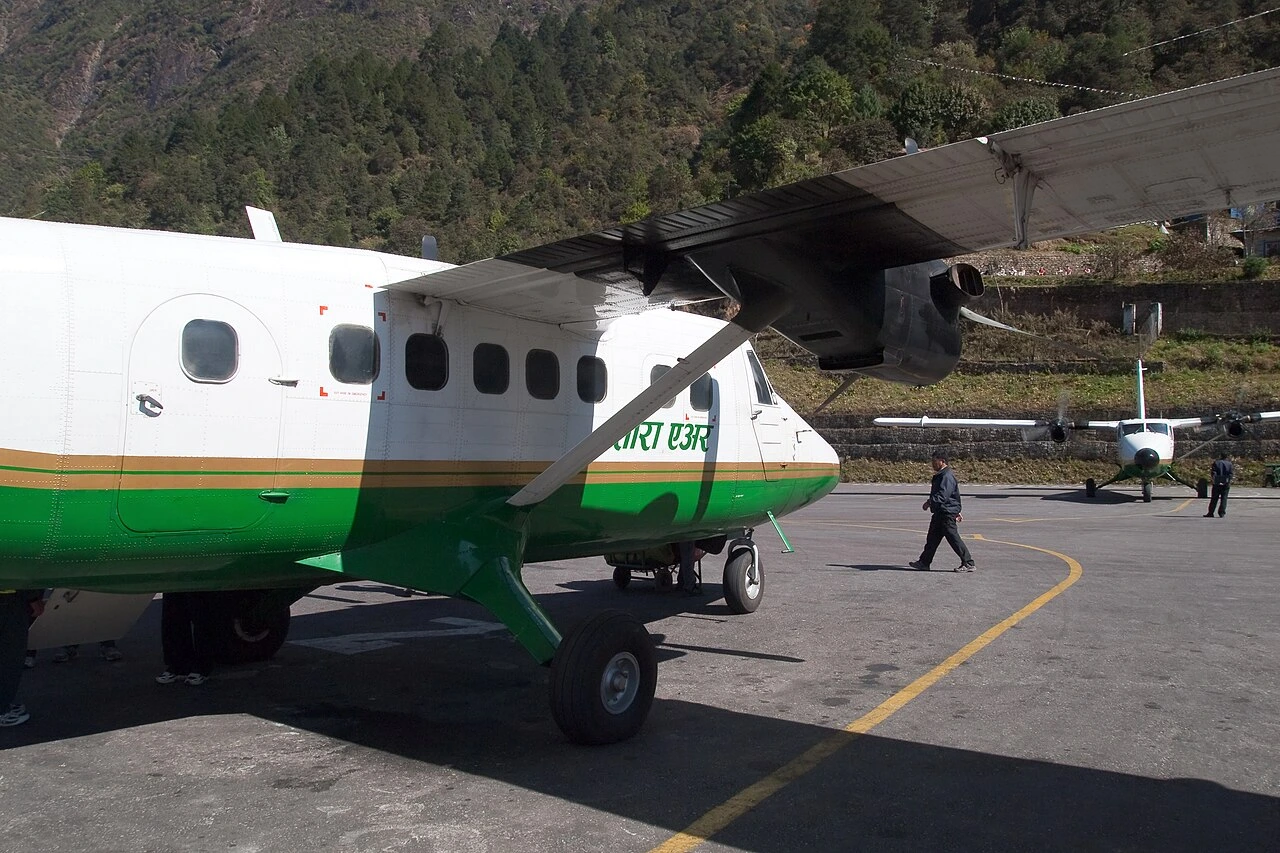
Nepal operates no domestically designed commercial aircraft, so every Nepali-registered aircraft is validated rather than certified from scratch, in line with ICAO Annex 8. Any repair or modification afterward must use data approved by the original design authority or by Nepal’s own regulator. This ongoing work can be categorized into four categories under ICAO Annex 6: overhaul, repair, modification and inspection.

Scheduled Inspections Keep Aircraft Flight-Ready
Beyond paperwork, airworthiness depends on inspections performed at set intervals. CFI Notebook’s regulatory summary lists the core checks required under U.S. rules, and equivalent checks apply across most regulatory systems, including Nepal’s:
- Annual Inspection for aircraft outside an approved continuous programme
- 100-Hour Inspection for aircraft used commercially or for training
- Transponder Check every 24 months
- Emergency Locator Transmitter check every 12 months
- Altimeter and pitot-static system test every 24 months for instrument flight
Skipping even one of these checks makes an aircraft unairworthy, regardless of how it otherwise performs mechanically. Airlines flying larger jets follow a more detailed system instead, called a Continuous Airworthiness Maintenance Programme, in which every component has its own inspection schedule tied to flight hours or calendar time.

Airworthiness Directives Override Routine Maintenance Plans
The strongest tool regulators hold is the Airworthiness Directive, a legally binding order to fix an unsafe condition found after an aircraft enters service. EASA’s official directive FAQ explains that under ICAO Annex 8, the original design authority must pass this safety information on to every country operating the affected aircraft type.
A directive issued in June 2026 for the ATR 72 illustrates how directly these orders reach Nepal. It requires airlines to revise maintenance limits addressing air conditioning shut-off valves that could weaken engine fire suppression, and it also tightens limits on rudder deflection at high speed. The order followed an earlier EASA directive from January 2026 that shortened inspection intervals for a valve linked to loss of control in icing conditions, a change made after a fatal ATR 72 crash in Brazil in August 2024.
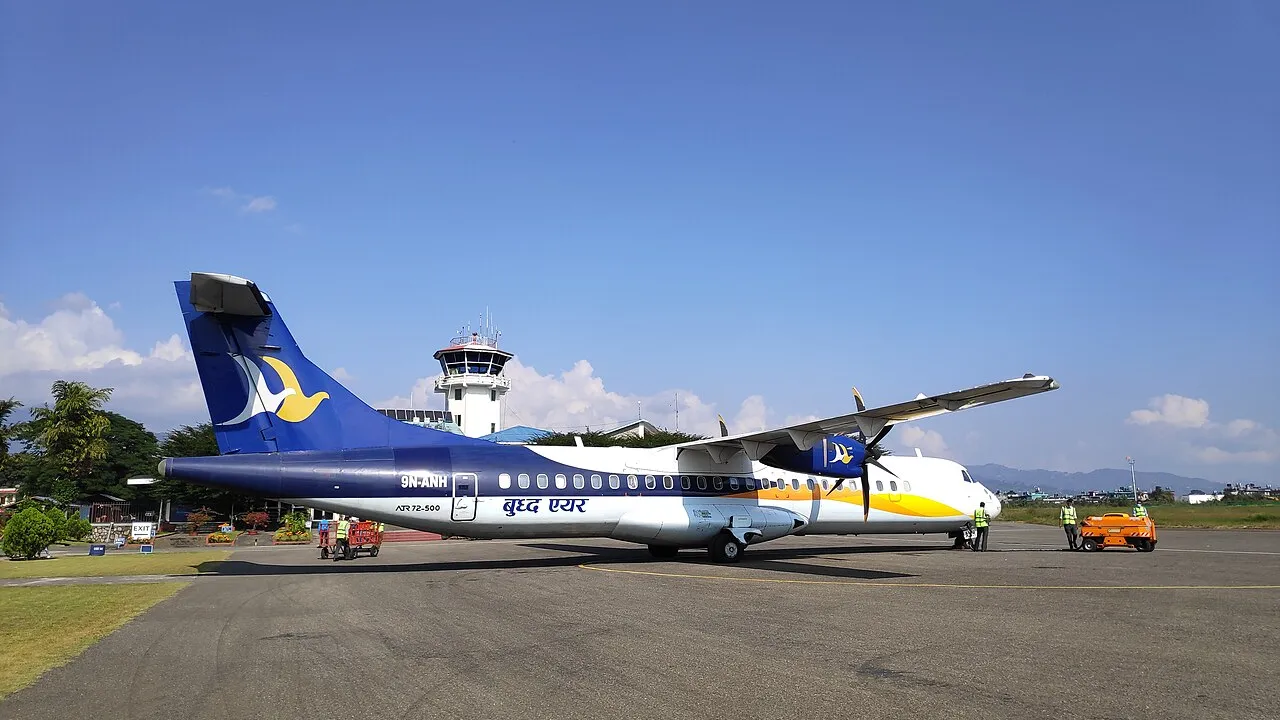
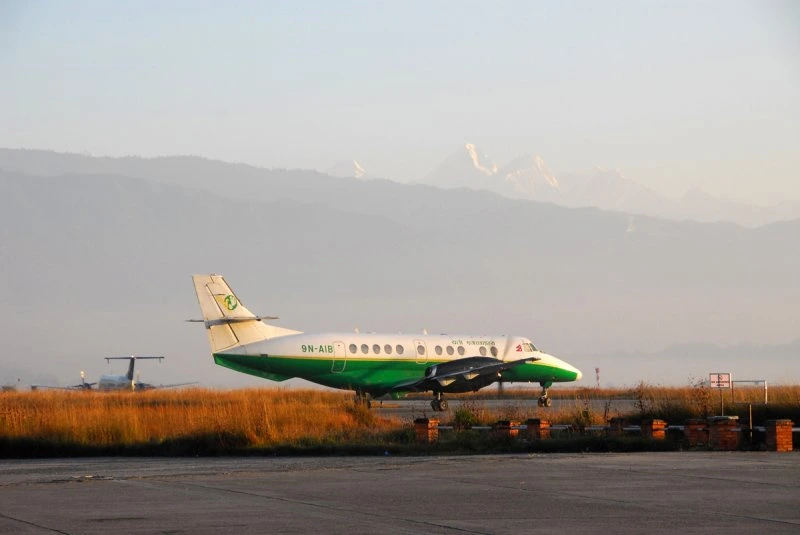
Nepal operates a large ATR 72 turboprop fleet across carriers including Yeti Airlines (YT) and Buddha Air (U4), both of which must comply with these directives on the same international timeline as any other operator, regardless of budget or spare-parts availability.
How Staffing Gaps Grounded Nepal Airlines Twice in Two Years
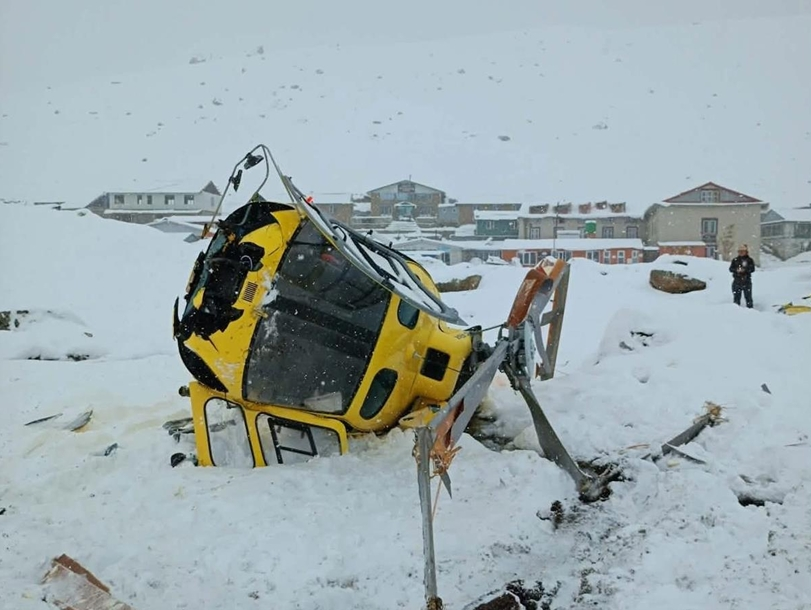
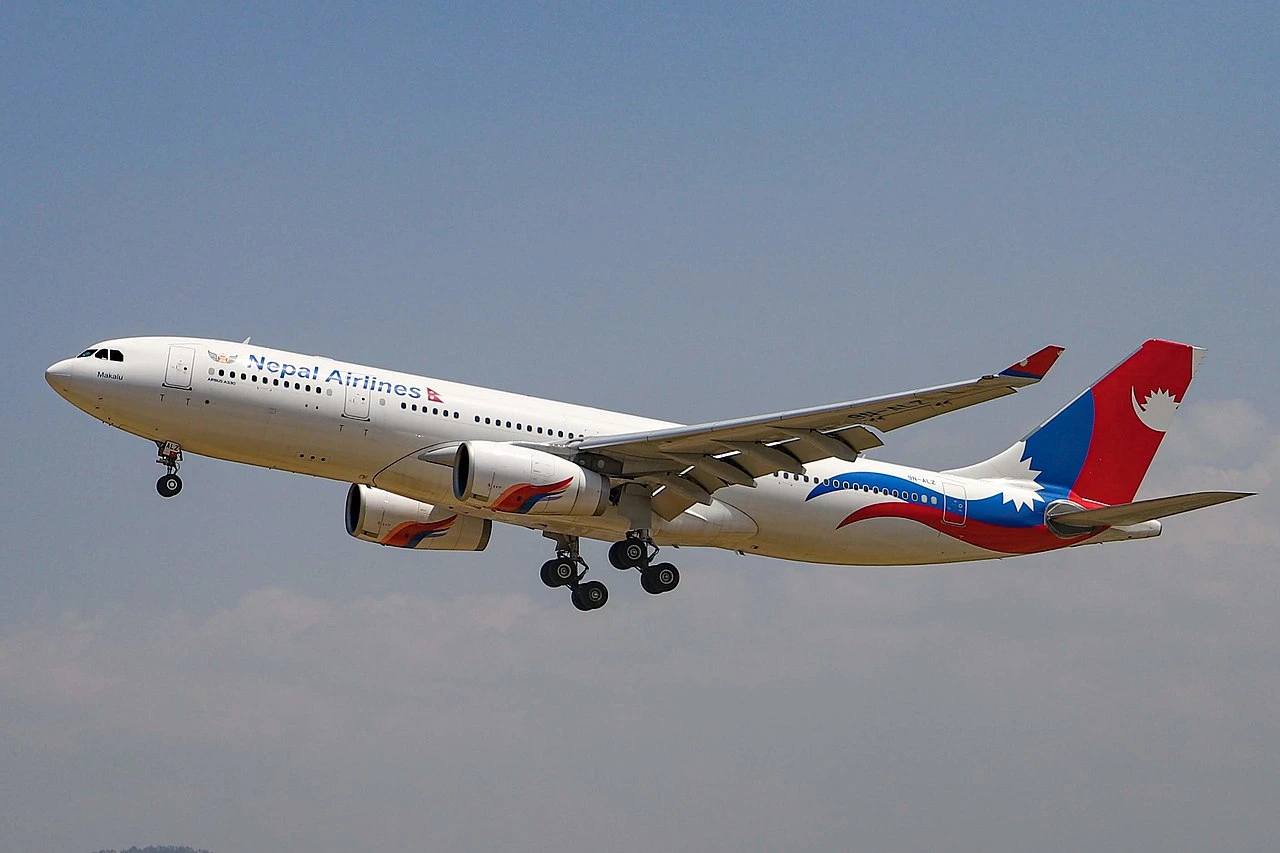
Nepal Airlines Corporation (RA), the country’s flag carrier, shows what happens when the maintenance system breaks down internally. A Fiscal Nepal investigation from March 2024 reported that CAAN formally demanded clarification from the airline after its Continuing Airworthiness Manager and Maintenance Manager posts sat vacant since October 2023.
The consequences were direct. One Airbus A320, registration 9N-AKX, was grounded for four months over an engine spare-parts shortage. Auditors also found expired fire-suppression cartridges, improper defect handling and a rising rate of aircraft sitting idle on the ground. CAAN recommended separating procurement duties from airworthiness duties within the airline’s maintenance department to fix the pattern.
The problem resurfaced roughly a year later. Dj’s Aviation reported in February 2025 that both of Nepal Airlines’ A320 jets were grounded again, this time over unpaid maintenance bills and a separate nose gear issue on one aircraft. A 2024 committee report cited by myRepublica further found that maintenance sent abroad to Israel and Italy had not fully followed required procedures, and it suspended the airline’s Chief Maintenance Officer. Compared side by side, the two episodes point to the same root cause: management and financial gaps inside the airline’s maintenance organisation, not one-off mechanical failures.

A Regional Fix for Nepal’s Turboprop Parts Bottleneck
Not every recent development has been negative. AviTrader reported in February 2026 that Aircraft Propeller Services’ maintenance centre in Subang, Malaysia gained certification from both CAAN and the Civil Aviation Authority of the Philippines to service Collins Aerospace 568F propeller systems used on ATR turboprops.
Nepal operates 23 active ATR aircraft, and operators previously had to send these propellers to North America or Europe for repair, according to the report. Fergus Lopez, Managing Director of APS Asia Pacific, said the regional option now “reduces turnaround times, simplifies logistics and improves fleet availability.” The facility also holds AS9100 aerospace quality certification and prior approval from the FAA and Malaysia’s own aviation authority.

How Nepal’s Rules Compare with Global Airworthiness Standards
Nepal’s framework sits inside the wider structure set by ICAO Annex 6 and Annex 8, which define maintenance as the combined work of overhaul, inspection, defect repair and approved modification needed to keep an aircraft airworthy. In Europe, EASA’s Part-M regulation turns these standards into binding law, requiring every operator to hold an approved maintenance programme that is updated whenever new mandatory data is issued.
The stakes of getting this wrong were shown globally by the Boeing 737 MAX grounding of March 2019, triggered by the Ethiopian Airlines Flight 302 crash. It took 20 months and a full re-certification process before the aircraft type returned to service. Nepal’s own record, from Nepal Airlines’ repeated groundings to the region’s new propeller MRO option, shows the same principle playing out on a smaller scale: airworthiness is maintained through continuous documentation, inspection and accountability, not through a certificate alone.