Delta Air Lines (DL) will lean on two new Boeing jets, the 737 MAX 10 and the 787-10, to grow its network without adding more flights. Chief Commercial Officer Joe Esposito laid out the plan during Delta’s quarterly earnings call on 10 July, held from the airline’s Atlanta base. The strategy centres on Hartsfield-Jackson Atlanta International Airport (ATL), Delta’s largest hub, and applies to both domestic and transatlantic flying.
The approach swaps older, smaller aircraft for larger ones that carry more passengers per flight. Esposito told investors that scale is central to Delta’s cost and revenue advantage, framing bigger jets as a direct route to higher margins. The plan builds on a fleet strategy Delta has run for more than a decade, and it now enters a new phase with two Boeing types that have faced years of delivery delays.
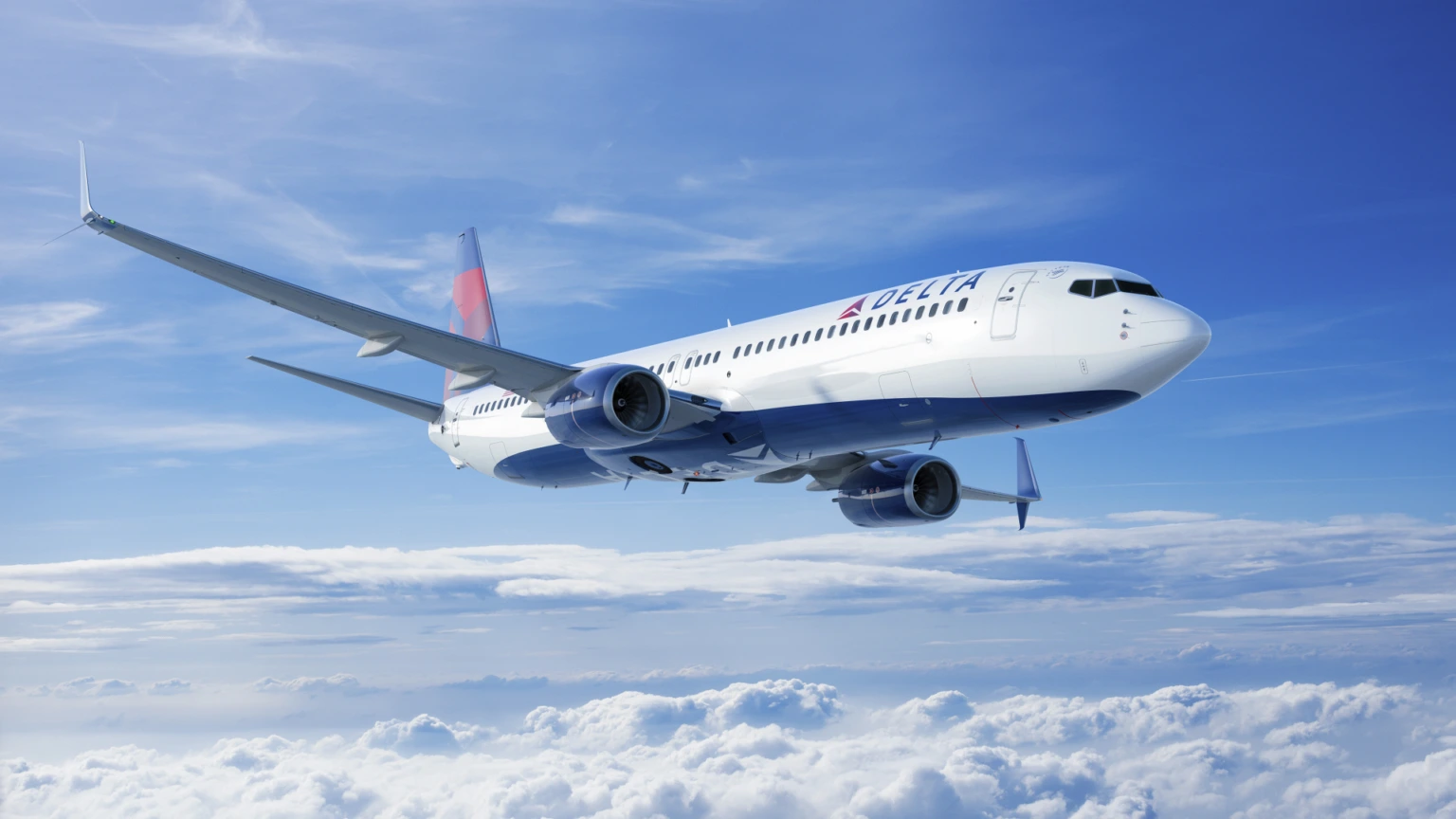
Delta Air Lines Ties Growth to Larger Boeing Jets
Delta plans to use the 737 MAX 10 and the 787-10 to add seats without adding departures. Esposito told investors that “larger airplanes make us more efficient and give us that extra capacity,” according to FlightGlobal’s report on the earnings call. That framing puts aircraft size, not flight frequency, at the centre of Delta’s near-term growth plan.
The approach lets Delta spread fixed costs, such as crew and gate fees, across more seats per departure. It also gives the airline room to add premium cabins without shrinking economy capacity. Both benefits matter most on routes where Delta already holds strong demand and limited room to add new flight slots.
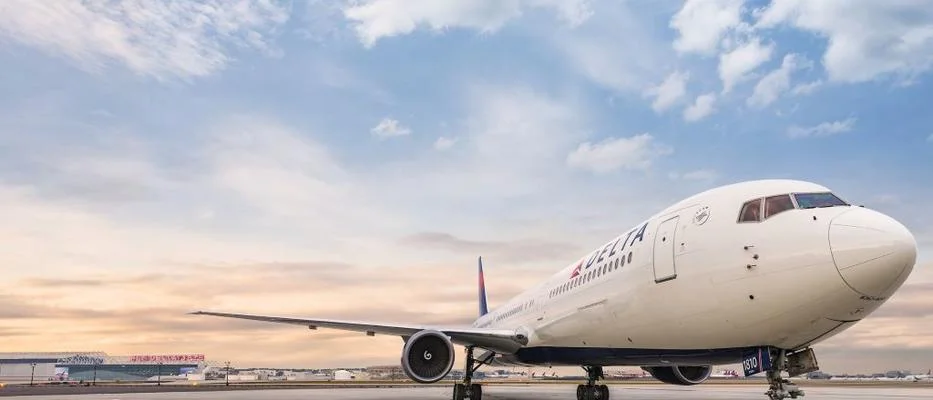
A Decade-Long Fleet Upgauging Programme Continues
Esposito’s comments extend a strategy Delta has run since the mid-2010s, when it began replacing 50-seat regional jets with the larger Boeing 717. The airline continued the shift into the 2020s by retiring ageing McDonnell Douglas MD-88 and MD-90 jets in favour of new Airbus A321s, later followed by A321neos.
The results have been measurable. Delta is the margin-leading network carrier in the United States, and much of the industry has since copied the approach. Alaska Airlines (AS), American Airlines (AA), JetBlue Airways (B6), and United Airlines (UA) have all replaced smaller narrowbodies with larger ones over the past decade.
Delta’s June-quarter 2026 results back up the strategy. The airline reported total revenue of $17.7 billion, up 14% year over year, on capacity growth of roughly 1%, according to its earnings call transcript. That combination, more revenue from barely more flying, is exactly what the upgauging strategy is designed to produce.
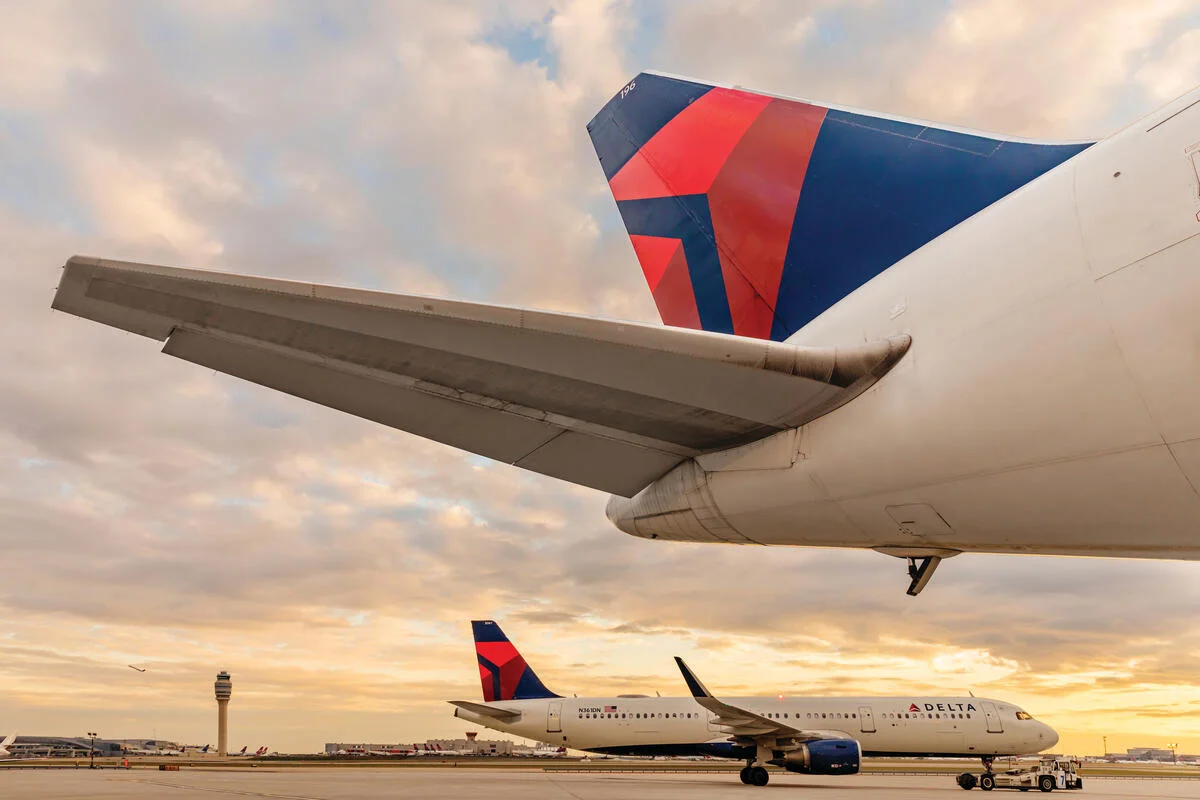
Boeing 737 MAX 10 Deliveries Begin In 2027
Delta’s next step in the upgauging plan starts in 2027, when it expects its first Boeing 737 MAX 10 deliveries. The airline ordered up to 130 of the jets at the 2022 Farnborough air show, split between 100 firm orders and 30 options, with deliveries originally planned for 2025. Certification delays at Boeing pushed the first delivery back to next year.
Chief Executive Ed Bastian said Delta expects the MAX 10 to arrive in the airline’s own livery next year, with as many as 27 jets joining the fleet in 2027. Boeing has indicated that MAX 10 certification will follow closely behind the smaller MAX 7, which could receive US Federal Aviation Administration sign-off as soon as this month.
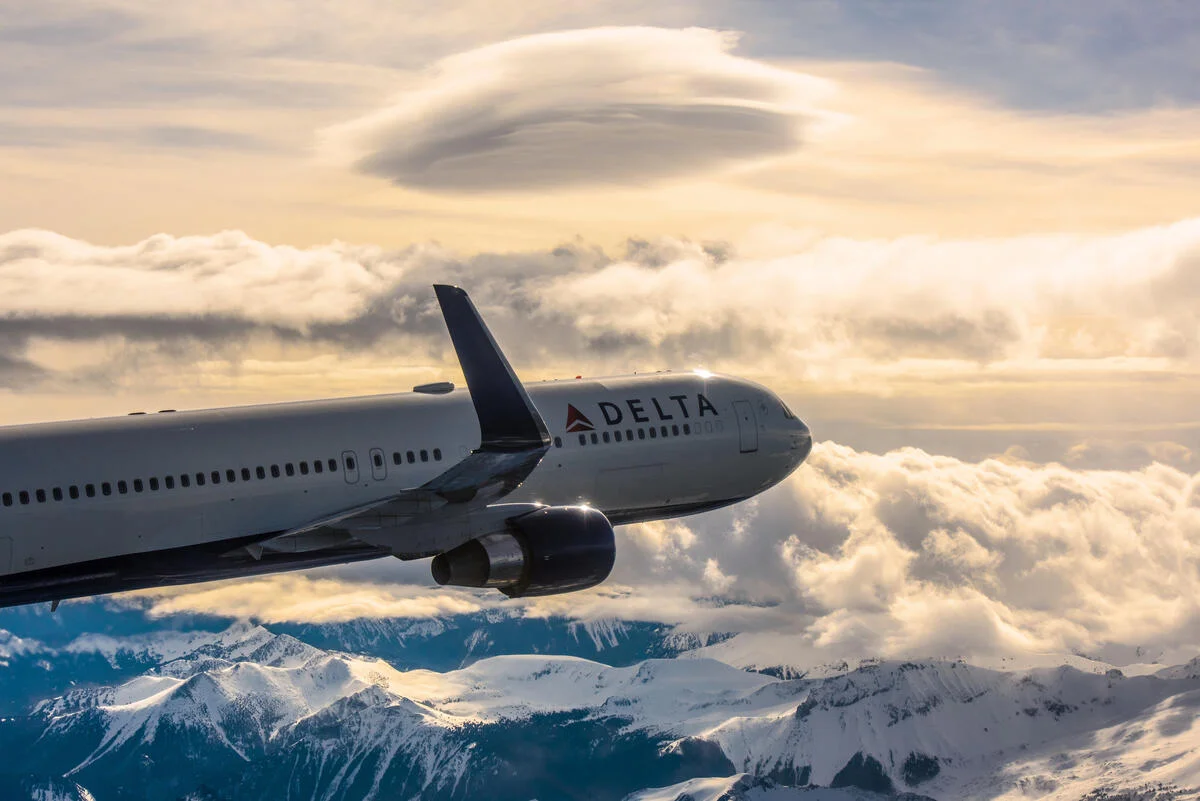
Once deliveries begin, Delta plans to use the MAX 10, which seats roughly 190 passengers in a standard two-class layout, to replace older Boeing 717s and 757s. Alaska, American, and United also hold MAX 10 orders, though Canada’s WestJet (WS) is expected to receive the first aircraft from Boeing.
- The MAX 10 is the largest variant in the 737 MAX family
- It seats approximately 190 passengers in a standard two-class configuration
- Delta expects up to 27 aircraft delivered in 2027
- The jet will replace ageing Boeing 717 and 757 aircraft in Delta’s fleet
- Certification is expected to follow the smaller MAX 7 through the FAA
Boeing 787-10 Set to Replace Delta’s Ageing 767 Fleet
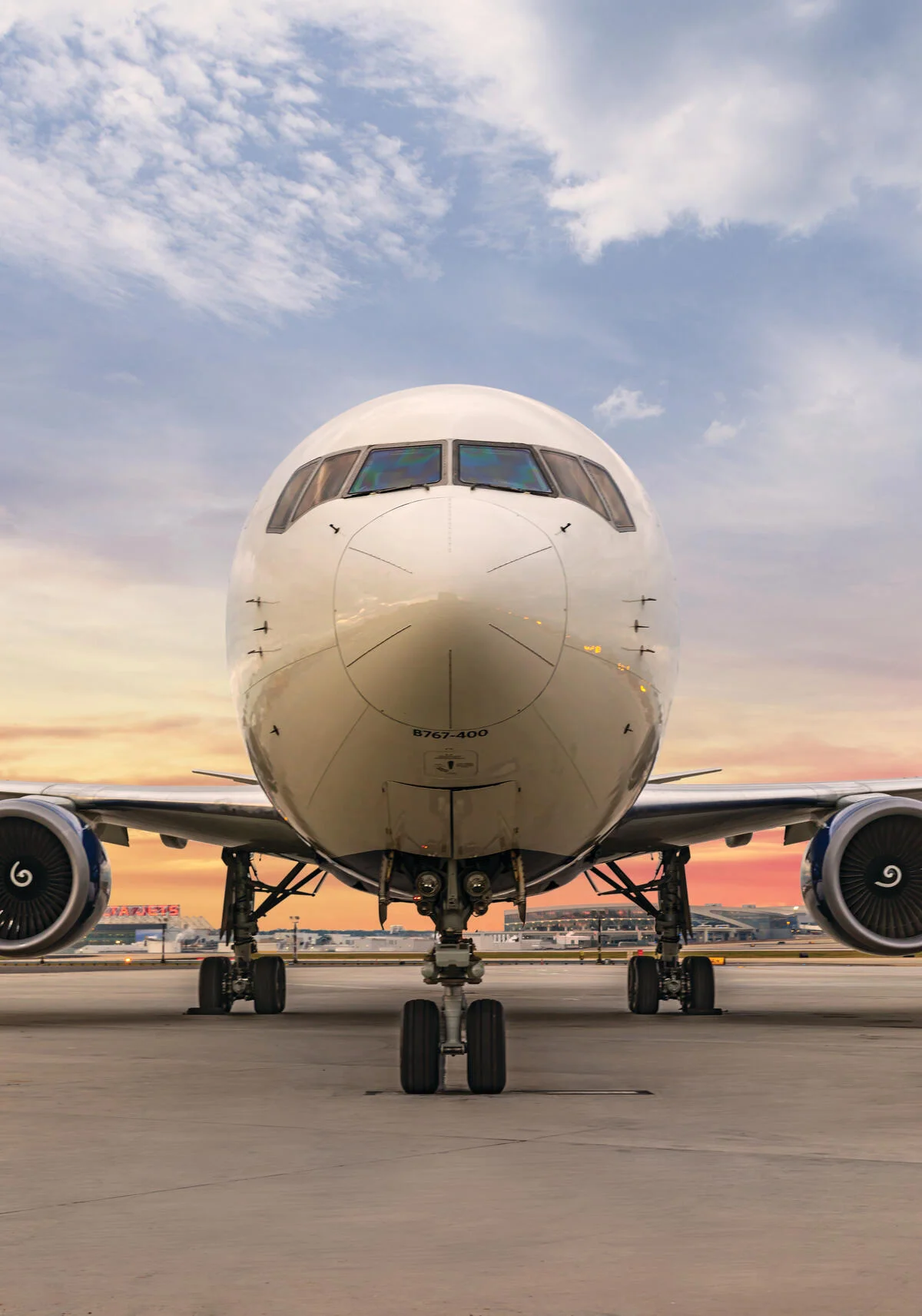
Delta’s first 787-10, out of an order for 30, is not due until 2031. When deliveries begin, the airline will use the widebody to replace older Boeing 767s, including both the -300ER and -400ER variants, mainly on transatlantic routes, Esposito said.
He described the swap as a major efficiency gain over the aircraft it replaces. Speaking on the earnings call, Esposito noted the 787-10 can handle “twice the cargo” of a 767, according to a transcript published by Investing.com. He added that premium seating share roughly doubles between the two aircraft types, moving from around 30% on a 767 to more than 50% on a 787.
Esposito also addressed how the swap changes Delta’s European strategy. He said the airline now treats Europe as part of its widebody efficiency push rather than a separate long-haul category, since gauge increases on twin-aisle aircraft carry an outsized effect on fuel burn and revenue over long international routes.
Cabin Capacity and Configuration Compared
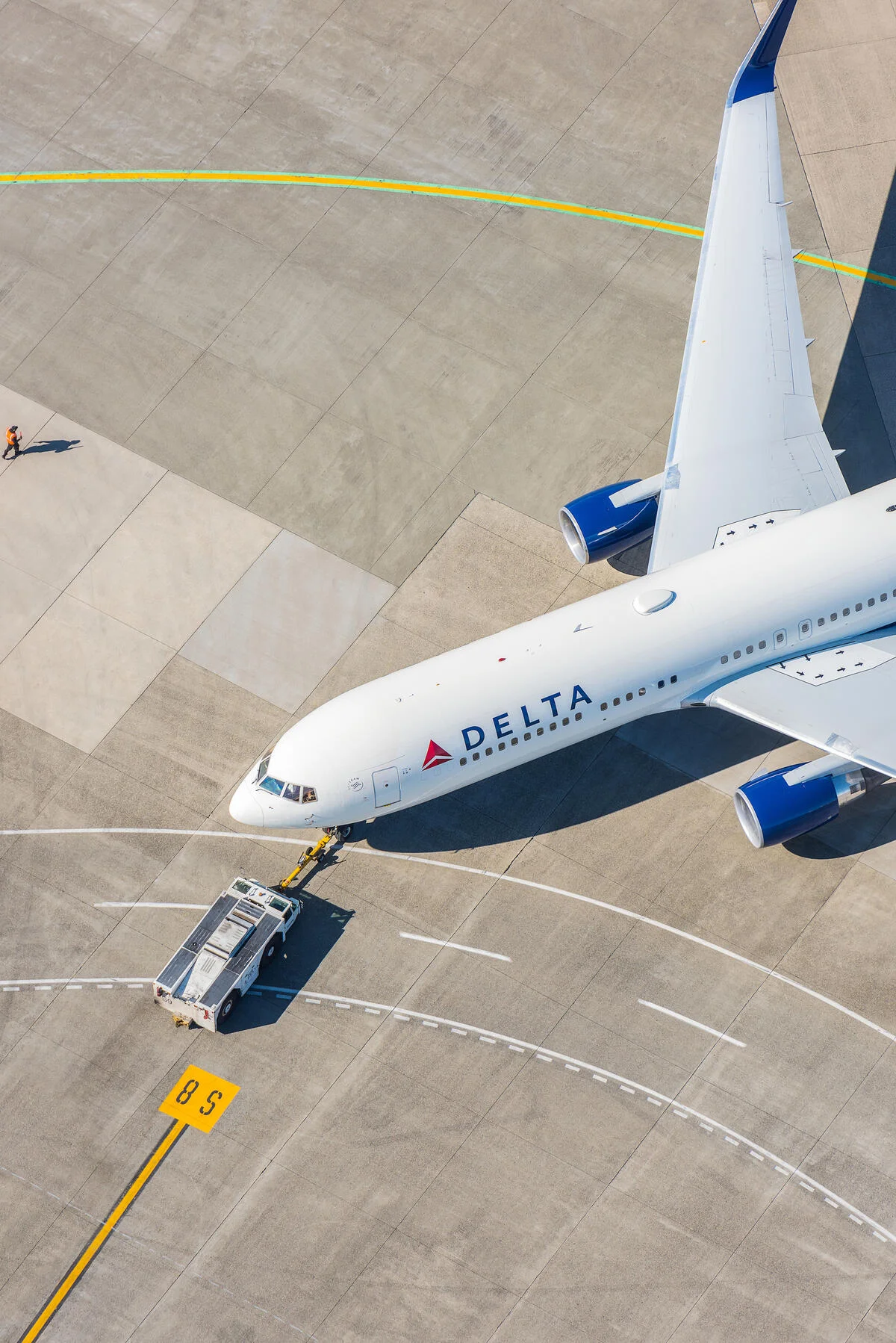
The 787-10 can seat up to 375 passengers in a standard two-class layout, though not every operator configures it that densely. United Airlines, for comparison, fits its own 787-10s with 318 seats across four cabin classes, according to seat-map data from Simple Flying.
Delta’s outgoing 767 fleet seats far fewer passengers per aircraft. The airline’s 767-300ERs seat up to 216 passengers, while its 767-400ERs carry up to 238, based on Delta’s published fleet specifications. That gap gives Delta significant room to grow both premium seating and cargo capacity once the 787-10 enters service.
- Delta’s 787-10 configuration: up to 375 seats in a two-class layout
- United’s 787-10 configuration: 318 seats across four cabin classes
- Delta 767-300ER: up to 216 seats
- Delta 767-400ER: up to 238 seats
- Cargo capacity roughly doubles when a 787-10 replaces a 767
How Delta’s Strategy Compares with Other Boeing 787-10 Orders
Delta is not the only major carrier betting on the 787-10 for fleet renewal. Qantas Airways (QF) placed a firm order for eight 787-10s alongside four 787-9s in 2023, nearly doubling its existing Dreamliner fleet at the time, according to Boeing’s own order announcement. That order reflected a similar goal to Delta’s: adding widebody capacity without expanding an airline’s route count as quickly as its seat count.
Ethiopian Airlines (ET), which was involved in the tragedy of the MCAS-related crashed of Boeing MAX jets, took a related but distinct approach in January 2026, when it ordered nine Boeing 787-9 Dreamliners rather than the larger -10 variant, alongside a separate purchase of 11 737 MAX jets. Ethiopian Airlines Group CEO Mesfin Tasew said the order was meant to “further expand” the carrier’s existing fleet with more fuel-efficient aircraft.
The comparison highlights a split in strategy among 787-10 customers. Delta and Qantas are using the -10 variant specifically to replace older widebodies on already-established long-haul routes, while other carriers, like Ethiopian, are choosing the smaller 787-9 for network growth rather than one-for-one fleet replacement. Both approaches point to the same underlying trend: airlines increasingly favour larger, more efficient jets over adding new routes with smaller aircraft.
Why Boeing’s Delivery Delays Still Shape Delta’s Timeline
Both aircraft central to Delta’s plan have faced significant delivery delays. Boeing’s MAX 10 programme has been held up for years by a certification issue tied to the engine’s anti-ice system, which risks overheating the carbon-composite inlet when active. The jet first flew in June 2021 but did not enter the final stage of FAA certification testing until early 2026.
The 787-10, by contrast, faces no comparable technical hurdle. Delta’s 2031 delivery date instead reflects backlog and production capacity at Boeing’s South Carolina assembly site, where the 787 family is built. Boeing has said it aims to raise 787 production to roughly eight aircraft per month in 2026, up from its post-pandemic recovery pace.
These delays mean Delta’s fleet transition will unfold gradually rather than all at once. The MAX 10 will begin replacing narrowbody aircraft from 2027, while the 787-10’s transatlantic role will not start until the next decade. Passengers should expect Delta’s current 717, 757, and 767 fleets to remain in service for several more years even as the airline’s broader upgauging strategy continues.