An Air Canada (AC) flight veered off the runway shortly after landing at Montréal–Trudeau International Airport (YUL) on Thursday, July 9, 2026. Flight AC774, arriving from Los Angeles International Airport, touched down normally around 4 p.m. local time before departing the paved surface and coming to a stop in the grass. Air Canada confirmed that no injuries occurred among the 156 passengers and six crew members on board.
The aircraft, a Boeing 737 MAX, exited near the taxiway after leaving the main runway. Montréal–Trudeau closed its north runway as a precaution while emergency crews confirmed the safe evacuation of everyone on board. The Transportation Safety Board of Canada (TSB) has since opened a formal investigation into the cause of the excursion.
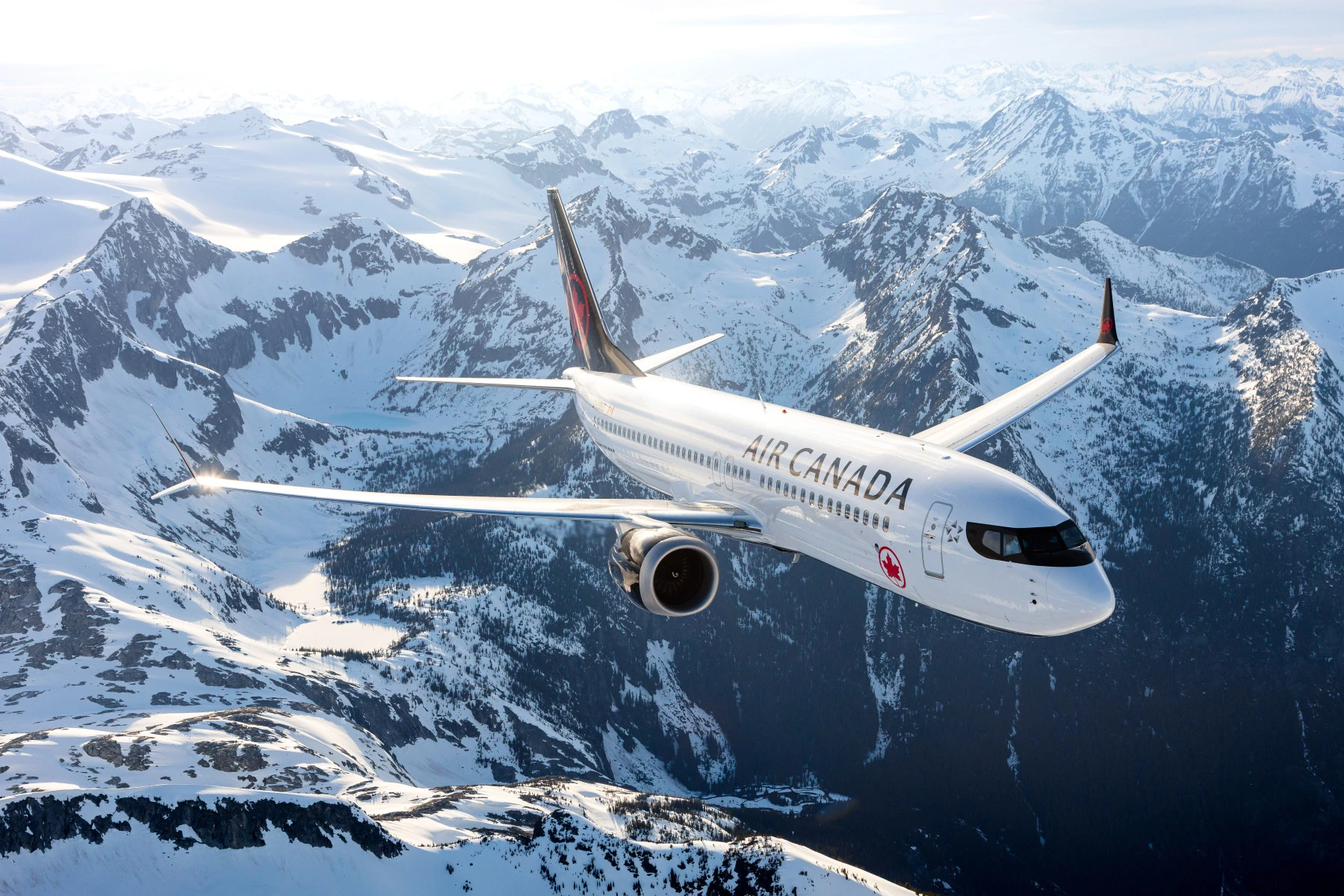
What Happened When Flight AC774 Left the Runway at Montréal–Trudeau
Air Canada said Flight AC774 landed normally before the incident occurred. In a statement to CTV News, the airline explained that the aircraft sustained a runway excursion and travelled through the grass after exiting the main runway. The plane came to rest in the grass area beside the paved surface, and it did not strike any structures or other aircraft.
Radio-Canada photographer Hugo Therrien captured the aircraft resting in the grass shortly after the incident, an image later published by CBC News. Passengers described heavy rain at the time of landing, though officials have not confirmed weather as a contributing factor. The TSB investigation will determine the exact cause once its team completes an on-site review.
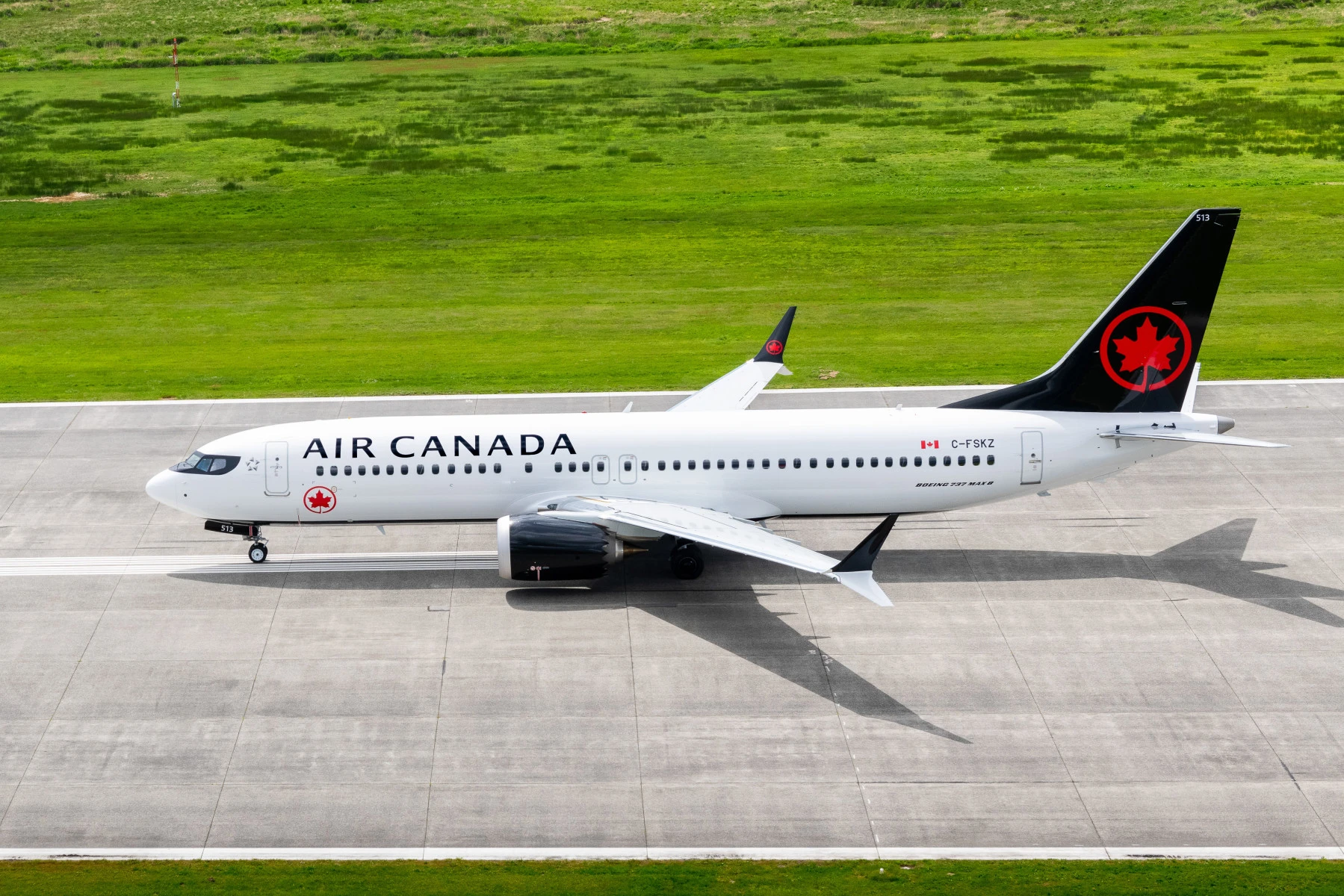
How Air Canada and Airport Officials Responded to the Incident
Air Canada moved quickly to manage the response on the ground. The airline said passengers and crew were deplaned and transported to the terminal using buses, since the aircraft could not taxi to a gate after leaving the paved surface. By 7:37 p.m., roughly three and a half hours after the landing, Air Canada confirmed on social media that everyone had reached the terminal safely.
Montréal–Trudeau officials activated the airport’s emergency coordination centre and closed the north runway, one of the airport’s two runways, for several hours. A spokesperson for the airport said the closure caused delays of around 30 minutes for domestic and international flights, while flights bound for the United States faced longer delays of 45 minutes to an hour. No flights were cancelled because of the incident, and the runway reopened just before 10 p.m.
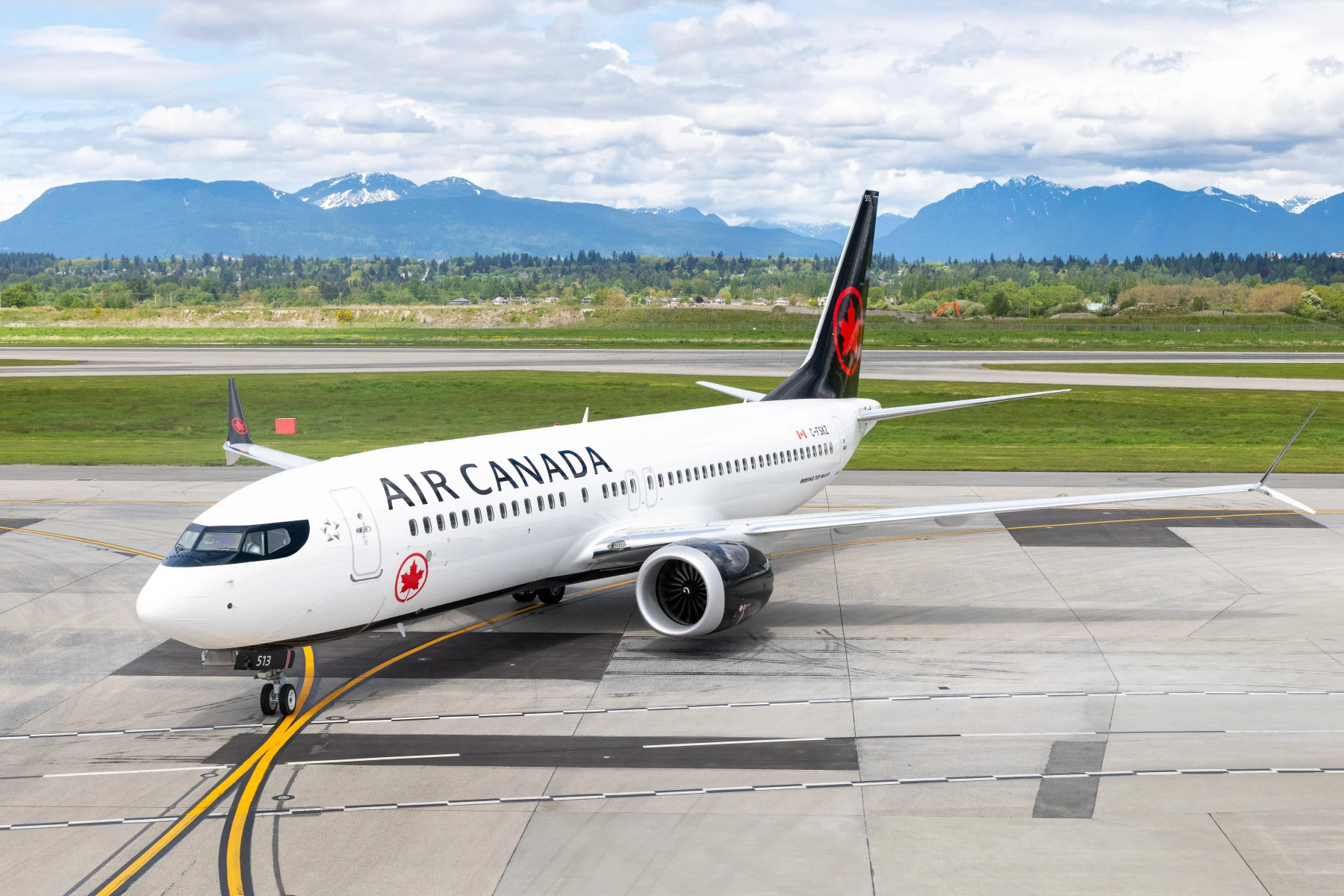
Nav Canada, the non-profit organization that manages the country’s civil air navigation system, also stepped in during the disruption. The agency confirmed it applied traffic management measures at the airport, including a temporary ground stop followed by flow restrictions, to keep arriving and departing aircraft safely spaced while the runway remained closed. Airport officials advised travelers to check their flight status before heading to Montréal–Trudeau that evening.
Montréal–Trudeau is not a minor stop for Air Canada. The airport serves as one of three hubs for the carrier and hosts the airline’s corporate headquarters complex on its Saint-Laurent side. It ranks as the third-busiest airport in Canada by passenger traffic, and it operates as the country’s busiest gateway for international travel by proportion of non-domestic passengers. A runway closure at a hub this significant tends to ripple through connecting flights well beyond the immediate delay window, which is part of why airport officials moved quickly to warn travelers.
Air Canada outlined its next steps for the damaged aircraft in its statement:
- The Boeing 737 MAX will be towed to a maintenance hangar for a full inspection.
- Air Canada is conducting its own internal investigation into the cause of the excursion.
- The airline says it will cooperate with the Transportation Safety Board of Canada throughout the review.
- Flight AC774’s passengers and crew received support from ground staff after reaching the terminal.
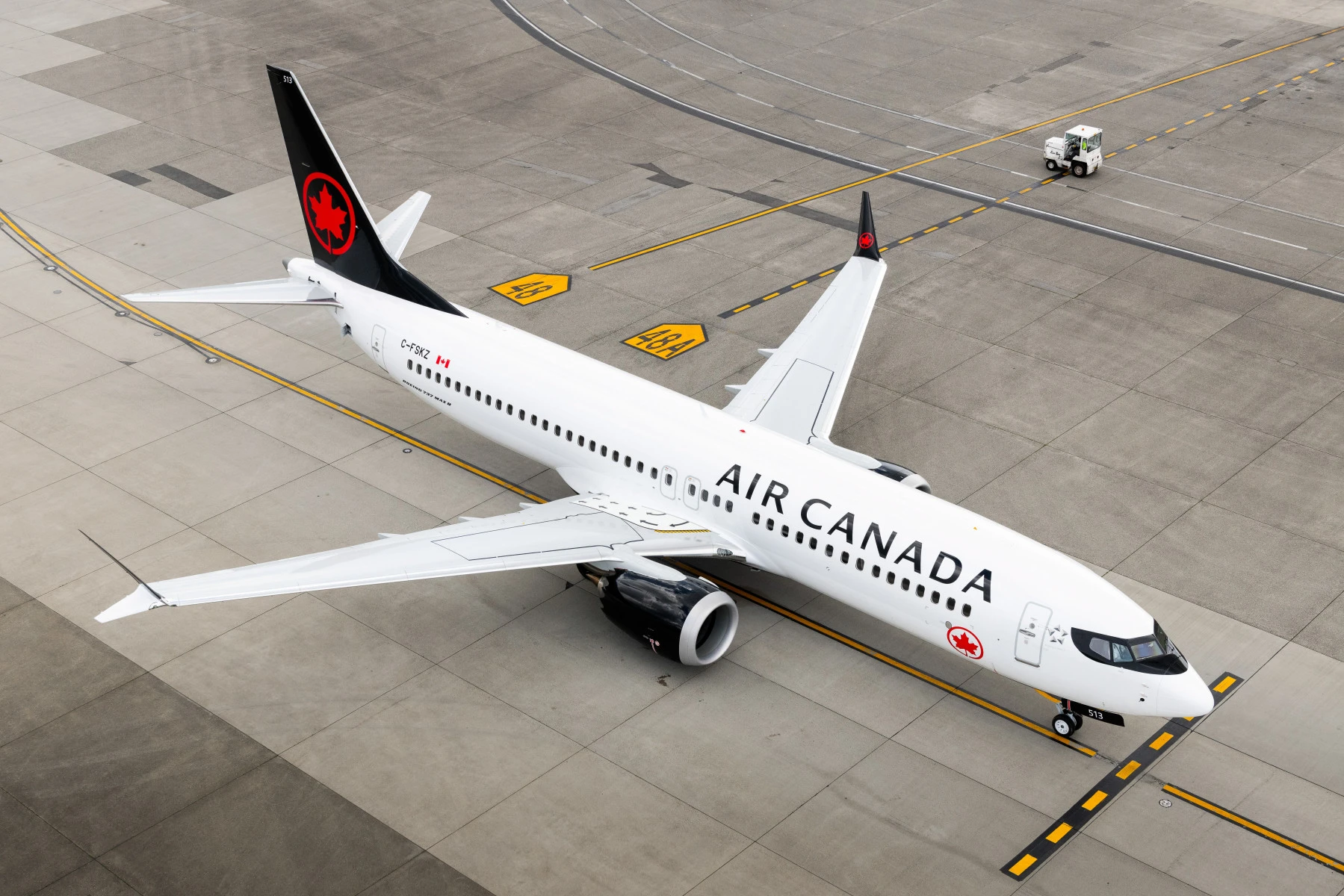
Passengers Describe Smoke and Confusion During the Landing
Passenger Edelston Peterson told CBC News that heavy rain was falling as the aircraft touched down, and she sensed something had gone wrong the moment the wheels hit the runway. She said the cabin filled with the smell of smoke almost immediately, followed by the sensation of the plane leaving the pavement and moving across the grass.
Peterson said smoke and dirt outside her window blocked her view entirely during the moments after the aircraft left the runway. She described those minutes as frightening for everyone on board, adding that passengers feared the situation could escalate further. In her words, we didn’t know if it was going to blow up.
According to Peterson, she and other passengers remained on the aircraft for close to three hours before ground crews could safely bring them off the plane and onto buses. Despite the delay, she praised the flight attendants for how they managed the situation, calling their handling of the aftermath a “class act.” Her account lines up with Air Canada’s own statement that no injuries occurred, even though the excursion left passengers shaken.
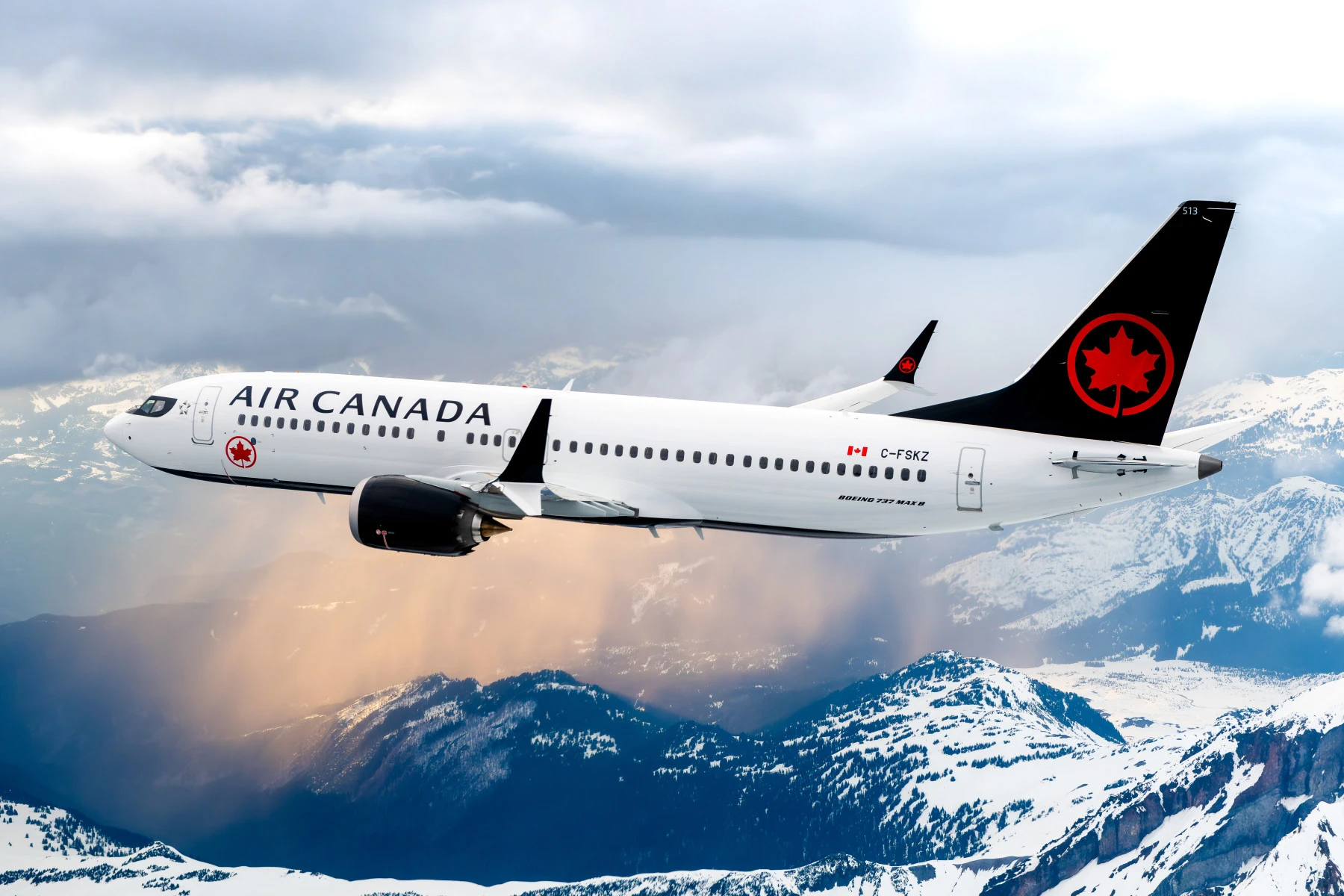
Transportation Safety Board of Canada Opens a Formal Investigation
The Transportation Safety Board of Canada confirmed it dispatched a team of investigators to Montréal–Trudeau on the evening of the incident. A spokesperson told CTV News that investigators had deployed to the scene to gather information and assess the accident. That process typically includes examining the runway surface, reviewing flight data and cockpit voice recordings, and interviewing the flight crew.
Runway excursions like this one fall under the TSB’s ongoing safety watchlist for approach-and-landing occurrences, a category the agency has flagged for years across the Canadian aviation industry. Investigators will look at factors including runway conditions, aircraft speed on landing, and any mechanical issues with the Boeing 737 MAX involved. A preliminary report typically follows weeks after an occurrence like this, with a final report sometimes taking a year or longer.
Runway excursion investigations generally follow a consistent pattern once investigators reach the scene. The TSB typically reviews several sources of evidence before drawing conclusions:
- Flight data recorder and cockpit voice recorder readouts covering the final minutes of the approach and landing.
- Physical evidence from the runway and grass area, including tire marks and any debris left by the aircraft.
- Weather observations from the time of landing, since rain and crosswinds can affect braking performance.
- Interviews with the flight crew, cabin crew, and air traffic controllers on duty during the landing.
- Maintenance records for the aircraft, to rule out mechanical issues with brakes, steering, or landing gear.
Because the aircraft is a Boeing 737 MAX, investigators may also examine whether the model’s specific systems played any role, even though Air Canada described the touchdown itself as normal. The airline’s own internal investigation will run in parallel with the TSB’s work, though only the TSB has the authority to issue an official finding on the cause.
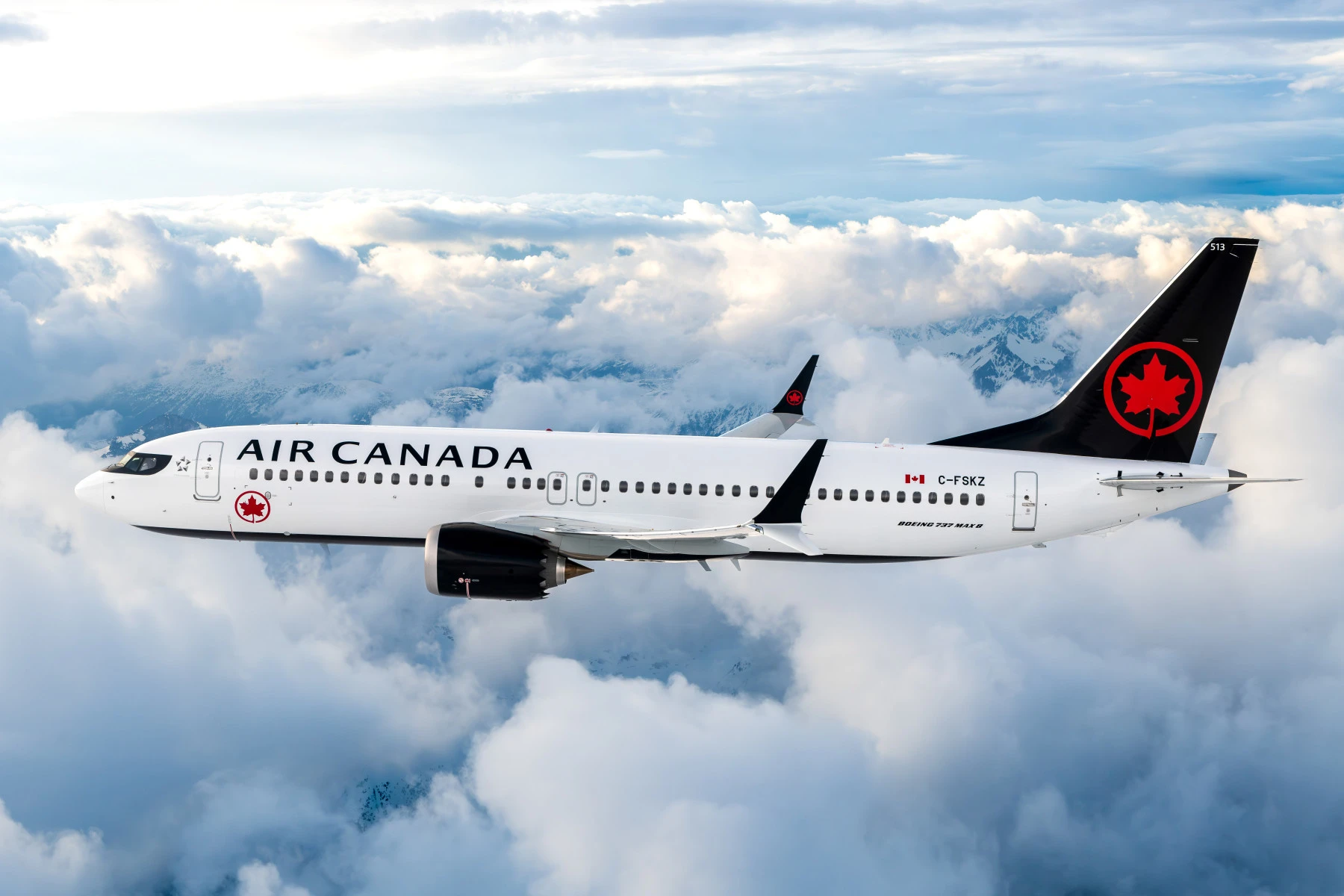
Air Canada’s Other Runway Occurrences
Thursday’s excursion is not the first time an Air Canada-branded flight has left a runway in Canada. In December 2024, an Air Canada Express flight operated by PAL Airlines skidded off the runway at Halifax Stanfield International Airport after a suspected landing gear failure. That Bombardier Q400 came to rest partly on its belly, and all 73 passengers evacuated without serious injury.
A more serious Air Canada occurrence took place in March 2015, when Air Canada Flight 624, an Airbus A320, touched down short of the runway at Halifax Stanfield during a snowstorm. The aircraft struck power lines and the ground before sliding onto the runway, injuring 25 people, two of them seriously. The TSB later found that the crew relied too heavily on automated systems during the approach, and the incident remains one of the airline’s most closely studied non-fatal accidents.
Set against that history, Thursday’s runway excursion at Montréal–Trudeau stands out for its lack of injuries and limited scope. The aircraft left the paved surface after what Air Canada described as a normal landing, rather than during a difficult approach in poor weather like the 2015 Halifax accident. CBC News has previously noted that Air Canada has otherwise maintained a strong overall safety record, with its most recent fatal accident dating back more than four decades.
Canadian runway safety made headlines again in February 2025, when a Delta Air Lines regional jet operated by Endeavor Air crashed and flipped over while landing at Toronto Pearson International Airport, injuring 21 people. Although that accident involved a different carrier, it renewed public attention on landing safety at Canadian airports generally, and it likely shapes how closely regulators and the public will follow the TSB’s review of Thursday’s Montréal incident.
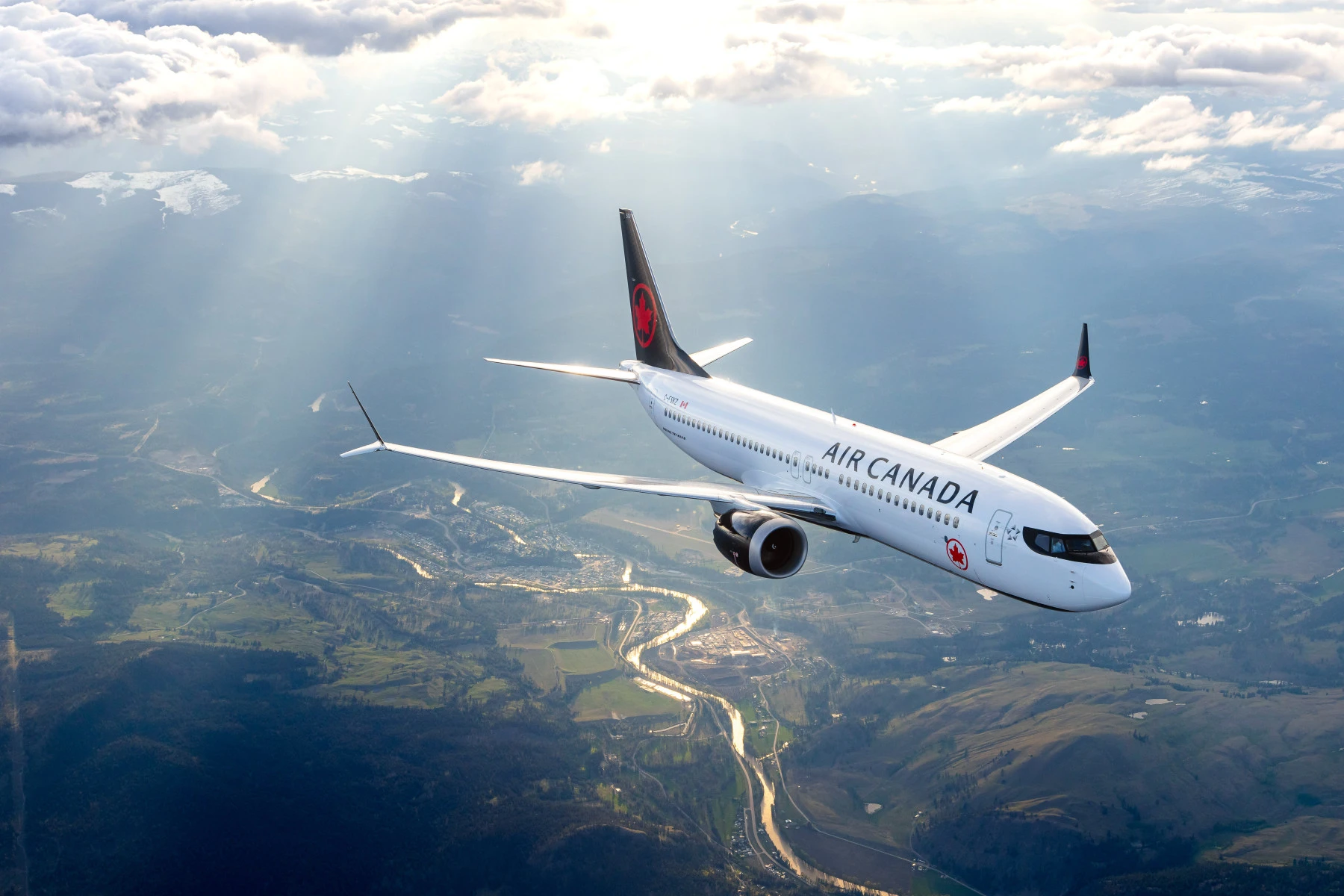
What Happens Next for Passengers and Montréal–Trudeau Operations
Montréal–Trudeau’s north runway reopened before 10 p.m. on the night of the incident, restoring normal capacity at the airport. Airport officials continued to advise travellers to check their flight status in the following hours, since delayed aircraft and crews needed time to return to their regular schedules.
Air Canada has not announced a timeline for when the affected Boeing 737 MAX will return to service, since the hangar inspection and TSB investigation must run their course first. The airline typically keeps aircraft grounded until investigators complete their on-site review of the airframe. Passengers booked on future AC774 flights between Los Angeles and Montréal should expect the route to continue operating with substitute aircraft in the meantime.
Air Canada operates a large fleet of Boeing 737 MAX aircraft across its domestic and transborder network, and the model remains one of the airline’s primary narrow-body workhorses alongside its growing Airbus A220 and A320-family fleet. A single aircraft going out of service for inspection rarely affects an airline’s wider schedule in a meaningful way, since carriers the size of Air Canada maintain spare capacity for exactly this kind of situation. Still, the specific tail number involved in Thursday’s excursion will remain grounded until the TSB and Air Canada’s engineers finish assessing the airframe for structural or landing gear damage.
Travellers connecting through Montréal in the days after the incident should expect normal operations, since the runway reopened well before the Friday morning rush. Airlines operating out of YUL, including Air Canada, Air Transat, and Porter Airlines, typically absorb single-runway closures of a few hours without major schedule disruption once the affected runway returns to service. The bigger story for passengers going forward will be the TSB’s eventual findings, which could prompt operational changes if investigators identify a systemic cause rather than an isolated event.