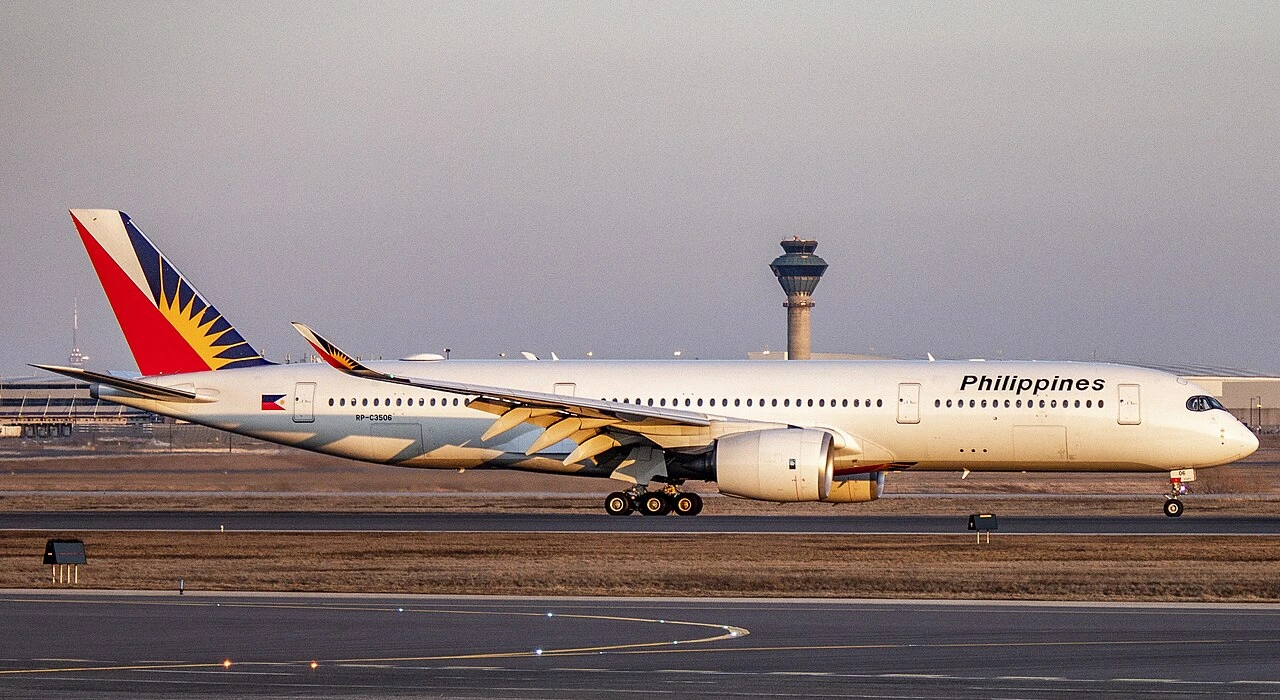
Philippine Airlines (PR) is preparing to split a 20-jet widebody order between Boeing and Airbus. According to Bloomberg, people familiar with the discussions say PAL will buy ten Boeing 787 Dreamliners and ten Airbus A350s. The carrier is expected to formalize the deal at the Farnborough International Airshow in the United Kingdom, which opens on July 20, 2026.
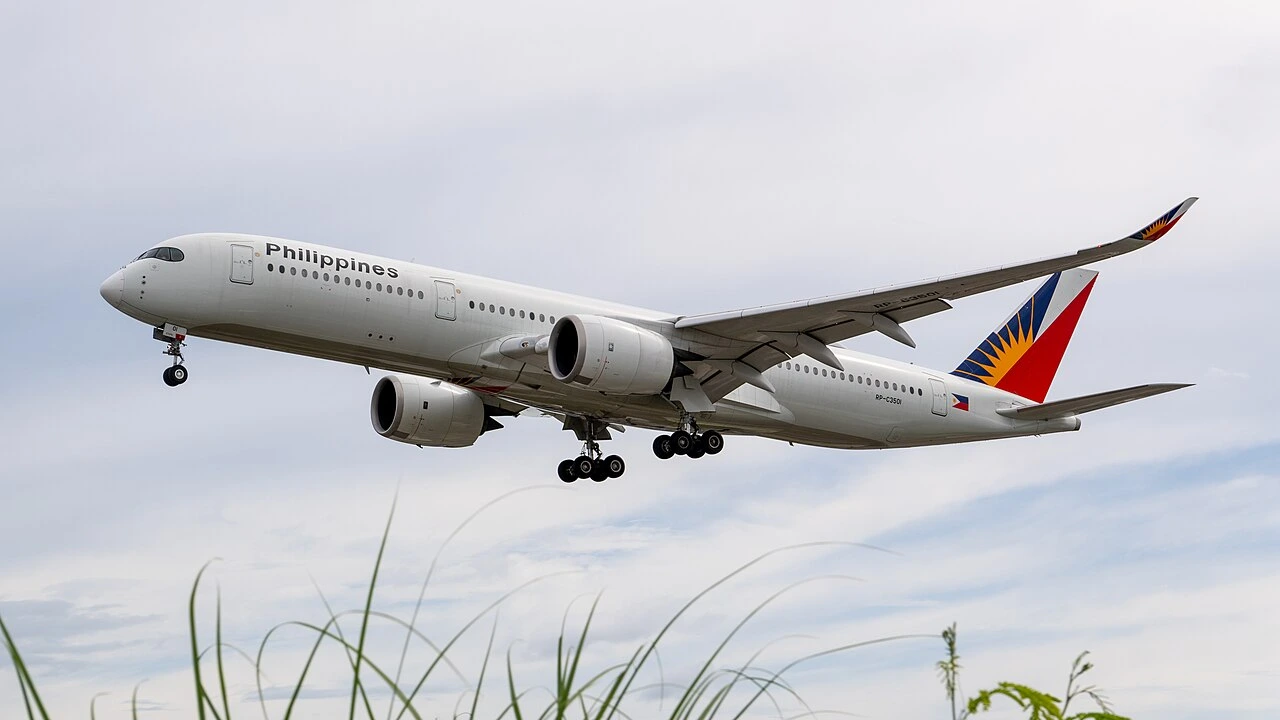
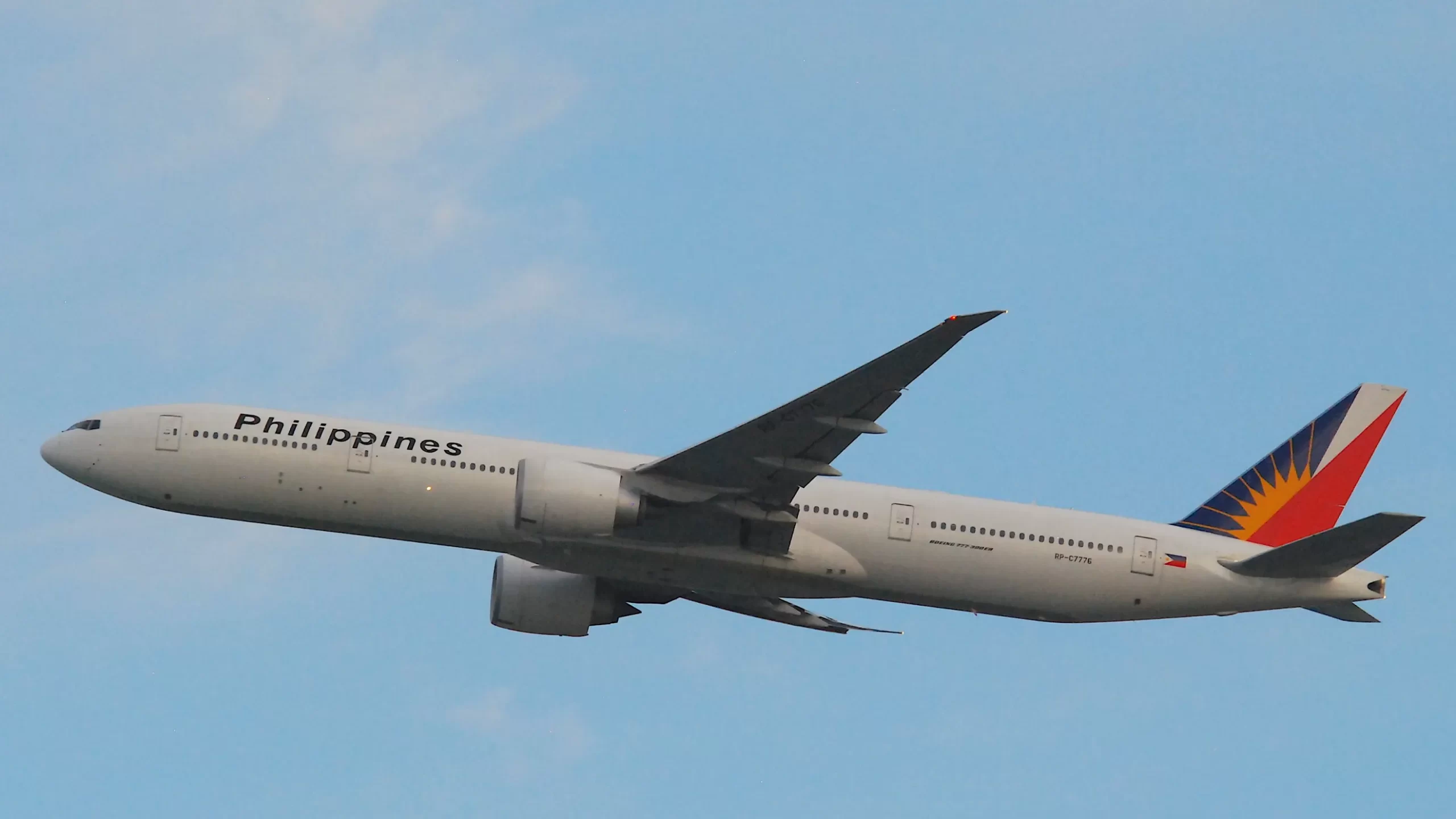
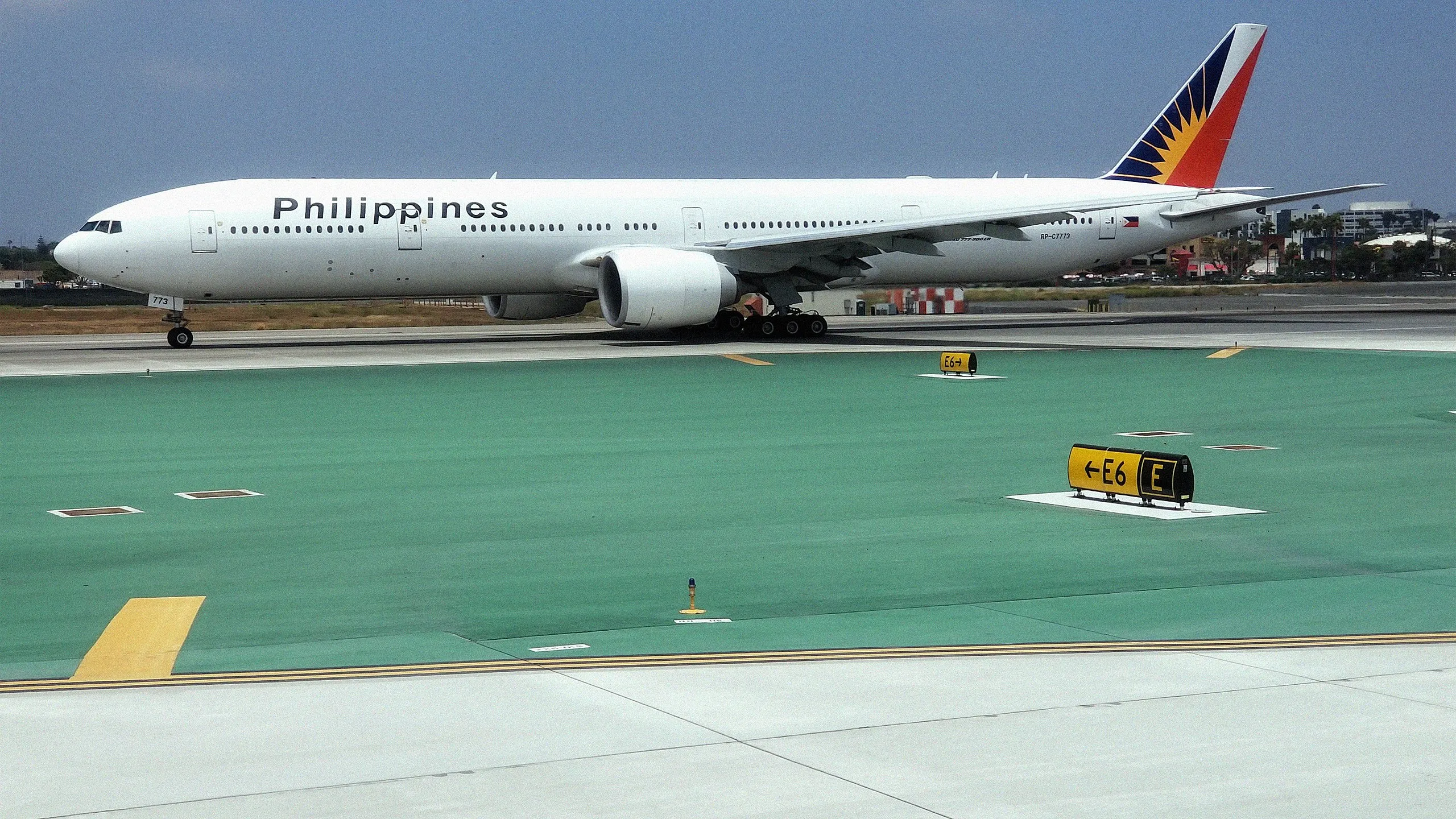
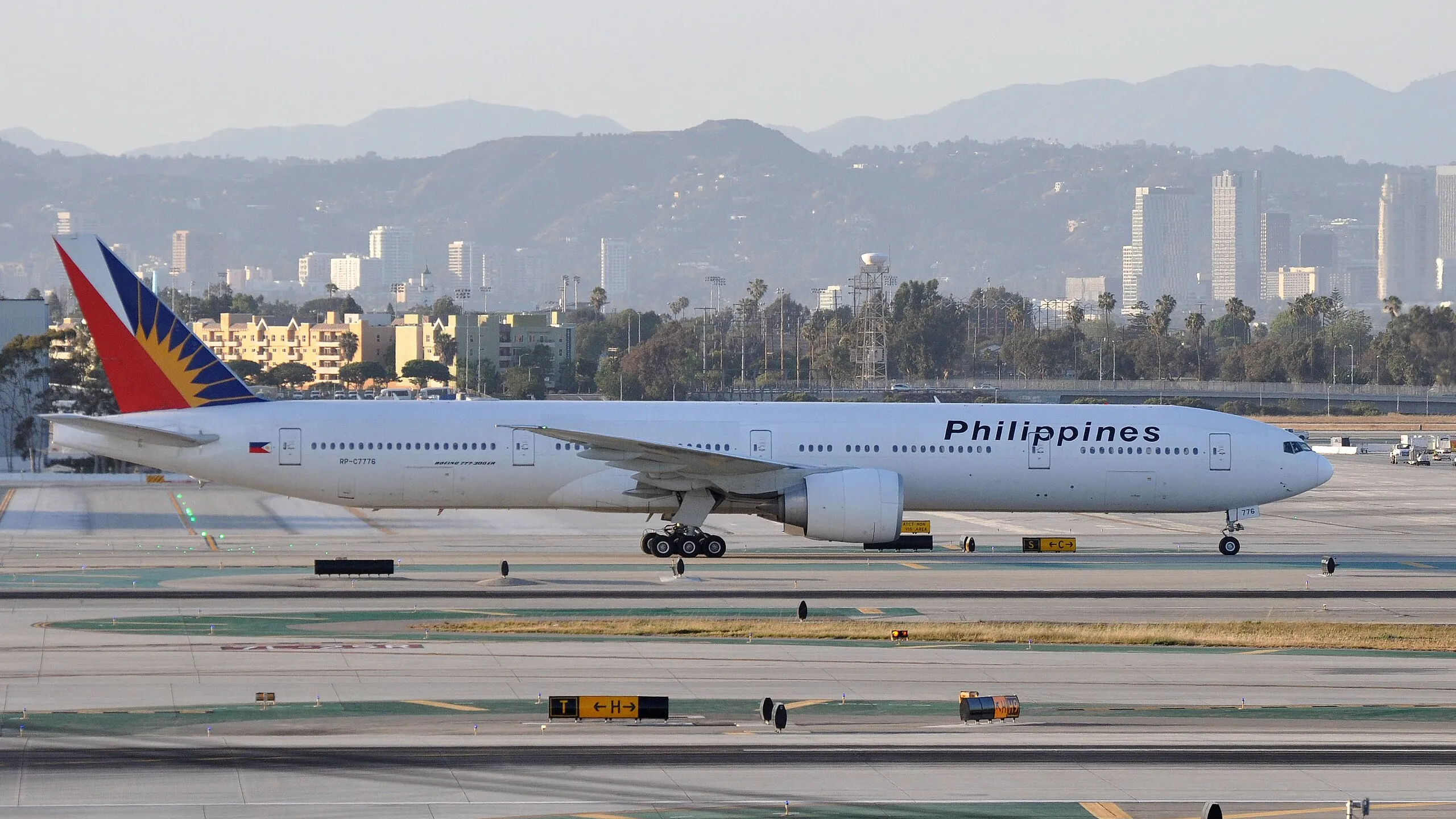
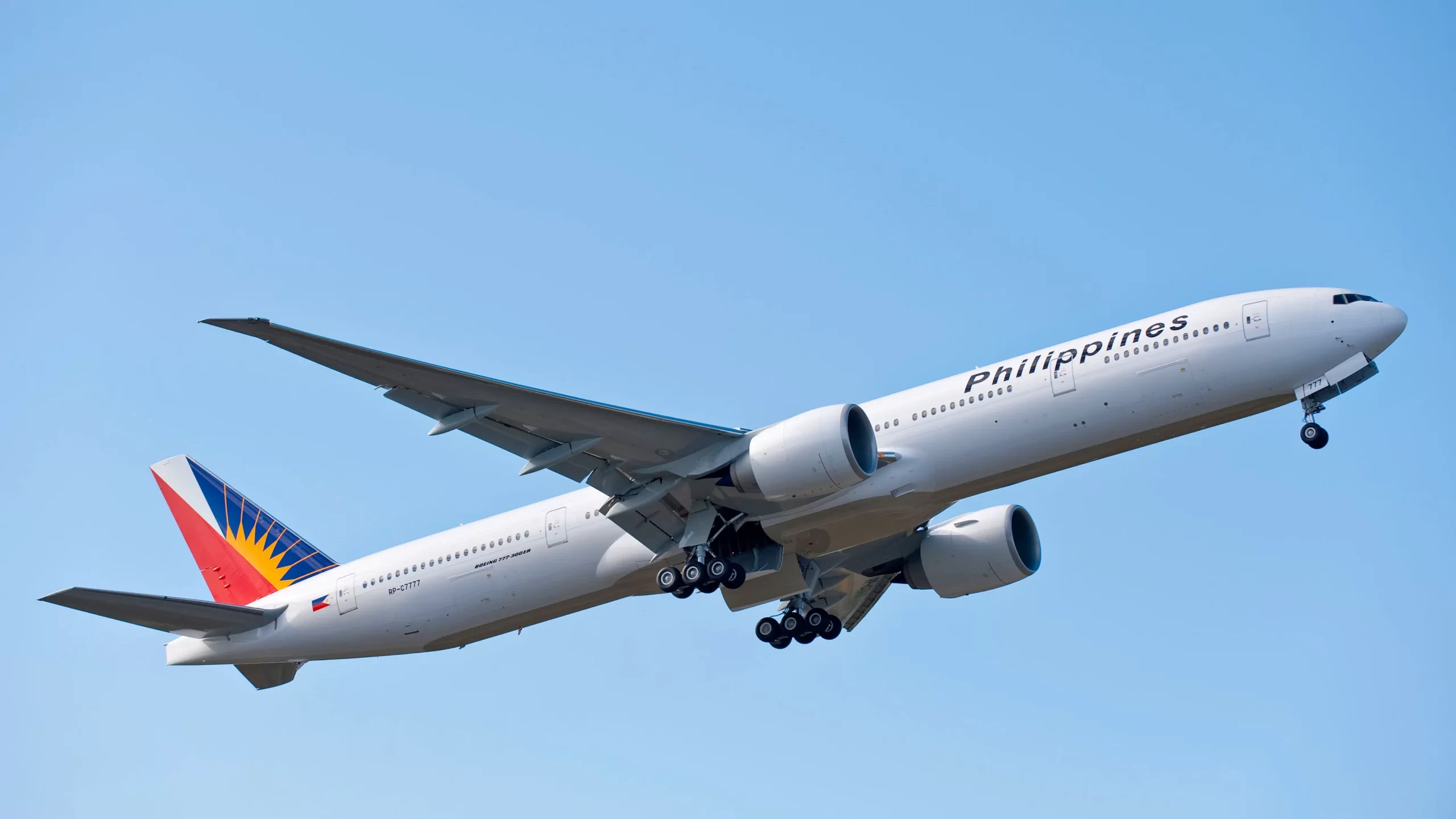
The order will replace Philippine Airlines’ oldest widebody jets, the Airbus A330-300 and the Boeing 777-300ER. It also marks the carrier’s first direct purchase from Boeing since March 2007, when it finalized a deal for two 777-300ERs. Boeing, Airbus, and PAL representatives have all declined to comment on the pending order.
PAL Splits Its 20-Jet Widebody Order Between Boeing 787 and Airbus A350
Philippine Airlines began studying a widebody order of up to 20 aircraft in early June, weighing the Boeing 787 Dreamliner against the Airbus A330neo and A350 families. By early July, sources told Bloomberg that the carrier had settled on a split order. The final mix is now expected to include ten 787s and ten A350s, though the details are still being finalized and the ratio could still change before signing.
The decision to divide the order rather than pick a single manufacturer is notable. Philippine Airlines has ordered widebody aircraft exclusively from Airbus since 2007, giving Boeing no direct commercial jet sales to the carrier for 19 years. A split order lets PAL diversify its supplier base while still meeting its near-term delivery needs from two active production lines.
Why Philippine Airlines Is Retiring Its Ageing A330s and 777-300ERs
Philippine Airlines currently operates Airbus A330-300s, Boeing 777-300ERs and some other aircraft types:
| Aircraft Type | In Service | Parked | Current Total | Avg. Age |
|---|---|---|---|---|
| Airbus A320 | 17 | 2 | 19 | 15.9 Years |
| Airbus A321 | 26 | 4 | 30 | 10.5 Years |
| Airbus A330 | 8 | 3 | 11 | 12.3 Years |
| Airbus A350 XWB | 4 | – | 4 | 4.0 Years |
| Boeing 777 | 9 | 1 | 10 | 12.4 Years |
| De Havilland Canada DHC-8 Dash 8 | 7 | 4 | 11 | 8.1 Years |
| Total | 71 | 14 | 85 | 11.5 Years |
The airline has also flagged the Boeing 777X as unsuitable for its needs. Sources told ch-aviation that PAL will not consider the 777X because the aircraft is too large for operations at Ninoy Aquino International Airport (MNL), Manila, PAL’s primary hub. That constraint effectively narrowed Boeing’s pitch to the mid-size 787, while Airbus offered both the A330neo and A350 before the carrier settled on the latter.
PAL’s Return to Boeing Ends Nearly Two Decades of Airbus Loyalty
Boeing aircraft currently make up less than 10% of the Philippines’ commercial widebody fleet, and PAL’s only Boeing jets are its ten 777-300ERs. A confirmed 787 order would restore Boeing’s direct-purchase relationship with one of Southeast Asia’s oldest carriers. Airbus, by contrast, has supplied PAL’s widebody fleet for more than four decades, dating back to the airline’s first A300s.
Industry analysts see the split as a hedge against production delays at both manufacturers. Boeing has told investors it plans to raise 787 output through 2026, while its order backlog for the type stood at 5,911 aircraft as of late 2025. Airbus, meanwhile, is working through its own backlog for the A350, a jet that has become the preferred choice for several Asian long-haul carriers replacing older twin-aisle fleets.
Wider Trade Context Behind the Boeing Return
The order comes roughly a year after the Philippines and the United States concluded a tariff agreement that set duties on Philippine exports to the US at 19%, while opening the Philippine market to American goods. Aerohaber’s coverage frames PAL’s Boeing order as arriving amid a period of trade tension between the two countries. Commercial aircraft purchases are not directly tied to tariff negotiations, and PAL has not linked the two publicly, but the timing places the deal against a backdrop of active US-Philippines trade diplomacy.
President Ferdinand Marcos Jr. has described the tariff outcome as a meaningful, if modest, concession from Washington. The US remains one of the Philippines’ largest trading partners, with bilateral trade exceeding $20 billion in 2024.
How the Order Fits Philippine Airlines’ Broader Growth Push
The widebody order lands during one of the busiest stretches in PAL’s recent history. In June 2026, the carrier signed a memorandum of understanding to join the oneworld alliance, becoming its 16th member and only the second Southeast Asian carrier in the group after Malaysia Airlines. American Airlines chief executive Robert Isom, who chairs the oneworld governing board, said the move would “strengthen our connectivity across key markets in the Asia Pacific region.”
PAL Holdings president Lucio C. Tan III called the alliance decision “a defining and transformative moment for Philippine Airlines” in a statement announcing the deal. Membership is expected to be finalized sometime in 2027. The oneworld entry gives PAL’s Mabuhay Miles members reciprocal earning and redemption rights across more than a dozen partner airlines once integration completes.
What Comes Next for Philippine Airlines’ Fleet Plans
If confirmed at Farnborough, the order would be one of the largest widebody commitments by a Southeast Asian carrier in 2026. Airlines frequently use the biennial UK airshow to finalize deals that have been under negotiation for months, giving both manufacturers a high-profile venue for the announcement. Until PAL, Boeing, or Airbus issue an official statement, the exact aircraft mix, engine selection, and delivery schedule remain unconfirmed.


_landing_at_Davao_International_Airport.jpg)
.jpg)
.jpg)
,_RP-C7776_-_LAX_(22163052153).jpg)