Licensed aircraft maintenance engineer Fahad Naim has revealed that the small buttons controlling Boeing 787 Dreamliner window shades are among the manufacturer’s best-selling spare parts. He explained the reason in a post on X on June 30, 2026. Passengers repeatedly press the button because they assume it is broken.
The button sits below each window and controls an electrochromic gel that darkens the glass in place of a traditional pull-down shade. Naim said the dimming process is so slow that travelers give up waiting and press again, wearing out the switch faster than expected. Airlines then pay to replace it, turning a minor cabin fitting into a recurring revenue stream for Boeing.
Passengers Press the Button Because It Feels Broken
Naim, who maintains 787 aircraft, which has one of the best flex during turbulence, said mechanics often replace the electrical dimmable window push buttons on the 787 because so many passengers keep pressing them. He explained the buttons control electrochromic windows that tint the glass when pressed, but the change happens slowly.
“We often replace these electrical dimmable window push buttons on B787,” Naim wrote in his post. He added that many passengers press the button repeatedly because they believe it is not working, which wears the switch out faster than its designed lifespan.
Why The Windows Take Up To 100 Seconds to Fully Darken
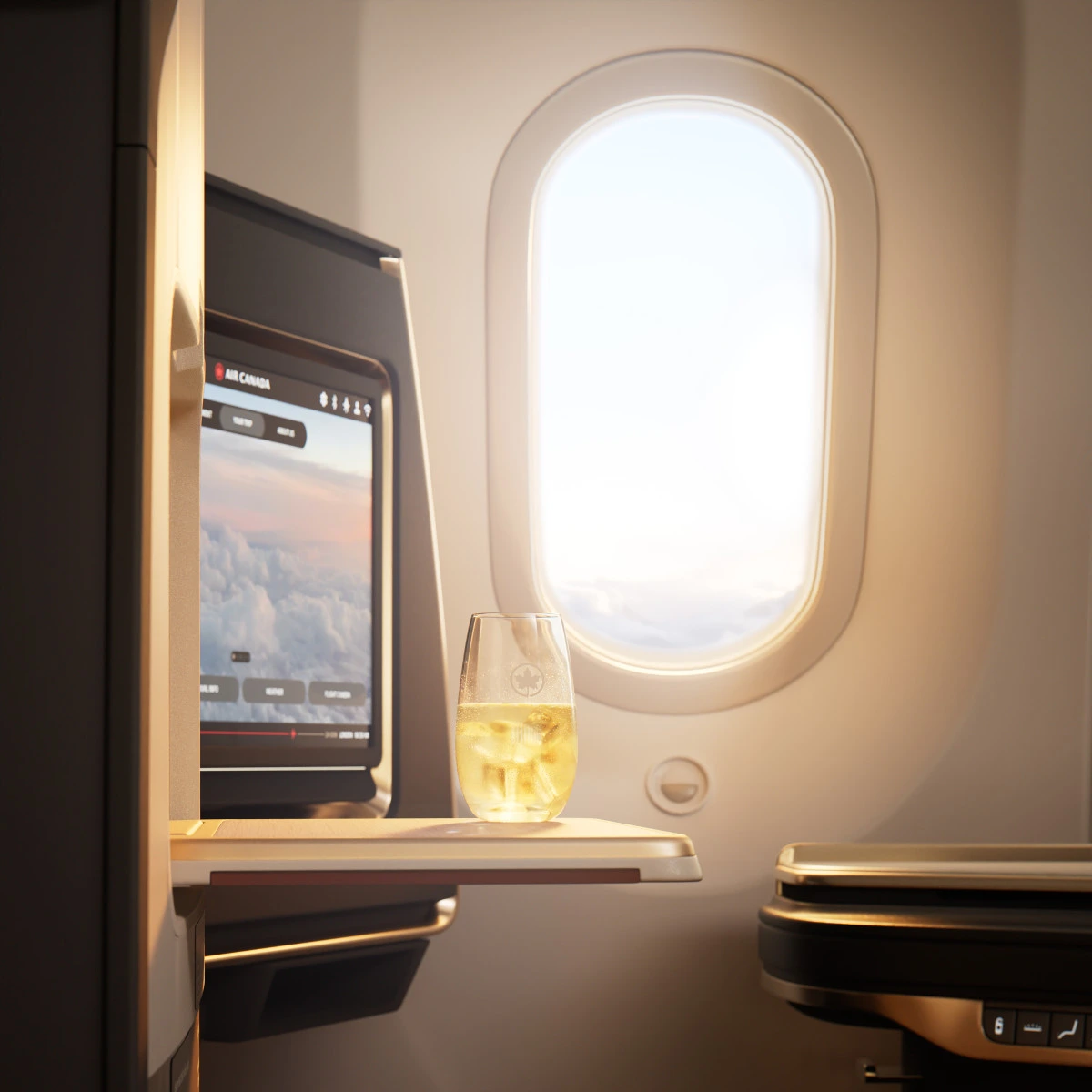
The Boeing 787 Dreamliner offers five preset darkness levels, ranging from Level 1, which is fully transparent, to Level 5, the darkest setting. A small blue LED beneath each window shows which level is selected, though few passengers appear to notice it.
Moving from Level 1 to Level 5 typically takes up to 60 seconds, and as long as 100 seconds on older aircraft, according to Naim. Reversing the process, from fully dark back to fully clear, takes even longer, at between two and three minutes. That lag is long enough for many passengers to assume the button has failed.
How The Electrochromic Glass Actually Works
The 787’s windows do not use a single sheet of glass. A gel-based electrochromic layer, supplied by Gentex, sits between two panes and reacts to an electrical current. Key features of the system include:
- A gel layer that darkens as voltage passing through it increases
- Five selectable darkness levels, controlled by the passenger-side button
- A blue LED indicator showing the currently selected level
- A separate crew master control that can override any individual window
- Windows around 30 percent larger than those on comparable widebody jets
Cabin crew can lock a window at a chosen shade level from a central panel. Some carriers use this feature to darken the entire cabin during long overnight flights, which removes passenger control entirely.
A Reliable Revenue Stream Built into Every Dreamliner
More than 1,100 Boeing 787 aircraft have been delivered since the type entered service, and Boeing fitted electrochromic windows across the entire programme. Every one of those aircraft carries the same button-based design.
On a single long-haul flight, a window can be dimmed and brightened dozens of times as passengers adjust it during boarding, meals, and descent. Multiplied across every seat and every flight, the mechanical switches accumulate wear far faster than components on aircraft with manual shades. Boeing has little commercial incentive to redesign a part that airlines must keep buying.
Why Airbus Chose a Different Approach
Rival planemaker Airbus initially rejected electronically dimmable windows when developing the A350 widebody. The manufacturer only reconsidered after Gentex refined the underlying technology, improving the dimming effect to block out 99.99 percent of visible light, roughly 100 times more effective than the original 787 system.
Airbus offers dimmable windows on the A350 only as an optional, more expensive extra. Traditional pull-down shades remain the standard fitting, and most A350 operators still choose them. Some carriers, including Emirates, have installed electronic physical shades that lower at the touch of a button, combining automation with a mechanical backup that the 787 lacks.
The launch customer for the 787, All Nippon Airways, raised concerns about window darkness soon after the aircraft entered service. An ANA representative said at the time that “for our passengers to have good sleep, we realized that it is important” to offer suitable darkness during long flights. That early complaint foreshadowed many of the criticisms still directed at the system today.
What Could Change on Future Boeing Widebodies
Boeing will not offer the newer, faster-dimming version of Gentex’s technology until the 777X enters service. That aircraft remains in a delayed certification programme, meaning the improved windows will not reach passengers on current Dreamliner deliveries.
Until then, the pattern described by Naim is likely to continue. Passengers will keep pressing a slow-reacting button, mechanics will keep swapping out worn switches, and Boeing will keep collecting revenue from a part with an unusually short service life for its size.