Thai Airways chief executive Chai Eamsiri revealed the timeline in an interview with Luchtvaartnieuws, a sister publication of FlightGlobal, on the sidelines of an event in Amsterdam marking new flights from Bangkok. He said the airline is assessing the Airbus A350-1000 (which is an aircraft type that is deployed on the longest non-stop routes in the world) and the Boeing 777X programme to replace its long-haul fleet. The decision matters because it will shape how soon Thai Airways can restart intercontinental routes it dropped a decade ago.
Chai made the comments as Thai Airways continues a broader post-restructuring recovery. The airline already holds options tied to its 2024 order for 45 Boeing 787s, giving it a built-in route to the 777X. Any final choice will also depend on how quickly Boeing resolves the 777X’s certification delays and how Airbus prices the larger A350 variant.
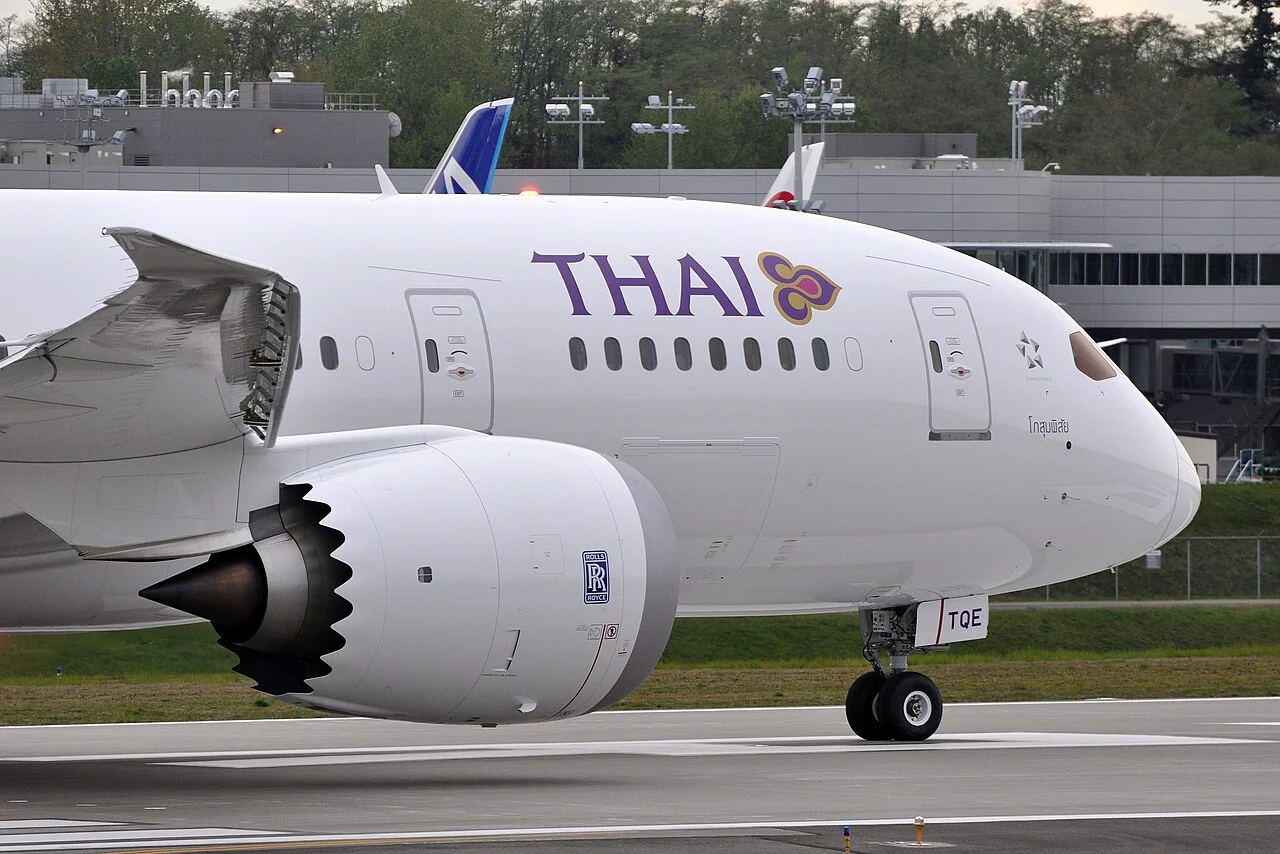
Chai Eamsiri Weighs the A350-1000 And 777X For Bangkok’s Future
Thai Airways currently flies the smaller Airbus A350-900 on its long-haul network. Chai told Luchtvaartnieuws that a decision on the aircraft to replace it will come within one to two years. He said the new widebodies would let the airline restart flights between Bangkok and North America, a market Thai last served in 2015.
The airline is also looking at up-gauging its Singapore services to widebody aircraft “at some point,” according to Chai. This points to a broader fleet rethink beyond just long-haul replacement. Thai’s home base, Suvarnabhumi Airport (BKK), Bangkok, sits at the centre of that strategy as the carrier tries to rebuild its position as a regional connecting hub.
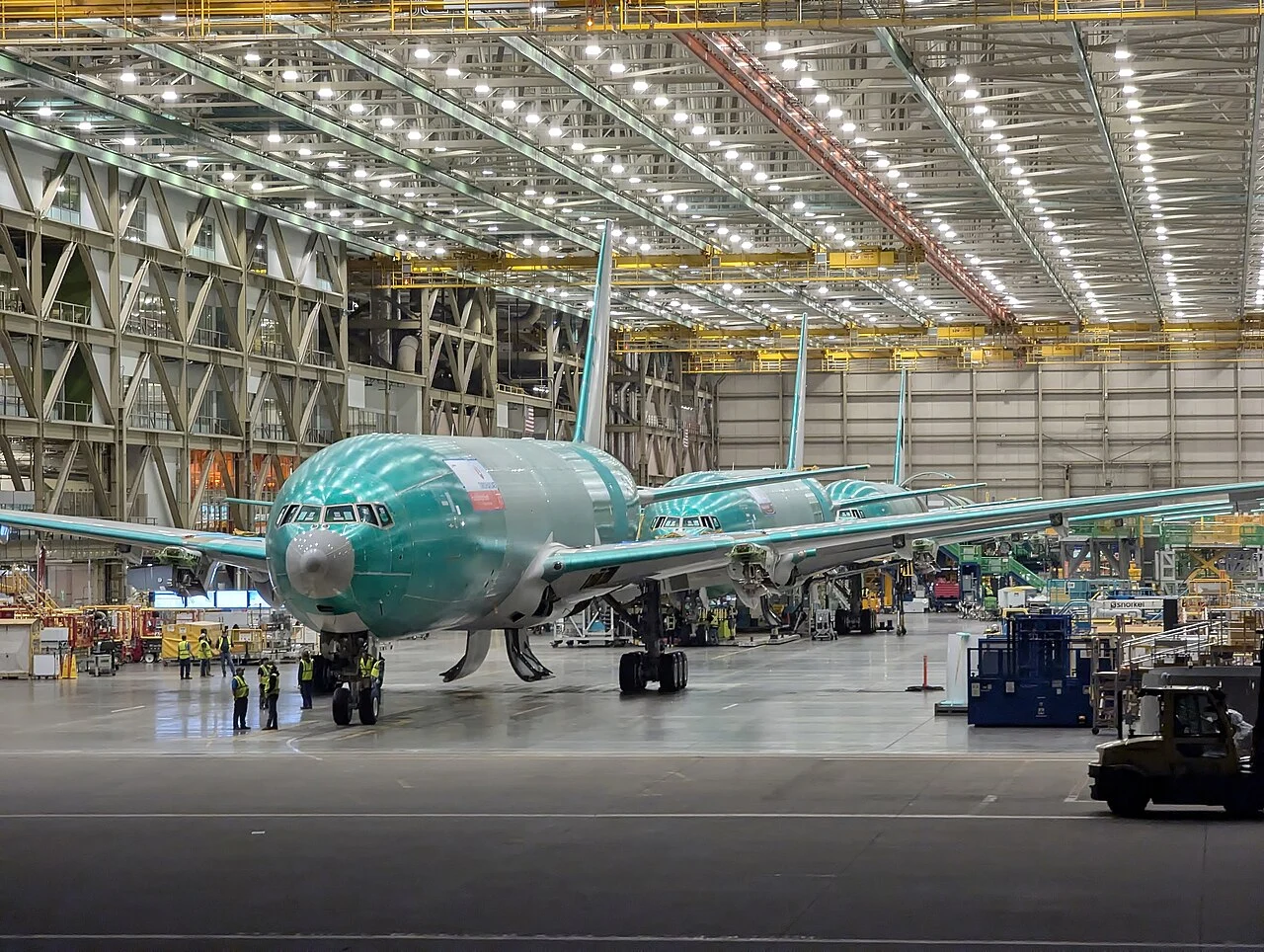
Boeing 787 Order Already Sets a Path to the 777X
Thai Airways placed a firm order for 45 Boeing 787-9 Dreamliners at the Singapore Airshow in February 2024. Boeing confirmed the deal included options for 35 more aircraft, with the flexibility to switch those commitments to the Boeing 777X. The airline’s then-CEO statement, carried in the manufacturer’s release, said the order would help the carrier meet its carbon-neutral goals by 2050 through GEnx-powered Dreamliners.
That flexibility is now central to Chai’s timeline. Because the 787 order already contains a built-in 777X option, Thai does not need to start a fresh sourcing contest from scratch. It can convert existing paperwork rather than negotiate a brand-new contract, which shortens the practical runway for a decision.
The airline’s near-term widebody activity has moved faster than the long-haul replacement question. Thai Airways took delivery of its first factory-new Boeing 787-9, powered by GE Aerospace engines and handed over by lessor AerCap, in late June 2026. That aircraft opened deliveries under the 2024 order and is separate from the eventual A350-1000 versus 777X choice for the carrier’s oldest long-haul jets.
Airbus A350-1000 Ruled Out in Ultra-Long-Range Form Over Seat Costs
Chai has ruled out the ultra-long-range version of the A350-1000, the variant Airbus built for Qantas Airways’ (QF) Project Sunrise. He said the “cost per seat…is too high” for Thai Airways to operate that model. This rules out one high-profile version of the aircraft, though the standard A350-1000 remains under consideration.
The ultra-long-range aircraft is designed for missions far longer than anything on Thai’s current network. Qantas ordered 12 of the type to fly nonstop between Sydney and both London and New York, journeys of close to 10,000 nautical miles that can last up to 22 hours. Airbus achieves that range by fitting an extra rear centre fuel tank that adds about 20,000 litres of capacity, according to the manufacturer.

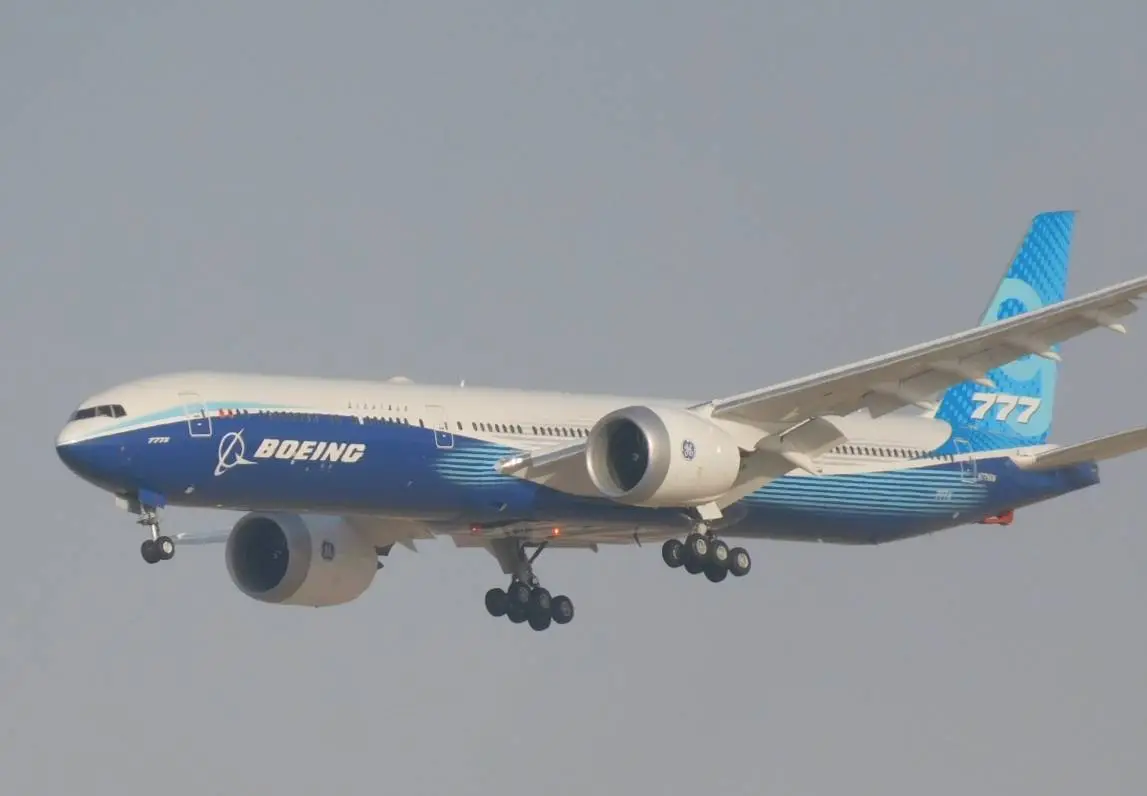
Boeing 777X Certification Delays Cloud the Timeline for Rivals
The Boeing 777X remains under FAA review, and that could affect how soon Thai Airways can act on any 777X decision. Boeing has pushed first deliveries to 2027, seven years behind the original 2020 target. The programme has also absorbed a US$4.9 billion pre-tax charge tied to the latest slip.
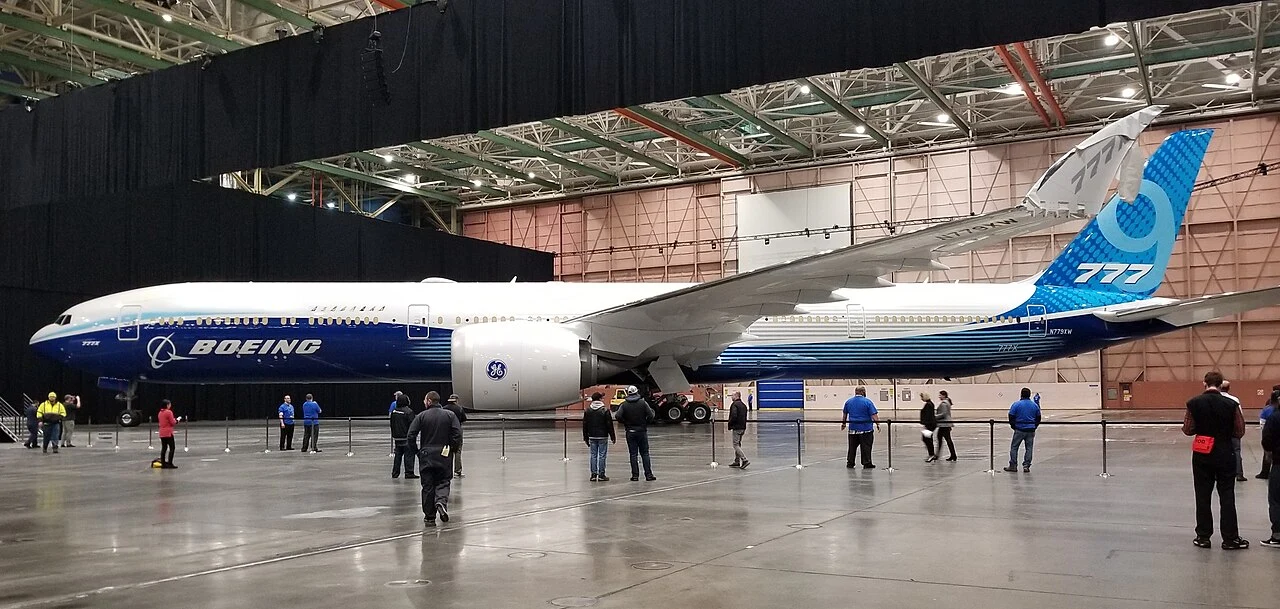
FAA Administrator Bryan Bedford has said 777X certification will likely follow the agency’s work on the 737 MAX 7 and MAX 10, pushing final sign-off into 2027. Boeing chief executive Kelly Ortberg told investors the company expects to finish most flight testing by the end of 2026, with ETOPS testing running into the following year. That timeline affects every airline weighing the 777X, not just Thai.
Fleet Renewal Follows Thai Airways’ Return to Profit
The widebody decision comes as Thai Airways completes one of the aviation industry’s steadier turnarounds. Thailand’s Central Bankruptcy Court ended the airline’s business rehabilitation process on 16 June 2025, more than four years after it entered court protection. Thai relisted on the Stock Exchange of Thailand on 4 August 2025, and its shares reportedly more than tripled within two trading days of resuming trade.
The airline’s finances back up that confidence. Shareholders’ equity moved from a negative 43.1 billion baht at the end of 2020 to a positive 55.4 billion baht by the end of March 2025. Thai has also cut its interest-bearing debt-to-equity ratio from 12.5 times in 2019 to 2.2 times, while agreeing to a repayment schedule that runs through 2036.
Fleet renewal has continued alongside the financial recovery. Thai Airways took its first Airbus A321neo, registered HS-TOA, at Suvarnabhumi Airport in late December 2025, part of a plan to add up to 32 of the type. Chai Eamsiri said at the time that “the arrival of THAI’s first Airbus A321neo marks a significant milestone in our efforts to modernize and enhance the efficiency of our fleet.” That narrowbody push runs in parallel with, but separate from, the widebody question now facing the airline.
.jpg)


_(cropped).jpg)