IndiGo (6E) has launched a new fare category called IndiGo Lite for economy class passengers who travel with only cabin baggage. The airline announced the fare on Wednesday, July 1, 2026, opening it for bookings the same day on its own website, mobile app, and contact centre, for travel starting July 15, 2026, according to a Business Standard report confirming the airline’s announcement.
IndiGo Lite gives passengers a lower base fare in exchange for giving up checked baggage, priority boarding, seat selection, and other bundled extras, which can instead be purchased separately. The move makes IndiGo, which is the largest airline in India, the first Indian carrier to introduce fully unbundled basic economy fares across both its domestic and international network.
What Is Included and Excluded in The Indigo Lite Fare
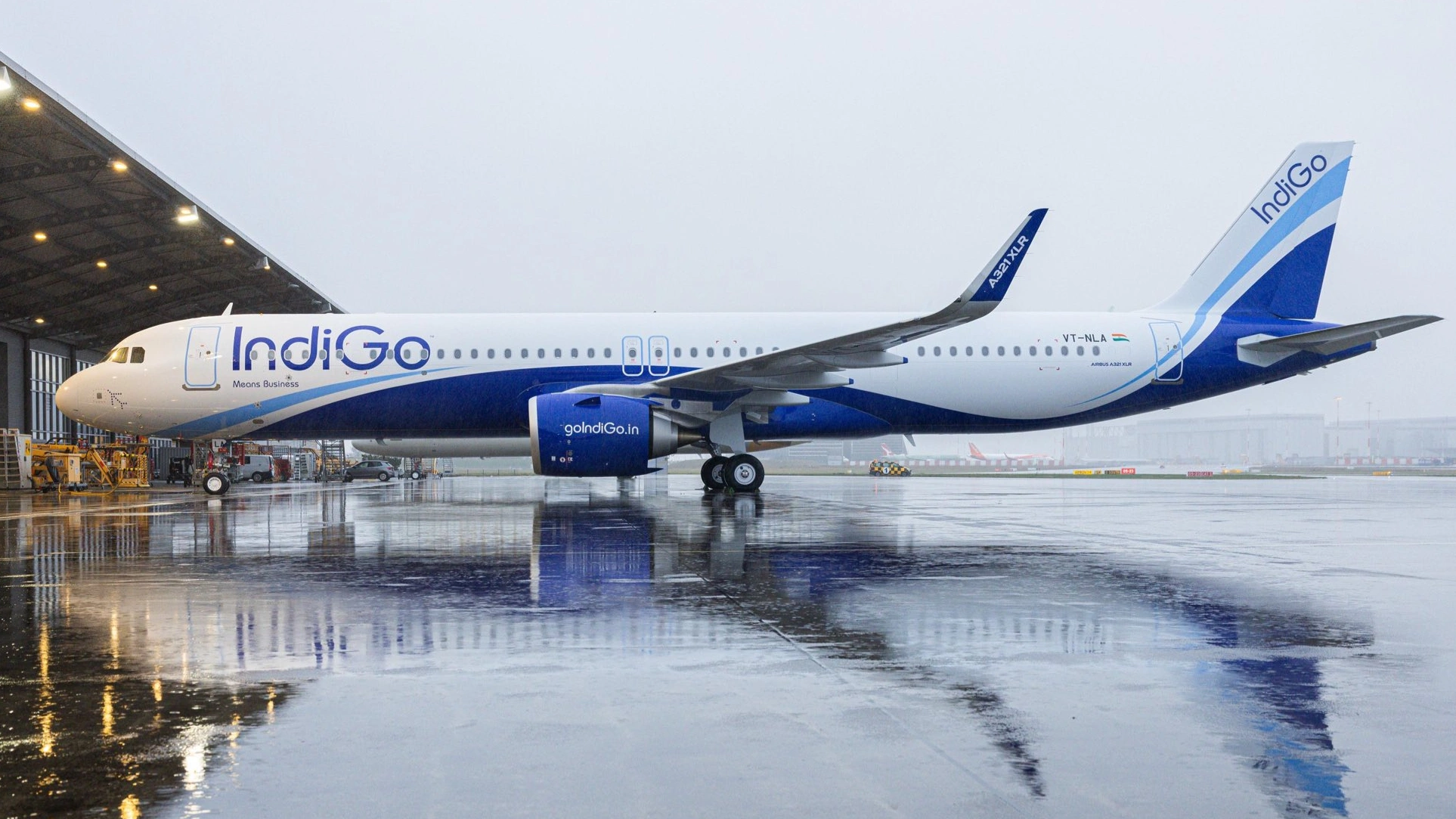
IndiGo Lite allows one piece of cabin baggage weighing up to 7 kilograms per flight, along with an auto-assigned seat at no extra cost. It does not include checked baggage, meals, priority boarding, or a choice of preferred seating, though passengers can add any of these as paid extras during booking or later at the airport.
The fare applies to domestic and international nonstop flights, covering one-way trips, round trips, and multi-city itineraries for both adult and child passengers, according to a statement from Travel Turtle. IndiGo Lite bookings cannot be upgraded online to other fare categories, such as Saver or FlexiPlus, once the booking is made. Key restrictions include:
- Not available on connecting or code-share flights
- Cannot be booked under group or corporate travel arrangements
- Cannot be upgraded online after booking, though airport or in-flight upgrades to UpFront or Stretch are possible by paying the fare difference, subject to availability
- Excess cabin or checked baggage is charged at standard excess baggage rates
Who The Fare Is Designed For
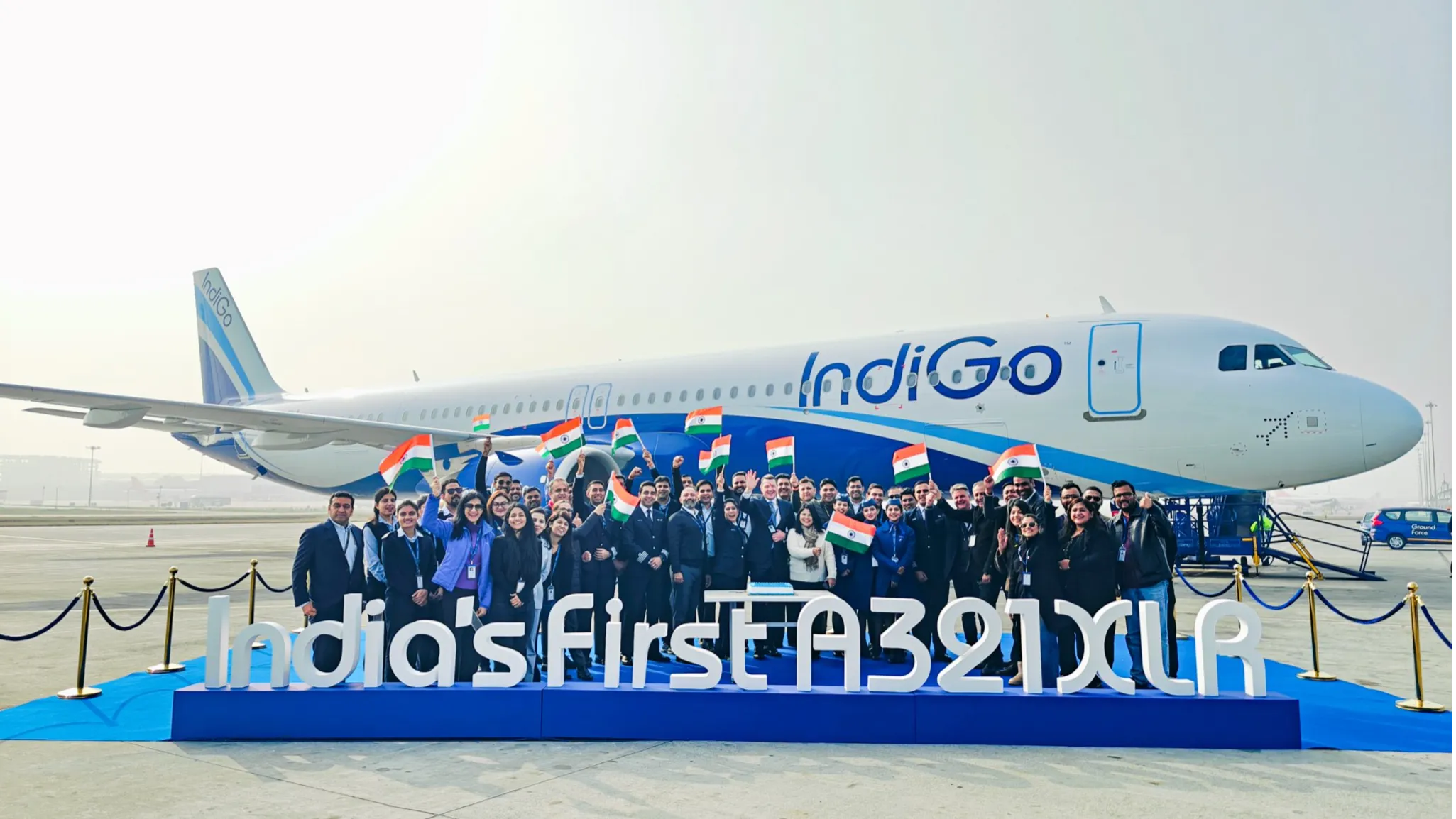
IndiGo said the fare targets customers who travel light and want to pay only for the services they use. Aloke Singh, IndiGo’s Chief Strategy Officer, said the airline continuously evolves its product offerings to match changing customer expectations, adding that IndiGo Lite is “another step towards building a strong, fit-for-purpose product portfolio” that reflects the carrier’s agility in responding to market conditions.
The fare is likely to appeal to short-trip business travelers, weekend travelers carrying only hand luggage, students, and other budget-conscious flyers who do not need checked baggage. Passengers booked on IndiGo Lite can still check in online, 48 hours before departure for domestic flights and 24 hours before departure for international flights, and continue to earn and redeem IndiGo BluChip loyalty points.
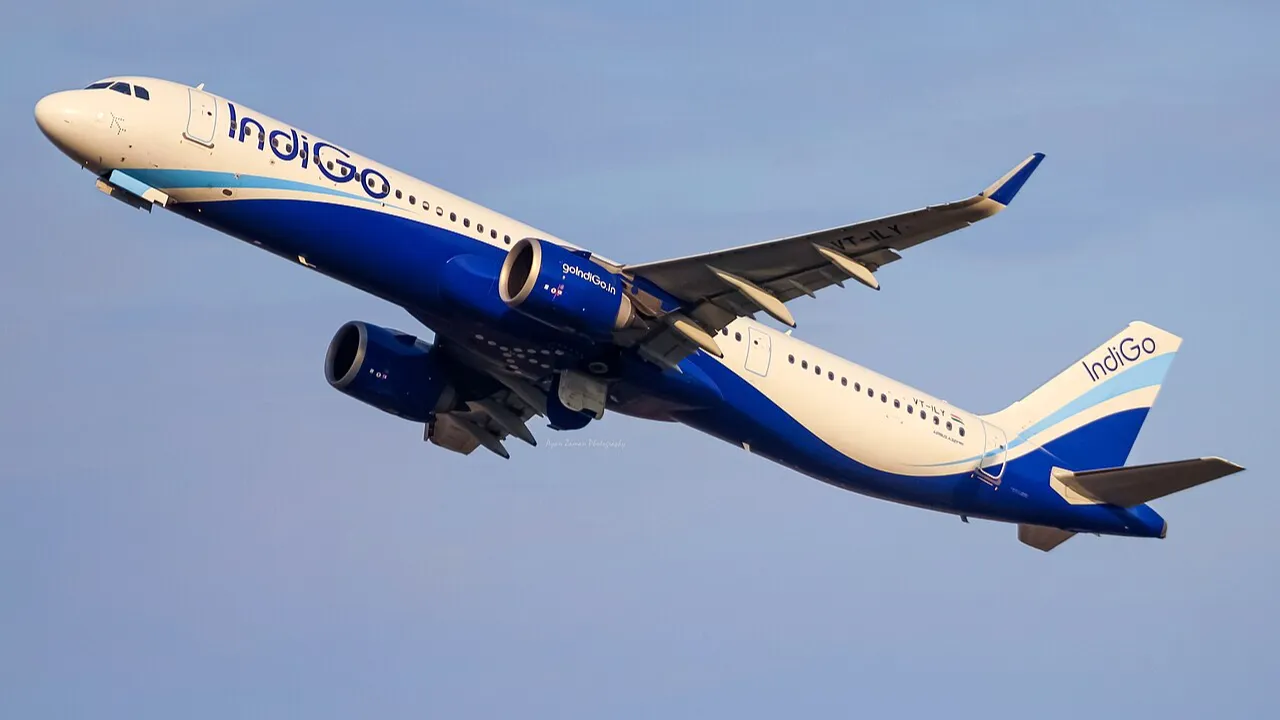
How Indigo Lite Fits into Indigo’s Wider Fare Structure
IndiGo Lite becomes the entry point in IndiGo’s existing “6E Ways to Fly” fare portfolio, which already includes Saver, FlexiPlus, IndiGo UpFront, IndiGoStretch, and Stretch+. The addition gives the airline a wider spread of price points across its network, from the most stripped-down option to fully flexible, premium-seated fares.
How This Compares to Air India’s New Basic Fare
IndiGo’s move follows a similar step by rival Air India (AI), which introduced its own no-frills “Basic” fare on select domestic routes on June 17, 2026. Air India’s Basic fare removes the complimentary onboard meal but still includes a 15-kilogram checked baggage allowance and a 7-kilogram cabin bag, along with complimentary tea or coffee.
The two fares target different trade-offs. Air India’s Basic fare strips out the meal while keeping checked baggage, whereas IndiGo Lite strips out checked baggage entirely while keeping the fare fully unbundled from the outset.
According to a report from the World Aviation Festival, Air India said in its own announcement that “by unbundling certain services, Air India is enabling price-conscious travellers to pay only for what they need, while preserving full-service offerings for those who value an all-inclusive experience.”
Air India’s Basic fare is currently a pilot programme on select routes, while IndiGo Lite launches network-wide across all nonstop domestic and international routes from day one.
Indigo’s Position in the Indian Aviation Market
IndiGo remains India’s dominant carrier by a wide margin, holding roughly 63 to 64 percent of the domestic market as of mid-2026. The airline carried 123.4 million passengers in the 2026 financial year and operates a fleet of more than 440 aircraft, connecting 96 domestic and 45 international destinations.
Unbundled, ancillary-driven pricing has long been central to IndiGo’s business model, and the airline has leaned further into this approach in recent months. It revised its fuel surcharge structure in April 2026, introducing a distance-based model for domestic routes and a region-specific structure for international sectors. IndiGo Lite extends that same logic to the base fare itself, letting the airline compete on headline ticket prices while continuing to generate revenue through optional add-ons.