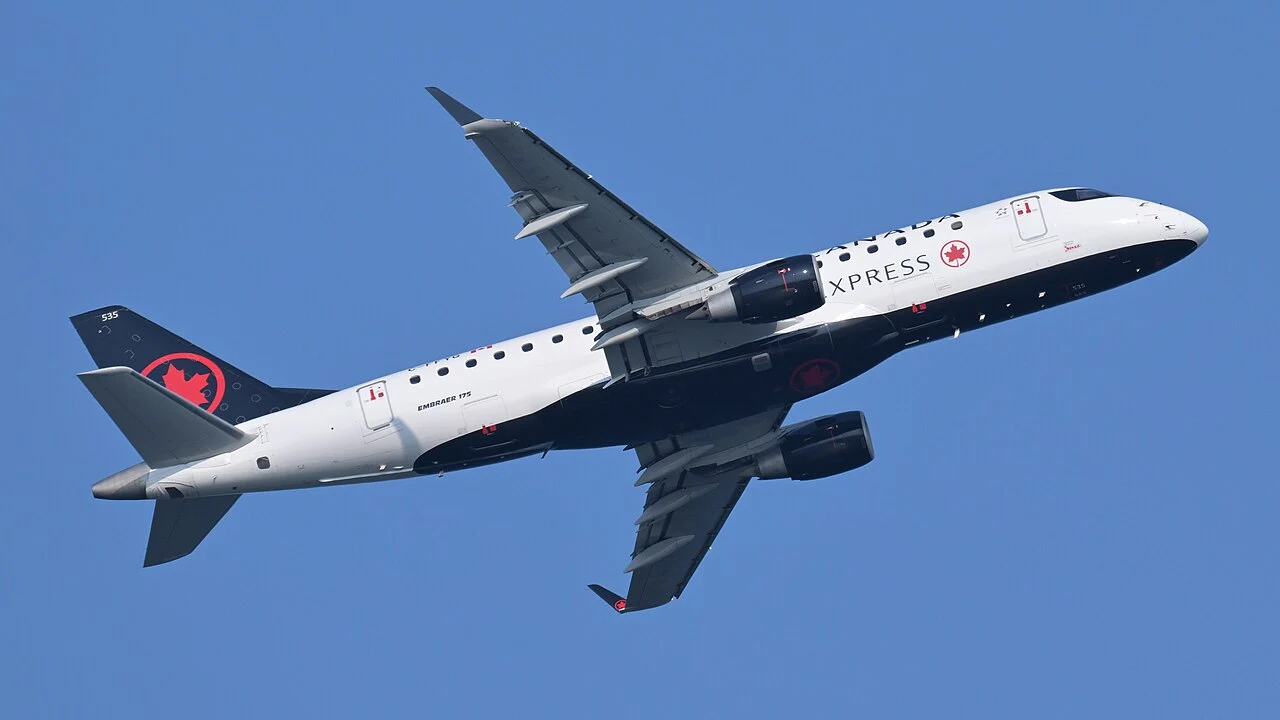
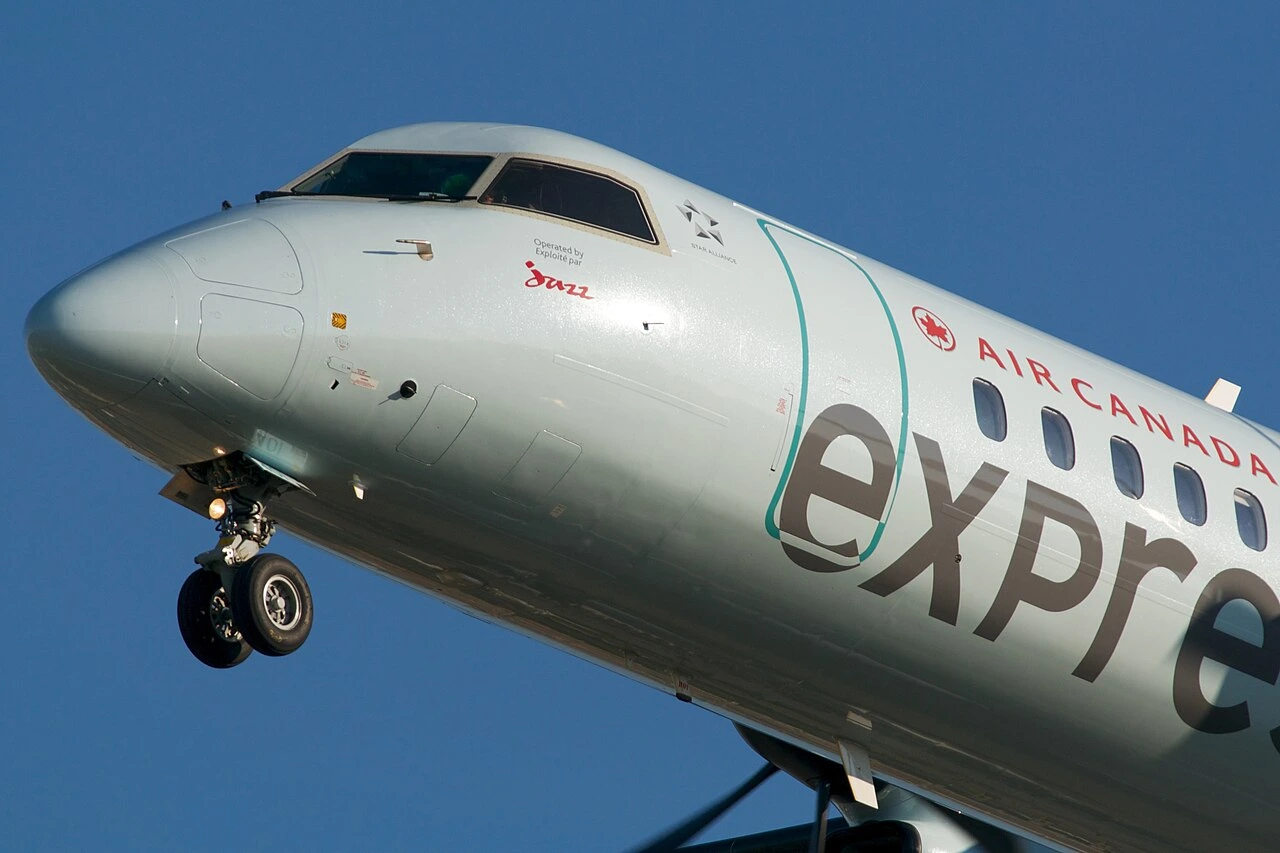
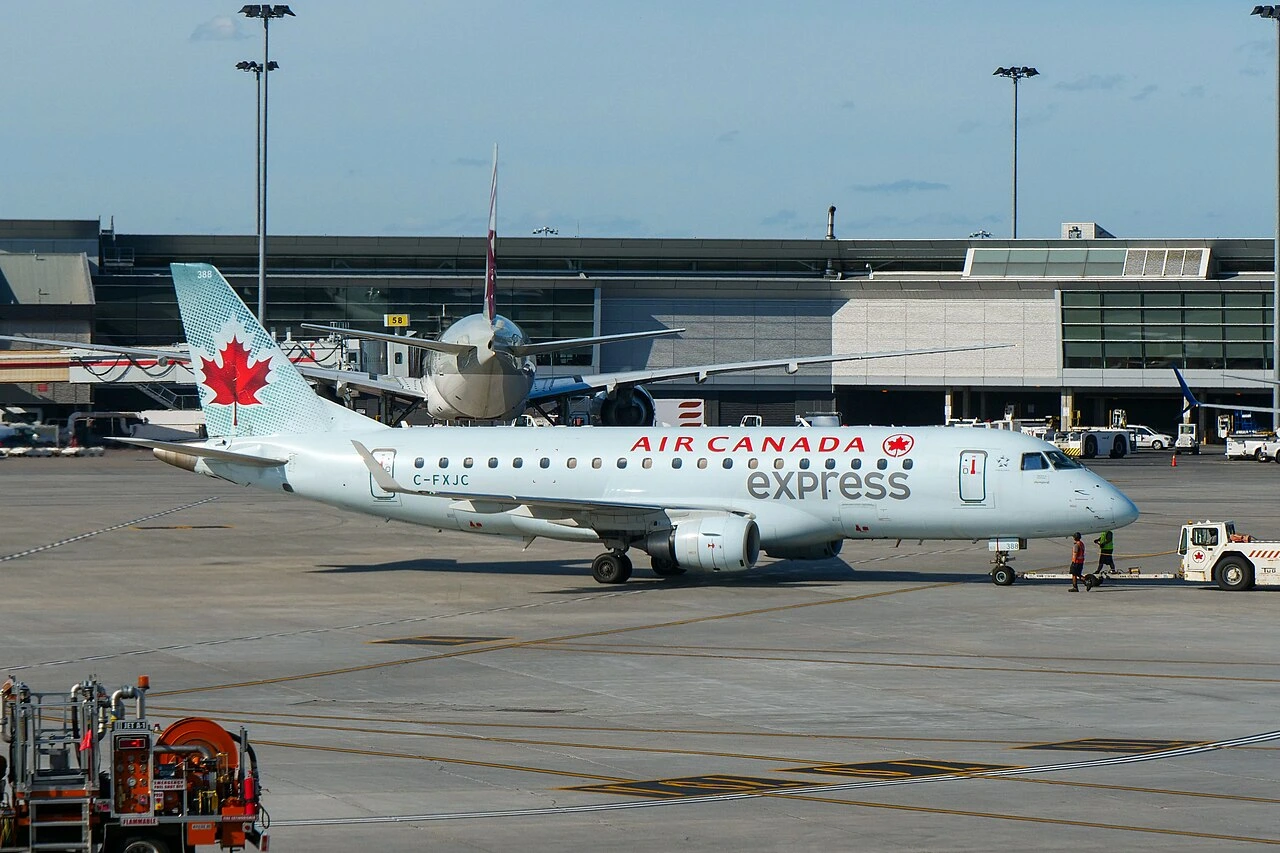
Air Canada (AC) confirmed on June 24, 2026 that its Flight AC7664 was diverted to Boston Logan International Airport (BOS), Boston, Massachusetts, after the captain experienced a medical episode during the flight. The flight was operating on behalf of Air Canada by its regional partner PAL Airlines and was en route from Newark Liberty International Airport (EWR), Newark, New Jersey, to Halifax Stanfield International Airport (YHZ), Halifax, Nova Scotia, when the emergency unfolded on Wednesday afternoon, according to The Canadian Press.
The aircraft, a De Havilland Q400 turboprop, was carrying 61 passengers when the captain was removed from the flight deck in accordance with the airline’s safety protocols. The first officer assumed sole control of the aircraft and diverted the flight to BOS, where it landed safely. ABC News reported that passengers on board helped flight attendants physically restrain the captain for approximately 40 minutes while the aircraft was rerouted.

What Happened Aboard AC7664 On June 24?
Online flight tracking data cited by The Canadian Press shows that AC7664 departed EWR at approximately 12:55 p.m. local time. The Massachusetts State Police told CBC News that the diversion was initiated at 1:40 p.m. local time after a crew member reported a medical emergency. The aircraft touched down at BOS at approximately 1:37 p.m. local time.
The emergency first became apparent to passengers when the aircraft began to swerve unexpectedly. Rodney McDonald, a passenger who was seated in the front row and spoke exclusively to ABC News, described the moment:
“The moment the plane swerved, I knew something was wrong because it was not turbulence. It really felt like someone had jilted the controls and then it happened over and over again. And, you know, every thought goes through your mind, you start praying. My boys instantly started praying.”
McDonald was travelling with his wife and two sons at the time.
Moments later, a flight attendant entered the cockpit and removed the captain from the flight deck. McDonald described what he witnessed:
“One of the flight attendants entered the cockpit frantically and a few moments later, he was dragging one of the pilots out of the cockpit onto the aisle way of the airplane.”
A 40-Minute Restraint in the Cabin Aisle
With the captain now in the aisle of the aircraft, McDonald and approximately four other passengers moved to assist. McDonald told ABC News that the pilot appeared to be experiencing a seizure. He described the effort to keep the captain still:
“Yeah, it was really horrifying. I was sitting in the front row, my family was from their back, just the way the seat arrangement worked out. And I went back to sit with them and then realized that the pilot was out of control physically, not violently, like it was clear that he was not in control of his faculties and needed to be restrained.”
McDonald and the other passengers used seatbelts to restrain the captain’s legs, arms, and chest during the roughly 40-minute ordeal. He told ABC News:
“[We] worked to get him under control, it was a fairly strenuous 40 minutes of keeping him down and using as many seatbelts as we could to restrain his legs arms and chest.”
A registered nurse who happened to be aboard directed the passenger response and helped attend to the captain throughout the emergency.
It is important to note that the U.S. Centers for Disease Control and Prevention (CDC) advises against physically restraining someone experiencing a seizure due to the risk of further injury. The recommended protocol is to clear the surrounding area of sharp or dangerous objects, turn the person gently onto their side, and keep their airway clear. McDonald praised the flight crew throughout the incident: “The flight attendants were stupendous. They stayed calm.”
How The First Officer Landed the Aircraft Safely
While passengers attended to the captain in the cabin, the first officer — alone on the flight deck — took full command of AC7664. The first officer successfully diverted the aircraft and safely touched down at BOS at 1:37 p.m. local time. Air Canada confirmed to Fox News that its pilots are fully trained to fly and land safely without the assistance of a second pilot.
The Massachusetts Port Authority (Massport), which oversees BOS, confirmed the aircraft landed without incident. Massport Fire Rescue and Boston EMS responded to the crew as necessary once the aircraft was on the ground. Air Canada’s official statement, as reported by The Canadian Press, read: “Pilots are trained to fly aircraft and land safely without the assistance of a second pilot.” The captain was subsequently taken to a hospital in Boston for medical treatment, the airline confirmed.
Emergency responders met the aircraft on the tarmac upon landing. McDonald told ABC News that he was relieved once all passengers were safely off the aircraft: “We’re just grateful, grateful for how it all ended.”
Air Canada’s Statement and Passenger Rebooking Plans
Air Canada issued a formal statement acknowledging the incident. The Canadian Press quoted the airline as confirming that Flight AC7664 was operated by PAL Airlines on the afternoon of June 24, 2026, and that the captain experienced a medical issue and was removed from the flight deck in accordance with safety protocols. The airline confirmed that 61 customers were aboard the De Havilland Q400. Air Canada is working to help all 61 customers make new travel arrangements “to complete their journeys as soon as possible.”


.jpg)
.jpg)