The Royal Australian Air Force (RAAF) has completed the first joint Weapon Fill Measurement Vehicle (WFMV) flight test on an F-35A Lightning II. The test took place in late April 2026 and involved RAAF No. 75 Squadron working alongside United States Air Force engineers. Defence confirmed the milestone in a release published on June 19, 2026.
The trial flew an F-35A with a specialized test weapon mounted on the aircraft. Engineers used the flight to collect data on how weapons behave under real flight conditions. The goal is to speed up future weapons certification for the F-35A and strengthen interoperability between the two air forces.
What The Wfmv Flight Test Involved
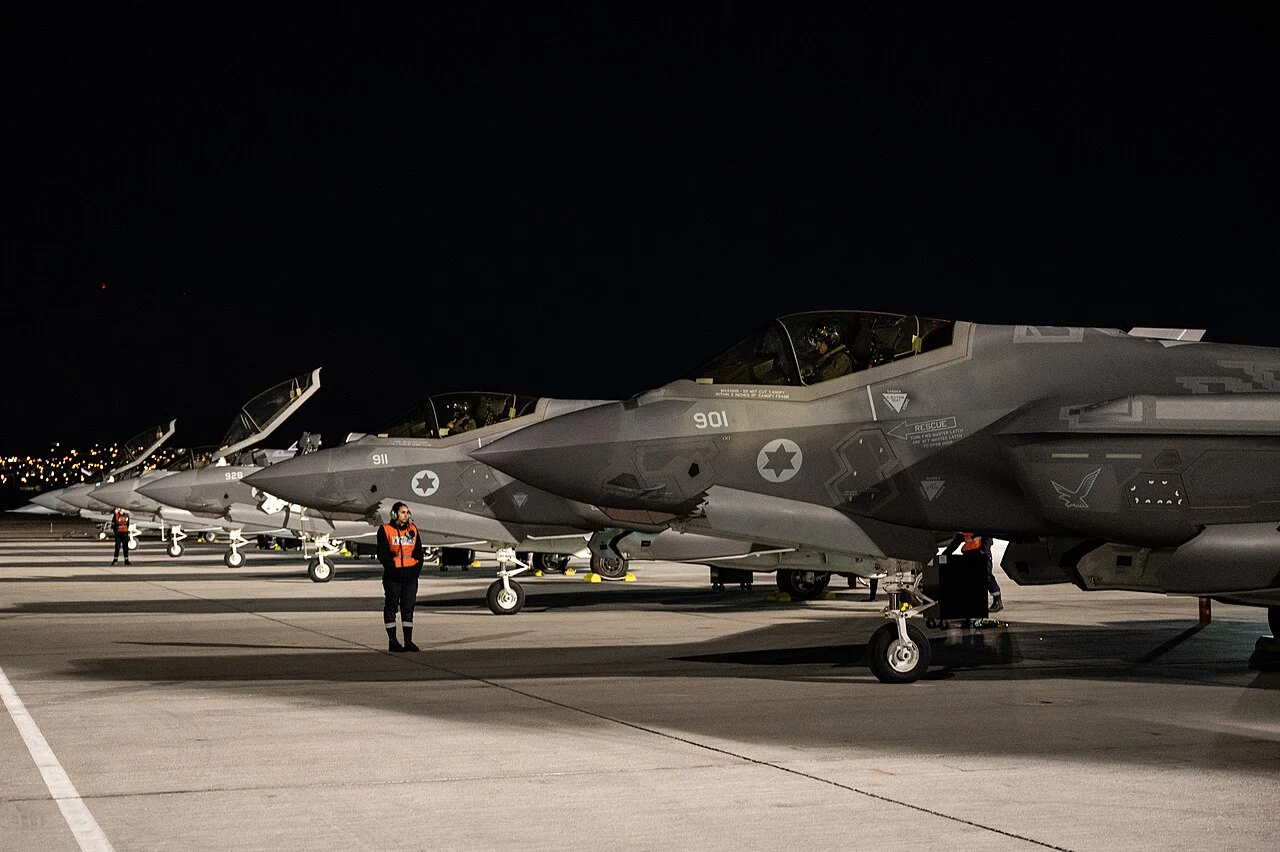
The test used a Weapon Fill Measurement Vehicle, a specialized test weapon fitted to the F-35A. The aircraft flew with this device to record engineering data on weapon behavior in flight.
Engineers focused on three main factors. These factors shape how a weapon performs once it leaves the aircraft.
- Aerodynamic loads on the weapon during flight
- Vibration levels experienced by the weapon
- Other environmental factors that affect weapon performance
This data feeds directly into certification programs. Certification confirms a weapon is safe and effective to carry and release from a specific aircraft.
Why Weapons Certification Speed Matters
Weapons certification is normally a slow process. Each new weapon must be tested and cleared before it reaches frontline squadrons.
The Australian Department of Defence said the data gathered will help reduce the time needed to certify new weapons for service. Faster certification means new combat capability reaches operational units sooner.
This matters most in a fast-changing security environment. Defence said reducing weapons integration time is “increasingly critical to maintaining combat readiness” in the Indo-Pacific region.
Squadrons And Agencies Behind the Trial
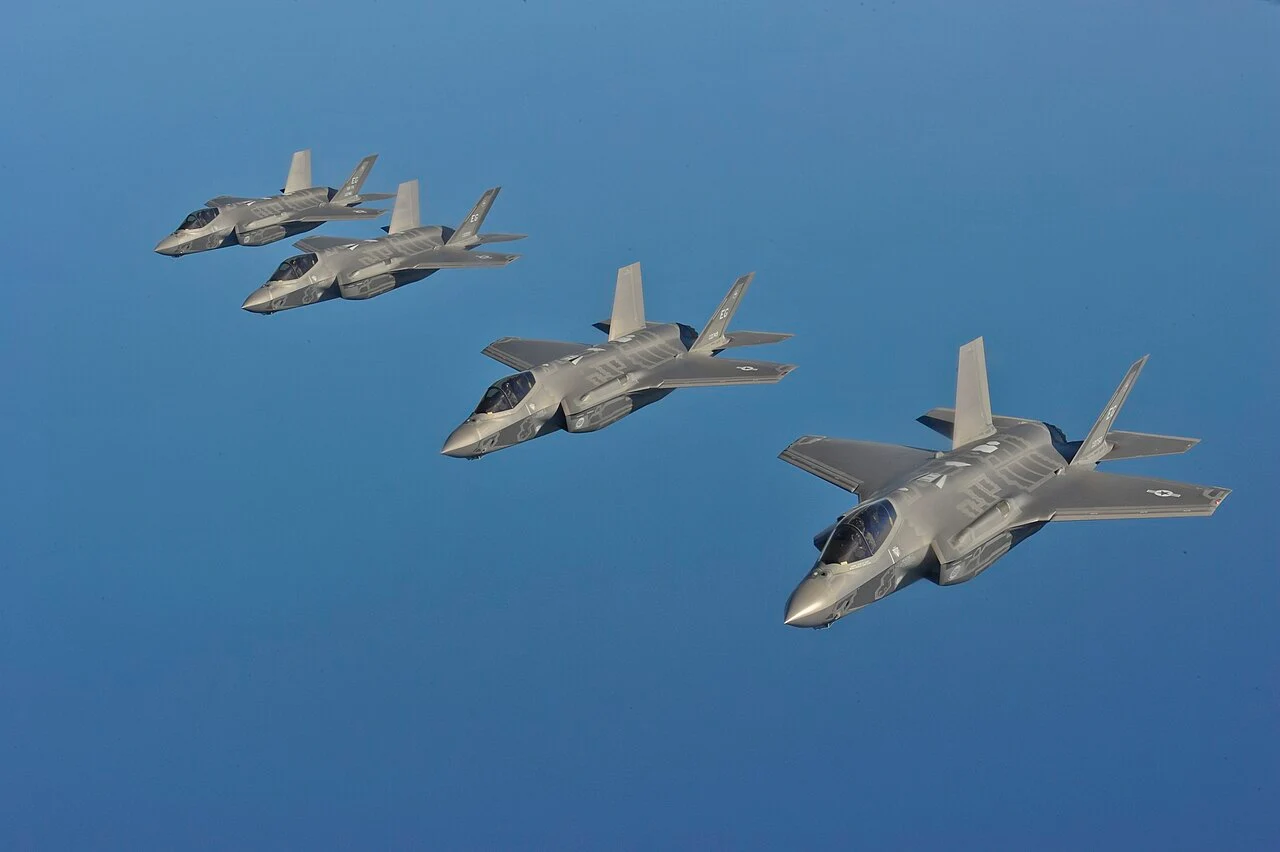
The flight test brought together specialized units from both countries. Each organization contributed engineering or range support expertise.
Australian participants included:
- Air Warfare Engineering Squadron
- Aircraft Research and Development Unit (ARDU)
- No. 75 Squadron
- Air Combat Systems Program Office (ACSPO)
United States participants included:
- US Air Force Seek Eagle Office (AFSEO)
- US 96th Range Support Squadron (96 RANSS)
The activity falls under the Aircraft Stores Compatibility Project Arrangement (ASC PA). This is a long-running agreement between Australia and the United States. It covers weapons testing, engineering cooperation, and shared data, and it helps the two countries avoid duplicating certification work.
What Officials Said About the Test
A representative from AFSEO explained why understanding the flight environment matters for new weapons. “The capability to characterise and understand flight environments is foundational to new weapons certification,” the representative said. The representative added that the test “gives critical engineering insight into the F-35” and strengthens interoperability between the two air forces.
Flight Lieutenant Nicholas, who piloted the test sortie, linked the mission to wider alliance goals. “It was a great opportunity and privilege to work alongside Australian and US engineers to help improve the survivability and lethality of allied F-35 operators worldwide,” Nicholas said.
ASC PA Project Manager Captain Jae Yu also commented on the value of the partnership. “The key takeaway for me was how valuable the Australia and US alliance is,” Yu said, TheDiggerNews flagged. He added that “working together allows us to do this better, faster, and with lasting benefit”.
Australia’s Broader F-35A Program
The F-35A Lightning II is Australia’s primary fifth-generation multirole fighter. It forms the core of the RAAF’s air combat capability and has been operational in the country since 2021, according to Australian Aviation.
Australia is acquiring 72 F-35A aircraft under the AIR 6000 Phase 2A/B program, a project valued at AU$17 billion. These jets operate from major bases including Williamtown and Tindal. Readers can find a broader look at the aircraft’s global role in our roundup of the world’s most powerful fighter jets in 2026, which covers the F-35’s record 2025 delivery numbers and its growing operational record among allied air forces.
Other F-35 Tests Around the World
This Australian-led trial sits alongside several other F-35 testing efforts reported in 2026. In May 2026, the US Air Force ran Checkered Flag 26-2 at Tyndall Air Force Base, Florida, pairing F-22 Raptors with F-35As in live-fire combat drills against drone targets. That exercise focused on combat tactics rather than weapons certification.
Separately, the US Navy’s VX-9 test squadron was seen flying a US Air Force F-35A in January 2026. That cross-variant testing supported tactical evaluation work, not weapons-environment data collection. The Australia-US WFMV trial is distinct because it targets the certification pipeline directly, rather than combat readiness or cross-service training.
Background On the Aircraft Stores Compatibility Arrangement
The ASC PA is not a new agreement. It builds on decades of Australian weapons clearance work, including earlier programs run by the Aircraft Stores Compatibility Engineering Squadron, which handled weapons integration for aircraft like the F/A-18 Hornet before it was absorbed into Australia’s Air Warfare Centre in 2016.
This history shows the WFMV test is part of a long pattern. Australia has run joint weapons certification work with the United States for years, across multiple aircraft types, not just the F-35A.