Etihad Airways (EY) flew its Airbus A380 into Tokyo for the first time on June 18, 2026. The aircraft landed at Narita International Airport (NRT), Tokyo, completing a new daily service from Zayed International Airport (AUH), Abu Dhabi. The move replaces a smaller Airbus A350-1000 on the route and brings The Residence, Etihad’s three-room suite, to Japan for the first time.
The airline scheduled the launch to meet rising demand for premium travel between the UAE and Japan. Etihad’s Chief Revenue and Commercial Officer, Arik De, traveled to Tokyo to mark the occasion at a launch event on June 18.
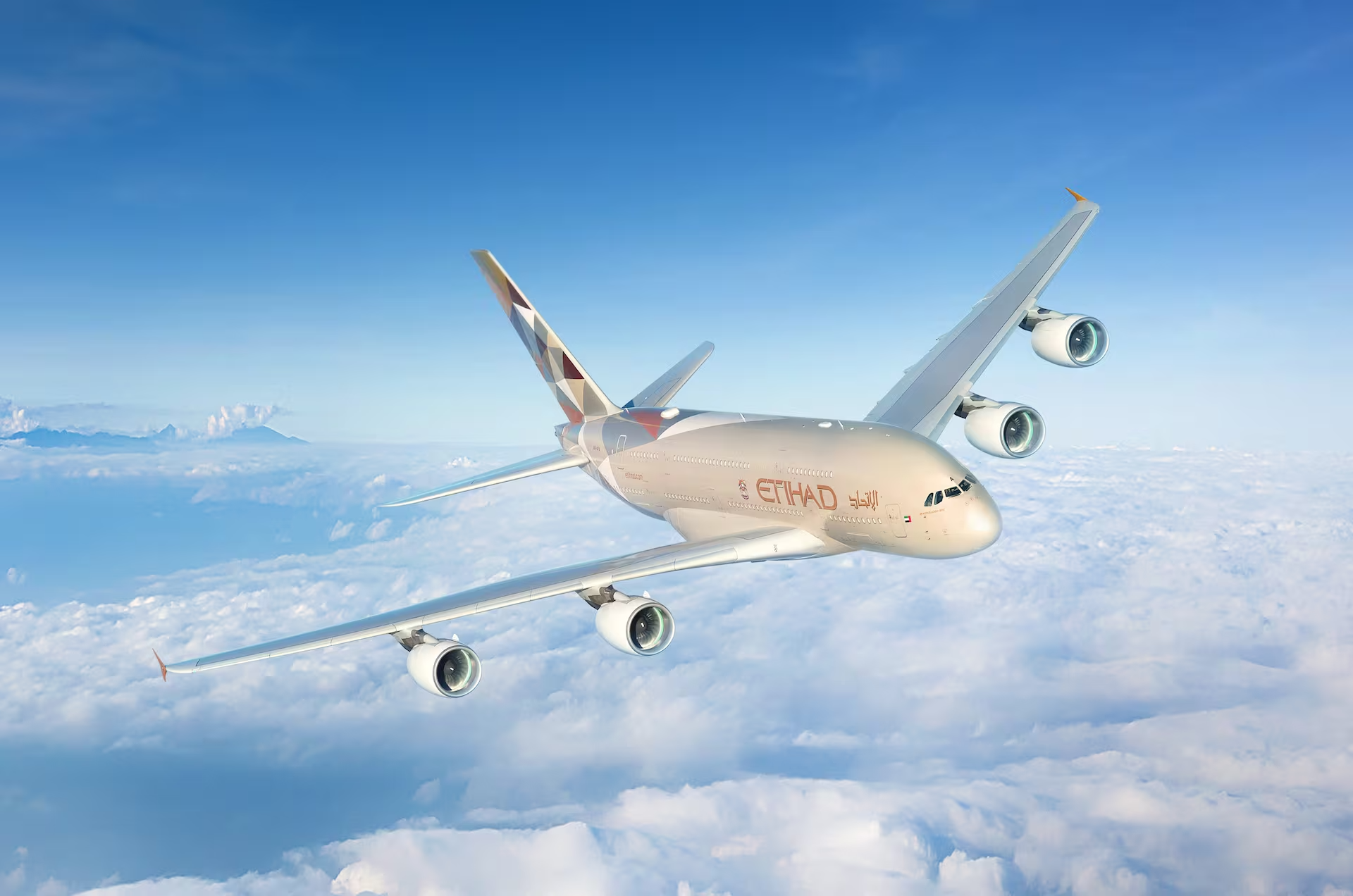
Etihad Launches Daily A380 Flights Between Abu Dhabi and Narita
Etihad’s A380 touched down at NRT on June 18, 2026, after departing AUH the previous day. The aircraft now flies the Abu Dhabi-Tokyo route daily, replacing the 371-seat A350-1000 that previously served the city.
The switch raises seat capacity on the route. Etihad’s A380s carry 486 passengers across four cabins, compared with the 371 seats on the A350-1000 it replaces.
Ground staff displayed UAE and Japanese flags as the aircraft taxied to the gate. The gesture marked the strengthening ties between the two countries.
Arik De, Chief Revenue and Commercial Officer at Etihad Airways, spoke at the inaugural event in Tokyo, saying that Tokyo had for quite a time held “a special place in the hearts of our guests”, adding that the carrier was “proud to meet that affection with a truly extraordinary aircraft.”
He linked the move to fleet strategy. He added:
“With this route, we are returning our eighth A380 to the fleet, further expanding our operation and premium offering. Whether flying in Economy, Business, First, or The Residence, we promise an elevated, unforgettable journey for our guests.”
De also visited Japan in person to host the launch party on June 18. This personal visit signals the importance Etihad places on the Japanese market .
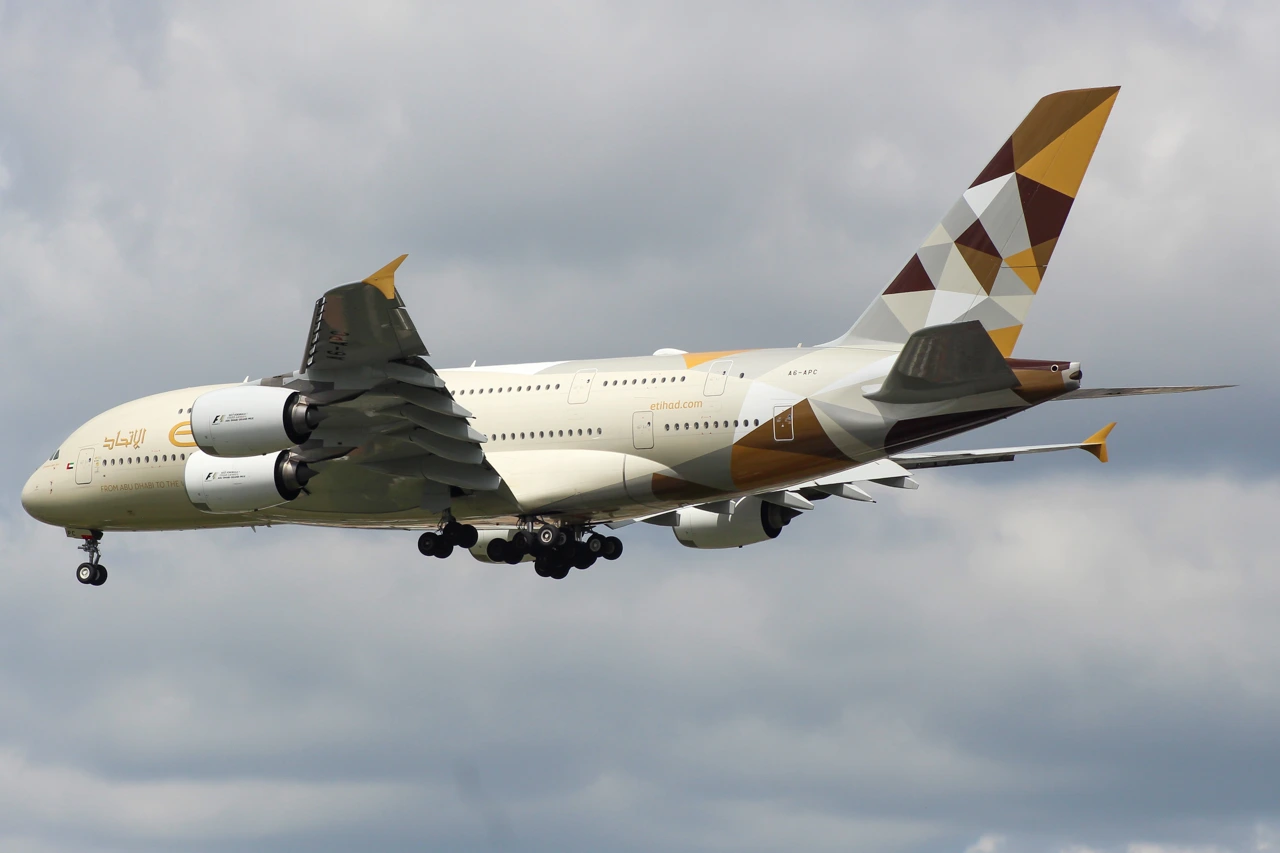
The Residence Makes its Japan Debut on the A380
The Residence is Etihad’s flagship product. It is a three-room suite with its own bedroom, living area, and private bathroom with a shower.
Each Etihad A380 carries one Residence unit, which seats two guests. The cabin configuration includes:
- The Residence: 1 suite (2 seats), Etihad’s top-tier private suite
- First Class: 9 individual Apartments in a 2-2 layout
- Business Class: 70 seats in a 1-2-1 layout
- Economy Class: 405 seats in a 3-4-3 layout, with 31–32 inch pitch
This configuration totals 486 seats per aircraft.
.jpg)

How the Tokyo Route fits Etihad’s Wider A380 Fleet Plan
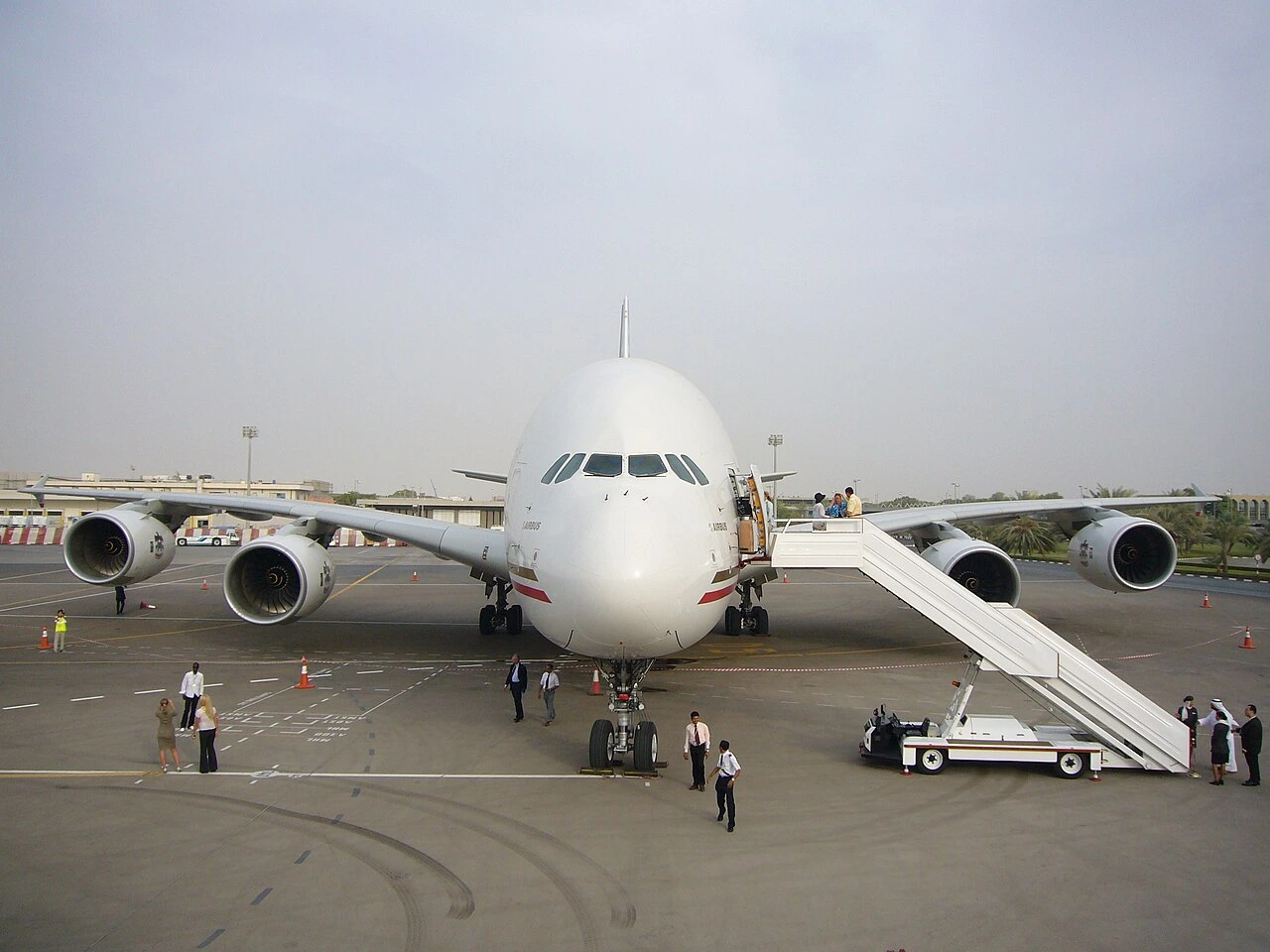
Etihad originally owned ten A380s. One aircraft was scrapped in 2025, and the airline reactivated stored frames over time to rebuild capacity. The Tokyo launch represents the airline’s eighth active A380 returning to revenue service. A ninth aircraft remained in storage as of early 2026.
With Tokyo added, Etihad plans up to seven daily A380 departures from Abu Dhabi. The airline last operated that many daily superjumbo flights in early 2020, before the pandemic grounded the type.
Etihad first flew the A380 commercially in December 2014, on the Abu Dhabi-London Heathrow (LHR) route. Since then, the airline has deployed the aircraft to ten airports worldwide on a regular basis.
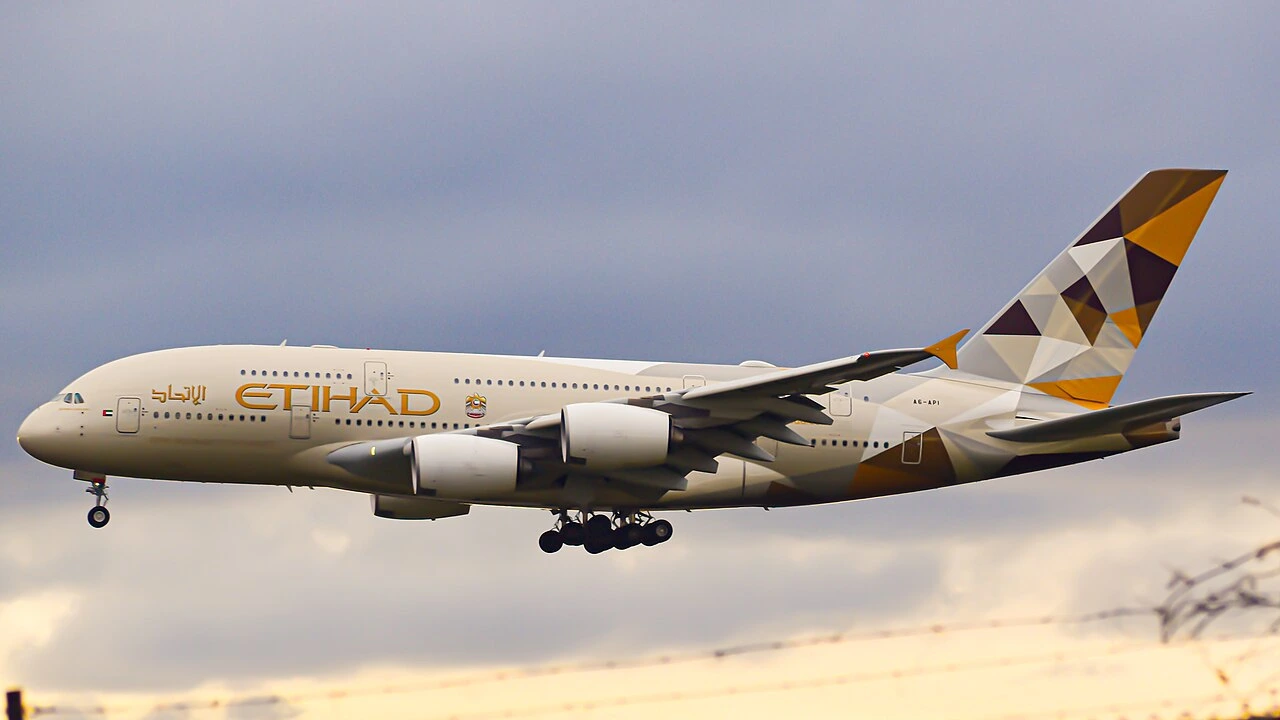

Comparing Etihad’s Tokyo Move with its Past A380 Retreat from Asia-Pacific
Etihad’s renewed push into Asia contrasts with its earlier retreat from the region. Between 2015 and 2020, Etihad flew the A380 to Sydney (SYD) and Melbourne (MEL) in Australia, logging more than 2,700 departures from Abu Dhabi.
That service ended in March 2020, when Etihad grounded its entire fleet at the start of the Covid-19 pandemic. The airline never restored the Australian A380 routes.
Etihad resumed A380 flying in July 2023, starting again on the London Heathrow route. It then added New York JFK before turning its attention to Tokyo in 2026. This pattern shows the airline prioritizing high-demand, premium-heavy markets over the lower-yield Australian routes it once served.
The bigger aircraft adds more seats for travelers connecting through AUH. Etihad says this helps more Japanese visitors reach Abu Dhabi or continue onward across its global network.
Passengers transiting through Abu Dhabi can also use Etihad’s Stopover programme. This offers a free hotel stay for eligible connecting travelers.
Etihad expects the daily A380 service to support both business and leisure demand. The airline frames this as part of its ongoing network and fleet expansion strategy.