Five aircraft families currently dominate global aviation sales and still roll off active production lines in 2025. They range from a small four-seat trainer to the world’s most fuel-efficient widebody jet. Together, these aircraft serve pilot training schools, regional airlines, low-cost carriers, and long-haul operators across every continent. They are the Cessna 172 Skyhawk, the Airbus A320neo family, the Boeing 737 MAX, the Boeing 787 Dreamliner, and the Embraer E-Jet family. Their combined order backlogs run into the thousands, and their influence on aviation’s past, present, and future is unmatched.
The rankings here are based on cumulative production numbers and active order books as of 2025. Each aircraft has earned its place through a combination of commercial success, operational reliability, and sustained airline or operator demand. This article examines what makes each aircraft a bestseller, how each one compares to its rivals, and why each continues to attract new buyers decades after its original launch.
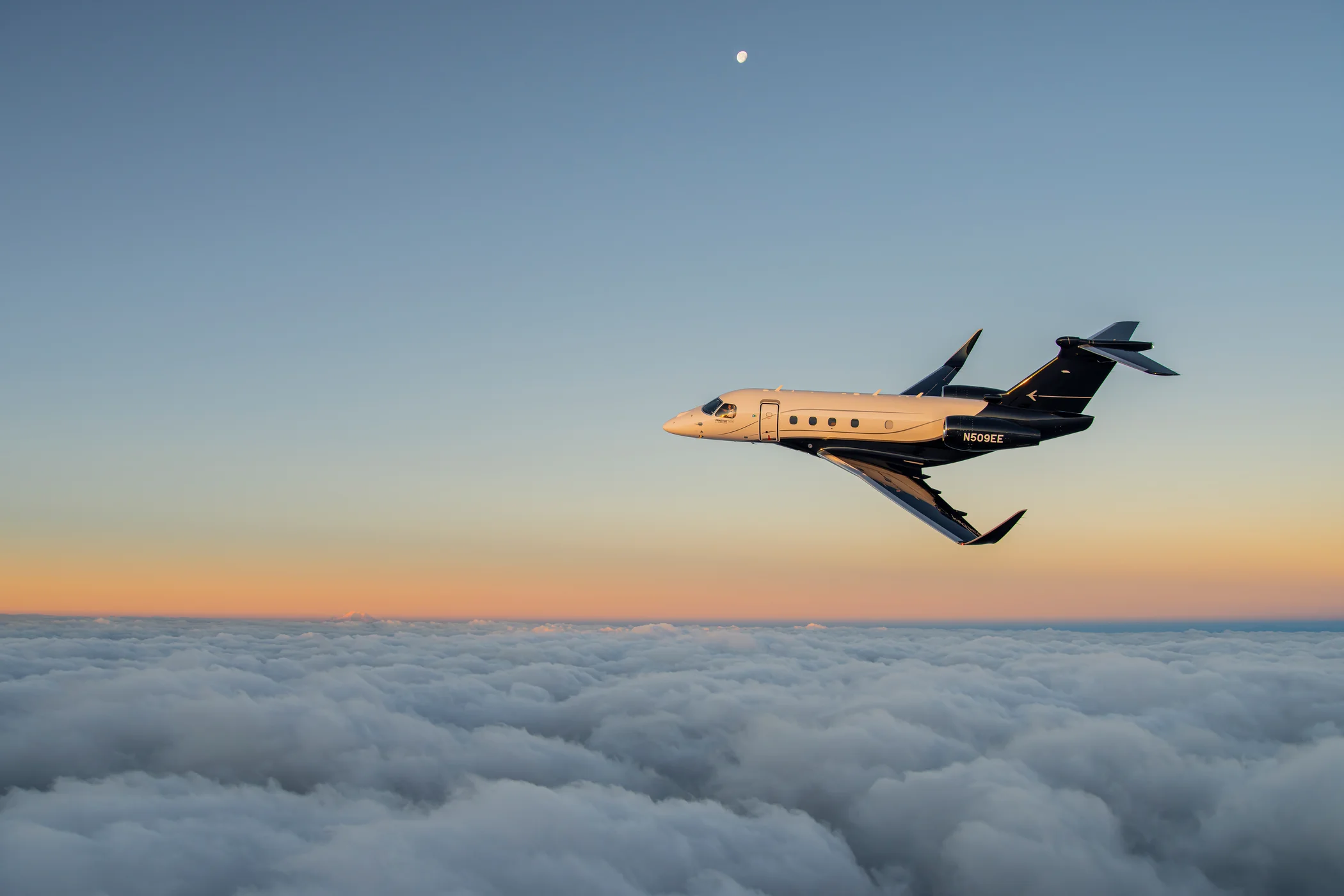
5. Embraer E-Jet Family: Dominant Below 150 Seats
The Embraer E-Jet family, produced at Embraer’s facility in São José dos Campos, Brazil, is the world’s leading aircraft program for aircraft below 150 seats. The family includes the first-generation E1 jets (E170, E175, E190, E195) and the newer E2 generation (E190-E2 and E195-E2). Embraer has delivered over 1,800 units of E-Jets in both the E1 and E2 generations combined. The E175 remains the only aircraft in active production below 76 seats that complies with US regional airline scope clauses, giving it a structural advantage in the American market.
Embraer delivered 78 commercial aircraft in 2025, compared with 73 in 2024. Overall group deliveries reached 244 aircraft in 2025, a marked increase from 206 in 2024. The E-Jet program holds a 29% share of the total global delivery market for aircraft below 150 seats, making Embraer the clear market leader in that segment.
Embraer E-Jet E2: A Record Sales Year In 2025
The E2 generation reached a commercial turning point in 2025. The E190-E2 and E195-E2 achieved their best-ever annual sales year in 2025, with 154 firm orders placed. Total firm orders for the E2 family reached 491, of which 424 are for the E195-E2, the largest commercial aircraft Embraer has ever built.
Key features of the Embraer E195-E2 include:
- Engines: Pratt & Whitney PW1900G geared turbofan, delivering approximately 25% lower fuel burn than the prior E195
- Seating capacity: Up to 146 passengers (maximum); typically 119–136 in airline configurations
- Range: Up to 2,600 nm (4,815 km)
- MTOW (Maximum Takeoff Weight): 61,500 kg, increased with 2024 performance enhancements
- Fuel burn improvement: 2.5% additional reduction announced at the Farnborough International Airshow in July 2024
- Aerodynamics: New-generation wing with advanced winglets and optimized airfoil profile
Major 2025 orders for the E2 family included 15 E190-E2 aircraft from All Nippon Airways (NH), who selected the type to replace regional jets after the failure of Japan’s own SpaceJet program. In August 2025, SAS confirmed a firm order for 45 E195-E2 jets, with options on 10 more. SAS CEO Anko van der Werff told reporters at a Copenhagen press conference: “The E195-E2’s size and range are ideally suited to complement our existing fleet and route structure, allowing for more frequencies, better network flexibility and lower trip costs.” The SAS deal was valued at approximately $4 billion, and Embraer shares hit an all-time high on the news.
E-Jet Vs. Airbus A220: The Battle Below 150 Seats
The E2 family’s primary competitor is the Airbus A220, formerly the Bombardier C Series. While the E2 family has 491 total firm orders, the A220 has accumulated over 900, highlighting the challenge Embraer faces. However, in June 2025, LOT Polish Airlines ended its long-term Embraer partnership and selected the A220 instead, illustrating the competitive pressure in the segment. Despite this, Embraer bounced back with the SAS order within weeks. US carrier Avelo Airlines has also placed a firm order for 50 E195-E2 aircraft, making Avelo the first US operator of the type, with deliveries starting from 2028.
Embraer’s backlog reached a record high in the third quarter of 2025, with the E195-E2 accounting for the most significant share. Porter Airlines, one of the E195-E2’s earliest major customers, took delivery of its 50th E195-E2 in December 2025, a milestone that validated the type’s growing operational footprint in North America.

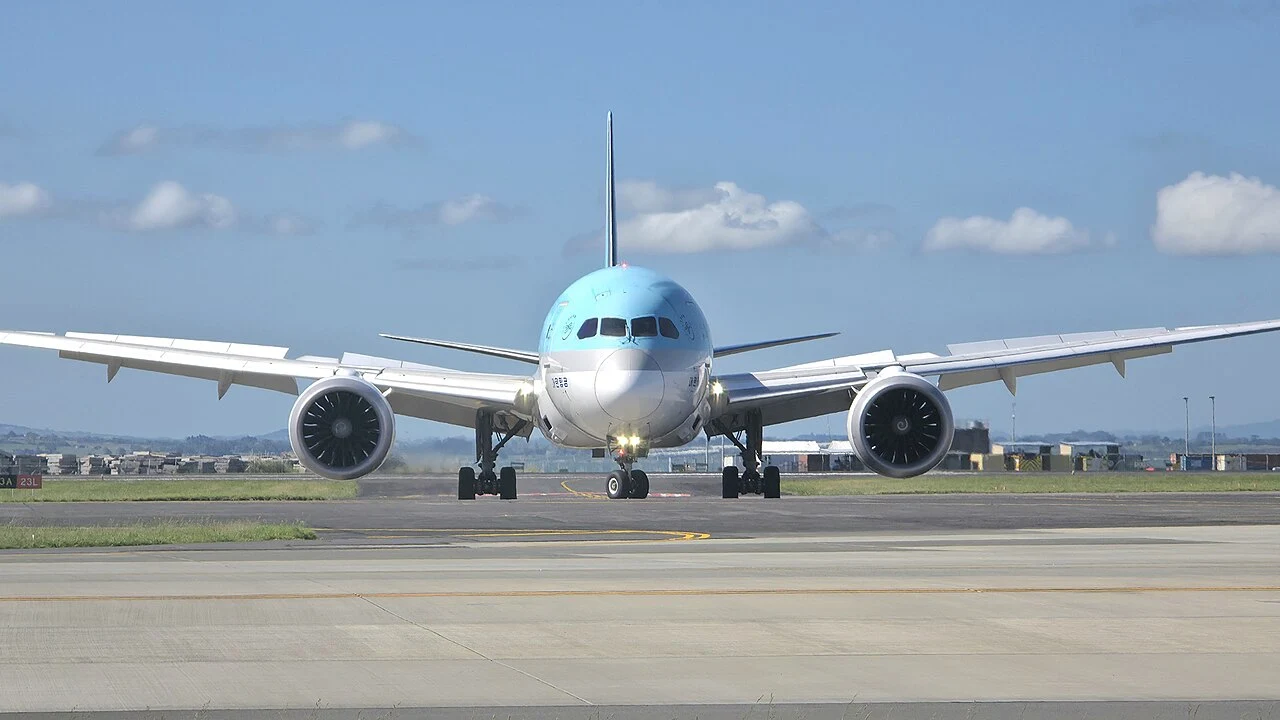
4. Boeing 787 Dreamliner: The World’s Most Popular Widebody In Production
The Boeing 787 Dreamliner, built at Boeing’s facilities in Everett, Washington, and North Charleston, South Carolina (USA), entered service with All Nippon Airways (NH) on September 25, 2011. It is currently the best-selling widebody aircraft in production globally. As of mid-2025, Boeing had amassed over 2,250 firm orders for the 787 family from 90 customers worldwide, with a backlog of approximately 993 aircraft.
Boeing delivered 88 Dreamliners in full-year 2025, up from significantly lower numbers in prior years. The company secured 368 Dreamliner orders in 2025, narrowly missing its all-time single-year record of 369 set in 2007. According to a Boeing sales executive quoted in a November 2025 report by Aerospace Global News, “Over the last 14 years, since the entry into service of the 787, airlines around the world have launched more than 500 new routes that were never served before — launching with the 787.”
Boeing 787 Dreamliner: What Makes It A Best-Seller
The 787 is a twin-engine, long-range widebody jet that currently exists in three variants: the 787-8 (original), 787-9 (stretched), and 787-10 (further stretched). Key specifications and design features include:
- Construction: Approximately 50% composite materials by weight, reducing airframe weight significantly versus aluminum-built alternatives
- Engines: General Electric GEnx-1B or Rolls-Royce Trent 1000, enabling ultra-long-haul operations
- Seating capacity: 242 (787-8), 296 (787-9), 330 (787-10) in typical two-class configurations
- Range: 787-8 up to 7,355 nm; 787-9 up to 7,635 nm; 787-10 up to 6,430 nm
- Cabin humidity: Higher cabin humidity (15–20%) versus traditional jets (under 5%), improving passenger comfort
- Cabin altitude: Pressurized to 6,000 feet equivalent, lower than the 8,000-foot standard on older jets
- Windows: Electrochromic dimmable windows, the largest of any commercial aircraft
As of November 2025, Boeing had delivered approximately 1,230 Dreamliners in total. The 787-9 is the most popular variant with 1,432 orders, while the 787-8 is winding down with only 28 unfilled orders remaining. Boeing’s 787 production slots are currently sold out until approximately 2030.
787 Dreamliner Vs. Airbus A350
The Boeing 787’s closest competitor is the Airbus A350. The A350 family has accumulated 1,579 firm orders, of which 714 have been delivered as of April 2026. The 787 leads the A350 in both total orders and deliveries, though the A350-900 competes directly with the 787-9 on long-haul sectors. The 787 has delivered more than 1,200 Dreamliners while the A350 family has delivered 714, a gap that reflects the 787’s four-year head start in service.
In January 2026, Delta Air Lines placed its first-ever direct order for the 787 Dreamliner, committing to 30 firm 787-10 aircraft with options for 30 more. Delta CEO Ed Bastian stated in a press release: “Delta is building the world’s best airline and these aircraft will be foundational to that goal.”

3. Boeing 737 MAX: The World’s Best-Selling Narrow-Body Jet in Backlog
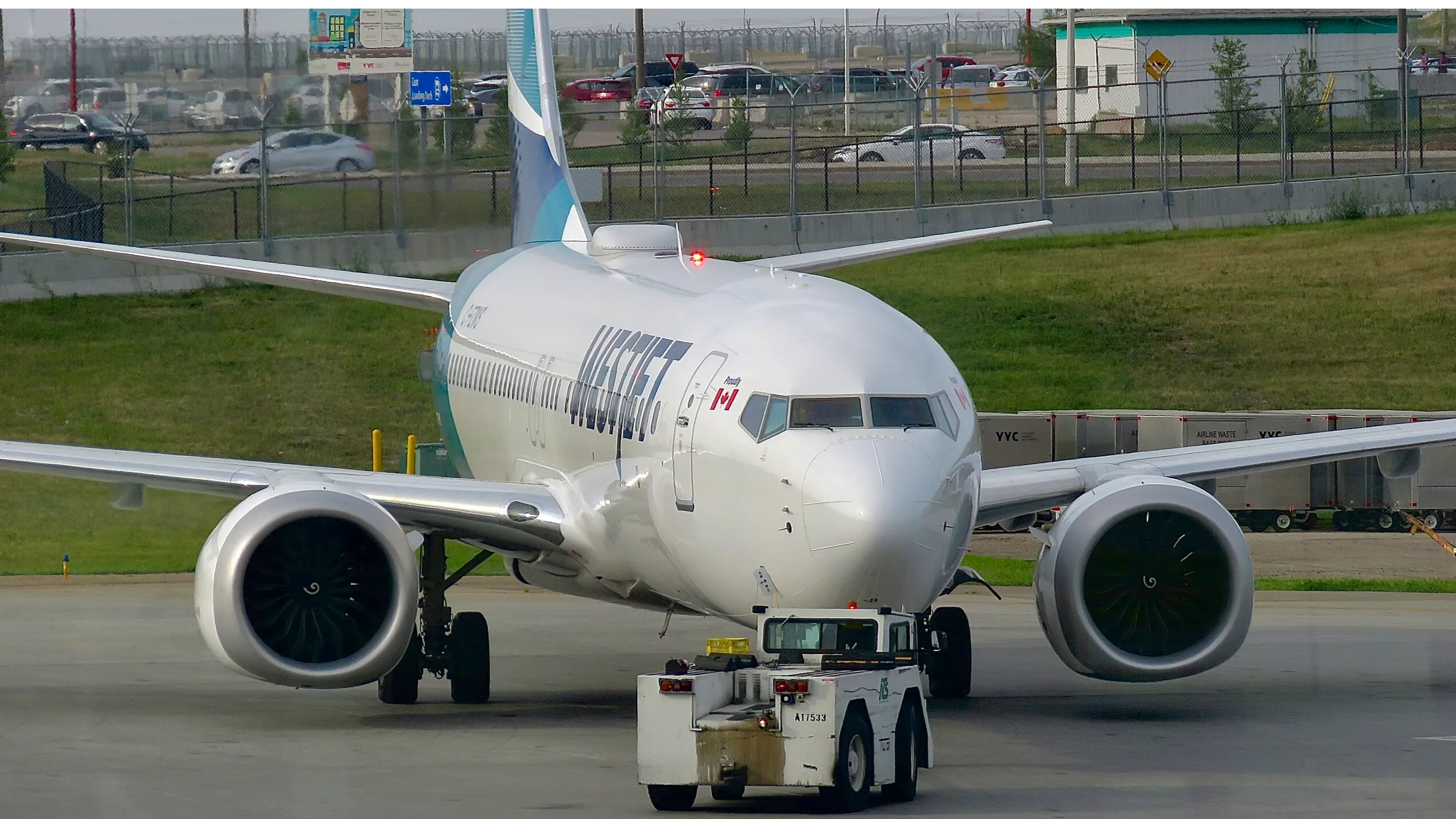
The Boeing 737 MAX, produced at Boeing’s facility in Renton, Washington (USA), entered service with Malindo Air on May 22, 2017. It is the fourth generation of the Boeing 737 and the primary narrow-body offering from Boeing. As of April 2026, Boeing has delivered 2,267 Boeing 737 MAX aircraft and holds orders for 4,852 more, giving it the largest unfilled backlog of any single aircraft family in the world.
Boeing delivered 447 Boeing 737 MAX aircraft in 2025, its highest annual total since 2018. Boeing’s total commercial deliveries of 600 aircraft in 2025 represented its best output in seven years. The Federal Aviation Administration (FAA) approved Boeing to increase its monthly 737 MAX production rate from 38 to 42 aircraft per month in October 2025, following years of production caps imposed after the 2018 and 2019 fatal accidents.
Boeing 737 MAX: Key Technical Features
The 737 MAX family currently consists of four certified variants — the MAX 7, MAX 8, MAX 9, and MAX 10 — though the MAX 7 and MAX 10 are still awaiting FAA type certification as of mid-2026. Key technical specifications include:
- Engines: CFM International LEAP-1B, delivering 14–20% better fuel efficiency than the prior 737 Next Generation
- Winglets: Boeing Advanced Technology (AT) split-tip winglets, reducing drag by approximately 1.8%
- Seating capacity: 138–172 (MAX 7), 162–210 (MAX 8), 178–220 (MAX 9), 188–230 (MAX 10)
- Range: Up to 3,850 nm (MAX 7), 3,550 nm (MAX 8), 3,300 nm (MAX 9), 3,300 nm (MAX 10)
- Flight deck displays: Four 38 cm (15 in) displays, the same format as the Boeing 787 and 777X, offering enhanced situational awareness
- Aft body design: Streamlined aft fuselage delivers up to 1% additional fuel and emissions savings
737 MAX Recovery and Competitive Context
In September 2025, Boeing delivered its 2,000th Boeing 737 MAX to Ryanair, a milestone that marked the type’s broader commercial recovery. The 737 MAX’s order backlog totalled 4,867 aircraft at year-end 2025, equating to over a decade of production at current rates.
In December 2025, Alaska Airlines placed its largest-ever order for 105 Boeing 737-10 aircraft, taking its total 737 MAX order book to 174 aircraft. Boeing CFO Jesus Malave confirmed at a UBS conference in December 2025 that the 42-per-month production rate was “going according to plan” and that delivery increases in 2026 would be “a large driver of positive cash flow” for the company.
The 737 MAX’s primary competitor remains the Airbus A320neo family. In October 2025, the A320 family overtook the 737 as the best-selling commercial jet of all time in cumulative deliveries, ending Boeing’s decades-long lead in this metric.

2. Airbus A320neo Family: The World’s New Best-Selling Commercial Jet
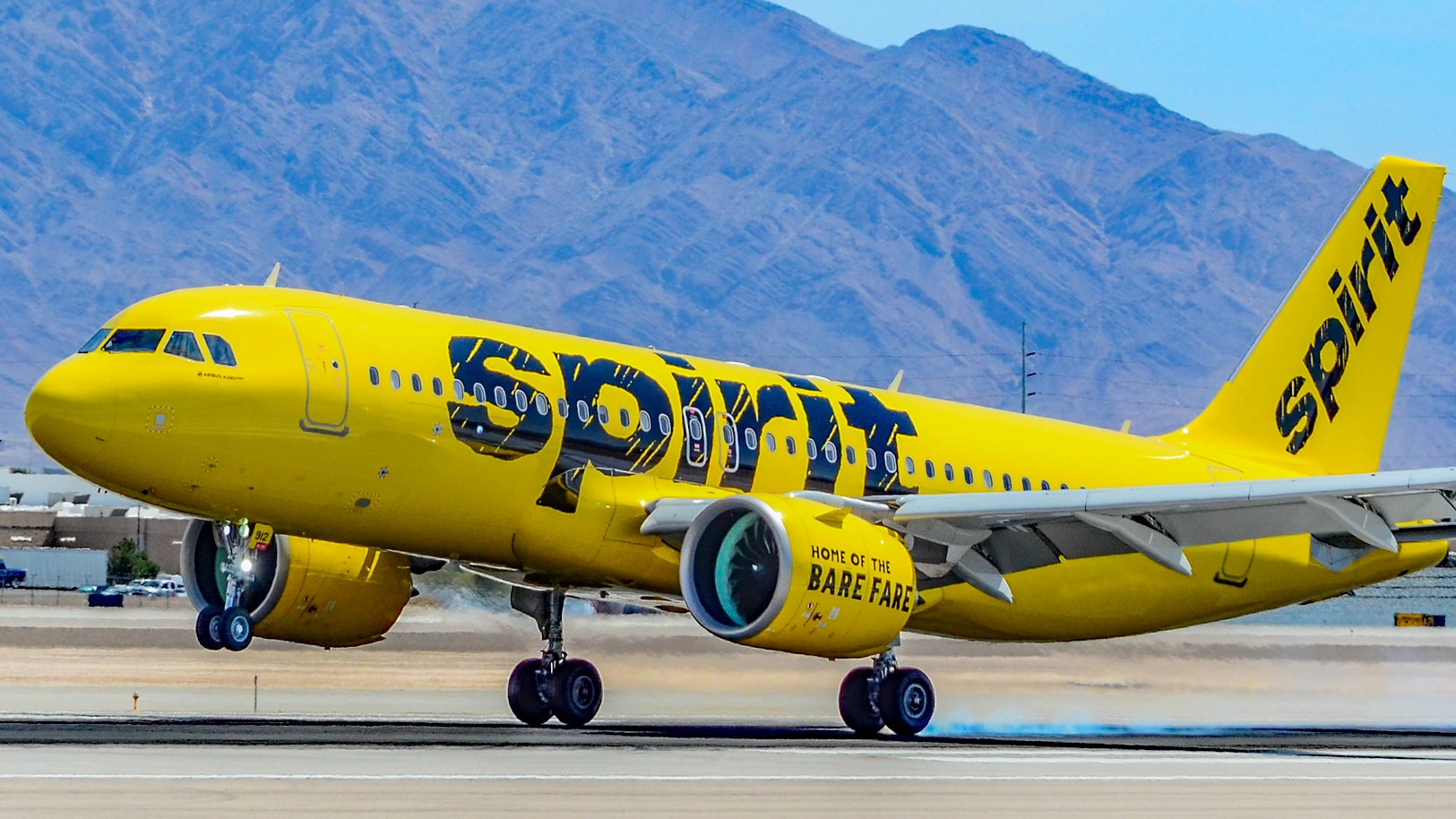
The Airbus A320neo (New Engine Option) family, produced at Airbus facilities in Toulouse (France), Hamburg (Germany), Tianjin (China), and Mobile (Alabama, USA), became the world’s best-selling commercial jet family in October 2025. The A320 family surpassed Boeing’s 737 as the world’s best-selling commercial aircraft, crossing 12,250 cumulative deliveries in just 37 years — a milestone it took Boeing 58 years to reach.
As of November 2025, the A320 family had accumulated 19,472 total firm orders from over 300 customers, including 11,366 for the A320neo sub-family alone. The backlog stood at 7,151 aircraft, with approximately 72 percent of that backlog concentrated in the A321neo variant. Airbus delivered 607 A320neo-family aircraft in full-year 2025, out of a total of 793 commercial aircraft across all programs.
Key Features Of The Airbus A320neo Family
The A320neo family covers three main variants — the A319neo, A320neo, and A321neo — serving narrow-body markets from around 120 to 244 seats. Key technical highlights include:
- Engines: CFM International LEAP-1A or Pratt & Whitney PW1100G (GTF), offering up to 20% better fuel efficiency than the prior-generation A320ceo
- Seating capacity: A319neo (120–160 seats), A320neo (150–194 seats), A321neo (180–244 seats)
- Range: A319neo up to 3,750 nm; A320neo up to 3,400 nm; A321neo up to 4,000 nm (with ACT fuel tanks)
- Sharklet wingtip devices: Reduce fuel burn by approximately 4% versus wingless variants
- Airspace cabin: Wider overhead bins and improved cabin environment
- Operational reliability: 99.7% over the last six months of 2025, according to Airbus
In December 2025, China Aircraft Leasing Group Holdings Limited (CALC) placed a firm order for 30 additional A320neo family aircraft. In the press release, CALC CEO Mike Poon stated: “Our enduring partnership with Airbus has been central to CALC’s growth. This latest order reflects our shared vision for innovation and sustainable aviation.” This brought CALC’s total Airbus orders to 282 aircraft, of which 203 are A320neo family jets.
A320neo Vs. Rivals: How Airbus Outpaced Boeing
Airbus delivered 766 aircraft in 2024, compared with Boeing’s 348, maintaining its fifth consecutive year of delivery dominance. However, Boeing reversed the trend on orders in 2025. Boeing secured 1,173 net orders in 2025 versus Airbus’s 889, ending seven consecutive years of Airbus dominance in order volumes. Despite Boeing’s order recovery, Airbus retained the delivery lead with 793 aircraft against Boeing’s 600 for the full year.
Airbus is targeting production of 75 A320 family aircraft per month by 2027, up from current monthly rates in the low-to-mid 60s. Supply chain constraints linked to Pratt & Whitney’s GTF engine inspections continued to slow some deliveries in 2025, though the situation improved marginally from 2024 levels.

1. Cessna 172 Skyhawk: The Most-Produced Aircraft in History
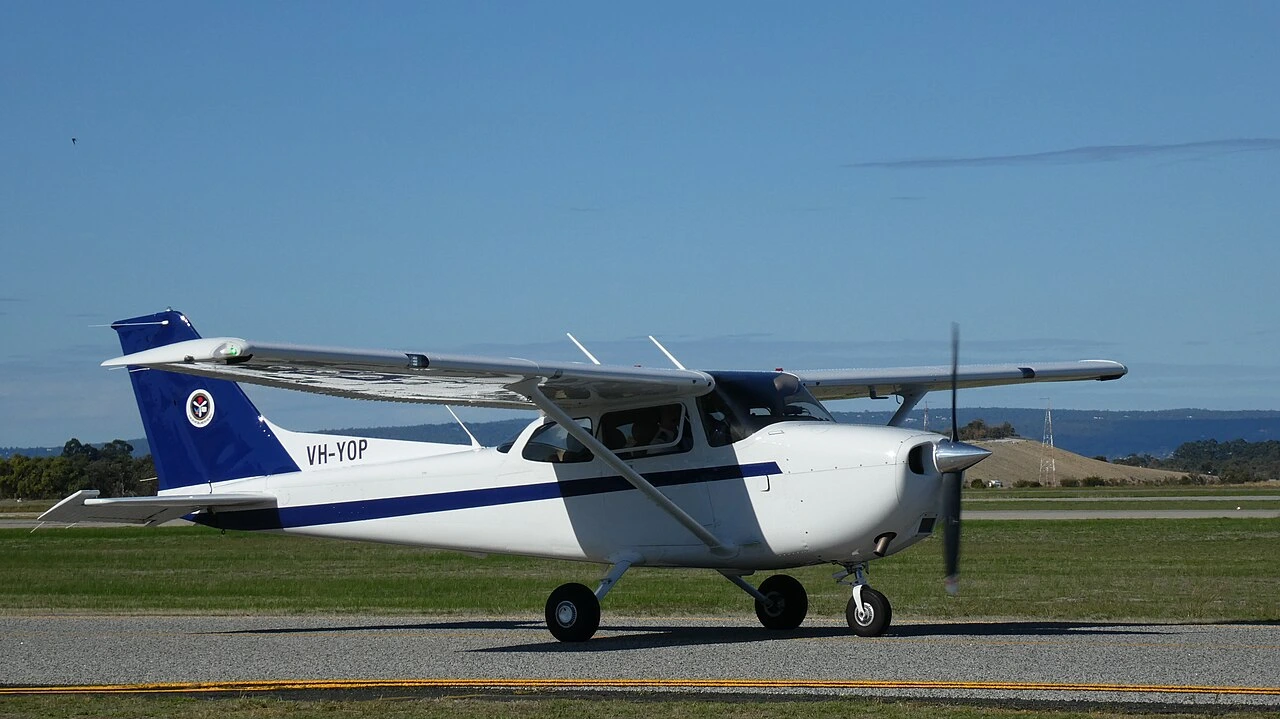
The Cessna 172 Skyhawk, manufactured by Textron Aviation and first flown on June 12, 1955, holds the all-time production record for any civil aircraft. Over 44,000 units have been produced since the first delivery in 1956, making it the most-built civilian aircraft in aviation history. The aircraft is still in active production today as the Cessna 172S Skyhawk SP, the only surviving variant of the original family.
Textron Aviation delivered 191 Cessna 172S Skyhawk SP units in 2025, making it the second best-selling piston aircraft in the world for that year. Textron’s full portfolio of 18 aircraft netted billings of $3.8 billion in 2025, according to the General Aviation Manufacturers Association (GAMA). The Cessna 172’s fatal accident rate is nearly three times lower than the general aviation average in the United States.
Why The Cessna 172 Continues to Dominate Flight Training
The Cessna 172’s enduring dominance in the training market comes from a set of design qualities no competitor has successfully replicated. Key features of the current Cessna 172S include:
- Engine: Fuel-injected Lycoming IO-360-L2A producing 180 horsepower
- Avionics: Garmin G1000 NXi glass cockpit with GFC-700 autopilot
- Configuration: Four-seat, high-wing, fixed-gear
- Cruise speed: Approximately 124 knots (230 km/h)
- Range: Approximately 640 nautical miles (1,185 km)
- Maximum takeoff weight: 1,111 kg (2,450 lb)
The aircraft’s high-wing design enhances stability and visibility, two critical factors in flight training. Its lowest-in-class insurance rates and the most available parts supply chain in general aviation further reduce operating costs for flight schools. In 2025, prices for a well-maintained 172R or early 172S ranged from $120,000 to $180,000, while new models carry a substantially higher price premium.
Production was suspended between 1986 and 1996 due to legal liability concerns in the United States. The General Aviation Revitalization Act of 1994 provided the liability reform Cessna needed, and production resumed in 1997. The Cessna 172S Skyhawk SP was introduced in 1998 with 180 horsepower and is the sole variant manufactured today.
The aircraft’s closest competitors — the Piper PA-28 Cherokee and the Diamond DA-40 — have both been unable to displace the 172 from its commanding lead. The Cessna 172 is also referenced in our roundup of the world’s most-produced aircraft, which notes that Cessna 172 achieved over 44,000 units in production in its first five years alone, a feat without precedent in civil aviation.

What These Five Aircraft Tell Us About Aviation’s Future
Each of the five aircraft in this list has succeeded for different reasons. The Cessna 172 endures because no trainer has matched its combination of safety, simplicity, and cost. The Airbus A320neo leads commercial aviation because it reached the right size, range, and efficiency at the right time. The Boeing 737 MAX holds the world’s deepest single-program backlog despite years of crisis. The Boeing 787 Dreamliner opened routes no prior aircraft could serve and continues to set records for orders. And the Embraer E-Jet holds an unchallenged position in markets too small for Airbus or Boeing to address profitably.
Together, these five programs account for tens of thousands of orders, hundreds of billions of dollars in backlog value, and the majority of active aircraft production lines globally. Their continued success reflects the fundamentals of aviation: range, efficiency, reliability, and the economics of passenger seat-miles.