Two new aviation companies in Nepal — Sagarmatha Air and Danphe Airlines — have received No Objection Certificates (NOCs) from the Civil Aviation Authority of Nepal (CAAN) and are actively acquiring aircraft to commence operations, according to Clickmandu. Both operators had previously secured operating approval from the Ministry of Culture, Tourism and Civil Aviation (MoCTCA) before submitting applications to CAAN for formal flight operation permits. The development introduces two new entrants into Nepal’s domestic aviation market at a time when Buddha Air (U4), Yeti Airlines (YT), and Shree Airlines (N9) currently control more than 93 percent of the market.
The two newcomers are pursuing sharply different operational strategies. Sagarmatha Air is entering the rotary-wing sector with an initial single-helicopter acquisition, while Danphe Airlines is targeting Nepal’s scheduled fixed-wing trunk routes. Both companies are completing their respective aircraft purchases, though formal Air Operator Certificate (AOC) issuances from CAAN remain pending as of the time of this report.
Sagarmatha Air is Built on a Second-Hand AS350 B3
Sagarmatha Air is preparing to launch helicopter operations by acquiring an Airbus AS350 B3, a helicopter type that was able to reach the top of Everest. The helicopter that is to be used by Sagarmatha Air was previously operated by Mountain Helicopters, a Kathmandu-based rotary-wing carrier.
Clickmandu’s report states that Mountain Helicopters General Manager DB Oli confirmed the sale and said ownership transfer has already been completed. CAAN sources, however, noted that Sagarmatha Air must still formally submit documentation related to the transfer of ownership and operational certification before flying.
The company is being promoted by a group led by Janak Thapa and Ishwar Lamichhane. Nepal News’ helicopter industry report previously identified Sagarmatha Air as a recently registered company that has secured an investment of NPR 840 million and is working toward obtaining its AOC from CAAN. CAAN regulations require new entrants to bring their aircraft into operation within one year of receiving import approval — a deadline that now sets Sagarmatha’s operational clock.
The AS350 B3 (also marketed as the Airbus H125) is the predominant rotary-wing platform in Nepal’s helicopter sector, operated by companies including Air Dynasty, Simrik Air, and Manang Air. Sagarmatha Air’s entry into this competitive niche will require differentiation beyond the aircraft itself, given the density of established operators already flying the same type.
Danphe Airlines is Born out of the Ashes of Guna Airlines
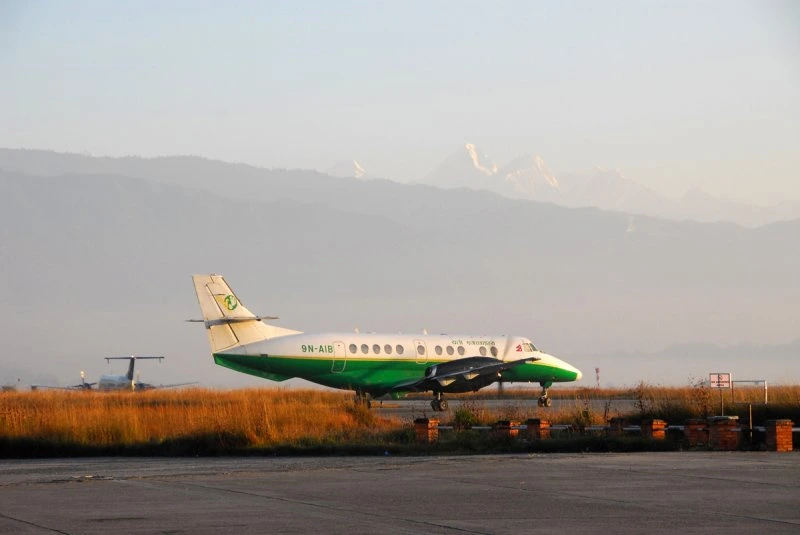
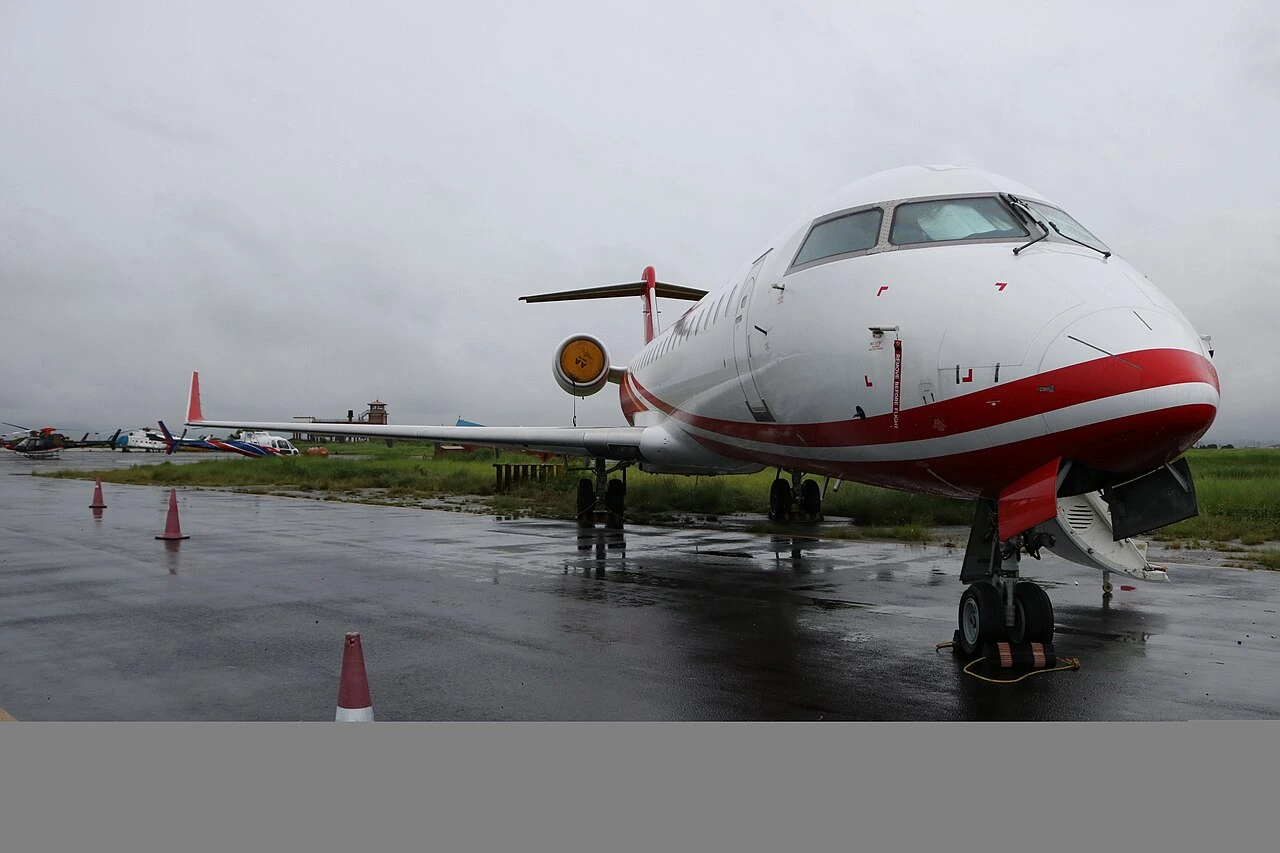
Danphe Airlines is navigating a more complex acquisition path. Clickmandu reported that Danphe is negotiating the purchase of three BAe Jetstream 41 aircraft from Guna Airlines (RMK), whose entire fleet has remained grounded since February 2023 following CAAN’s intervention over unpaid employee salaries and failed financial audits.
A senior Guna official told Clickmandu that the deal for three of the five Jetstreams is close to a final agreement, with Danphe currently completing banking and financial procedures before formally transferring ownership.
The Jetstreams themselves carry a traceable provenance: Guna Group’s own historical records confirm they were originally acquired from Yeti Airlines in 2020, when Yeti phased the type out in favour of the more economical ATR 72. Ch-aviation separately reported that CAAN denied Guna Airlines’ AOC reinstatement request in May 2024, with the regulator’s spokesperson stating the airline would not recover its certificate while salary arrears remained outstanding. Grokipedia’s detailed Guna Airlines profile notes the AOC remains inactive as of November 2025, with the airline’s request for reinstatement stalled pending clearance of outstanding debts.
Danphe Airlines is being promoted by a group that includes several former Guna Airlines executives and long-time Nepali aviation sector figures. This institutional background may accelerate operational knowledge transfer, but it also raises regulatory scrutiny questions about continuity of leadership between a grounded carrier and its prospective aircraft buyer.
Danphe Envisions Nepal’s Market with ATRs
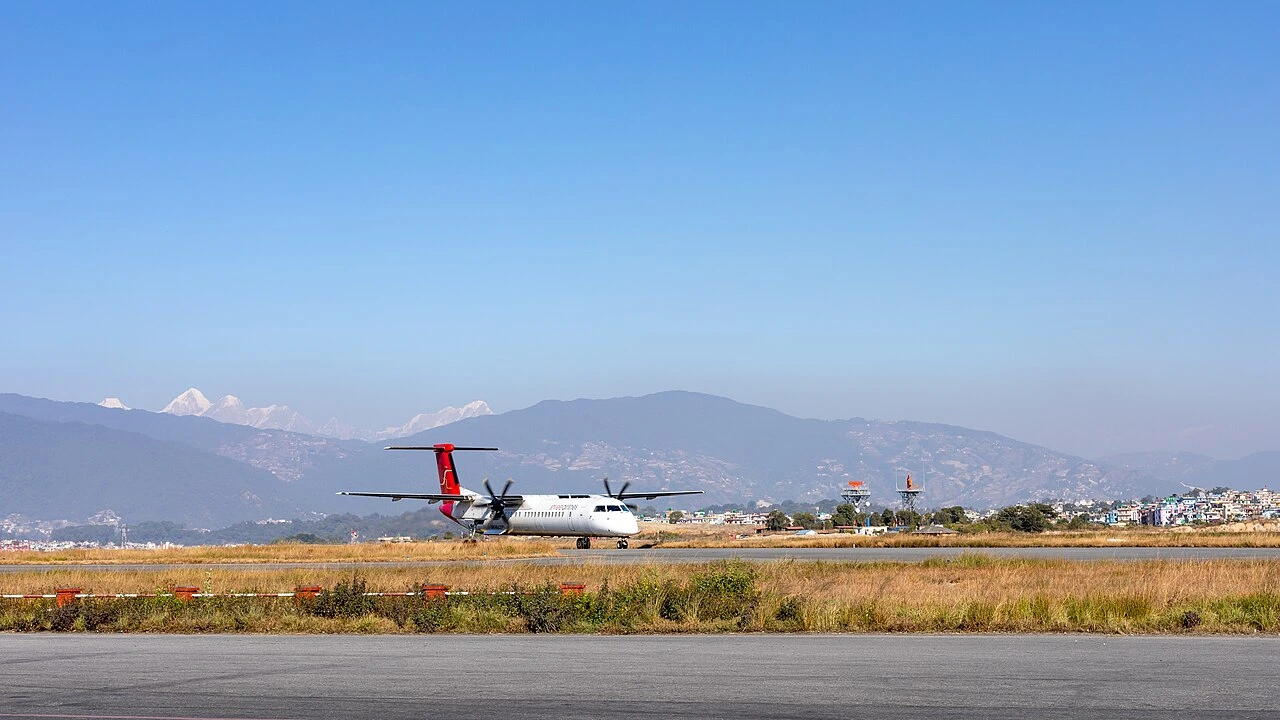
The Jetstream acquisition is only an interim step in Danphe’s stated growth plan. The airline has outlined a target of seven ATR aircraft and an additional three Jetstream aircraft within three years, with ATR operations as the primary strategic focus. A senior Danphe official confirmed to Clickmandu that the Jetstreams are intended for regional routes, while the airline’s core commercial ambitions remain centred on the ATR type, which dominates Nepal’s trunk route market. Note that ATR was the aircraft type that was crashed in Yeti Airlines 691 fatal crash in Pokhara.
This mirrors the trajectory of Danfé Airlines, which Tourism Info Nepal reported received its own NOC in early 2026 and plans to invest NPR 4 billion in three ATR 72-600 aircraft, each priced above USD 11 million on the global market. Danfé is built on the rebranded foundation of Makalu Air, acquired in 2023.
The near-simultaneous market entries of both Danphe and Danfé — spelling variants notwithstanding — suggest a congestion of capital and ambition in Nepal’s sub-scale trunk route market that has historically struggled to sustain more than three or four viable fixed-wing carriers simultaneously.
Airline History’s Danfé profile confirms the carrier targets a commercial launch from Dashain 2083 (October 2026) with a Pokhara operational base, competing directly on routes to Biratnagar, Bhadrapur, Bhairahawa, Nepalgunj, and Janakpur — routes already served by Buddha Air, Yeti Airlines, and Shree Airlines.
Nepal’s New Entrants Vs. Already Existing Players
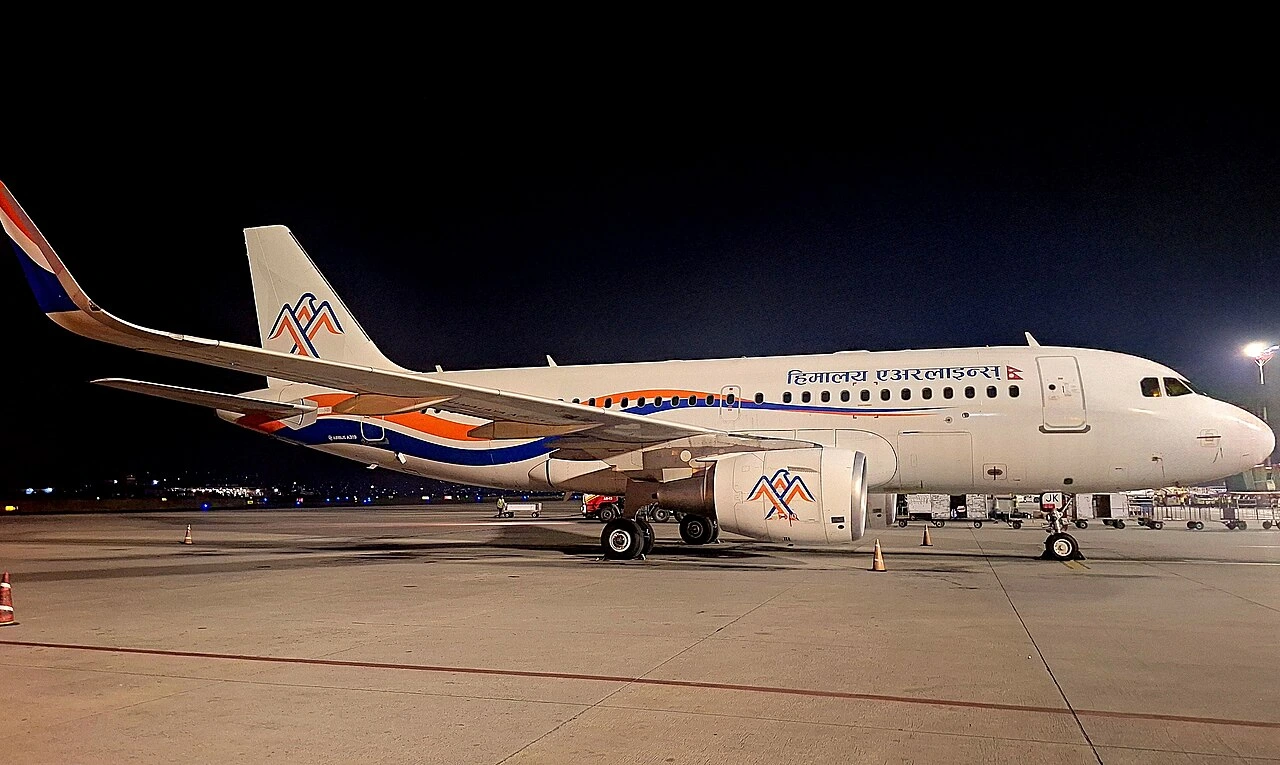
Nepal’s domestic aviation market offers a complex backdrop for new entrants. Buddha Air currently holds approximately 60 percent of domestic market share with NPR 13.22 billion in 2024 operating revenue and a fleet of 18 aircraft.
Yeti Airlines’ operational revenue reached NPR 4.25 billion in FY 2023/24 after a post-crash recovery, and also has entered Nepal’s stock market, the first aviation company in Nepal to do so.
Shree Airlines — identified by Simple Flying as the third-largest carrier by passengers — operates a mixed fleet of CRJ jets and Mi-17 helicopters. Fiscal Nepal’s combined revenue report places the three incumbents’ collective annual business at over NPR 21.55 billion.
The concentration of demand on a handful of routes compounds the challenge for new entrants. Lagani News reported that 47 percent of Yeti Airlines’ own revenue derives from just the Kathmandu–Pokhara (KTM–PKH) and Biratnagar corridors — routes that Danphe and Danfé both intend to serve.
Both Saurya Airlines, resuming after an 18-month post-crash suspension, and Nepal Airlines Corporation (NAC), which reported a 12 percent revenue rise on the back of a 23 percent passenger surge, are also competing for the same limited trunk route traffic.
Nepal’s 21 airports still sit idle and this piece of information, on its own, might underline the structural fragility that new operators must navigate.
NOC To AOC Might Take Time
Receiving an NOC from CAAN is a necessary but decidedly insufficient condition for flight operations. Both Sagarmatha Air and Danphe Airlines still require full AOC certification before any commercial flight can legally depart.
Danphe’s acquisition of aircraft from a carrier whose own AOC was denied by CAAN as recently as May 2024 will likely attract close regulatory scrutiny, particularly given the shared executive lineage. My Republica reported that CAAN previously blocked Guna Airlines from selling its Jetstream fleet while outstanding dues to the regulator remained unpaid — raising the specific question of whether those encumbrances have been formally cleared before Danphe can take legal title to the aircraft.
Both companies must also confirm airworthiness of their respective aircraft through independent maintenance inspections before commencing operations.



_Taking_off_from_Tribhuvan_International_Airport_(TIA)-070A2292.jpg)

