The Lufthansa Group announced on 13 May 2026 that it will gradually restore passenger and cargo services to Ben Gurion International Airport (TLV), Tel Aviv, Israel — flights that have remained suspended since the group grounded its Israel operations on 28 February 2026, following joint United States and Israeli military strikes on Iran that triggered widespread airspace closures across the Middle East.
The group stated that the decision follows a comprehensive safety and security assessment, with Austrian Airlines (OS) set to be the first carrier to restart operations, effective 1 June 2026. Lufthansa (LH) itself and Swiss International Air Lines (LX) plan to resume their own flights on 1 July, with leisure unit Eurowings (EW) expected to return to TLV in mid-July. The decision coincides with a concurrent announcement from Hungarian low-cost carrier Wizz Air (W6), which confirmed it will restart flights to TLV from 28 May 2026 — becoming the first major European carrier to physically return to Ben Gurion Airport (TLV) since the suspension began.
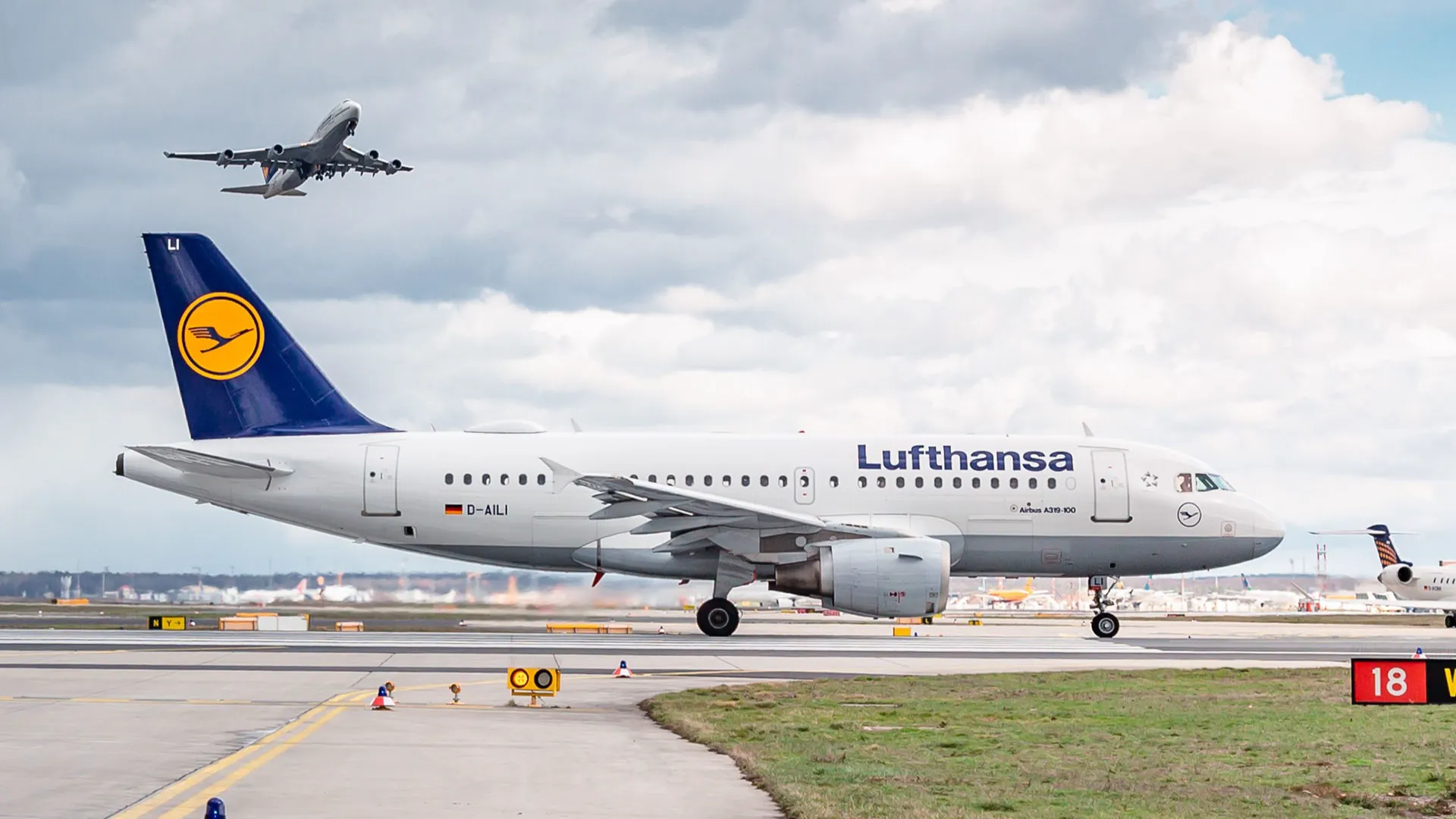
Schedule of All Carriers Across the Lufthansa Group
The Lufthansa Group’s return to Tel Aviv is deliberately sequenced, with each sub-brand assigned a distinct restart date reflecting both operational readiness and a graduated approach to reintroducing risk into the network. The official schedule, as confirmed on Lufthansa’s own Current Information page, is as follows:
| Airline | Planned Tel Aviv Operations Resumption | Notes |
|---|---|---|
| Austrian Airlines | 1 June 2026 | First Lufthansa Group carrier scheduled to resume Tel Aviv flights |
| SWISS | 1 July 2026 (planned) | Resumption subject to operational conditions |
| Lufthansa | 1 July 2026 (planned) | Flights expected to restart alongside SWISS |
| Brussels Airlines | Operations suspended until 24 October 2026 | No earlier restart date announced |
Separately, Lufthansa and Swiss will continue to suspend flights to and from Dubai International Airport (DXB) for operational reasons until and including 13 September 2026, with affected passengers being contacted directly and offered flexible rebooking options or a full refund. The following table gives us a cue of other airlines’ flight suspensions:
| Destination | Flights Suspended Through | Affected Airlines |
|---|---|---|
| Abu Dhabi | 24 October 2026 | Lufthansa, SWISS, Austrian Airlines, Brussels Airlines |
| Amman | 24 October 2026 | Lufthansa, SWISS, Austrian Airlines, Brussels Airlines |
| Beirut | 24 October 2026 | Lufthansa, SWISS, Austrian Airlines, Brussels Airlines |
| Dammam | 24 October 2026 | Lufthansa, SWISS, Austrian Airlines, Brussels Airlines |
| Riyadh | 24 October 2026 | Lufthansa, SWISS, Austrian Airlines, Brussels Airlines |
| Erbil | 24 October 2026 | Lufthansa, SWISS, Austrian Airlines, Brussels Airlines |
| Muscat | 24 October 2026 | Lufthansa, SWISS, Austrian Airlines, Brussels Airlines |
| Tehran | 24 October 2026 | Lufthansa, SWISS, Austrian Airlines, Brussels Airlines |

EASA’s Softened Advisory Paved the way for Lufthansa’s Return
The Lufthansa Group’s announcement on 13 May came directly on the heels of a pivotal regulatory update. European Union Aviation Safety Agency (EASA) extended its Conflict Zone Information Bulletin (CZIB) for airspace across the Middle East and Persian Gulf covering Iran, Iraq, Lebanon, Israel, Jordan, Bahrain, Kuwait, Qatar, Oman, the UAE, and Saudi Arabia until 27 May 2026. What distinguished this update, however, was the agency’s markedly altered posture toward Israeli airspace specifically.
While previous EASA communications had urged airlines to completely avoid the region, the revised bulletin shifts toward a strategy of heightened vigilance. Carriers are now advised to exercise caution and take potential risks into account when operating within the airspace of Bahrain, Kuwait, Israel, Jordan, Qatar, Oman, the UAE, and Saudi Arabia.
EASA still maintains an outright prohibition on operations within Iranian, Iraqi, and Lebanese airspace at all altitudes. In its latest assessment, the agency acknowledged the reduction in conflict intensity but issued an explicit caveat, warning:
“While the overall level of risk has decreased in the region, the sustainability of the ceasefire remains uncertain in the longer term, with a possibility of rapid escalation. Therefore, close monitoring and up-to-date risk assessments remain essential to ensure safety of flights. Should the existing truce break down, the airspaces covered by this Bulletin are likely to be exposed to imminent threats.”
FlightGlobal reports that Lufthansa cited the decision to resume routes as following a comprehensive safety and security assessment, while Wizz Air indicated its move follows the latest update from EASA as well as the carrier’s ongoing coordination with international and local authorities. Crucially, both announcements came within 24 hours of EASA’s latest bulletin.

The Conflict That Grounded Lufthansa from Tel Aviv
On 28 February 2026, the United States and Israel conducted military strikes targeting sites within Iranian territory; Iran responded with retaliatory attacks, creating high risks not only to Iranian airspace but also to that of neighbouring states hosting US military bases or otherwise affected by hostilities and military interceptions. Ben Gurion Airport (TLV) effectively closed to most foreign airlines almost immediately, with Israeli carriers El Al, Arkia, and Israir continuing to operate reduced schedules.
A temporary ceasefire between the United States and Iran, announced on 8 April 2026 and subsequently extended on 21 April 2026, is currently holding, and the situation has moved from an active and intense conflict with a high number of kinetic events to a state of heightened tension, with limited and sporadic incidents.
Ben Gurion Airport formally reopened to foreign carriers on 9 April 2026. Despite this, the Lufthansa Group — along with most major European and North American carriers — opted to maintain its suspension rather than immediately return, citing continuing uncertainty and the European Union Aviation Safety Agency’s (EASA) ongoing conflict zone advisory for the region.
Flight operations to Tel Aviv were initially halted on 28 February, when Israel closed its airspace following the joint US-Israel strike on Iranian targets that triggered heightened regional tensions, and the cancellations eliminated over 50 weekly frequencies across the Lufthansa Group’s network alone. The group had extended its suspension multiple times since — first to 2 April, then through June — each time citing the EASA advisory and evolving security conditions as the principal basis for its caution.

Wizz Air Returns to Tel Aviv on May 28
Concurrent with the Lufthansa Group’s disclosure, Hungarian ultra-low-cost carrier Wizz Air made its own return announcement on 13 May 2026. Wizz Air Chief Commercial Officer Ian Malin stated (and was quoted in The Times of Israel as having said):
“As Europe’s reliable airline and Israel’s number one low-cost airline, we are thrilled to confirm our return to Tel Aviv. The safety and security of our passengers and crew remain our top priority, and we have taken a cautious and measured approach to this decision.”
Wizz Air’s initial routes will include flights from London, Budapest, Larnaca (Cyprus), Bucharest, Rome, Milan, and Warsaw, with fares already available on the Wizz Air platform.
The carrier had previously planned earlier restarts but extended suspensions on multiple occasions as the EASA advisory held firm.
The war with Iran had also set back plans by Wizz Air to establish an operational aviation hub in Israel as early as April 2026, a project that had involved discussions with the Israeli Transport Ministry over an approximately $1 billion investment, the stationing of 10 aircraft in Israel, and the addition of around 50 new routes.

A Fragmented European and North American Return to Tel Aviv
The landscape of airline resumptions at Ben Gurion Airport remains strikingly uneven, illuminating the divergent risk appetites across international carriers. Airlines that have already resumed operations at Ben Gurion Airport include Cyprus Airways, Blue Bird Airways, Sky Express, Tus Airways, Etihad Airways (EY), flydubai (FZ), Ethiopian Airlines, Red Wings, Aegean Airlines (A3), Smartwings, Azerbaijan Airlines, Georgian Airways, Tarom, FlyOne, SkyUp, and Air Seychelles.
Among carriers that have not yet returned, the picture is considerably more cautious:

What This Means for Israel’s Aviation Connectivity
Israel’s aviation sector has operated far below normal capacity since late February 2026, with Ben Gurion Airport largely dependent on Israeli carriers during the suspension period. El Al stated during the suspension that it was running around a fifth of its usual flight schedule, with capacity only gradually increasing. The return of Lufthansa Group carriers represents a meaningful step toward normalisation, even if full pre-conflict connectivity from European and North American hubs remains months away.
Globes, the Israeli business publication, noted that from past experience during periods of security tension in Israel, the return of the Lufthansa Group has often been seen as a positive signal to the market, with other European carriers gradually following suit and adjusting their risk assessments accordingly.
Whether Air France, British Airways, easyJet, and the major US carriers accelerate their own return timelines in response to the Lufthansa Group’s move will be a key indicator of broader market confidence in the coming weeks.