Nepal convened its inaugural induction workshop on Flight Data Monitoring (FDM) on Thursday at the Institute of Engineering (IOE), Pulchowk Campus in Lalitpur. The programme, titled “Flight Data Monitoring and Analysis Programme Implementation for Flight Safety,” was organised by the Ministry of Culture, Tourism and Civil Aviation (MoCTCA), Civil Aviation Division, bringing together regulators, academics, and airline technical experts to strengthen data-led aviation safety frameworks in the country.
The initiative marks Nepal’s first structured attempt to institutionalise FDM systems across its aviation ecosystem, with an emphasis on proactive risk identification and operational oversight, The Kathmandu Post reported. The workshop aligns with global aviation safety practices and seeks to elevate standards across carriers operating into and within Tribhuvan International Airport (KTM), Kathmandu, and comes in a string of positive developments of aviation in Nepal where a few weeks ago the country passed a decree for breastfeeding rooms in Nepalese airports.
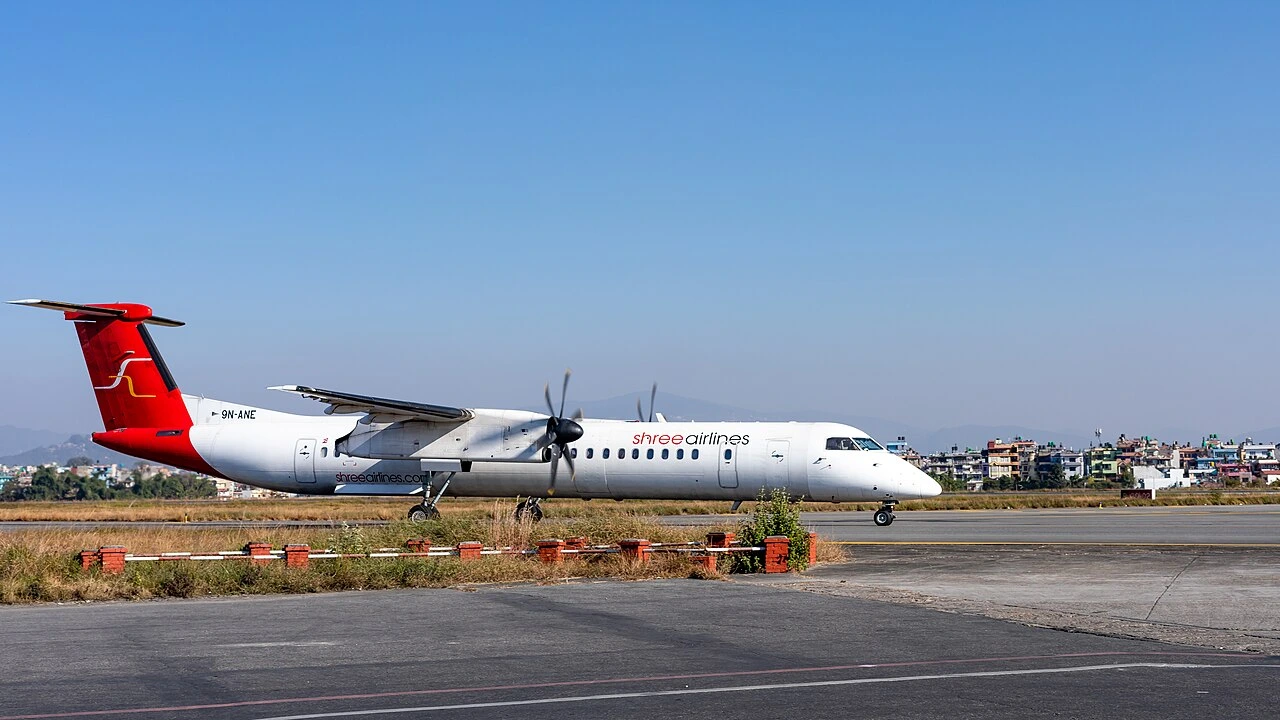
Nepal Advances Data-driven Aviation Safety Framework Through First FDM Workshop
The Ministry of Culture, Tourism and Civil Aviation (MoCTCA) inaugurated the workshop through Joint Secretary Mukesh Dangol, followed by Secretary Mukunda Prasad Niraula, who reaffirmed Nepal’s commitment to modernizing aviation oversight through evidence-based safety systems. The ministry framed FDM adoption as a strategic shift from reactive incident management to predictive risk mitigation.
The programme brought together senior officials and technical experts at IOE Pulchowk, where structured sessions explored:
- regulatory requirements
- system architecture
- data interpretation methodologies
The engagement reflected Nepal’s broader alignment with International Civil Aviation Organization (ICAO) safety expectations.
IOE Pulchowk Strengthens Academic–Industry Collaboration on FDM systems
Technical sessions were led by Sudip Bhattarai, Head of the Department of Mechanical and Aerospace Engineering at IOE Pulchowk, who outlined the fundamentals of Flight Data Monitoring systems and their integration into airline safety management frameworks. He also detailed the regulatory and engineering architecture required for scalable implementation in Nepal’s aviation sector.
Bhattarai emphasised that FDM relies on systematic analysis of recorded flight parameters to detect anomalies before they escalate into operational risks. [According to Skybrary, Operational Flight Data Monitoring (OFDM) is “the pro-active use of recorded flight data from routine operations to improve aviation safety“.] The approach, widely adopted in global aviation ecosystems, enables continuous performance benchmarking across fleets and operators.
Some of the ways in which FDM improves flight safety include:
- Serving as a proactive hazard identification tool, enabling airlines to detect risks before they escalate into incidents.
- Accident and incident prevention is significantly enhanced through the availability of detailed operational data, which also helps reduce material losses, lower insurance exposure, and sustain passenger confidence.
- Operational insight improves markedly, as FDM data supports the identification of risk patterns and enables targeted refinements in pilot training programmes.
- Fuel efficiency gains are achieved by analysing consumption trends, allowing airlines to adjust operational procedures or address aircraft exhibiting unusually high fuel burn rates.
- Maintenance efficiency improves as FDM data helps reduce unscheduled repairs, thereby lowering maintenance costs and increasing aircraft availability.
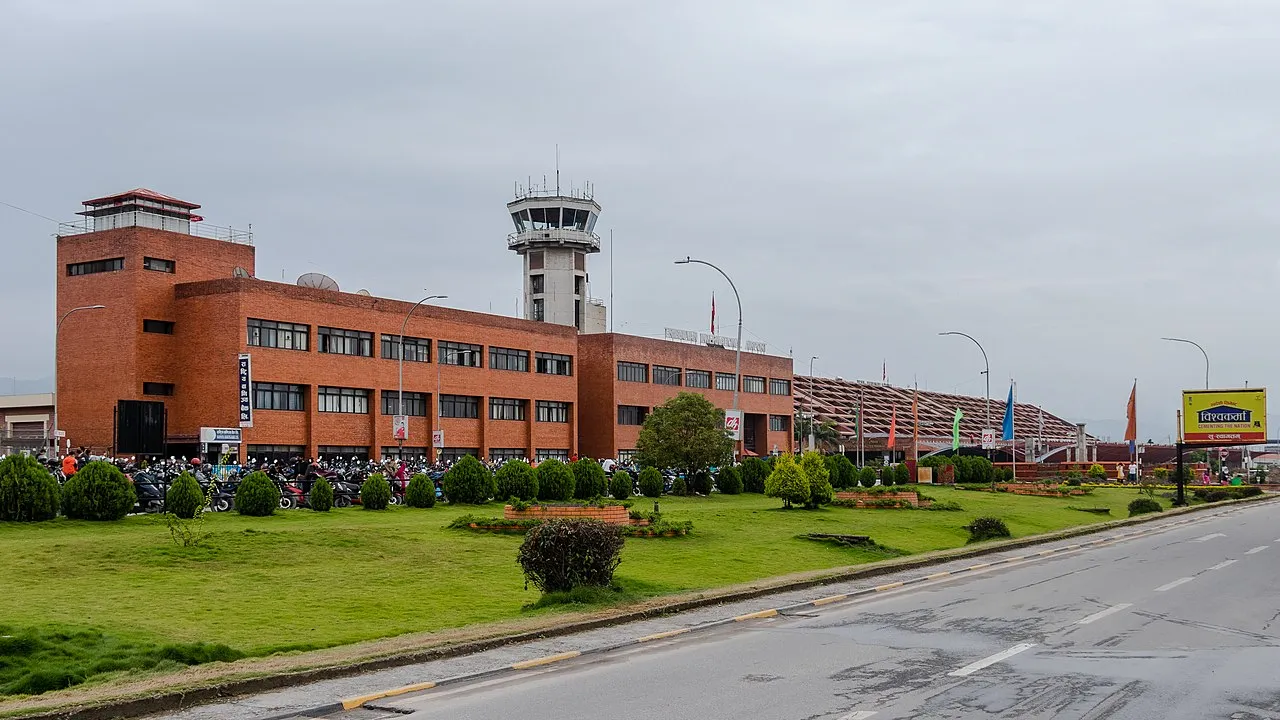
Himalaya Airlines presents HIM FDM Framework and Operational Case Study
Himalaya Airlines (H9), a Nepal–China joint venture carrier operating from Tribhuvan International Airport (TIA), presented its internal “HIM FDM Framework” during the workshop. The carrier is regarded as one of the safest and the best in Nepal.
The presentation was delivered by Sangam Adhikari and Satish Bikram Shahi, who outlined how the airline integrates flight data analytics into daily operational safety monitoring.
The airline highlighted its use of trend monitoring, hazard identification, and structured risk assessment processes supported by specialised FDM software. It also referenced participation in global benchmarking practices, including alignment with International Air Transport Association (IATA) Flight Data Exchange (FDX) principles.
The Flight Data Exchange (FDX) is a global, aggregated, and fully de-identified analytical system that consolidates Flight Data Analysis (FDA), Flight Data Monitoring (FDM), and Flight Operations Quality Assurance (FOQA) outputs from participating airlines. It processes raw operational flight data against a standardised set of safety event definitions and converts it into structured intelligence for industry-wide comparison.
The platform displays results only when a minimum of three operators of the same aircraft type are active at a given airfield, ensuring strict anonymisation and statistical integrity. Users can interact with the system through a secure web interface that enables querying of over 50 operational parameters, alongside reporting tools designed for safety oversight and trend analysis.
Operational Scope and User Applications of FDX
| area | practical application |
|---|---|
| safety surveillance | Identifies previously undetected operational hazards across fleets and regions |
| route evaluation | Assesses risk profiles of new or less frequently operated airports before deployment |
| training enhancement | Uses reconstructed flight data to support simulator-based scenario training |
| industry comparison | Enables airlines to evaluate performance against aggregated global datasets |
| trend awareness | Highlights recurring safety patterns across different geographies and aircraft types |
Data: ICAO
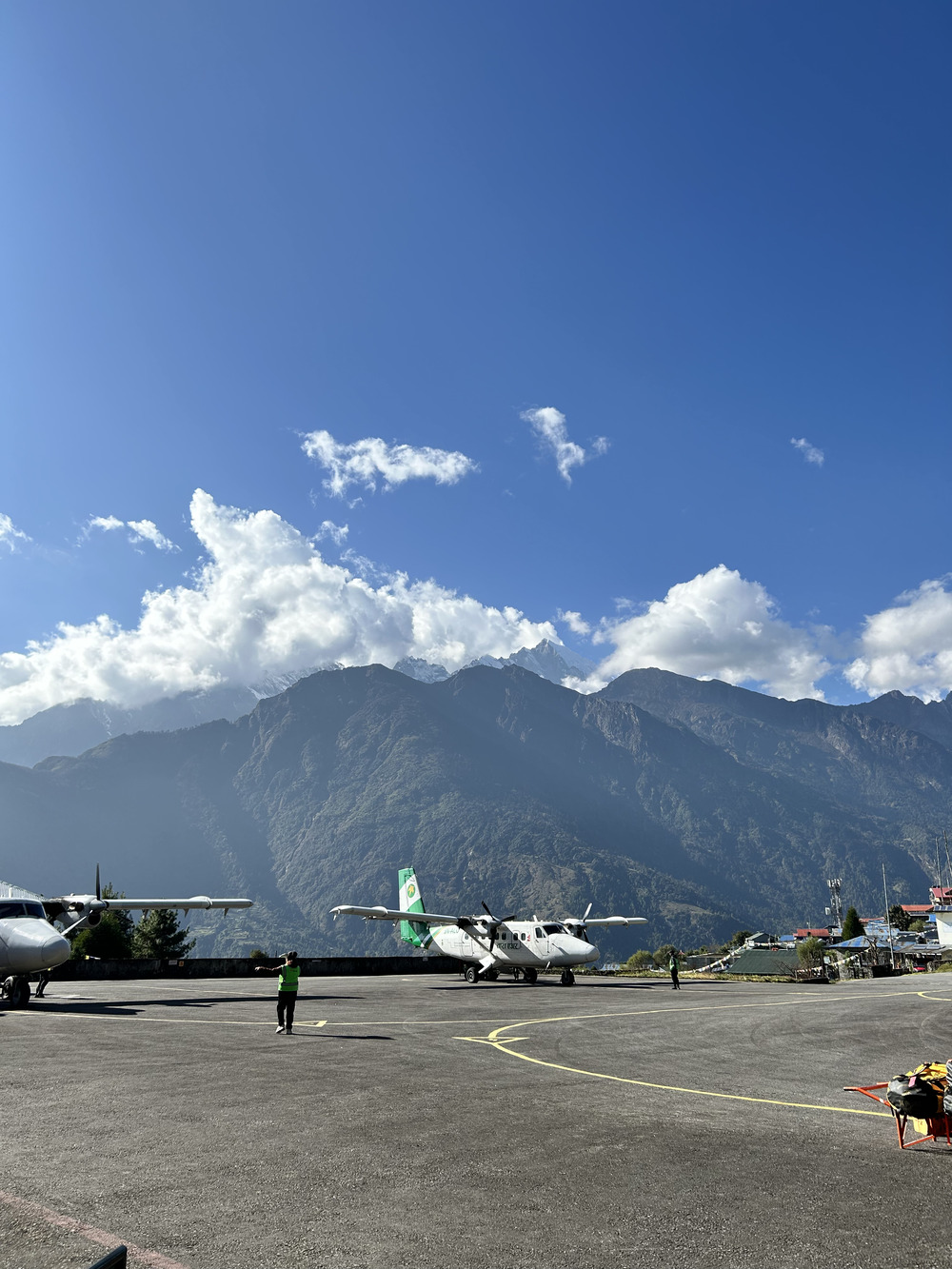
Photo: Karan Bhatta | aviospace.org
All in All
Authorities view the workshop as a foundational step toward embedding predictive safety culture within Nepal’s aviation governance structure.
By leveraging academic expertise from IOE Pulchowk and operational insights from airlines, the initiative aims to create a unified safety intelligence ecosystem.
The long-term objective remains reducing incident rates and improving compliance with international safety benchmarks at airports such as Tribhuvan International Airport (TIA), Kathmandu, as FDM plethora of other benefits:
- Air traffic control and airport operations can also benefit, as airlines may use FDM-derived insights to advocate procedural or infrastructural improvements at specific airports.
- Communication efficiency is enhanced through reduced reliance on ACARS messages, since non-critical operational reports can be captured and transmitted via FDM systems instead.
- Flight data monitoring reduces dependence on traditional flight data recorders by enabling near real-time transmission and analysis of flight parameters over digital networks.
- Regulatory compliance is strengthened, particularly in relation to noise restrictions, as FDM systems allow airlines to verify adherence and defend against potential infringement penalties.
- Monitoring of crew exposure to cosmic radiation is improved through continuous tracking enabled by FDM systems, supporting better occupational safety management for flight crews.


_Taking_off_from_Tribhuvan_International_Airport_(TIA)-070A2297.jpg)

