Etihad Airways (EY) has terminated approximately 15 Pakistani employees and instructed them to leave the United Arab Emirates within 48 hours, Money Control reported. The incident is said to involve staff based in Abu Dhabi and has drawn attention due to its abrupt nature and alleged procedural irregularities.
The development has sparked scrutiny across aviation and diplomatic reporting circles, with some publications framing it as part of broader sensitivities in UAE–Pakistan relations. However, as of now, no comprehensive public statement from Etihad or UAE authorities has formally clarified the circumstances behind the reported dismissals.
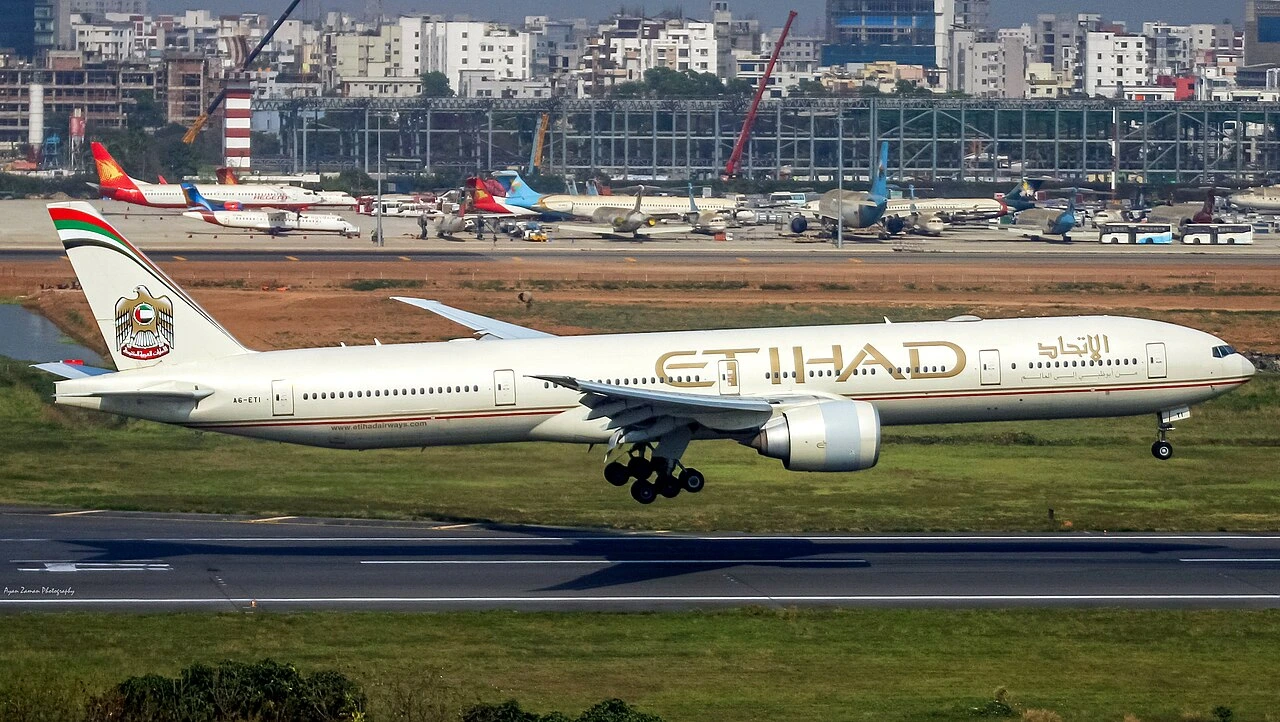
Reported Termination of Pakistani Staff at Etihad Airways
The affected employees were allegedly summoned through immigration channels in Abu Dhabi before being issued termination notices. The reports state that the process deviated from conventional corporate human resource procedures typically associated with airline workforce restructuring.
News9 further reports that several of the employees had long service histories, in some cases almost two decades. The reports also claim that the individuals were instructed to exit the country within a 48-hour timeframe, although this detail remains unverified through official airline communication.
LiveIndia similarly reports that the dismissals were abrupt, though it also acknowledges that the information is primarily based on secondary and early-stage reporting rather than confirmed institutional statements:
“The UAE is home to over 1.7 million Pakistanis, whose remittances are a vital lifeline for the Pakistani economy. The summary termination of veteran workers at a state-owned entity like Etihad Airways is being viewed as a significant signal to Islamabad. As of now, neither the UAE Ministry of Human Resources nor the Pakistani Embassy in Abu Dhabi has issued a formal statement, but the incident has sparked widespread anxiety among the Pakistani workforce in the Gulf regarding job security and visa stability in the current political climate.”

Alleged 48-hour exit order and immigration involvement
A recurring detail across multiple reports is the alleged involvement of immigration authorities during the termination process. Employees were reportedly directed to immigration offices where the termination notices were issued.
The reported 48-hour exit requirement has been highlighted as the most controversial aspect of the case. However, none of the cited sources provide an official confirmation from either Etihad Airways or UAE government entities validating the procedural specifics.
Moneycontrol notes that the situation has been interpreted by some observers as indicative of stricter administrative posture, though it stops short of confirming any policy shift.

Aviation Workforce and Diplomatic Interpretation
Pakistan Observer placed the reported dismissals within the broader UAE–Pakistan relationship, prompting speculation over whether they reflected diplomatic sensitivities or routine restructuring. However, Pakistani policy expert Ali K. Chishti dismissed claims that nationality was a factor, suggesting the terminations were more likely linked to workforce restructuring amid changing conditions in the aviation and tourism sectors.
The publication also noted that there is no definitive evidence connecting the dismissals to geopolitical considerations, making it difficult to establish whether the reported terminations were politically motivated or part of a wider staffing adjustment.
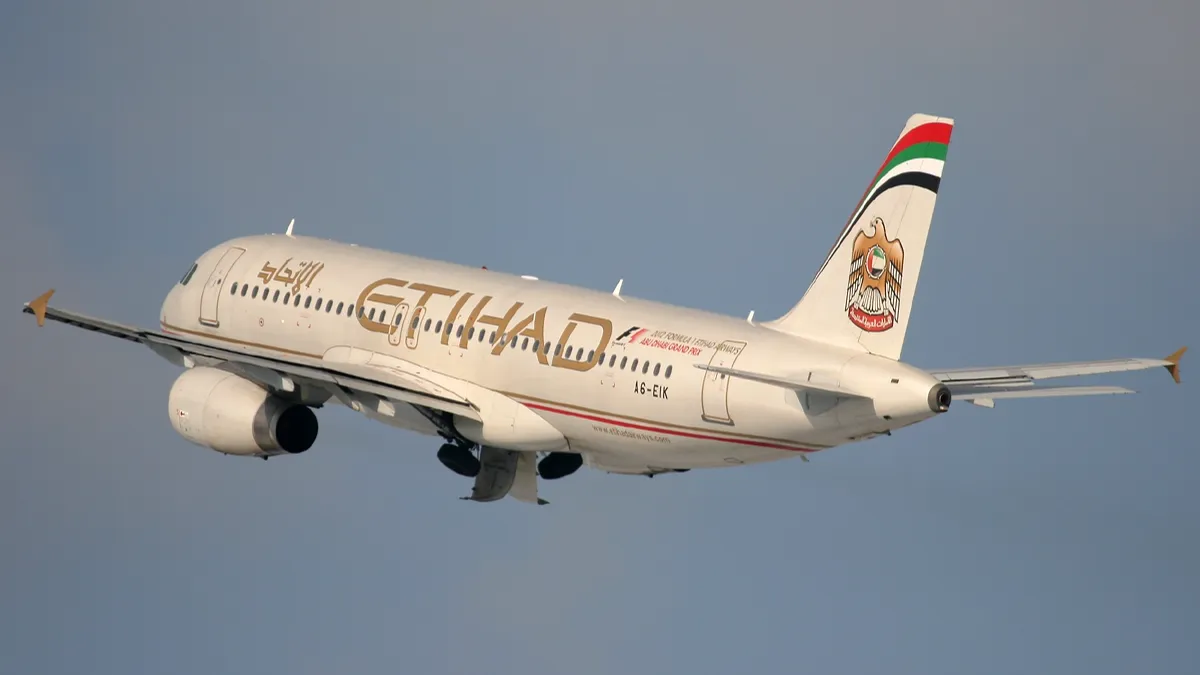
Broader Implications for Gulf Aviation Labour Dynamics
The Gulf aviation sector has historically relied on a highly internationalised workforce, with expatriate employees forming a substantial portion of operational staff across airlines, airports, and maintenance organisations.
Incidents such as the one reported at Etihad highlight the structural sensitivity of expatriate employment systems in the region, where visa status, labour contracts, and residency permissions are closely interlinked. However, without official clarification, the broader implications of this specific case remain interpretative rather than confirmed.

All in All
The reported termination of 15 Pakistani employees at Etihad Airways remains an evolving story characterised by limited official confirmation and divergent media framing.
So, the reported firing of Pakistani nationals isn’t driven by the lack of profits.


_-_Etihad_Airways_-_MSN_41700_-_VGHS.jpg)
_Boeing_787-9_Dreamliner_MSN-39657.jpg)
