India will roll out a pilot hub-and-spoke transfer model between Indira Gandhi International Airport (DEL), Delhi and Lal Bahadur Shastri International Airport (VNS), Varanasi starting June 1, in a bid to reposition its aviation ecosystem as a global transit network. The Ministry of Civil Aviation is leading the initiative, with Air India (AI) anchoring the launch phase, The Hindu Business Line reported.
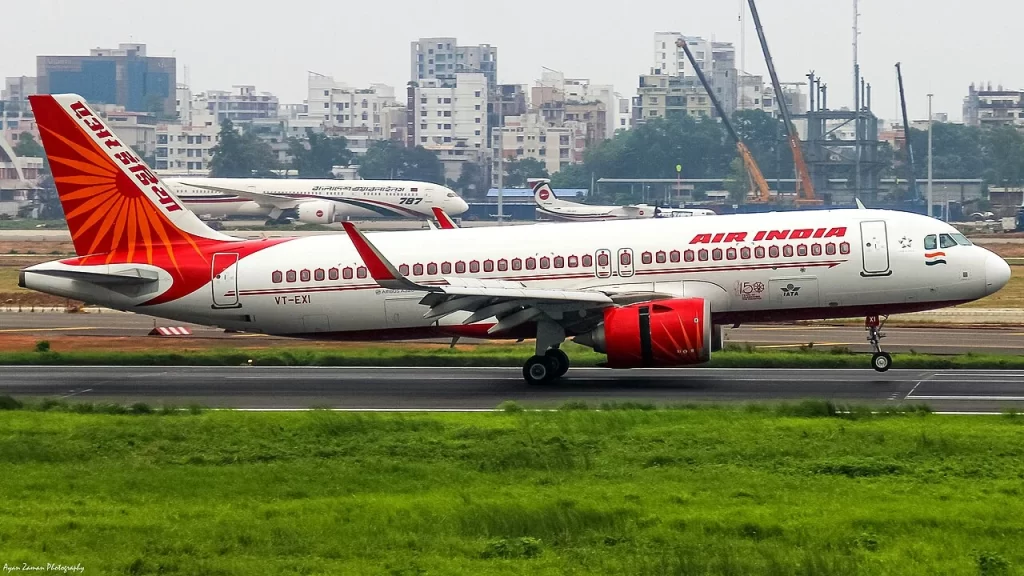

The program aims to shift customs and immigration processing to the originating spoke airport, eliminating redundant procedures at hub airports. Authorities expect the move to:
- reduce transfer times
- improve passenger experience
- retain outbound traffic that currently flows through foreign hubs.
Delhi and Varanasi Selected for Initial Hub-and-Spoke Trial
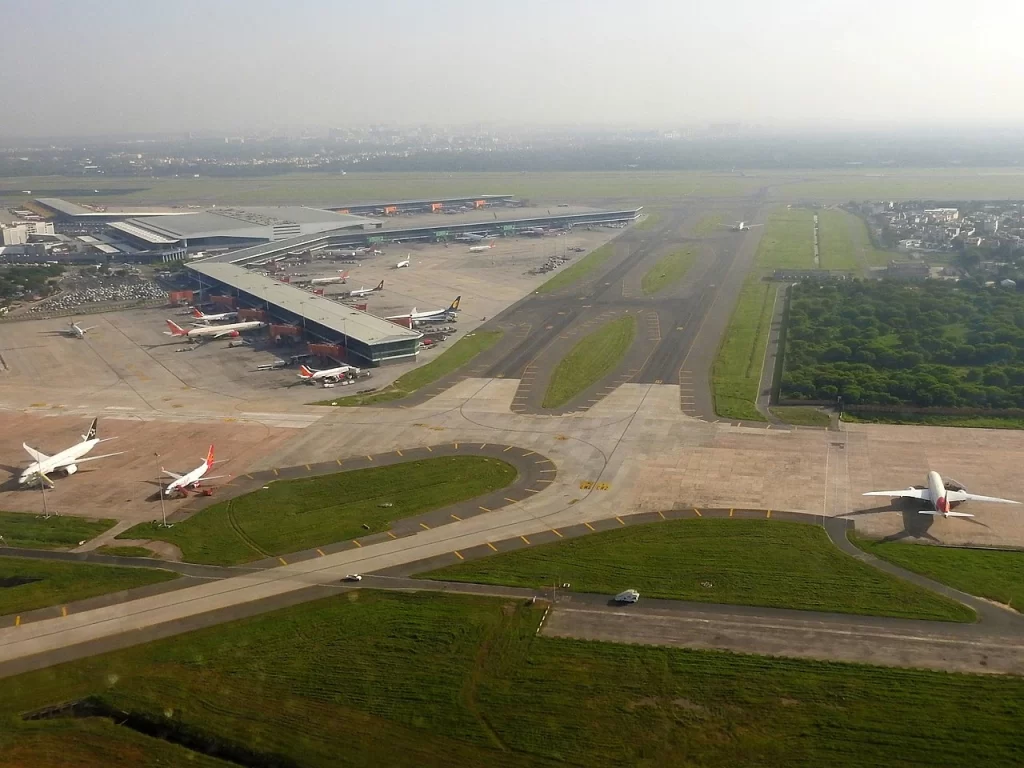
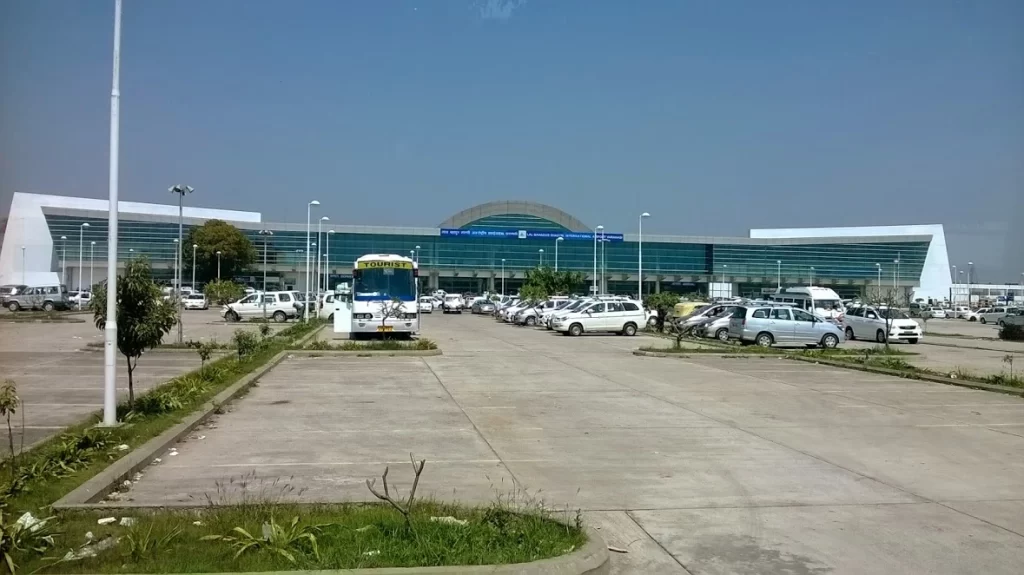
The government has chosen Delhi and Varanasi as the first operational pair, citing Delhi’s role as India’s primary international gateway and Varanasi’s emergence as a high-growth regional market. Let’s take a look at the two airports:
Delhi vs Varanasi Airport Comparison
| Attribute | Indira Gandhi International Airport (DEL) | Lal Bahadur Shastri International Airport (VNS) |
|---|---|---|
| Location | Delhi, India | Varanasi, Uttar Pradesh, India |
| IATA Code | DEL | VNS |
| Type | Major international hub | Regional international airport |
| Operator | Delhi International Airport Limited (DIAL) | Airports Authority of India (AAI) |
| Passenger Traffic | ~78 million annually | ~4.3 million annually |
| Global Ranking | Among top 10 busiest airports worldwide | Not globally ranked |
| Runways | 3 parallel runways | 1 runway (2,745 m, planned 4,075 m) |
| Terminal Capacity | 100+ million capacity (expanding) | ~3.9M current → ~9.9M planned |
| Destinations | 150+ destinations worldwide | Limited domestic + select international |
| Hub Status | Primary hub for Air India, IndiGo | Emerging regional hub candidate |
| Connectivity Role | Global transit hub | Feeder / spoke airport |
| Expansion Projects | Phase 3A expansion, capacity upgrades | ₹2,870 crore expansion, new terminal |
| Strategic Role | International gateway for India | Regional connectivity + tourism growth |
| Future Potential | 100M+ passengers, global hub ambitions | Target 30M passengers by 2047 |
The pairing allows policymakers to test the model across contrasting traffic volumes and infrastructure environments. The trial will proceed under controlled conditions, enabling authorities to refine standard operating procedures before scaling.
The pilot will also evaluate:
- passenger throughput
- baggage handling
- inter-agency coordination
Under current regulations, passengers must complete immigration at their final departure point when leaving India, and at the first port of entry when arriving. This forces transfer passengers to reclaim baggage, clear customs, and re-check for domestic connections.
The new model consolidates these procedures at the spoke airport, allowing passengers to transit through hub airports without repeating formalities. According to reporting by The Hindu, officials believe this will significantly reduce connection times and align India with global hub standards.
In a X post, Civil Aviation minister Ram Mohan Naidu Kinjarapu, said the hub and spoke model will:
“…enhance global connectivity through India’s major airports and also ensure that regional airports developed under the leadership of Hon’ble Prime Minister @narendramodi ji benefit from stronger international linkages. This strategy is also expected to unlock significant economic opportunities, contributing nearly USD 1.4 trillion to India’s GDP and generating approximately 16 million jobs by 2047.”

Air India to Lead Implementation as Expansion Plans take shape
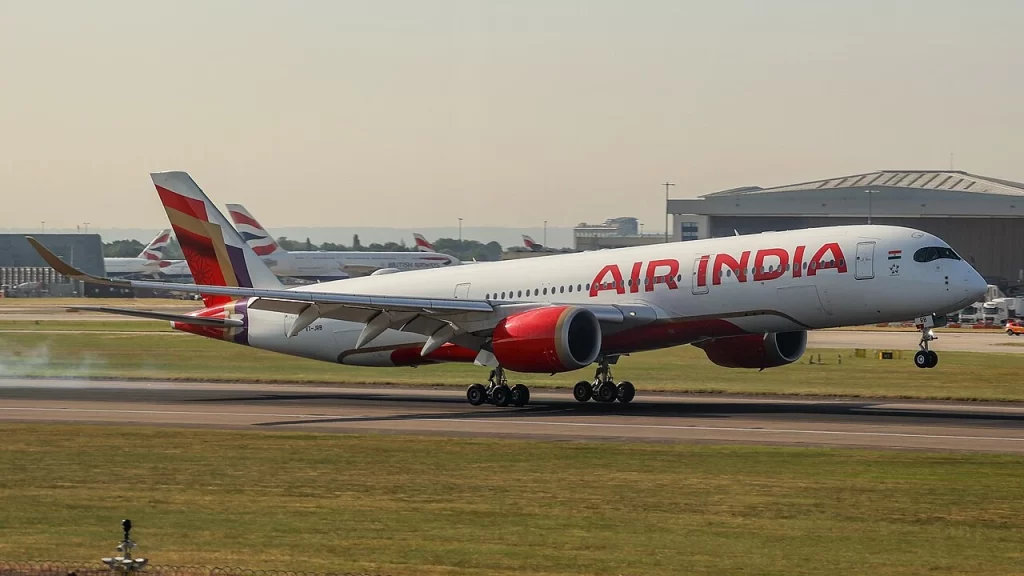
Air India will serve as the launch carrier, aligning the project with its ongoing fleet expansion and network restructuring. The airline, which recently saw its CEO exit, is integrating passenger service systems to support seamless transfers, a prerequisite for scaling the model across multiple routes.
Let’s have a look at various global hubs and what the dominant airlines there have been:
| Airport | IATA Code | Dominant Airline | Market Share | Key Hub Insight |
|---|---|---|---|---|
| Heathrow Airport | LHR | British Airways | 50% | Strong hub dominance with high international connectivity |
| John F. Kennedy International Airport | JFK | Delta Air Lines | 34% | Major transatlantic hub with strong airline presence |
| Amsterdam Schiphol Airport | AMS | KLM Royal Dutch Airlines | 53% | One of Europe’s most efficient hub-and-spoke systems |
| Kuala Lumpur International Airport | KUL | AirAsia | 34% | Low-cost carrier-driven hub model |
| Dubai International Airport | DXB | Emirates | Not specified | High-capacity global hub with rapid transit times |
Data: News18
India’s Ministry of Civil Aviation plans to expand hub-and-spoke operations to additional airports, including Mumbai and Bengaluru, while onboarding other carriers such as IndiGo, India’s largest airline. Officials indicated that expansion timelines will depend on operational outcomes during the initial phase.

Minister Ram Mohan Naidu reviews readiness at Delhi Airport
Civil Aviation Minister Ram Mohan Naidu Kinjarapu recently conducted an operational review at Delhi Airport, accompanied by Civil Aviation Secretary Samir Kumar Sinha. The visit focused on infrastructure preparedness, passenger flow systems, and coordination between agencies.
In a statement shared on social media, Naidu said the model would “enhance global connectivity through India’s major airports” while strengthening linkages for regional airports. The ministry has framed the initiative as a cornerstone of India’s long-term aviation strategy.
India seeks to Curb Transit Traffic Leakage to Foreign hubs
A significant share of Indian international traffic currently routes through West Asian and European hubs, operated by foreign carriers. Industry estimates suggest that 60–80 percent of passengers traveling to West Asia continue onward to other destinations, representing lost transit revenue for Indian airports.
The hub-and-spoke model could reverse this trend by enabling efficient domestic-to-international transfers within India. The strategy is further supported by large aircraft orders placed by Indian airlines, expanding long-haul capacity.
_Air_India_Airbus_A350-941_VT-JRB_@_EGLL_2025-06-18.jpg)
Terminal Upgrades and DigiYatra Deployment to enable Seamless Passenger Transfers
The rollout requires coordinated upgrades across airport infrastructure and digital platforms. Authorities are introducing new signage, modifying terminal layouts, and redesigning passenger flow processes to support the revised system.
The Digiyatra platform will also be enhanced to enable seamless biometric-based transfers. The following table gives us an idea of the benefits of DigiYatra:
| Benefit | Description |
|---|---|
| Faster Entry and Boarding | Digi Yatra speeds up airport processes by replacing manual ID and boarding pass checks with facial recognition, reducing time at checkpoints. |
| Contactless Experience | The system enables a completely touch-free journey, limiting physical interaction and improving hygiene standards. |
| Improved Passenger Experience | Shorter queues and quicker processing create a smoother and less stressful travel experience, especially for frequent and business travelers. |
| Operational Efficiency | Airports benefit from better crowd control and reduced dependency on manual verification, leading to more streamlined operations. |
| Eco-Friendly Travel | By eliminating the need for printed documents, Digi Yatra supports paperless travel and reduces environmental impact. |
Officials confirmed that these technological adjustments are critical to ensuring a frictionless passenger experience.
.jpg)
Hub and Spoke Model Will Have an Impact of $1.4 Trillion by 2047
The government estimates that the hub-and-spoke strategy could contribute nearly USD 1.4 trillion to India’s GDP and generate approximately 16 million jobs by 2047. These projections position aviation as a central driver of economic growth and regional development.
According to policy discussions cited by Ministry of Civil Aviation India, improved connectivity will stimulate tourism, trade, and investment across tier-II and tier-III cities. The initiative also aligns with broader infrastructure expansion goals.