The U.S. Air Force has postponed the retirement of the A-10 Thunderbolt II until at least 2030, reversing plans to phase out the aircraft amid ongoing combat operations in the Middle East.
Air Force Secretary Troy Meink confirmed the decision on April 21, citing operational necessity and coordination with Defense Secretary Pete Hegseth, as the service reassesses force structure ahead of its fiscal 2027 budget rollout.
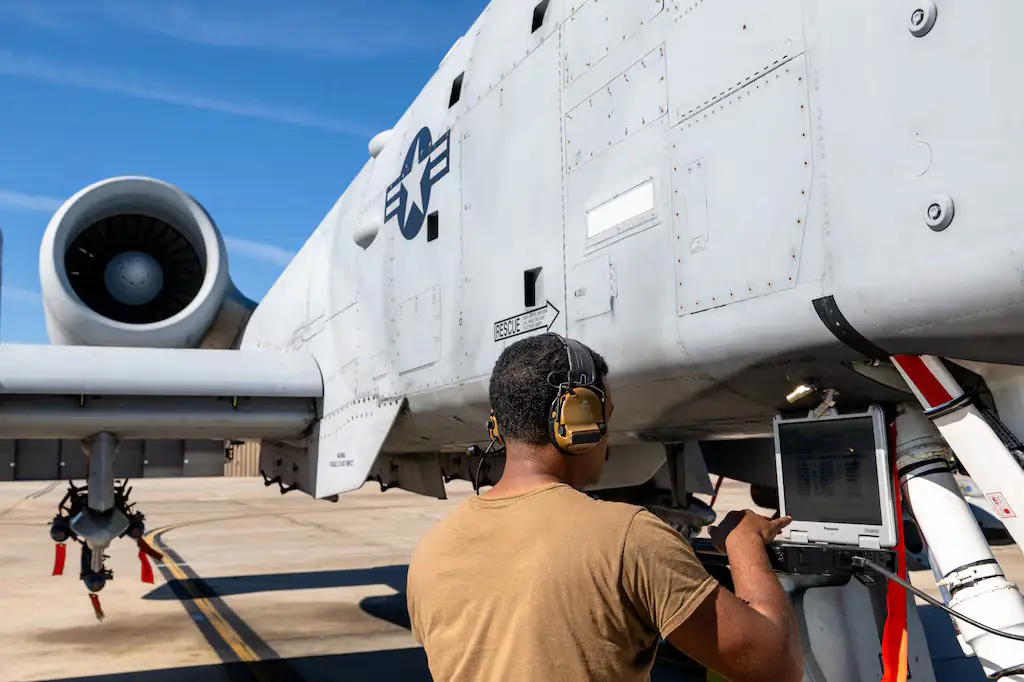
A-10 Retirement Delayed Amid Operational Demand
The decision marks a significant policy reversal for the Air Force, which had aimed to retire the A-10 fleet by the end of the decade.
Meink stated that extending the aircraft’s service life would “preserve combat power” while the U.S. defense industrial base ramps up production of next-generation platforms. He added that further details would follow alongside broader force modernization plans.
The move comes as A-10s remain heavily engaged in U.S. Central Command operations, particularly in missions targeting Iranian-aligned militia groups and maritime threats in the Strait of Hormuz.
USAF Fleet Plans and Transition to F-35A
The Air Force continues to position the F-35A Lightning II as the long-term replacement for the A-10 in the close air support role.
According to Air and Space Forces, budget outlines for fiscal 2027 indicate plans to procure 38 F-35As alongside 24 F-15EX Eagle II fighters, reflecting a broader modernization push. The service also continues to invest in the B-21 Raider bomber and the next-generation F-47 fighter.
Despite these acquisitions, the extended A-10 timeline suggests a capability gap persists in contested but low-intensity environments where the aircraft’s unique attributes remain relevant.
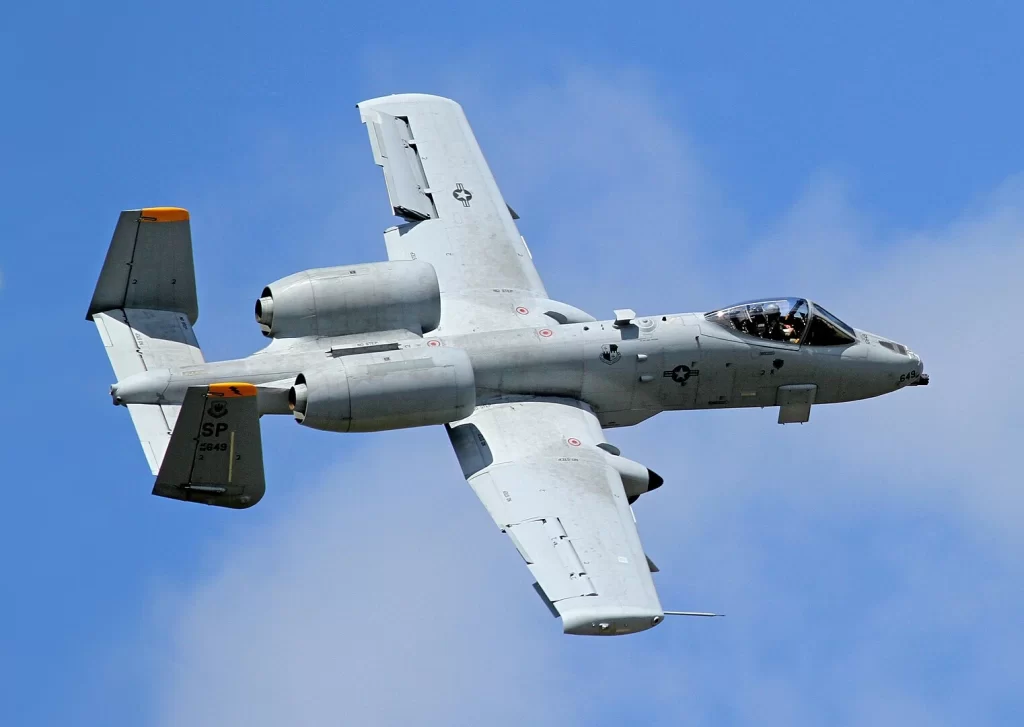
Congressional Pressure and United State Air Force’s Fleet Numbers
Congress has consistently resisted efforts to retire the A-10, mandating minimum fleet levels in recent defense legislation.
As of fiscal 2026, the Air Force maintained 162 A-10s, although earlier plans called for rapid divestment. Lawmakers required at least 103 aircraft to remain operational through the current fiscal year and requested a detailed report on retirement plans, which has yet to be publicly released.
This institutional friction underscores the enduring political and operational support for the platform.
Combat Performance Sustains Relevance
Recent combat operations have reinforced the A-10’s battlefield utility, particularly in permissive and semi-contested environments.
The aircraft has conducted strikes against militant targets and provided close air support during high-risk missions, including the rescue of downed U.S. aircrew. In one incident, an A-10 sustained significant damage from hostile fire, yet its pilot successfully returned toward friendly airspace before ejecting safely.
The Air Force, which lost its A-10 Warhog and an F-15 E in the Iranian conflict, has also increased A-10 deployments to the Middle East, doubling its presence earlier this year to meet operational demand.
Unique Capabilities of the “Warthog”
The A-10’s survivability and firepower remain central to its continued deployment.
Equipped with the GAU-8/A 30mm cannon capable of firing up to 3,900 rounds per minute, the aircraft excels in close air support missions requiring precision and persistence. It can also carry a diverse payload, including JDAM-guided bombs, AGM-65 Maverick missiles, AIM-9 Sidewinders, and APKWS laser-guided rockets.
Operational imagery has shown A-10s returning from deployment with markings indicating engagements with Iranian-made drones, highlighting their adaptability beyond traditional ground-attack roles.
USAF’s Training Cuts and Maintenance Paradox
The extension of the A-10’s service life contrasts with earlier steps taken to wind down the program.
The Air Force has already halted pilot training for new A-10 aviators and reduced depot-level maintenance, including major overhauls and upgrades. These measures were part of a phased retirement strategy that now appears temporarily suspended.
This divergence raises questions about long-term sustainment and readiness as the fleet ages beyond its originally intended service window.
Strategic Implications for USAF Force Structure
The delay reflects broader tensions within the Air Force’s modernization strategy, balancing high-end warfare preparation with ongoing operational commitments.
While the service prioritizes survivability in contested environments, current conflicts continue to demand platforms optimized for close air support and counterinsurgency missions.
Defense Secretary Pete Hegseth responded succinctly to the announcement, stating, “Long live the Warthog,” signaling continued institutional backing for the aircraft’s extended role.
All in All
The A-10 has been continuously deployed in the Middle East since 2023, underscoring its enduring operational relevance despite decades of retirement debates.
Its extension to 2030 offers a temporary reprieve, but the aircraft’s long-term future remains uncertain as the Air Force advances toward a more technologically sophisticated, multi-domain force structure.