London Heathrow Airport (LHR) saw a sharp 51% decline in passenger traffic between London Heathrow and the Middle East in March, Reuters reported. The drop comes amid escalating regional tensions, airspace closures across the Persian Gulf that has led to flight cancelations over Iranian airspace, and increased security concerns linked to Iranian missile and drone activity (Iran downed USAF’s F-15 and A-10 warhog in a single day). These developments significantly affected demand on key Middle East routes.
Despite continued operations by Emirates (EK), Qatar Airways (QR), and Etihad Airways (EY), which maintained multiple daily services to Heathrow, passenger confidence weakened. This led to a noticeable shift in long-haul travel patterns.
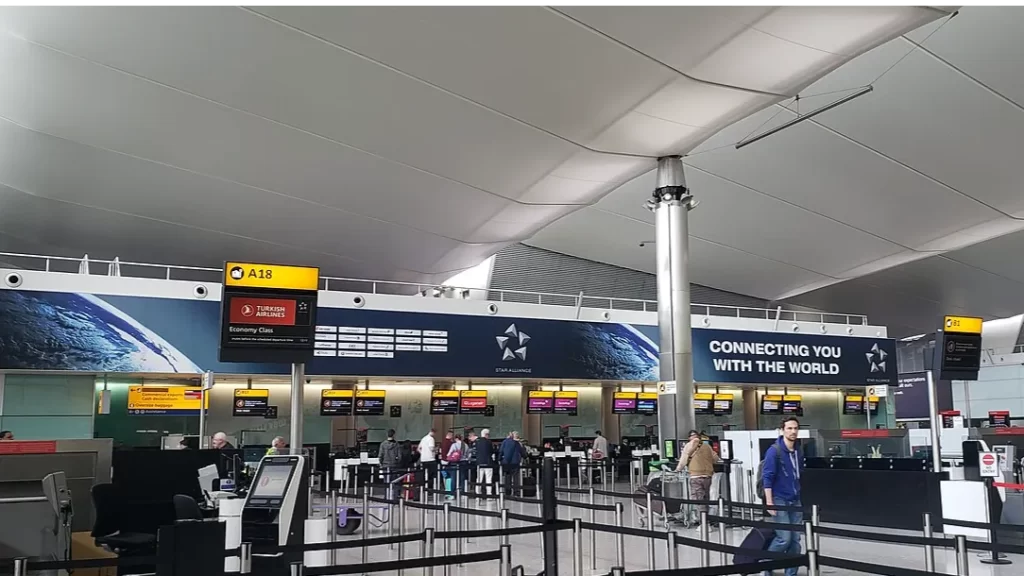

Heathrow’s Passenger Decline Due to Conflict
Heathrow Airport confirmed that passenger numbers on Middle East routes fell sharply in March as geopolitical instability impacted travel demand. Heathrow CEO Thomas Woldbye was quoted in Reuters to have said:
We’re doing everything we can to support airlines and passengers as travel trends shift during the Middle East crisis…While Heathrow’s long-haul network absorbed demand in March, the outlook for the next few months remains uncertain.
Traffic declined from approximately 600 million passengers in March 2025 to 294 million in March 2026 on Middle East-bound routes.
The downturn followed the start of a joint US and Israeli offensive on Iran, which heightened concerns over airspace safety in the region. As a result, many travellers avoided Middle Eastern transit hubs, directly influencing routing patterns through Heathrow.
Although airline capacity remained largely unchanged, the drop in demand highlighted how sensitive long-haul travel is to geopolitical developments. Already, Korean budget carriers saw route cuts following the conflict.
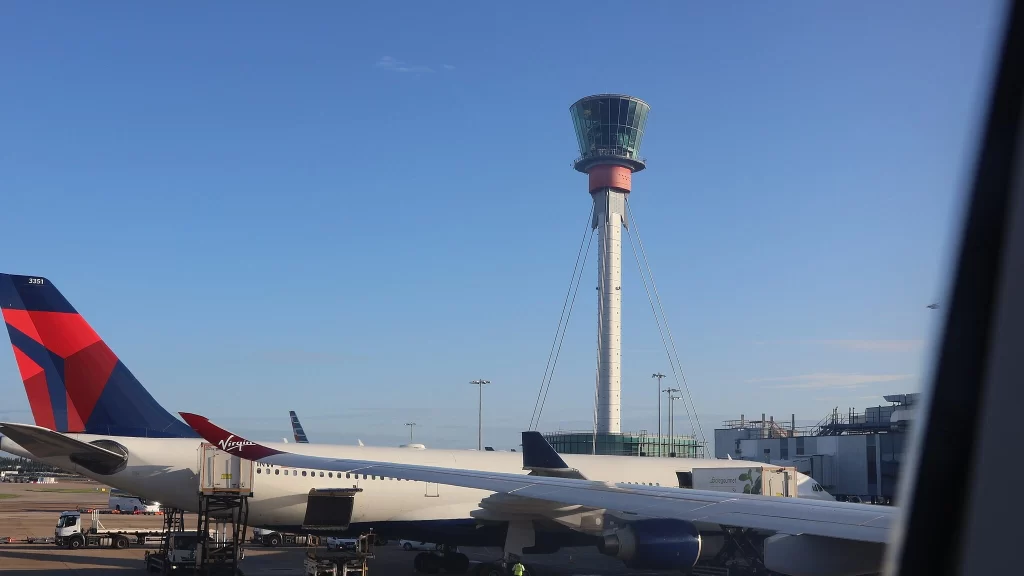
_17.jpg)
Heathrow’s Traffic Shifts to Asia and Africa
While Middle East traffic declined, Heathrow saw strong growth across other long-haul markets. Passenger numbers on non-stop Asia/Pacific routes increased by 31% in March.
Africa also recorded steady growth, with passenger numbers rising from 262 million in March 2025 to 323 million in March 2026.
The airport attributed this growth to network adjustments and stronger point-to-point demand across emerging markets.
Transit traffic through Heathrow rose by 10%, as passengers opted to avoid connections in the Middle East. However, the airport indicated that this trend may be temporary due to limited capacity and fully utilized runway slots.
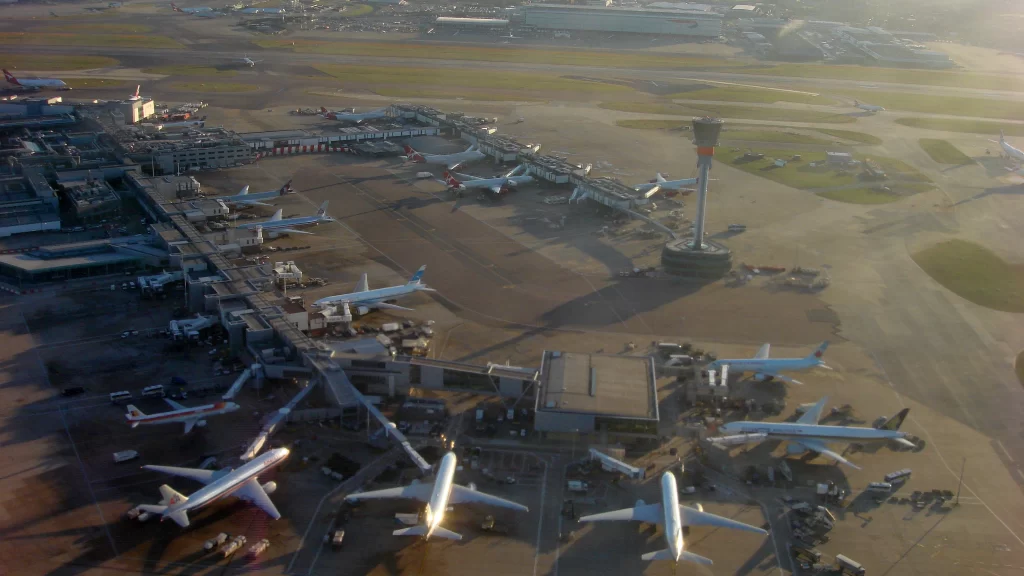

Heathrow’s Aviation Outlook Remains Uncertain, Though
Heathrow, and perhaps the outlook of the civil aviation around the world for the coming months remains uncertain due to ongoing tensions in the Middle East, especially in the light that the ceasefire agreed upon by the US and Iran has come an end,
The airport, which recently announced the possibility of its third runway, continues to closely monitor the situation and its impact on passenger demand and airline operations.
Officials confirmed that fuel supply has not been affected despite concerns surrounding the Strait of Hormuz, and overall operations remain stable.
However, Heathrow’s ability to absorb additional transit demand is limited due to capacity constraints. The airport emphasized the importance of continued coordination with airlines and government authorities to safeguard passenger journeys during this period of disruption.