European certification efforts for China’s C919 aircraft are gaining momentum as testing activity intensifies in Shanghai. According to South China Morning Post, officials from the European Union Aviation Safety Agency (EASA) have reportedly stationed pilots and technical staff in the city for extended periods to accelerate evaluation work.
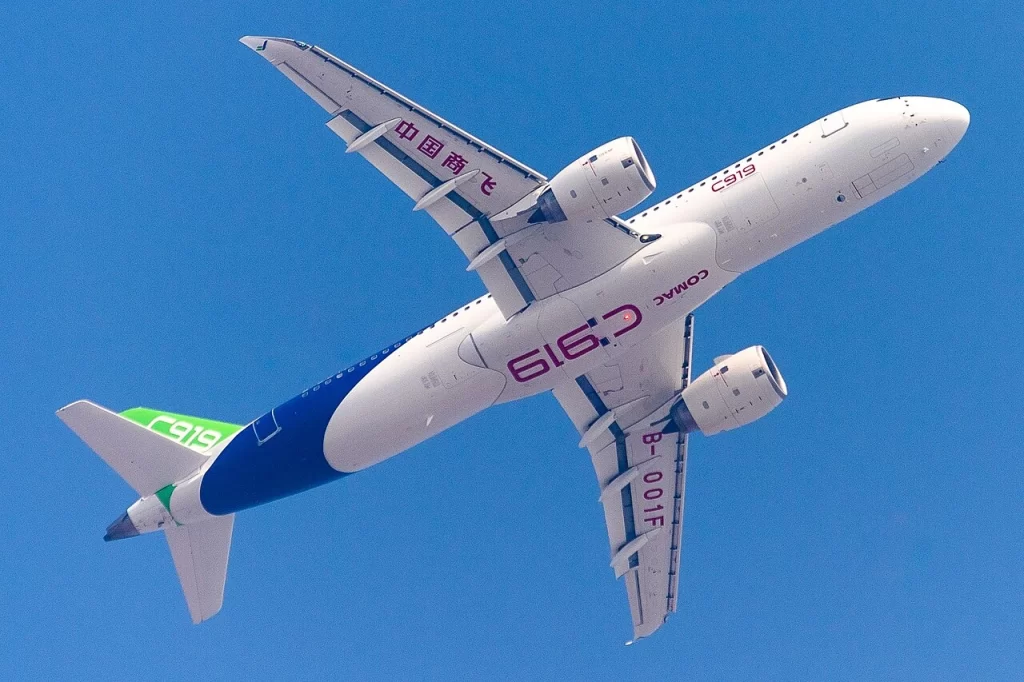
The C919, developed by the Commercial Aircraft Corporation of China (COMAC), is designed to compete in the narrow-body jet market. China Eastern Airlines (MU), which was the launch customer of the C919, has played a key operational role as it operates a fleet that comprises ten C919s, the largest in the world.
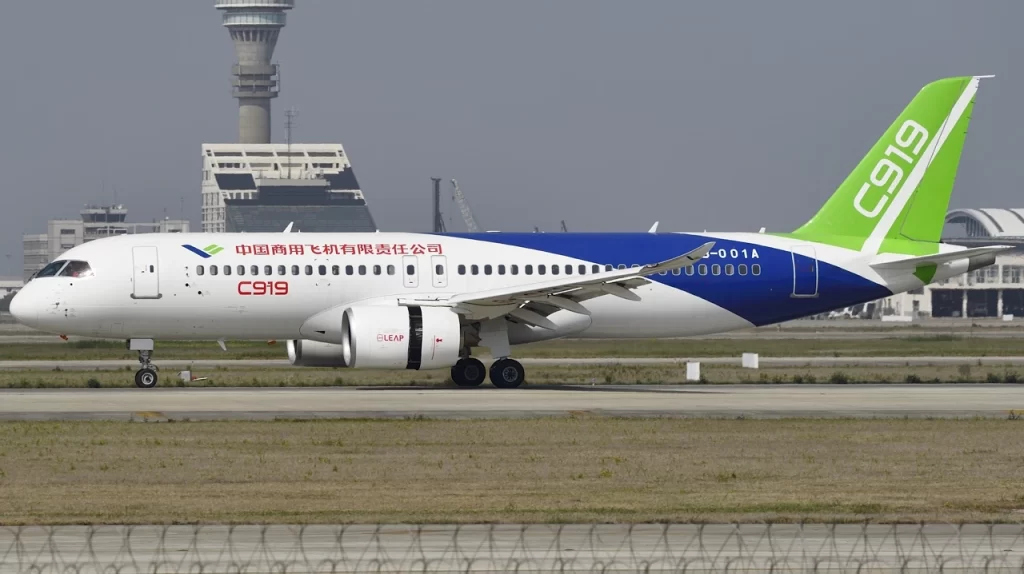

Comac C919: Specifications
| Category | Specification |
|---|---|
| Manufacturer | Commercial Aircraft Corporation of China (COMAC) |
| Aircraft type | Narrow-body twin-engine jet |
| Entry into service | 28 May 2023 |
| Crew | 2 pilots |
| Typical seating capacity | 158 passengers (2-class) |
| Maximum seating capacity | Up to ~168 passengers (all-economy layout) |
| Length | 38.9 m (127.6 ft) |
| Wingspan | 35.8 m (117.5 ft) |
| Height | 11.95 m (39.2 ft) |
| Cabin width | ~3.9 m |
| Maximum takeoff weight (MTOW) | ~75,100–78,900 kg (variant dependent) |
| Operating empty weight | ~45,700 kg |
| Maximum payload | ~20,400 kg |
| Range | 4,075–5,555 km (depending on variant) |
| Cruise speed | Mach ~0.78–0.79 |
| Engines | 2 × CFM International LEAP-1C |
| Maximum thrust (per engine) | ~127–137 kN (variant dependent) |
| Service ceiling | ~12,100–12,200 m |
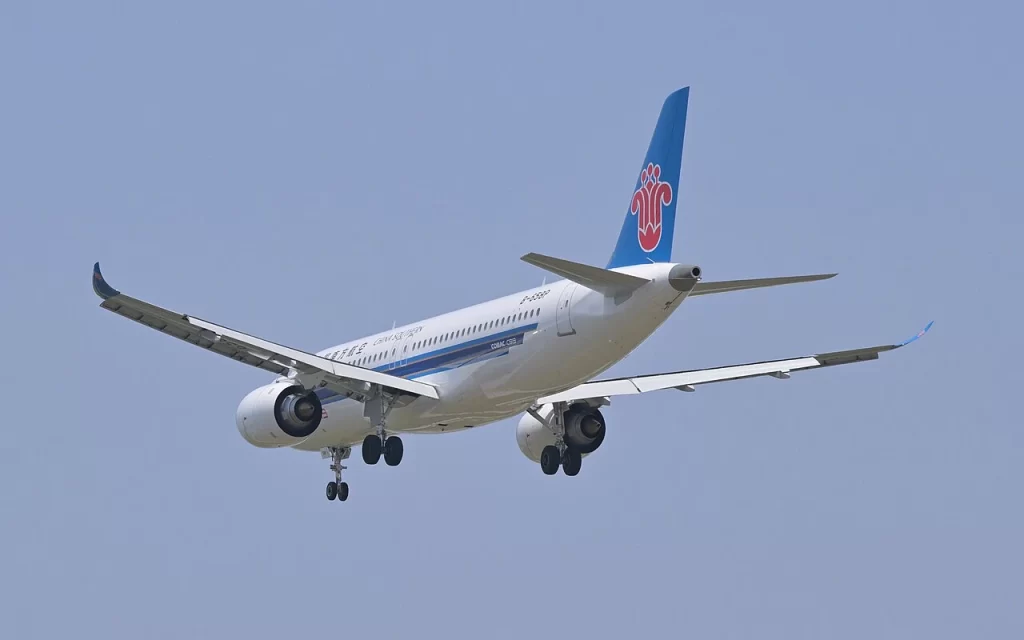

C919 Certification Progress
EASA has now entered an advanced stage of the certification process for the C919, with a strong focus on in-flight testing and technical validation. These test flights are part of a structured four-stage approval process required before the aircraft can be cleared for commercial operations in Europe.
Initial flight evaluations began in late 2024. The following table gives us insights into the initial flight evaluations:
| Aspect | Details |
|---|---|
| Aircraft | C919 narrowbody airliner developed by Commercial Aircraft Corporation of China |
| Regulator involved | European Union Aviation Safety Agency |
| Test flight type | Verification flight as part of Western safety certification process |
| Date & location | November, at Shanghai Pudong International Airport in Shanghai |
| Test personnel | Two EASA test pilots conducted in-flight verification; additional experienced foreign pilots working in China also supported simulator and operational assessments |
| Purpose of flights | To support EASA certification process and evaluate aircraft safety, handling, and compliance for international approval |
| Flight test focus | Extreme manoeuvres, stalls, adverse weather handling, and real-time airborne performance evaluation |
| CRM assessment | Crew Resource Management (CRM) checks began; first assessment reportedly passed, focusing on cockpit interaction and human factors |
| Findings (preliminary) | Aircraft considered “good and safe” with minor “teething problems” requiring software tweaks; no hardware issues reported |
| Certification role | Flight tests form part of EASA’s third-stage compliance demonstration in a four-part certification process |
| Additional developments | Increased technical exchanges between Comac and EASA; Western pilots engaged in simulator testing and technical feedback roles |
| Certification outlook | Ongoing process; EASA previously indicated certification could take 3–6 years, with further testing and review required |
Data: South China Morning Post
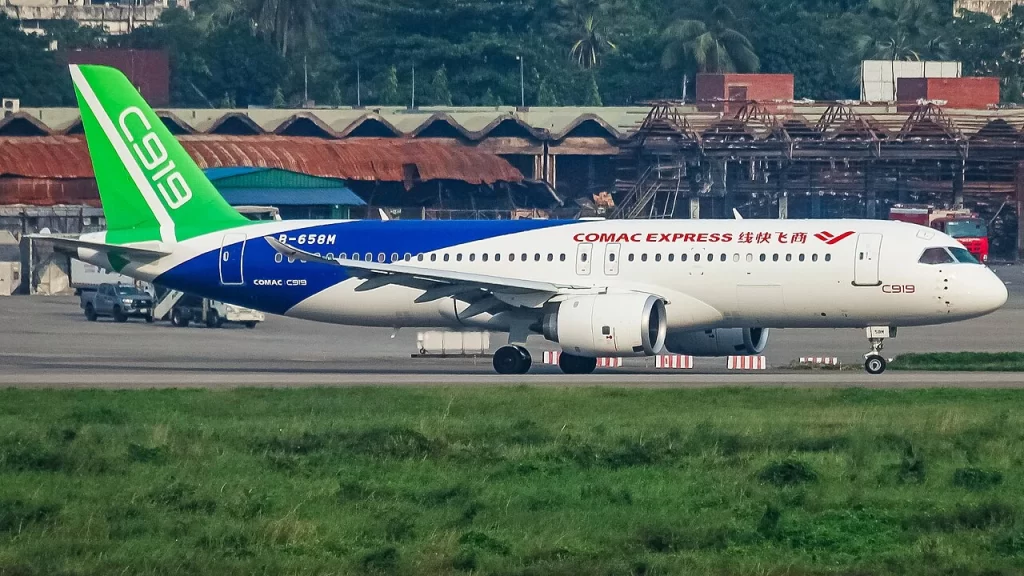

Regulators are now requesting additional test flights to further assess performance, safety, and operational reliability across a range of conditions. Since it has been three years since the first commercial flight of C919 (28 May 2023) when China Eastern Airlines operated flight number MU9191 on the Shanghai Hongqiao – Beijing Capital route, the three-year data of commercial operations might come in handy for the inspectors.
While flight testing remains a central component, the certification process also includes extensive data review, documentation checks, and technical verification to ensure compliance with stringent European aviation safety standards.
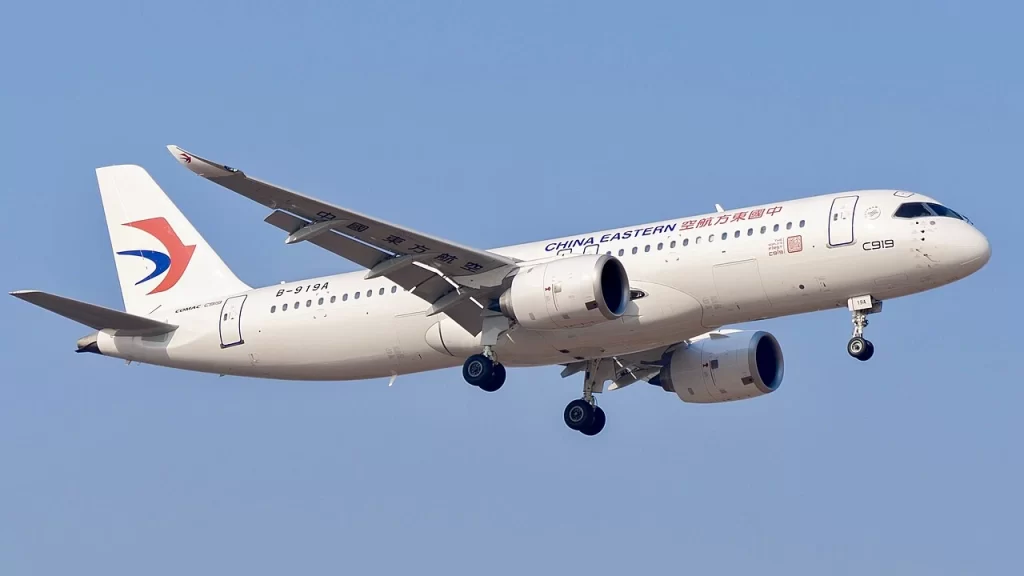

Three Years Data Supporting Certification of the C919
Chinese aviation authorities have deployed significant resources to support the certification process. Airlines operating the C919 are actively sharing operational data with EASA, including real-time performance information and historical maintenance records, reports SCMP:
China Eastern Airlines has also contributed inspection data from routine A and B checks, which are standard maintenance evaluations conducted at scheduled intervals. This information provides regulators with deeper insight into the aircraft’s reliability during commercial operations.
Since entering domestic service in May 2023, the C919 has carried more than four million passengers across 46 routes. During the recent Lunar New Year travel period, it operated over 4,300 flights, reflecting increased utilization and growing operational confidence.
Authorities believe this expanding dataset will strengthen the aircraft’s case for international certification. EASA representatives have also conducted site visits to Shanghai assembly facilities to better understand production standards.
.jpg)
Challenges and Outlook for the C919
Despite steady progress, the certification timeline remains uncertain due to regulatory complexity and geopolitical considerations. Industry sources suggest that political factors may also influence the pace of approval, even as technical requirements are addressed.
In September last year, Bloomberg reported that COMAC’s goal of producing 75 aircraft in 2025 had been reduced by about two-thirds.
The aircraft depends on several components sourced from Western suppliers, adding another layer of scrutiny to the certification process. However, some analysts note that ongoing commercial ties between China and European aerospace companies could help support continued cooperation.