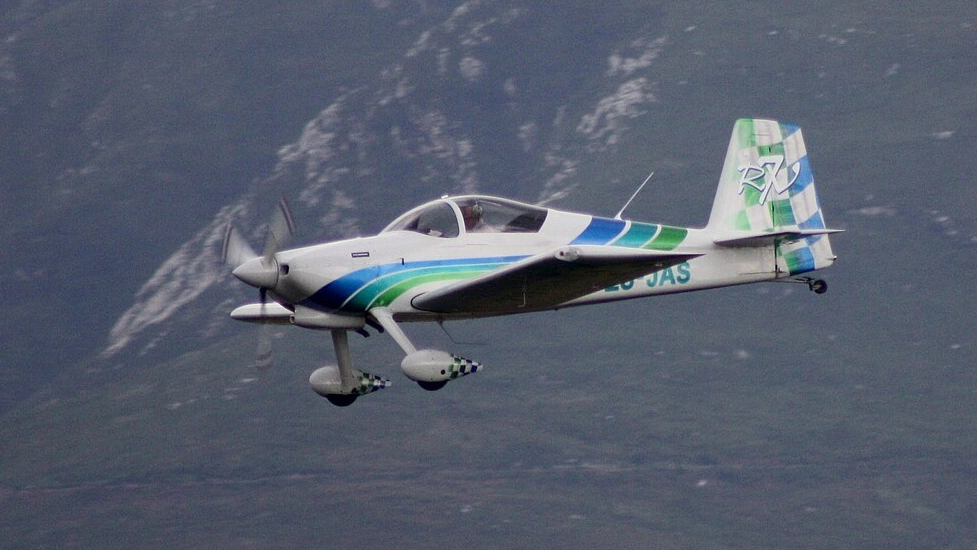
On 30 November 2025, two light aircraft — both Van’s RV-7 kit planes — collided mid-air near Napperfield Airfield (YWBN), Wedderburn, a suburb in southwestern Sydney, Australia. While one of these registered VH-EWS crashed into nearby bushland, killing its sole pilot, the second Van’s RV-7 kit plane landed safely with no injuries.
Within hours, the Australian Transport Safety Bureau (ATSB) dispatched a team to begin a formal investigation.
What Happened: Details of the Van’s RV-7 Kit Plane Collision
The two RV-7 aircraft that collided were part of a four-aircraft “formation flight” returning to Napperfield when, around 11:50–12:15 LT on Sunday, they collided in the vicinity of final approach.
One plane, identified as VH-EWS, sustained catastrophic damage and descended into forested terrain near the airfield. Emergency services located the wreckage and the pilot’s body in bushland.
The registration holder of VH-EWS was named in the Civil Aviation Safety Authority’s aircraft register as Edward Martin, based in Arcadia, New South Wales. Here are the details of this aircraft, as reported by Civil Aviation Safety Authority:
| Field | Value |
|---|---|
| Engine Model | YIO-360-M1B |
| Propeller Model | HC-C2YR-1BFP/F7497(2) |
| Maximum Takeoff Weight | 816 kg |
| Registered Operator | Edward Martin |
| Fuel Type | Gasoline |
| Propeller Manufacturer | Hartzell Propeller Inc. |
| Registration & Operator Commencement | 5 January 2011 |
| Engine Type | Piston |
| Airframe Category | Power Driven Aeroplane |
| Serial Number | 73226 |
| Engine Manufacturer | Textron Lycoming |
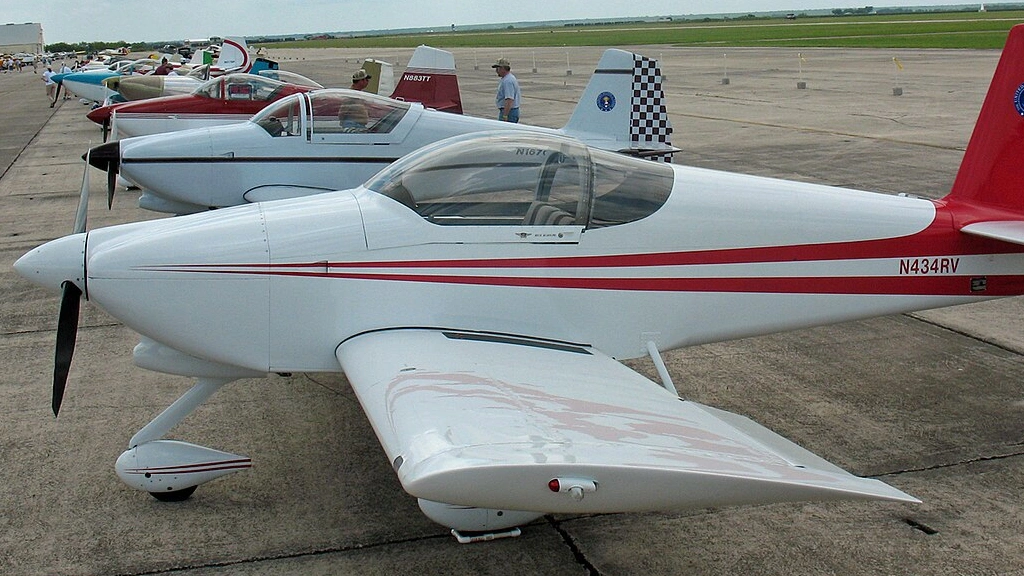
The second aircraft managed to return and land safely, with its pilot unharmed, reported the NSW Police. Officers from the Campbelltown City Police Area Command secured both the crash site and the location where the second aircraft landed safely.
Police said they were informed that two light aircraft had collided in mid-air before one crashed into nearby bushland. Emergency services located the body of the pilot, who was believed to have been the aircraft’s sole occupant, while the pilot of the second aircraft was not injured. Police also urged members of the public to avoid the area.
In a statement, the ATSB confirmed that investigators had arrived at the site to examine the wreckage, map the crash area and recover relevant components for further examination at the ATSB’s technical facilities in Canberra.
The investigation will also involve collecting air traffic control and flight-tracking data, along with pilot and aircraft maintenance records and weather information. Investigators will use the evidence to establish the circumstances surrounding the mid-air collision and determine the factors that contributed to the crash.
The most infamous mid-air collision involved an Ilyushin Il-76 operated by Kazakhstan Airlines aircraft with a Saudi Airlines Boeing 747. This collision is better known as 1996 Charkhri-Dadri Mid air collision and took the lives of all 349 onboard (the aggregate of the total number of occupants in both aircraft).
However, the case involving the two Van’s RV-7 kit planes in New South Wales is not as grave as the collision of two commercial aircraft. Nonetheless, there have been a few small aircraft collisions in Australia.
Where is the Investigation of the Van’s RV-7 Mid-Air collisions in NSW headed?
According to 7News, the pilots involved in the midair collision were a part of the Freedom Formation Display Team, which is “the largest formation aerobatic display team in the Southern Hemisphere“. The same publication also quoted this team:
“The Freedom Formation Team can sadly confirm that there has been an accident involving some of our aircraft today in Sydney’s southwest…We are working to fully support the relevant authorities as they take the lead in coordinating the emergency response…We are also supporting the team members and their families.”
At the time of publication, AvioSpace could not identify any official statement attributing a cause or responsibility for the collision. John Taru, who knew the pilots, recalled that members of the Freedom Formation Display Team regularly flew together and were “pretty close together, almost every weekend,” according to ABC News.
Taru also described hearing the collision from near his hangar. He initially believed an aircraft had landed on the hangar before discovering the crash site nearby, after which emergency services arrived at the scene.
ABC News reported that the Australian Transport Safety Bureau (ATSB) was expected to provide an initial update on its investigation in the following months. The ATSB’s investigation process involves examining the aircraft wreckage, site evidence and other available information before determining the safety factors that contributed to an accident.

.jpg)


.jpg)