Kyoto served as Japan’s imperial capital from 794 to 1868, and that thousand-year run left the city with more intact temples, shrines, and traditional streets than almost anywhere else in the country. The city has around 1.5 million residents today but draws far more visitors than that each year, making it one of the most popular stops on any Japan itinerary. Travelers come for the same reasons locals have stayed for centuries: religious architecture, seasonal scenery, and food culture that predates most nations.
Most visitors reach Kyoto by connecting through Osaka or Tokyo, then use the city as a base for several days of temple visits, neighborhood walks, and day trips. The Kyoto City Tourism Association promotes responsible travel guidelines because the historic core sits close to residential neighborhoods, and heavy footfall has become a real strain on daily life there. Understanding when to go, how to get around, and which districts now restrict tourist access makes the difference between a frustrating trip and a smooth one.
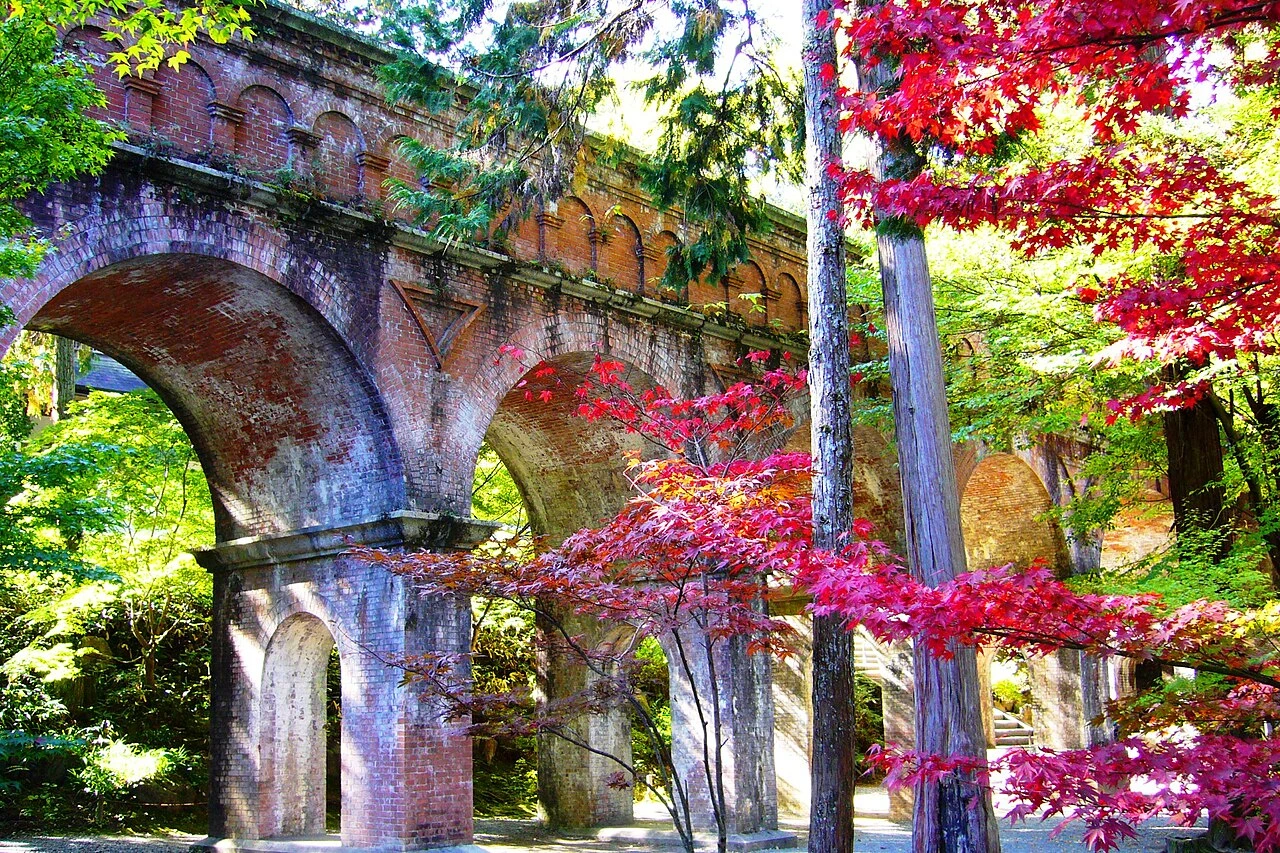
Cherry Blossoms, Autumn Colors, and Crowd Patterns in Kyoto
Kyoto has four distinct seasons, and two of them draw the biggest crowds. Spring brings cherry blossoms in late March and early April, while autumn foliage peaks in November and is considered equally photogenic. Both seasons also bring the heaviest crowds and the highest hotel prices of the year.
Summer in Kyoto is hot and humid, which keeps visitor numbers lower but makes long temple walks uncomfortable. Winter is cold with occasional snow, and it offers the quietest temple grounds of the year. Travelers who prioritize smaller crowds over peak scenery should consider late autumn just after the leaves turn, or the weeks right before cherry blossom season begins.
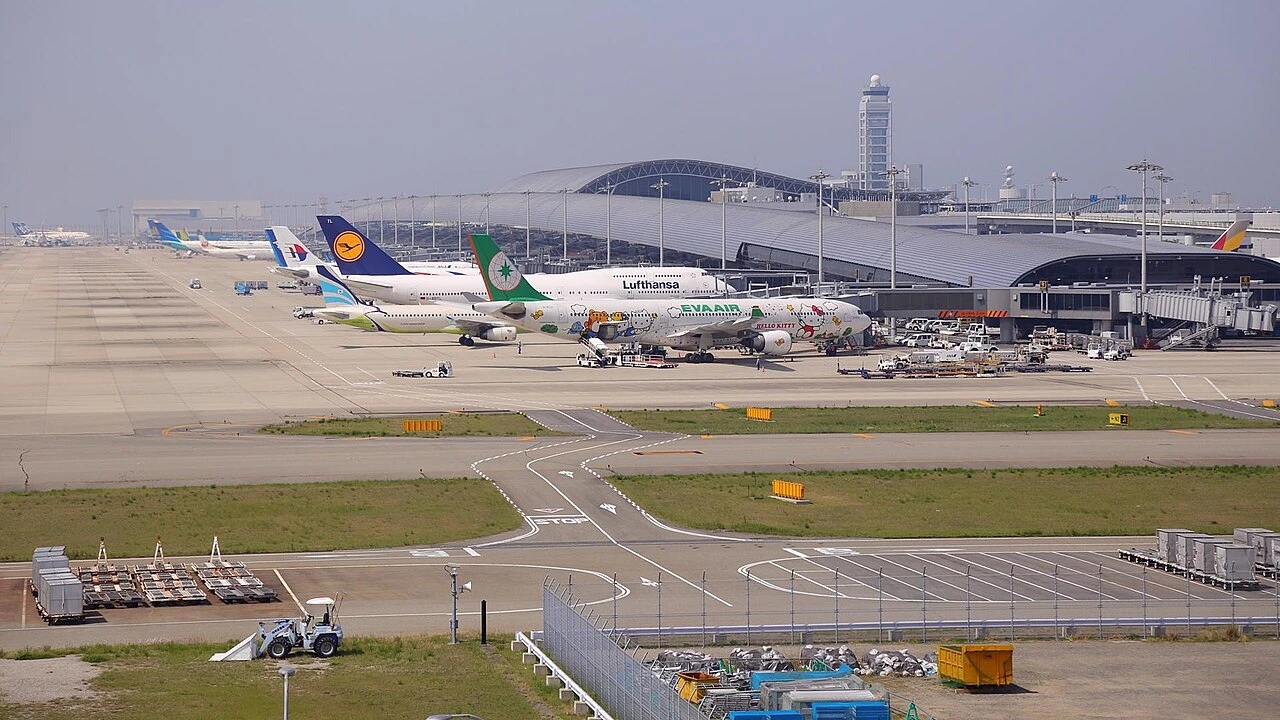
How to Reach Kyoto: Kansai International Airport and the Shinkansen
Most international travelers fly into Kansai International Airport (KIX), an aerodrome that sits on an artificial island in Osaka Bay and serves as the main international gateway to the Kansai region. From KIX, the Haruka limited express train reaches Kyoto Station directly, without a transfer in Osaka. Travelers arriving through Tokyo instead take the Shinkansen bullet train, which covers the roughly 500-kilometer route to Kyoto in about two and a half hours.
Kyoto has no major international airport of its own, since the historic city center was never built to accommodate one. This makes the choice of gateway airport, and the train connection from it, one of the first practical decisions in planning a trip. A few points worth knowing:
- KIX connects to Kyoto Station by direct train, avoiding downtown Osaka traffic
- The Shinkansen from Tokyo Station arrives at Kyoto Station in the city center
- Regional flights also land at Osaka’s Itami Airport, though it handles mostly domestic routes
- Kyoto Station functions as the hub for onward travel by bus, subway, and local rail
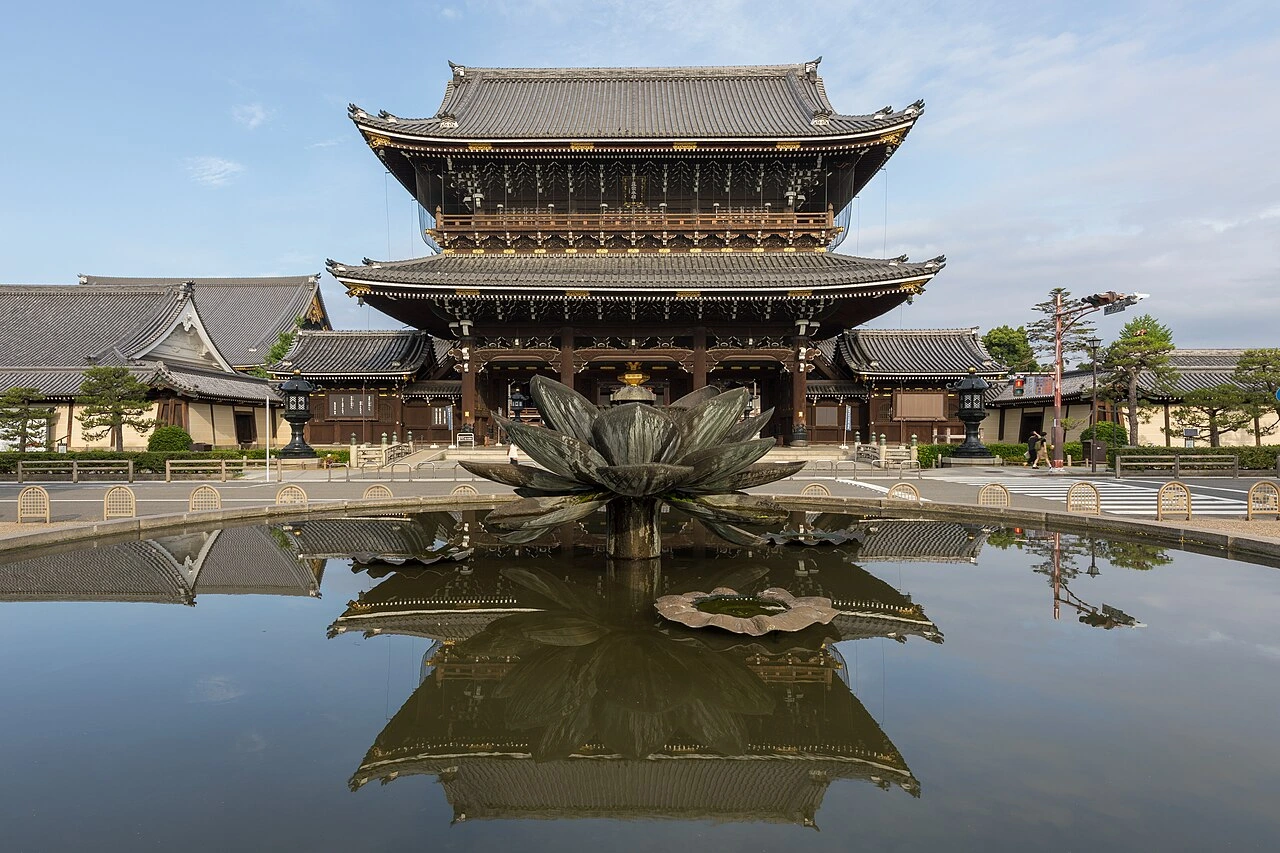
Kyoto’s Top Temples and Shrines
Kyoto’s temple count runs into the thousands, but a handful of sites define most first-time visits. Fushimi Inari Shrine is famous for its trail of thousands of vermilion torii gates climbing the mountainside behind the main hall. Kinkaku-ji, known as the Golden Pavilion, is a former shogun’s retirement villa whose top two floors are covered in gold leaf.
Kiyomizu-dera sits on a hillside in the historic Higashiyama district and is known for its large wooden terrace built without nails. Arashiyama, on the western edge of the city, is home to a bamboo grove and several riverside temples that make for a full day of walking. Nijo Castle, the former Kyoto residence of the shogun, adds a defensive and political layer to the city’s temple-heavy image.
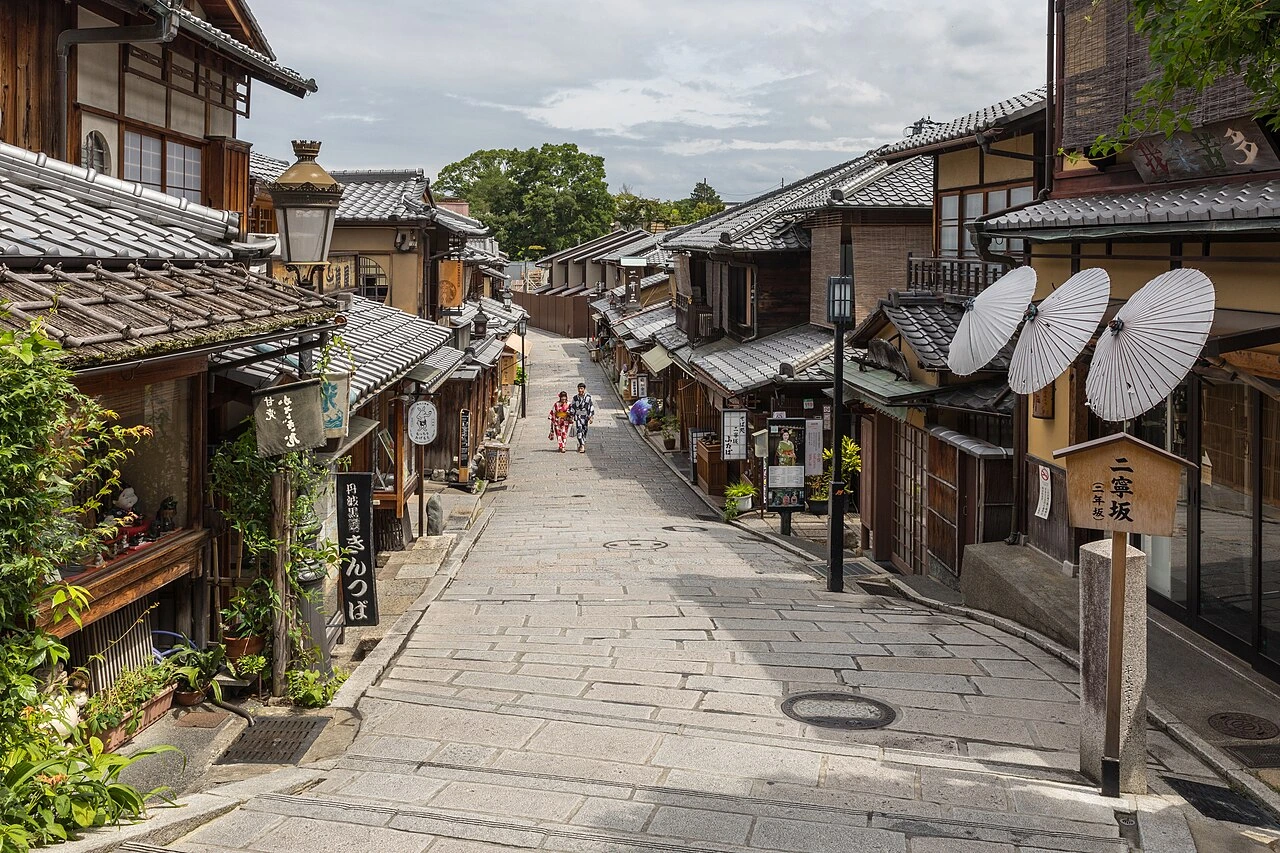
Where to Stay in Kyoto: Gion, Higashiyama, and Kyoto Station
Gion is Kyoto’s most famous geisha district and remains the most atmospheric place to base a stay, though it comes with the highest prices and the thickest crowds. Higashiyama, the preserved historic district around Kiyomizu-dera, offers similar old-town charm at a slightly quieter pace. Both neighborhoods put major sights within walking distance.
Kyoto Station is the practical alternative for travelers who want easy access to trains and buses over neighborhood atmosphere. Staying near the station cuts down on daily transit time, since it connects to the Shinkansen, most city bus routes, and the subway system. Arashiyama, further out, suits travelers planning a slower, multi-day visit to the western side of the city.
What to Eat in Kyoto: Kaiseki, Tofu, and Matcha
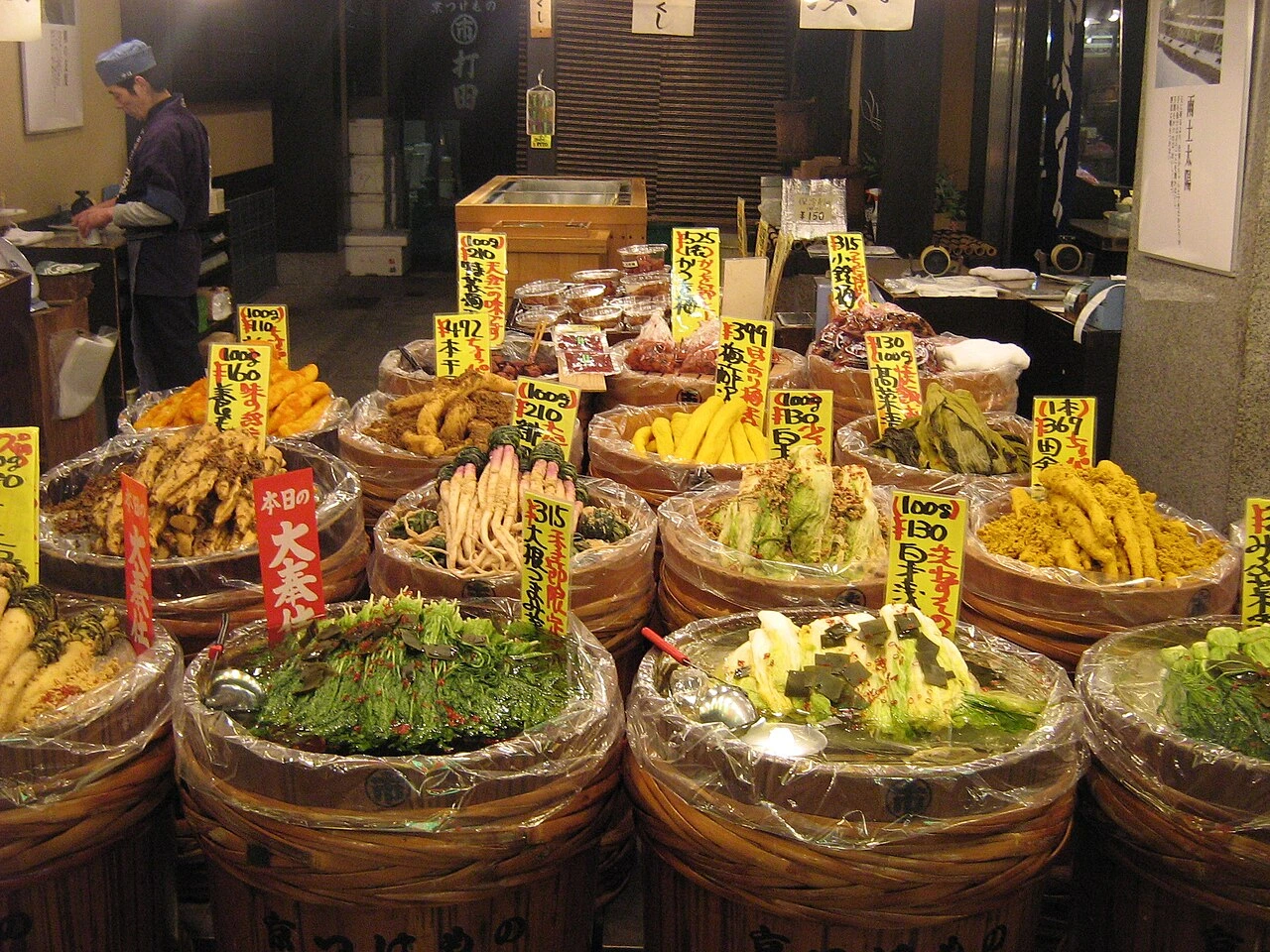
Kyoto’s food culture centers on kaiseki, a multi-course traditional meal built around seasonal ingredients and careful presentation. The city is also known for yudofu, a simple boiled tofu dish that reflects its temple-town history, since many Buddhist temples historically served vegetarian meals to visitors and monks. Uji, just south of Kyoto, is famed for green tea cultivation and supplies much of the matcha used in the city’s sweets and drinks.
Nishiki Market, a narrow covered street lined with food stalls, is the easiest way to sample a wide range of local specialties in a single visit. Kyoto cuisine tends to favor delicate flavors and seasonal variation over heavy or spicy dishes, a style shaped by centuries as an imperial capital rather than a trading port.
Getting Around Kyoto: Buses, Trains, and IC cards
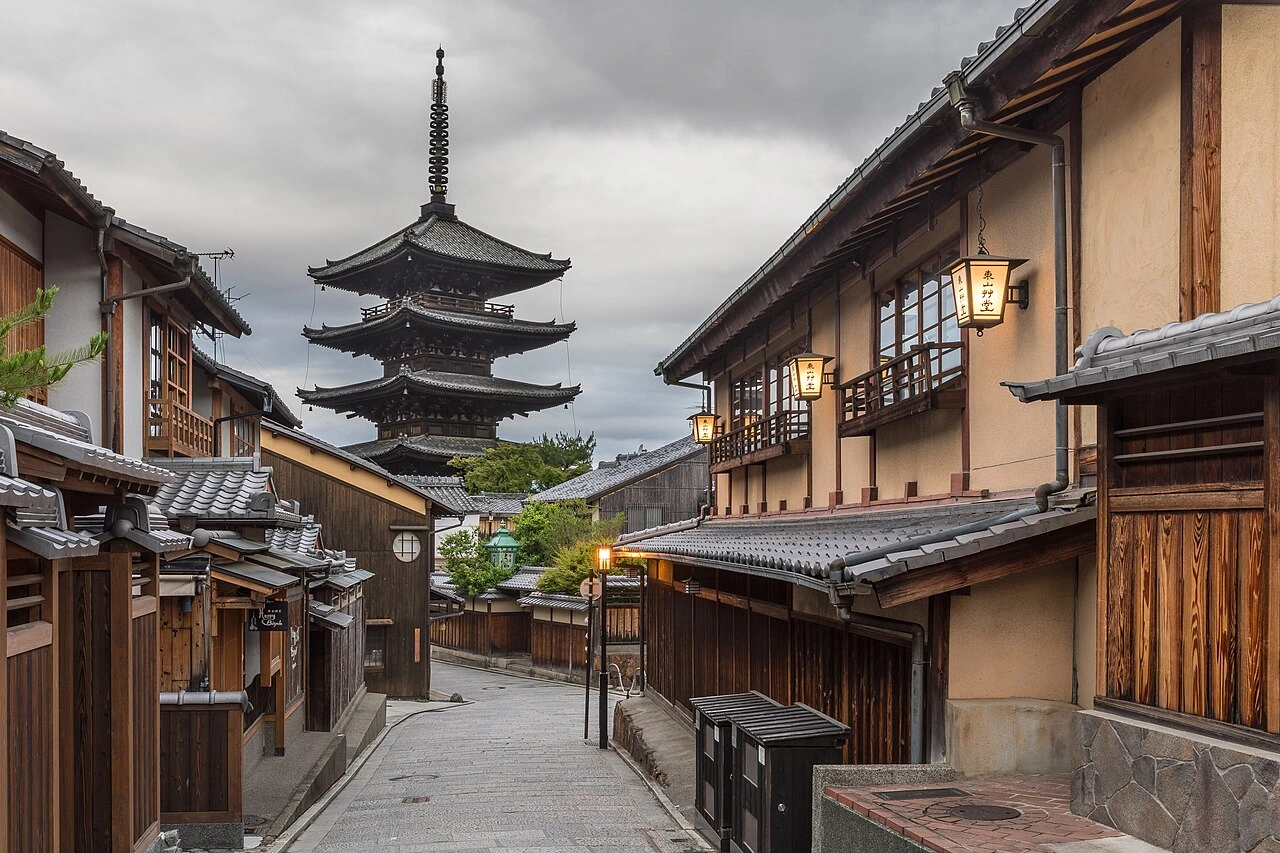
Kyoto’s historic core is dense enough to explore on foot in sections, but the city also runs an extensive bus and subway network for longer distances. A rechargeable IC card, usable on nearly all trains and buses across the country, is the simplest way to pay for transit without buying individual tickets. Renting a bicycle is a popular option in flatter districts like Arashiyama, where temples and gardens are spread across a wider area.
Bus routes can get crowded during peak cherry blossom and autumn foliage weeks, and the city has already removed its discounted one-day bus pass as part of broader efforts to manage tourist numbers. Travelers visiting during peak season should budget extra time for transit delays, particularly around the most popular temple stops.
Comparing Kyoto with Tokyo and Osaka as a Base
Travelers building a Japan itinerary often debate whether to base themselves in Kyoto or use Osaka or Tokyo as a home base with day trips. Osaka sits closest to Kyoto, about 45 minutes away by train, and offers a livelier nightlife and food scene alongside easy access to Kansai’s temples. Tokyo is roughly two and a half hours away by Shinkansen, making it workable for a day trip but impractical as a nightly base for exploring Kyoto in depth.
Kyoto itself rewards a multi-night stay more than a day trip does, since its temples, gardens, and neighborhoods are spread widely across the city. Visitors who only pass through on a day trip from Osaka or Tokyo typically see one or two major sites rather than the fuller mix of temples, food streets, and quieter districts the city offers. For travelers prioritizing pace over budget, staying in Kyoto itself and taking day trips out to Osaka or Nara tends to work better than the reverse.
Overtourism in Kyoto
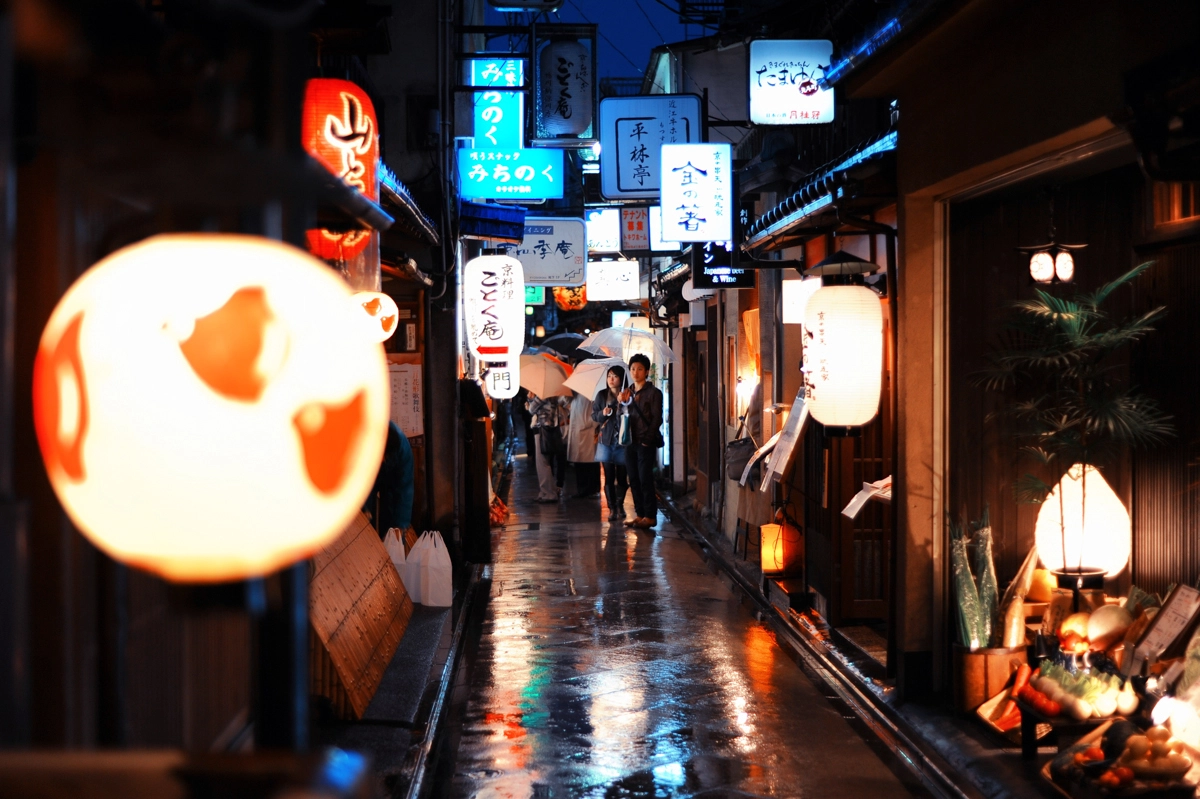
Kyoto welcomed a record 10.88 million foreign visitors last year, part of an overall count of 56.06 million total visitors, according to tourism data reported by the Kyoto city government. That surge has pushed the city to restrict tourist access to parts of Gion, where narrow private streets once drew crowds hoping to photograph geisha and maiko on their way to work. Local council official Isokazu Ota explained the reasoning behind the new signage, saying “we don’t want to do this, but we’re desperate.”
The restrictions do not close off Gion entirely. The main thoroughfare, Hanamikoji Street, remains open to visitors, along with public landmarks like Yasaka Shrine. Only the narrow side alleys, marked with red-and-white signs, carry fines for tourists who enter, and the same overtourism pressure, which has been reported in cities like Rome and Sydney, has already led the city to scrap its discounted bus pass and push visitors toward quieter districts like Ohara and Uji.


_-1_(November_2008)_-_panoramio.jpg)


,_Kyoto,_Japan.jpg)

