The United States Air Force (USAF) , which is eyeing new, affordable attack missiles, has awarded a $29.7 million contract to startup Beehive Industries to develop compact, disposable jet engines intended for drones and precision munitions.
The initiative is part of wider U.S. efforts to scale missile and drone production under defense modernization programs, with officials aiming to improve affordability and accelerate production for next-generation autonomous systems.
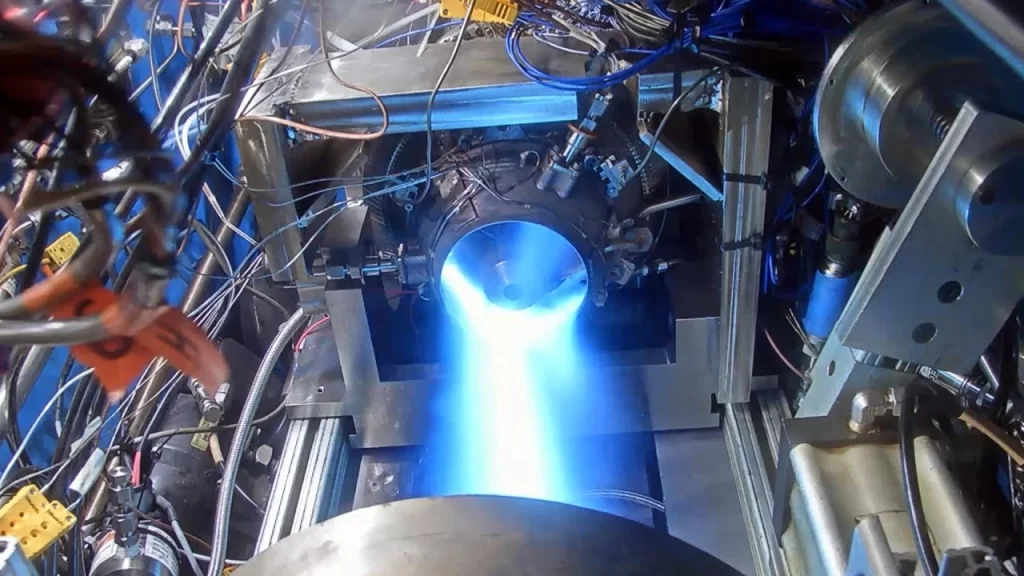
US Air Force Engine Contract for Beehive
The Air Force awarded the contract to Beehive Industries for integration, flight testing, and qualification of its Frenzy 8 engine, a lightweight propulsion system designed for expendable military use. The company will also produce a test version of its smaller Frenzy 6 engine under the same agreement.
Beehive Industries is among several firms supporting the Air Force’s push for low-cost, mass-producible propulsion systems intended for drones, missiles, and other unmanned platforms.
The contract is aligned with the Family of Affordable Mass Missiles (FAMM) program, which received $620 million in combined procurement and research funding in fiscal 2026 and focuses on rapidly deployable, low-cost weapons systems.
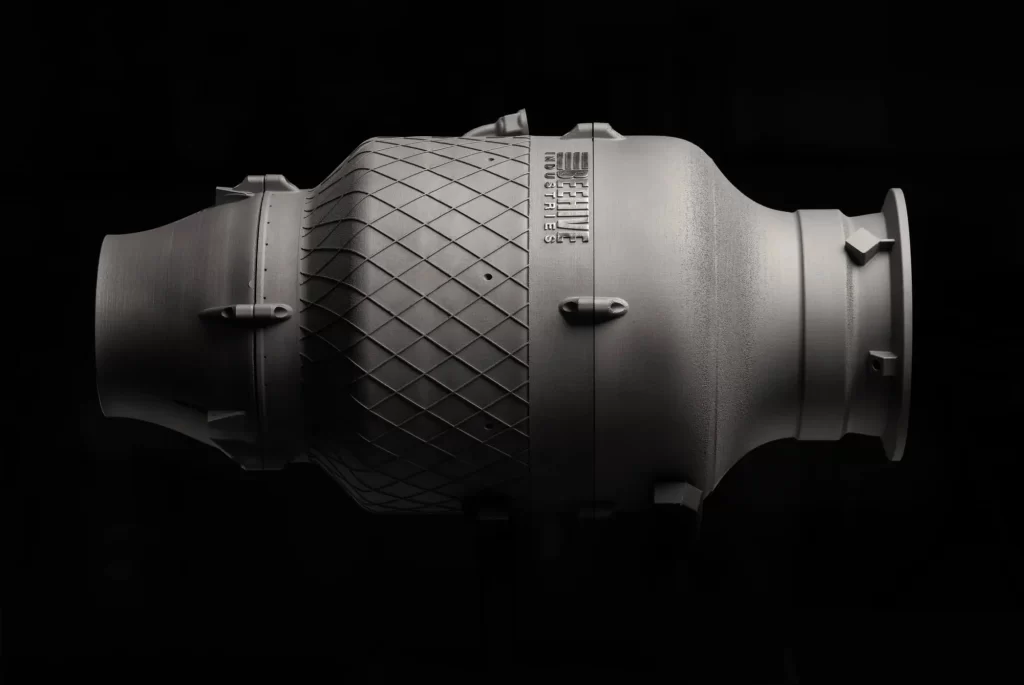
Beehive’s Frenzy Engine Development
Beehive Industries is developing two propulsion models under its Frenzy line. The Frenzy 8 engine produces 100–300 pounds of thrust, while the smaller Frenzy 6 is designed for around 100 pounds of thrust.
The company stated that Frenzy 8 has completed early testing, including a First Engine Test and altitude evaluation, with the first flight expected in the near term.
The contract also supports integration work with multiple manufacturers as Beehive expands flight testing for qualification toward operational use.
Chief Product Officer Gordie Follin told Air & Space Forces Magazine that development of the Frenzy 8 began in October 2024. The engine completed its First Engine Test (FET) in May 2025, followed by altitude testing in October 2025, with its first flight expected in the coming weeks. Folin was quoted to have said:
“We expect production for 2027 to be on the order of 3,000-5,000 engines with some potential upside….. The U.S. urgently needs solutions to enable affordable mass and, as you can see, we are committed to moving at unprecedented speed to help solve this problem,
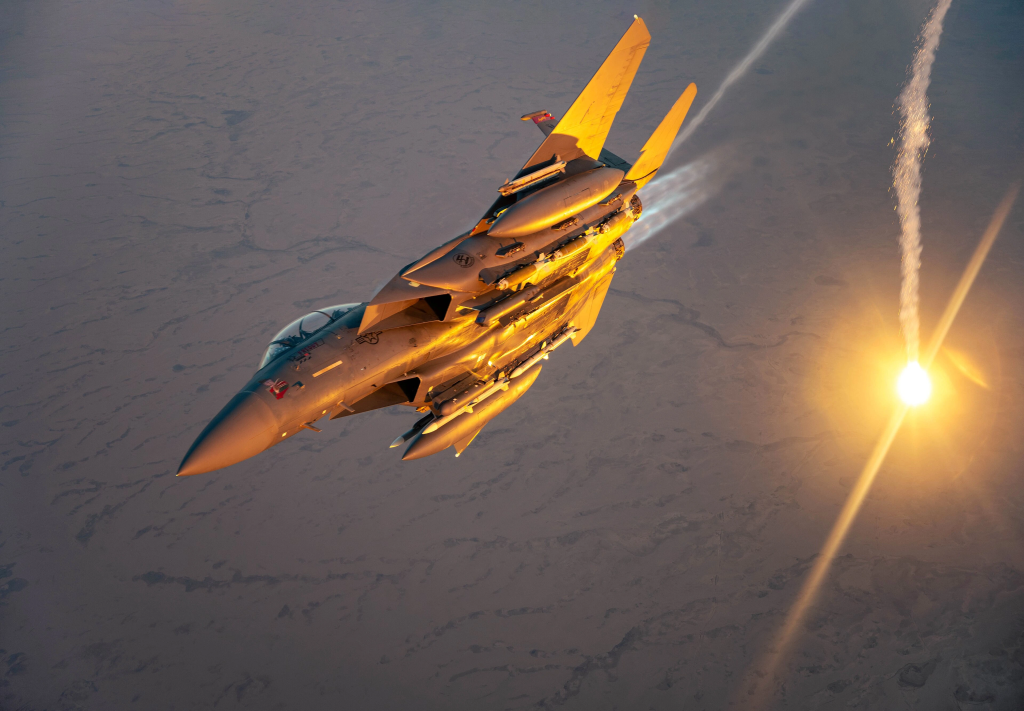
The USAF is Expanding its Defense Production
The Department of Defense, which saw its F-15 and A-10 downed in Us and Israels War with Iran, is increasing investment in low-cost propulsion systems as part of broader modernization efforts. The FAMM program also includes sensors, autonomous systems, and networked communications for future combat platforms.
Beehive Industries projects production scaling through additive manufacturing, including 3D printing, with capacity expected to reach 3,000 to 5,000 engines annually by 2027, with further expansion possible. Air and Space Forces Magazine also quoted budget documents, which said that the FAMM program for which Frenzy 8 is meant is focused on:
integration and flight demonstrations of affordable and highly manufacturable small turbine engines, seekers/sensors, networked datalinks, collaborative autonomy behaviors, and ordnance [warhead/fuse],
The Frenzy 6 program, launched on April 9, is expected to reach production readiness by 2027 and move through early testing on an accelerated timeline.
Separately, agencies including DARPA have increased engagement on propulsion innovation, while the Air Force has awarded multiple contracts exploring engine designs for Collaborative Combat Aircraft programs.
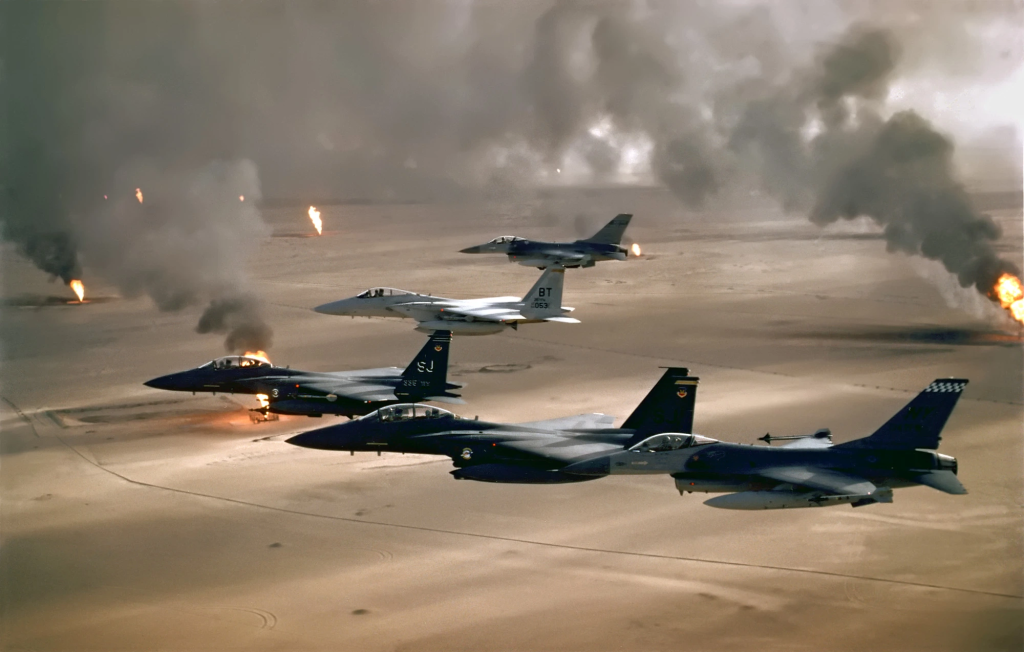
All in All
Beehive Industries, founded in 2020, is positioning itself as a supplier in the market for small, expendable jet engines, emphasizing rapid production methods to meet rising defense demand.
Executives say additive manufacturing enables faster scaling and lower production costs compared to traditional methods, supporting the Air Force’s goal of deploying large volumes of low-cost aerial systems.
The broader defense strategy reflects a shift toward distributed, mass-produced airpower systems aimed at improving operational flexibility and cost efficiency in future military operations.