The Chief Executive Officer of United Airlines (UA) [the carrier that recently increased its check-in baggage fees by $10], Scott Kirby, is pushing conventional corporate leadership norms — candidly mixing disciplined work habits like early‑morning strategy time and midday naps with a broader push to reshape the airline’s culture for the future.
Kirby, who has led United Airlines since May 2020 and previously held executive posts across major U.S. carriers, including American and US Airways, has spent decades in aviation leadership and emphasizes both operational discipline and human‑centric management.
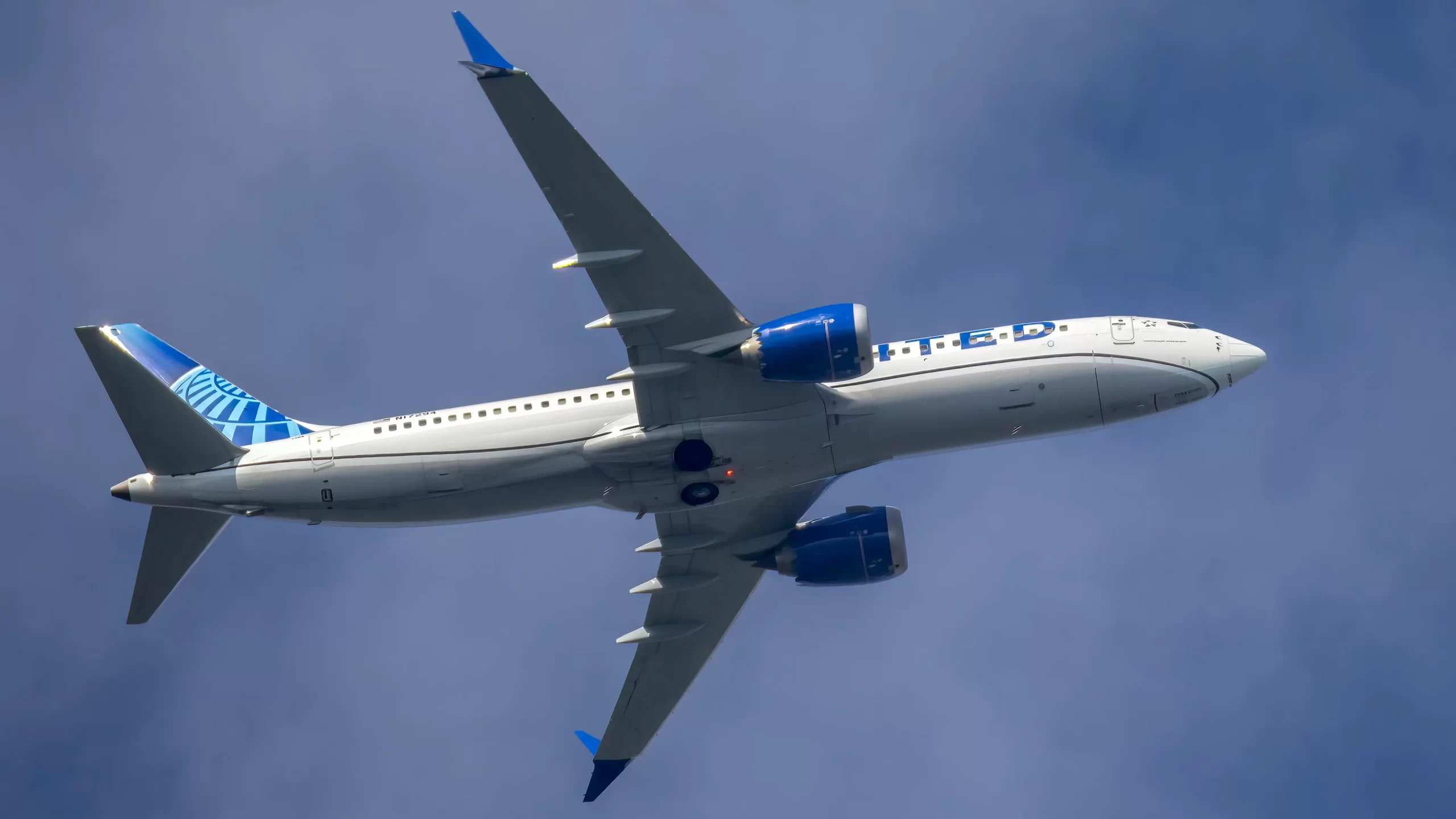

United’s Culture is One Fueled by a ‘Start‑Up Mindset’
Kirby describes United as “a five‑year‑old startup embedded inside a 100‑year‑old airline” — a metaphor for the deep cultural and operational reset he initiated after the COVID‑19 pandemic, McKinsey reported.
Rather than reverting to pre‑pandemic norms, he says the airline seized the crisis as an opportunity to rethink both technology and workforce engagement. That dual focus aims to create an agile organisation that can adapt to evolving customer expectations while managing legacy scale complexities.
A central tenet of this shift is transparency with customers. Kirby has often cited feedback — like that from a senior executive who once told him travel ranks as the one time they feel completely out of control — as a reason the airline must communicate candidly about delays, disruptions and operations.
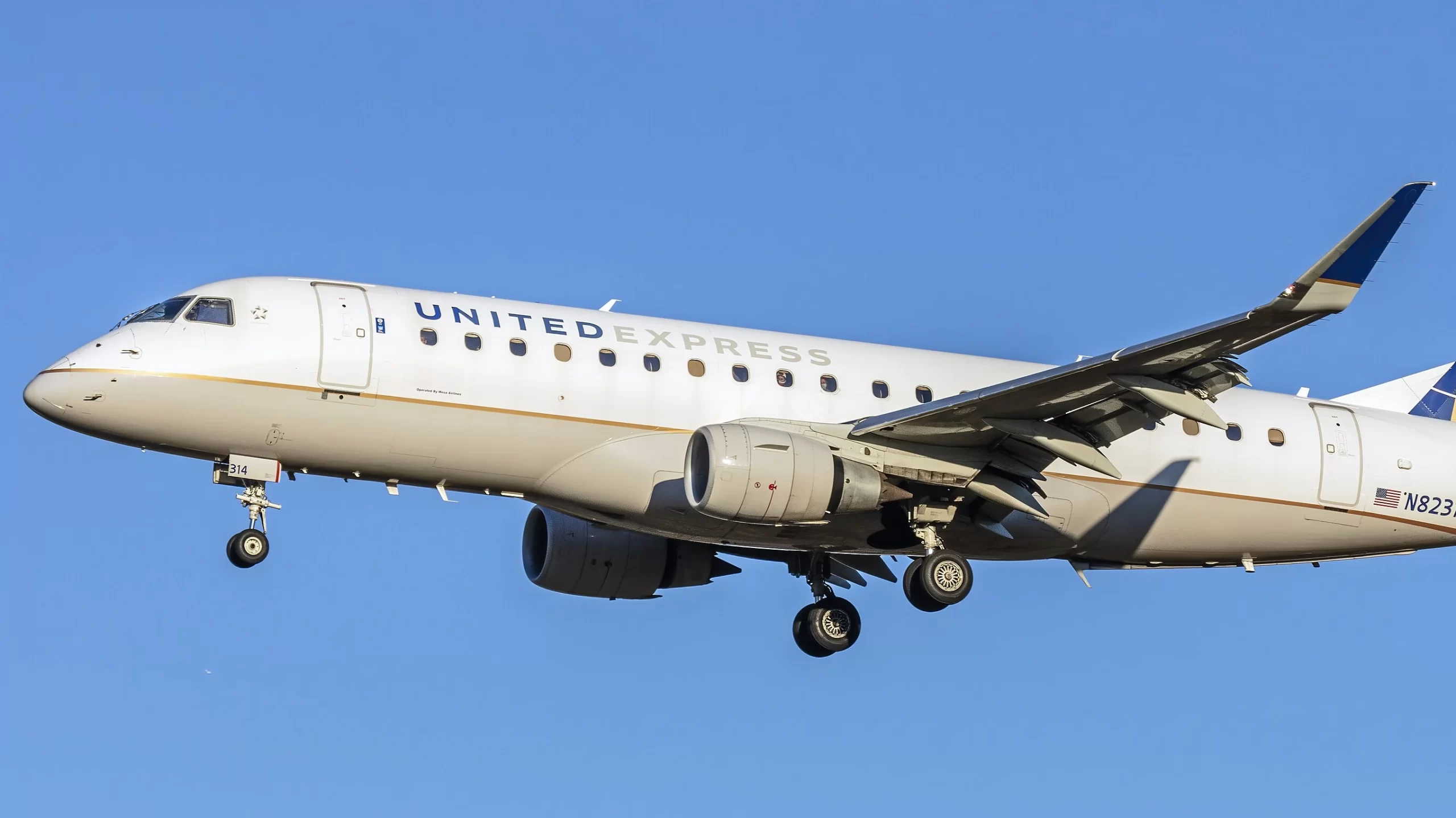

United is Hiring for Attitude and Employee Pride
United’s hiring model under Kirby prioritizes attitude over technical skill. He instituted a unique peer‑assessment hiring protocol in which respected pilots accompany candidates throughout the day — including lunch — and can veto applicants they wouldn’t want to spend four days with.
The airline sees overwhelming interest: when United opens flight‑attendant recruitment for 2,000–3,000 positions, it receives roughly 75,000 applications within hours.
Kirby also highlights that United remains one of the few major employers where workers without a college degree can enter the company and — eventually — earn six‑figure incomes with full benefits.
.jpg)
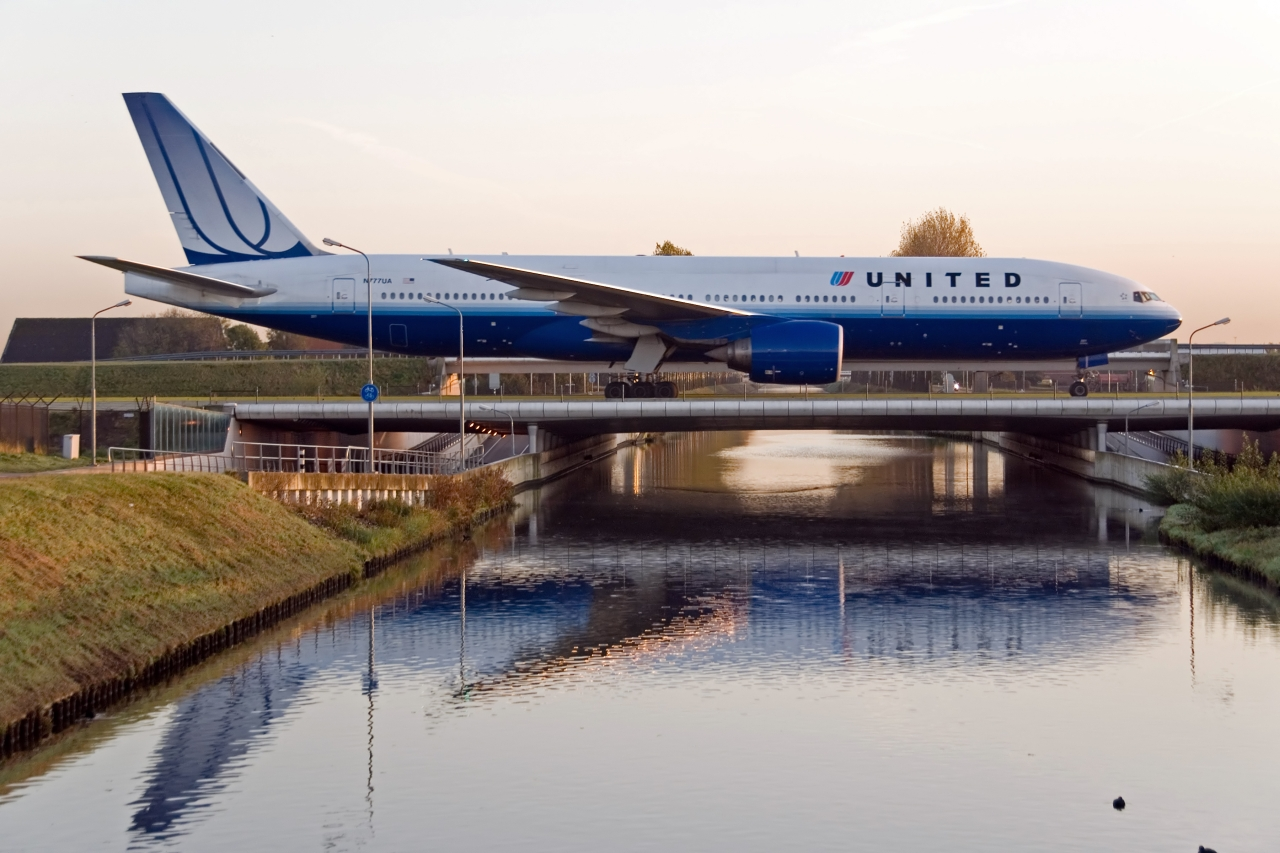
Kirby Stands By “Ownership Over Excuses”
A guiding principle Kirby carried from his time at the U.S. Air Force Academy is “No excuses, sir.” He’s applied this to United’s operational philosophy: when disruptions occur — regardless of cause — leaders and teams are expected to focus on solutions over blame.
This accountability mindset has become part of United’s performance DNA, with senior operations executives reiterating that whether disruptions are weather‑related or technological, the airline accepts responsibility to fix the issue promptly.
_@_Washington_Dulles,_2016.jpg)
Leadership as Energy, Not Management
Kirby distinguishes between management — ensuring compliance and process — and leadership, which he sees as inspiring energy and confidence among teams.
As CEO, Kirby says his role is almost exclusively leadership‑focused; if he’s handling compliance tasks, that signals a dysfunction deeper in the organisation.
He also advocates for fact‑based optimism: leaders should build confidence through reality‑grounded positive expectations rather than naive cheerleading.
Personal Operating Model — Thinking Over Meetings
Kirby structures his day intentionally:
- He limits himself to no more than four hours of meetings daily to prioritise thinking, reading and strategic planning.
- He reads about three hours a day across a wide range of subjects, believing insights often arise from connecting disparate ideas.
- And notably — he takes a 20‑minute nap at work nearly every day.
Kirby doesn’t see this habit as indulgent; he argues that decision‑making while tired results in expensive mistakes. Early in his tenure at United, he reportedly laid down on the office floor for naps until the leadership team installed a proper couch.
All in All
While napping isn’t standard corporate practice, Kirby’s mix of thoughtful downtime and focused leadership reflects broader workplace conversations about productivity, mental clarity and executive performance.
In an era of intensifying airline industry pressures — from rising fuel costs to heightened competition — his approach underscores a belief that clear thinking and resilient culture are strategic advantages.