South Korean budget carriers T’way Air (TW) and Air Busan (BX) have revised their flight operations to Thailand as escalating jet fuel prices continue to place pressure on airline profitability. According to The Bangkok Post, the adjustments involve key international routes linking the following four airports:
- Seoul Incheon International Airport (ICN)
- Bangkok Suvarnabhumi Airport (BKK)
- Daegu International Airport (TAE)
- Busan Gimhae International Airport (PUS).
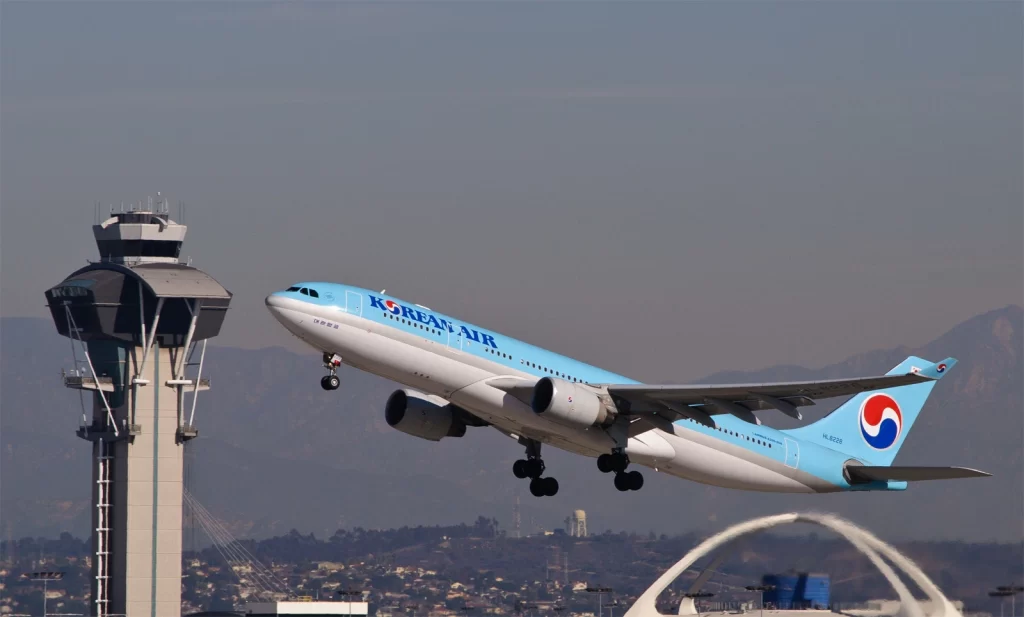
To manage rising operational expenses, airlines have implemented a mix of flight reductions, suspensions, and fare increases. Only a few days ago, carriers such as Korean Air, Air Premia, Eastar Jet, etc slashed handful of their routes due to the rise of jet fuel.

T’way Air Schedule Reductions
T’way Air has introduced major cutbacks on its Seoul–Bangkok service, citing financial strain from higher fuel costs. The airline will maintain daily flights between Incheon and Suvarnabhumi only until May 9. From May 10 to July 14, operations on this route will be scaled down to just two flights per week, marking a significant reduction in capacity during the summer travel period.
The carrier has also suspended all flights between Daegu (TAE) and Bangkok until July 15, further reducing its Thailand connectivity. Alongside these operational changes, T’way Air has increased its passenger fuel surcharge from 1,900 baht to 2,850 baht.
In addition, the airline is introducing temporary workforce adjustments, including unpaid furloughs for cabin crew in May and June under a voluntary participation scheme.
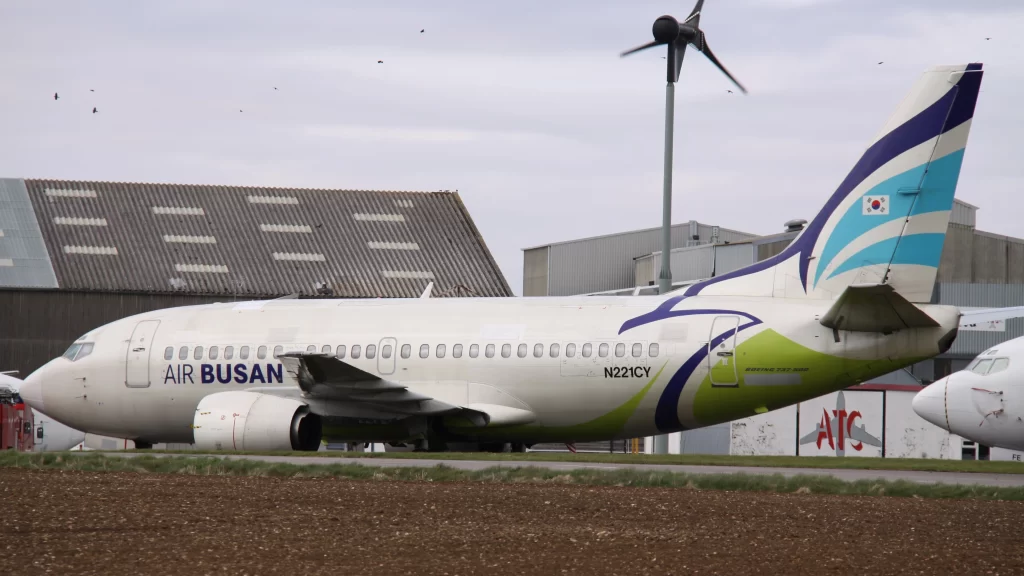
Air Busan Operational Adjustments to Bangkok
Air Busan has cancelled six scheduled daily flights between Busan (PUS) and Bangkok (BKK) on May 13, 16, 20, 23, 27, and 30. Much like the other budget carriers in Korea to have slashed routes, these cancellations are part of Air Busan’s broader efforts to manage rising operational costs while maintaining route viability.
Effective April 1, Air Busan increased its fuel surcharge from 2,000 baht to 2,700 baht, citing continued volatility in global jet fuel markets and unstable pricing conditions. IndiGo (6E), India’s largest carrier, also introduced the addition of surcharges of over $100 on some international routes.
Jet Fuel Price Hike Are Industry-Wide Cost Challenges
Beyond Thailand routes, South Korean low-cost carriers are experiencing similar financial pressures across other international destinations, including the United States and Vietnam, where schedule adjustments are also being considered.
Airlines are currently balancing capacity management with recovering travel demand in the post-pandemic aviation environment. The following table gives us a hint of the airlines from Korea that have cut some routes following US’ war in Iran.
| Airline | Route(s) Affected | Action | Details |
|---|---|---|---|
| Air Premia | Incheon–San Francisco, Incheon–New York, Incheon–Los Angeles, Incheon–Honolulu | Flight suspensions and cancellations | Reported cancellation of 10 flights on Incheon–San Francisco and Incheon–New York routes in May; earlier cancellation of 26 flights on Incheon–Los Angeles and 6 flights on Incheon–Honolulu between April 20 and May 31 |
| Eastar Jet | Incheon–Phu Quoc | Flight cancellations | Cancelled 50 flights due to refueling challenges |
| Jeju Air | Southeast Asia routes (unspecified) | Under evaluation for reductions | Reviewing potential further schedule cuts |
| Jin Air | Southeast Asia routes (unspecified) | Under evaluation for reductions | Considering additional capacity reductions |
| T’way Air | Southeast Asia routes (unspecified) | Under evaluation for reductions | Assessing further flight reductions across the region |

.jpg)
.jpg)