A 52-year-old Indian national has been charged in Australia after allegedly sexually assaulting a fellow passenger onboard a Scoot Airways (TR) flight from Singapore Changi Airport (SIN) to Perth Airport (PER). Authorities arrested the man immediately after landing, following a mid-flight complaint by the victim seated beside him.
The incident occurred on April 13, 2026, during the international service, with Australian Federal Police (AFP) confirming that the accused engaged in “non-consensual sexual acts” during the journey. The case has drawn renewed scrutiny toward airline safety protocols and the handling of serious criminal incidents in confined cabin environments.
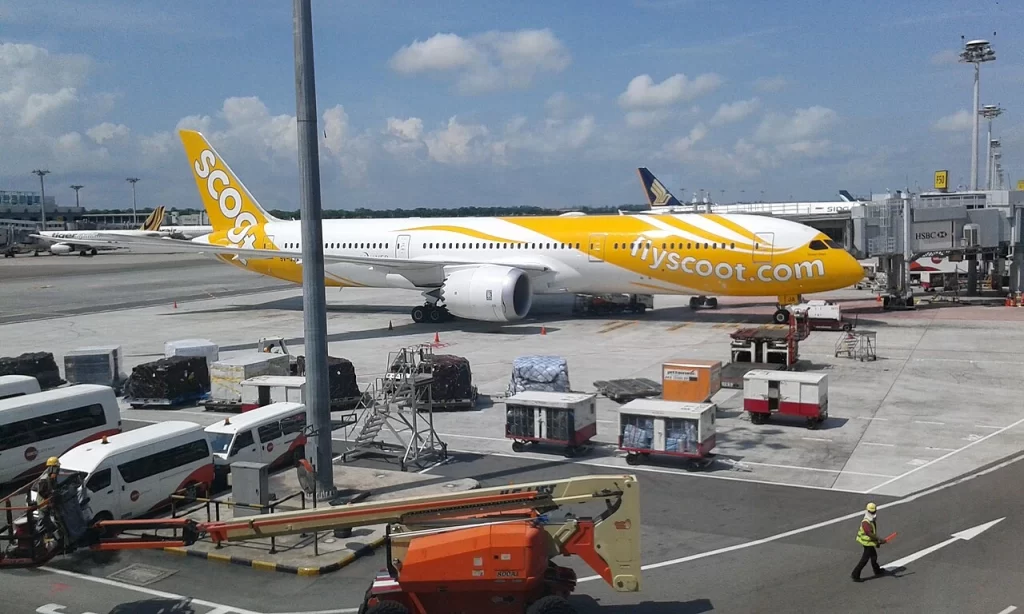
Sexual Assault in Scoot Flight
According to a joint statement by the Australian Federal Police (AFP) and Western Australia Police, the accused allegedly assaulted a female passenger seated next to him during the flight. The victim alerted cabin crew during the journey, triggering an immediate response.
Crew members relocated the passenger to another seat and monitored the suspect for the remainder of the flight. This intervention ensured that the situation remained contained until the aircraft reached Perth. Reports indicate the incident occurred on Scoot flight TR16, a regularly scheduled service connecting Singapore and Western Australia.
Arrest and Charges in Perth Airport
Upon arrival at Perth Airport (PER), AFP officers boarded the aircraft and escorted the suspect off for questioning. The arrest took place at the gate, demonstrating pre-arranged coordination between the airline and law enforcement authorities.
According to the AFP, the accused has been formally charged with the following:
| Charge | Legal Provision | Number of Counts | Maximum Penalty |
|---|---|---|---|
| Sexual intercourse without consent | Section 15(1), Crimes (Aviation) Act (Cth); Section 54, Crimes Act 1900 (ACT) | 1 | 12 years imprisonment |
| Act of indecency without consent | Section 15(1), Crimes (Aviation) Act (Cth); Section 60, Crimes Act 1900 (ACT) | 3 | 7 years imprisonment |
The AFP has taken a firm stance on the matter, emphasizing zero tolerance for criminal conduct onboard aircraft. Acting Superintendent Peter Brindal stated that passengers must feel safe during air travel, particularly given the confined nature of aircraft cabins and that the AFP had “zero tolerance for criminal behaviour on aircraft or within Australian airports”, reported Channel News Aisa:
Every passenger has the right to feel safe when travelling, especially when confined in an aircraft close to other passengers. No act of indecency on an aircraft or at an airport is appropriate, and any travellers who break the law will be dealt with swiftly.
Brindal also urged victims of inappropriate behavior to report incidents immediately to airline staff, airport security, or law enforcement authorities. The case is currently under joint investigation by the AFP and the Western Australia Police Sex Assault Squad.
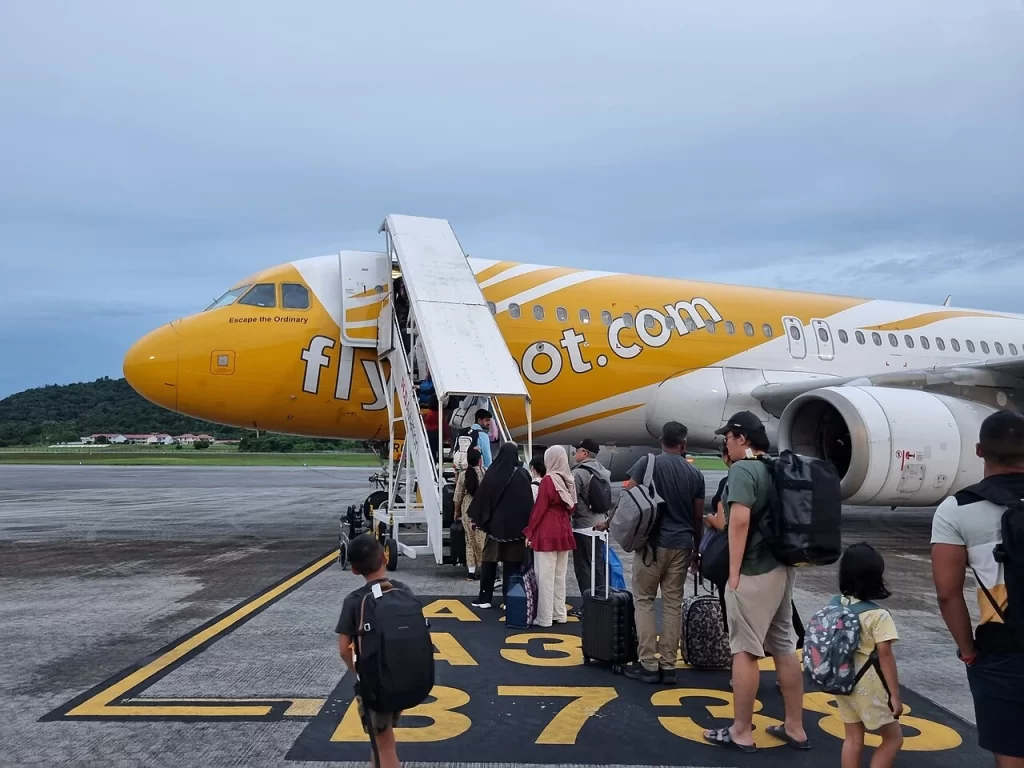
Inflight safety and Industry implications
This incident underscores persistent concerns about passenger safety in commercial aviation, especially on medium-haul routes where cabin density and proximity can complicate detection of misconduct.
Airlines have strengthened crew training in recent years, equipping staff to identify, isolate, and escalate such incidents. In this case, the crew followed established protocols by separating the individuals, monitoring the suspect, and alerting authorities ahead of landing.
In January 2026, an Italian man, Nicola Cristiano (45), was convicted of attempted rape and sexual assault for sexually assaulting a fellow passenger on an EasyJet (U2) flight from Naples to Edinburgh. In February 2026, a passenger on a flight on the Rhode Island – Washington D.C. route was arrested for in-flight misconduct.
It has been reported that such instances are on the rise, and the National Sexual Violence Resource Center lays out some recommended action for anyone who might be entangled in such instances:
| Situation / Risk Scenario | Recommended Action |
|---|---|
| Suspicious physical contact (testing behavior) | Set clear boundaries immediately and request a seat change if necessary |
| Seated next to a stranger | Keep the armrest down to maintain personal space |
| Child flying unaccompanied | Book an aisle seat so cabin crew can monitor more closely |
| Experiencing harassment or assault | Report immediately to cabin crew, request documentation, and ensure authorities are alerted |
Historically, aviation regulators have faced criticism for inconsistent reporting of onboard misconduct. However, recent cases suggest a shift toward faster intervention and stricter enforcement, particularly in jurisdictions like Australia where aviation-related offenses carry severe penalties.
The Scoot case highlights how coordinated action between airline personnel and law enforcement can ensure accountability while prioritizing passenger safety in real time.


