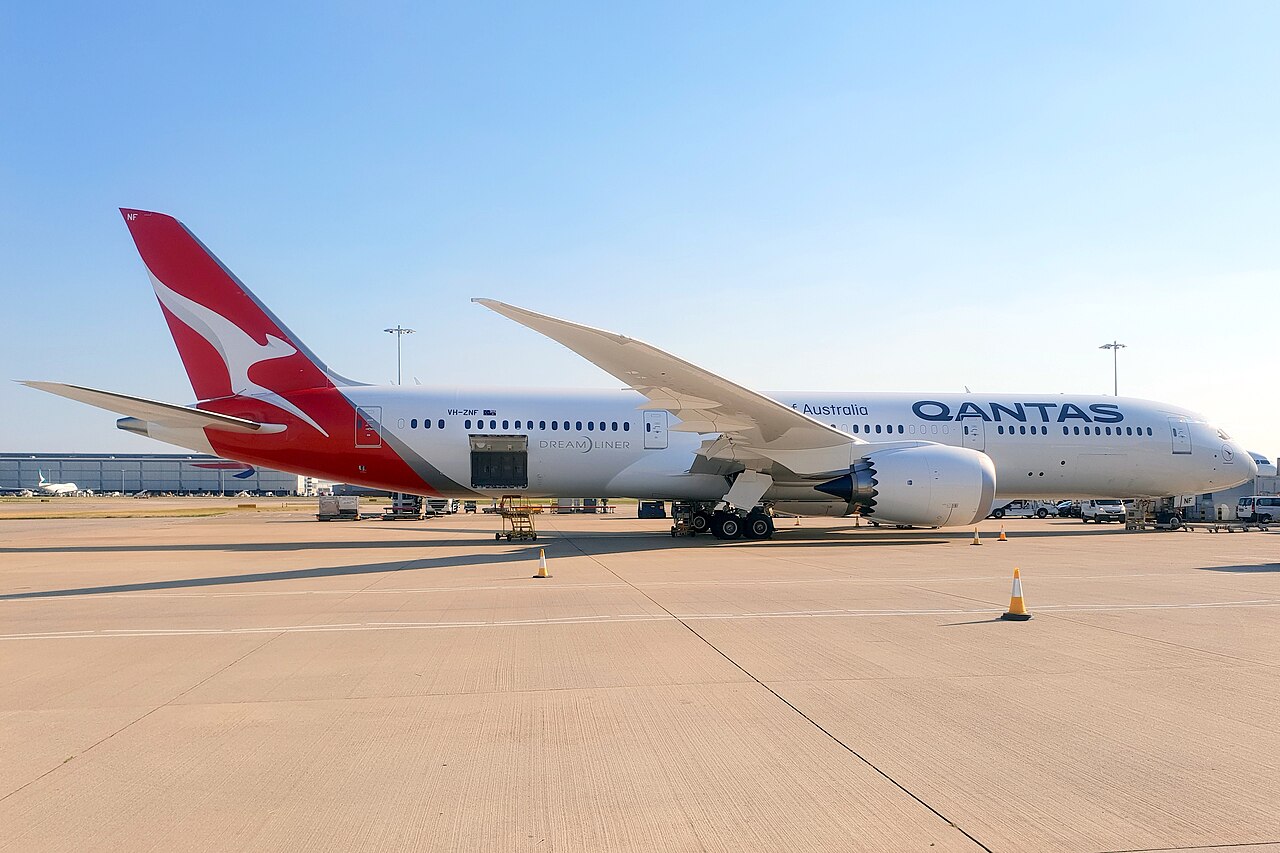
A Qantas (QF) long-haul service from Sydney to Dallas was forced to return mid-flight on April 5, 2026, after a passenger suffered a medical emergency, prompting an operational diversion over the Pacific Ocean. The Airbus A380 operating Flight QF7 turned back toward Sydney Kingsford Smith Airport (SYD), Sydney after approximately four hours airborne to ensure urgent medical care could be administered on the ground, IBT reported.
The flight, originally bound for Dallas Fort Worth International Airport (DFW), Dallas, had reached the North Fiji Basin when the crew made the decision to abort the ultra-long-haul sector, prioritizing passenger safety over schedule integrity. Emergency services met the aircraft upon arrival in Sydney, and the service was later rescheduled the same evening.
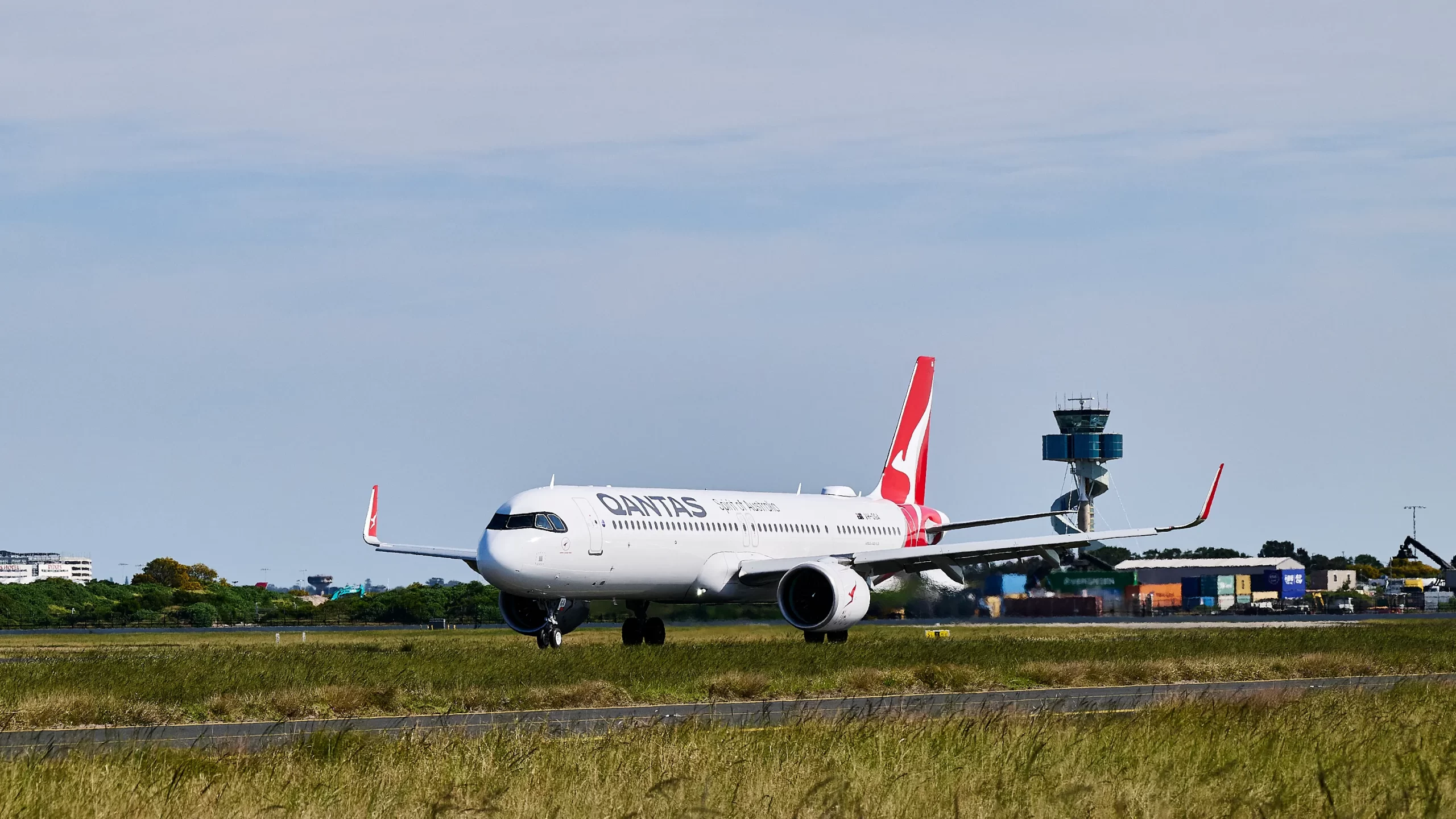
Qantas (QF): airline overview and operational profile
| Attribute | Details |
|---|---|
| Airline Name | Qantas Airways |
| IATA Code | QF |
| ICAO Code | QFA |
| Founded | 1920 |
| Hub | Sydney Kingsford Smith Airport (SYD), Sydney |
| Fleet Highlights | Airbus A380, Boeing 787-9 |
| Key Long-Haul Route | Sydney (SYD) – Dallas Fort Worth (DFW) |
| Reputation | Among the world’s safest full-service carriers |
Qantas operates one of the longest non-stop commercial routes globally between Sydney and Dallas, covering approximately 13,800 km with a flight duration exceeding 15 hours under normal conditions.

Qantas flight QF7 medical emergency forces return to Sydney
Flight QF7 departed Sydney as scheduled before the onboard medical emergency occurred roughly four hours into the journey over the Pacific Ocean. The aircraft, identified as an Airbus A380, diverted near Fiji before initiating a full return to Sydney.
Crew members assessed the severity of the situation and concluded that immediate access to advanced medical facilities was necessary, ruling out diversion to smaller Pacific airports. The aircraft landed safely after an additional four hours of flight time, with medical personnel on standby to assist the affected passenger.
Before landing, the aircraft conducted a fuel jettison procedure over the North Fiji Basin to reduce landing weight. This is a standard safety protocol for widebody aircraft operating long-haul missions. 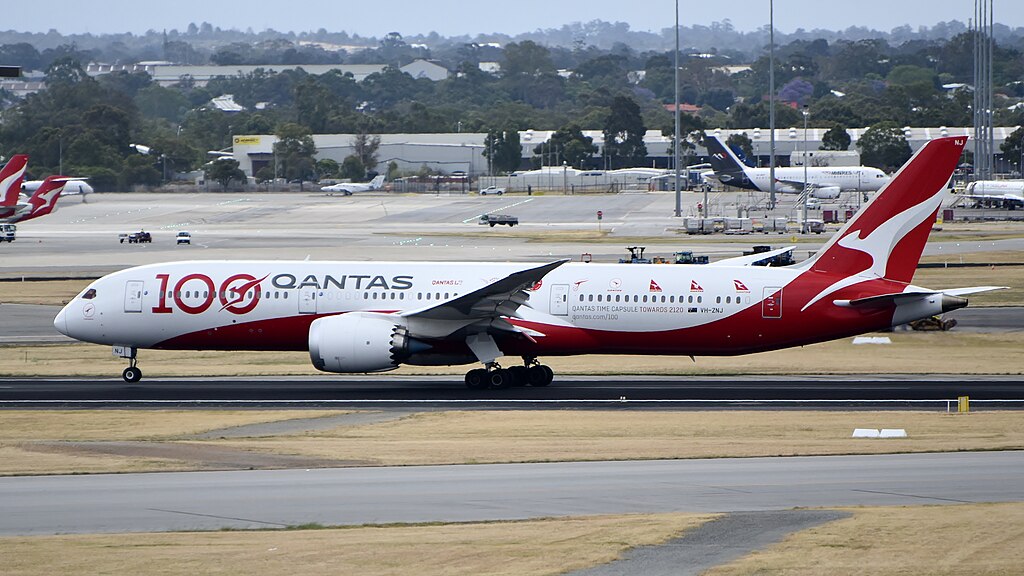
Image :Bahnfrend | Wikimedia Commons
Passenger Experience and Operational Recovery at Sydney Airport (SYD)
Following the aircraft’s safe landing at SYD, passengers experienced a delay of approximately two hours as the airline coordinated logistics for the continuation of the journey.
Qantas implemented recovery measures that included:
- Reassessing aircraft readiness and refueling
- Addressing onboard catering constraints
- Ensuring crew compliance with duty time regulations
The flight ultimately departed Sydney again later that evening, resuming its journey to Dallas with all passengers onboard.
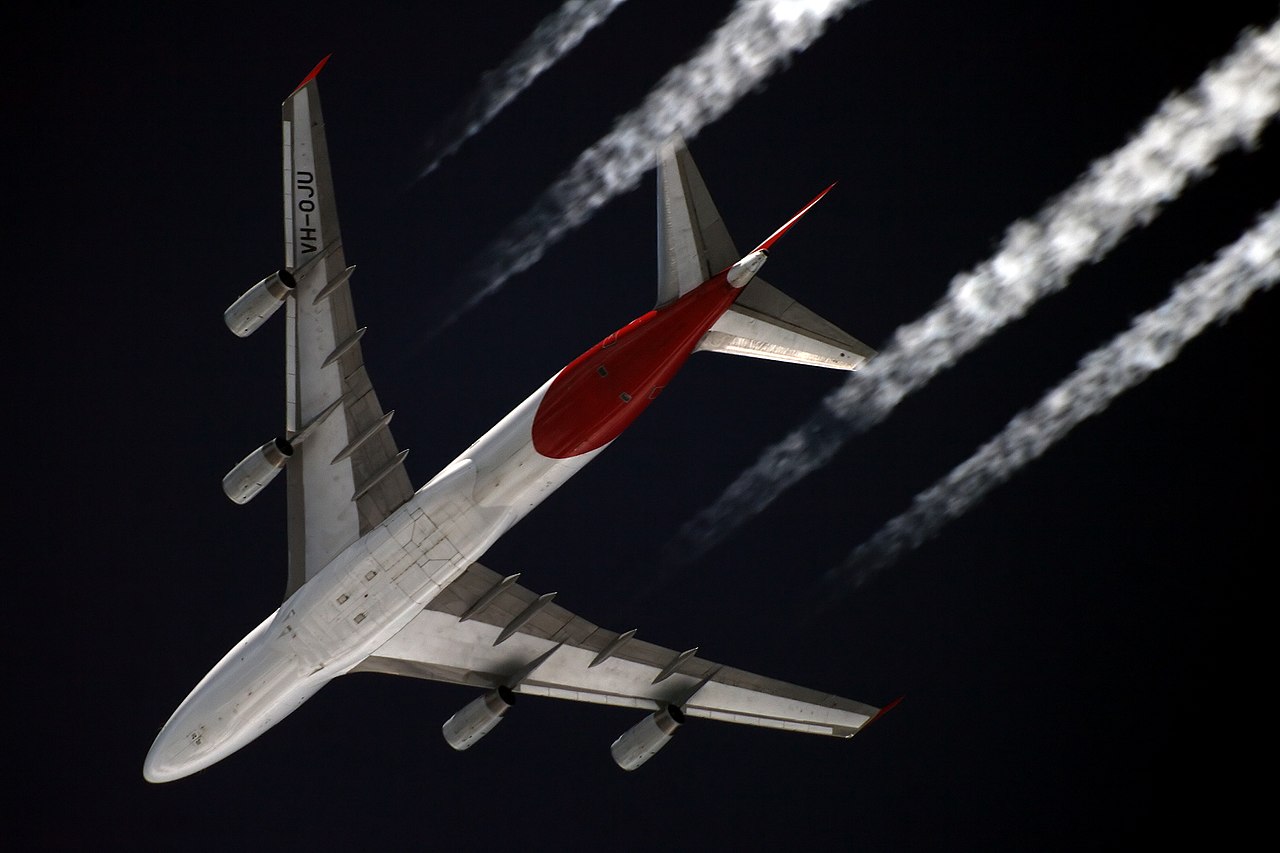
Aviation safety perspective on in-flight medical emergencies
Industry experts emphasize that diversions for medical reasons, while disruptive, demonstrate the robustness of modern aviation safety protocols.
Modern long-haul aircraft are equipped with:
- Advanced medical kits and defibrillators
- Trained cabin crew capable of emergency response
- Real-time communication with ground-based medical advisory services
Pilots must evaluate multiple dynamic factors before deciding on a diversion, including weather conditions, airport capability, and the urgency of the medical situation.
In this case, returning to Sydney was deemed the most prudent course of action, reinforcing the industry’s safety-first approach.