The operator of Narita International Airport (NRT) has informed Japan’s government that it is considering invoking compulsory land acquisition to secure the final parcels needed for its major runway expansion project, Nippon.com reported.
According to the publication, Narita International Airport Corp. President Naoki Fujii told Transport Minister Yasushi Kaneko that unresolved land purchases have put at risk the planned March 2029 opening of a new 3,500‑meter runway and the expansion of an existing runway. The warning follows months of stalled negotiations with reluctant property owners.
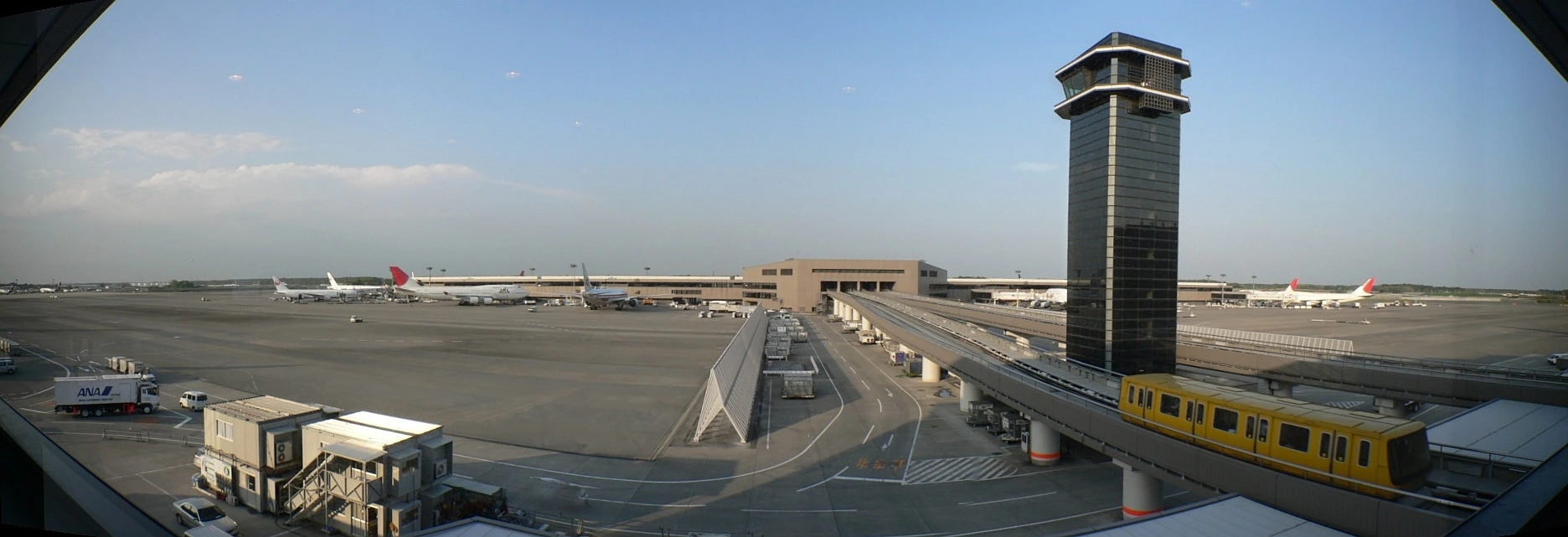

Narita’s Land Acquisition Challenge
The airport’s expansion project requires an additional 1,099 hectares of land to proceed as planned. As of early 2026, the operator has secured the majority of that land, but roughly 10 percent remains unacquired, slowing progress and threatening key deadlines, the Mainichi reported.
The difficulty in securing land stems from disagreements over compensation and development terms. Some landowners continue to withhold approval, complicating efforts to meet the government’s targeted land acquisition schedule in time for construction milestones.
In response, Fujii confirmed that Narita’s operator is considering legal procedures under Japan’s land expropriation framework — a mechanism to force purchases of remaining land — although no formal legal action has yet been taken.
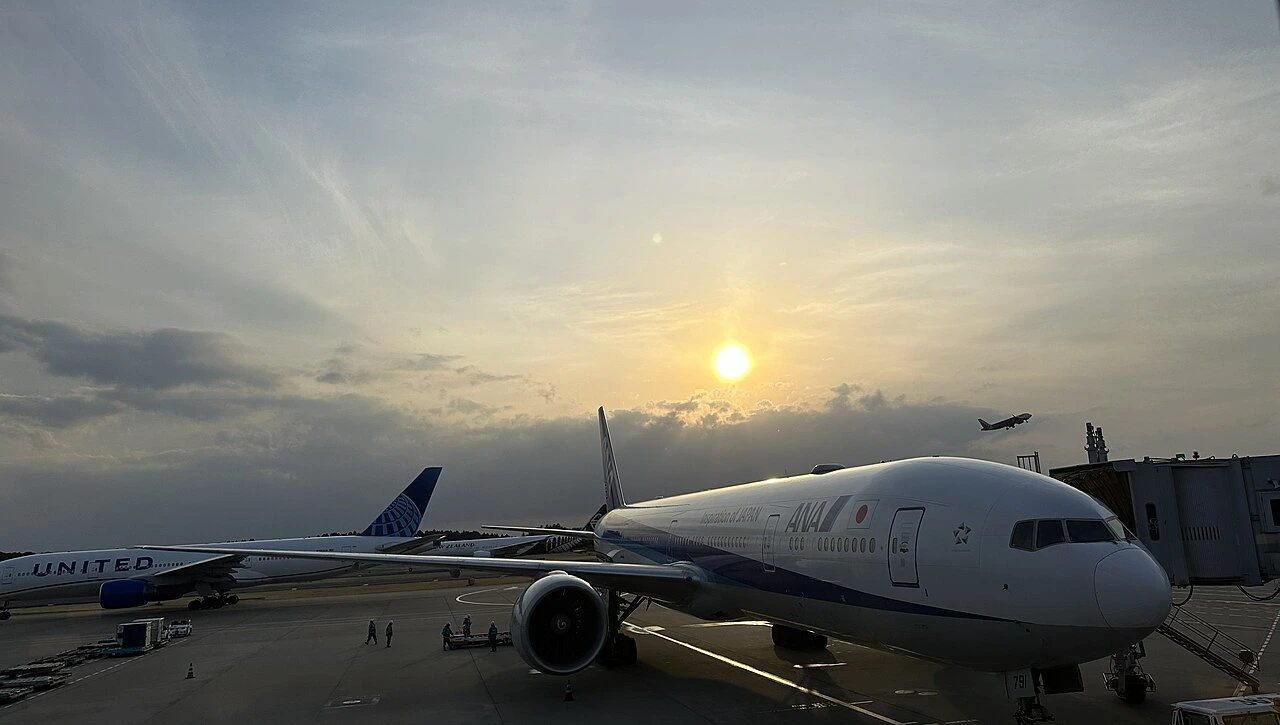

Government Reaction to Narita’s Proposed Land Acquisition
Transport Minister Kaneko acknowledged the seriousness of the land acquisition shortfall. While officials stressed the importance of advancing the airport’s expansion to meet rising aviation demand, Kaneko also urged continued efforts to reach voluntary agreements with local landowners and was quoted in The Mainichi as having urged Narita International Airport Corp., to, “carefully gain the understanding of local residents and continue efforts to achieve voluntary land acquisition“.
Government authorities are keen to avoid the confrontation and community conflict that marked Narita Airport’s original development decades ago, when compulsory land acquisition sparked intense local opposition. Narita’s construction in the 1960s was highly controversial to begin with. The decision to build the airport involved forced acquisition of farmland and sparked protests among residents — conflict that lingered long after the facility opened in 1978.
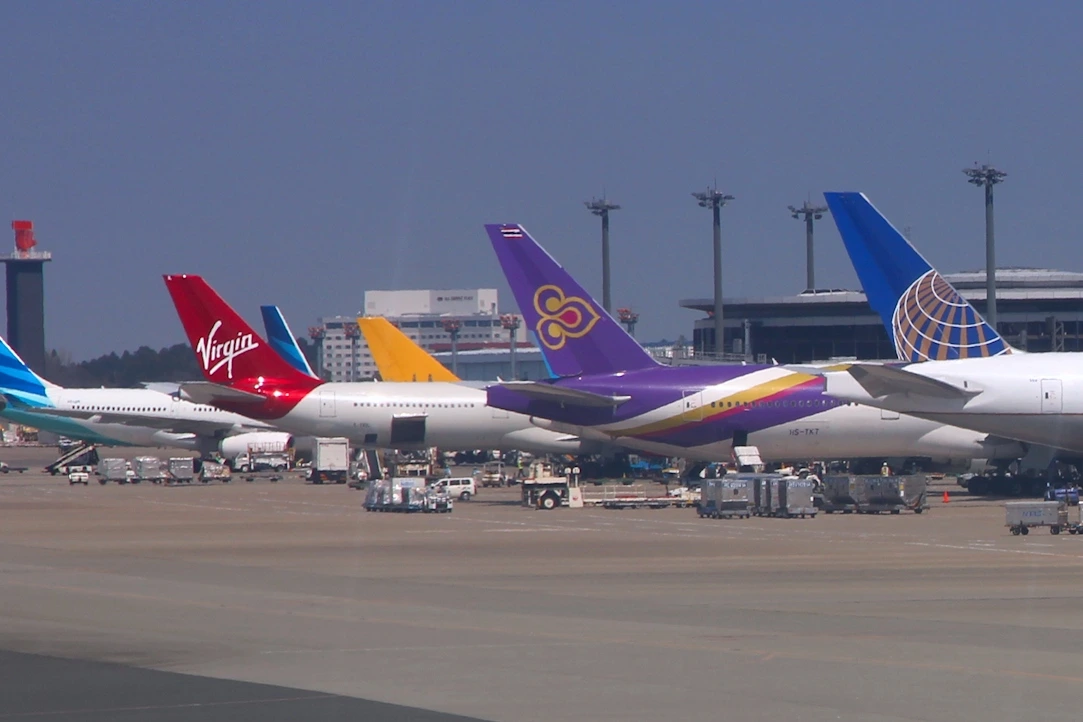

In 1978, some 13,000 riot police were mobilized against almost 15,000 demonstrators protesting against the opening of the international facility. The airport had been delayed for five years. According to The Telegraph, the most serious attack occurred on March 26 when radicals seized the control tower, causing about $500,000 in damage to radar and navigation equipment.
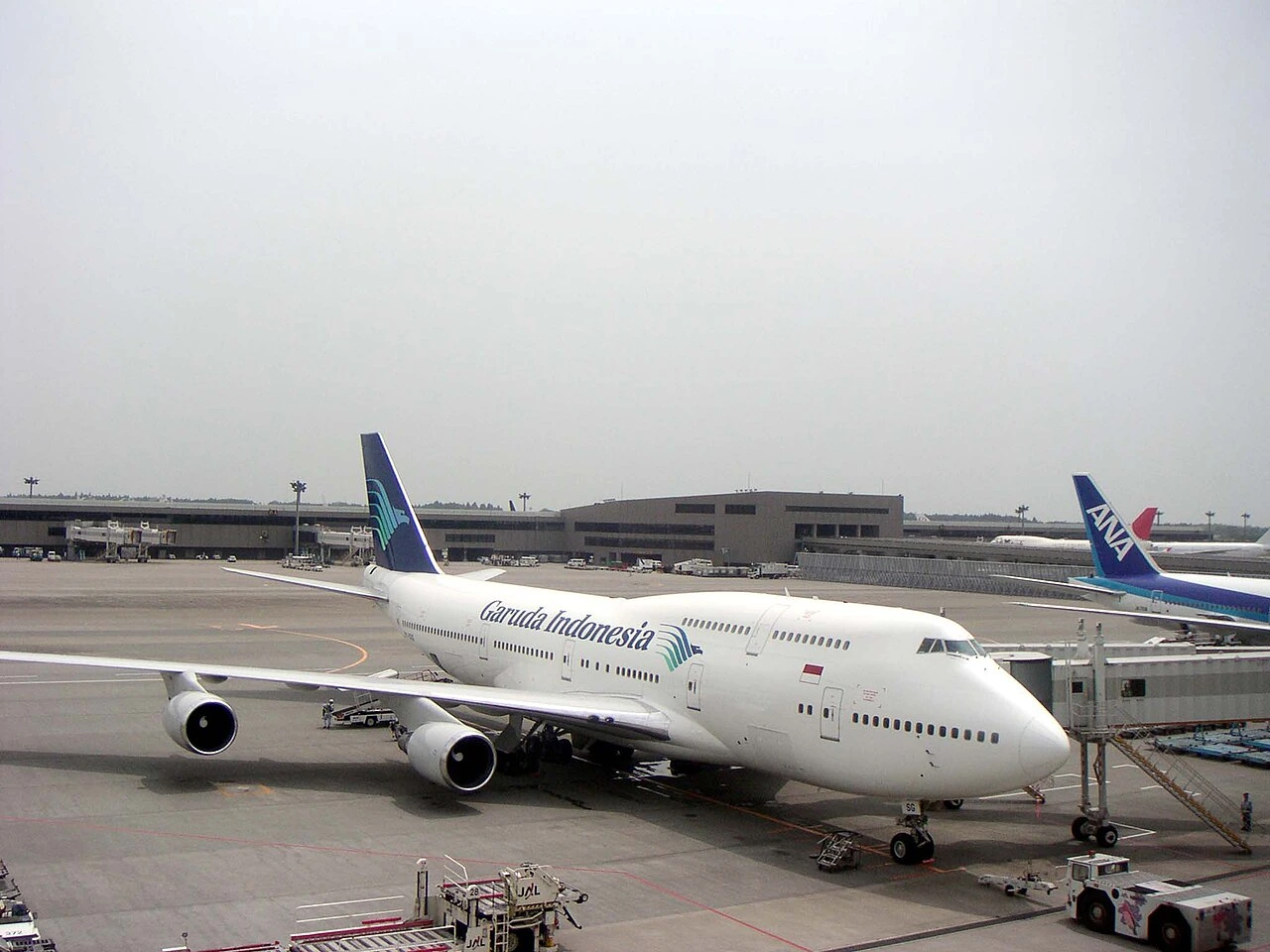
_at_Narita_International_Airport_(1).jpg)
Narita’s Expanded Runway Plan
The current expansion involves building a new 3,500‑meter runway (Runway C) and extending the existing 2,500‑meter Runway B by another 1,000 meters. Work on these upgrades began in 2025 as part of a broader plan to boost the airport’s capacity for passenger and cargo flights.
At present, Narita handles approximately 340,000 annual flight slots. Once the new runway and extended infrastructure come online, those slots are expected to increase to about 500,000 per year.
Fujii has said Narita will aim to open the extended portion of Runway B by fiscal 2029, even if the full runway expansion schedule is revised due to land issues.